ES
Cruises to Valencia
Valencia is a cruise stop with range: space-age museums, a historic core, market snacks, and a beach plan if you keep the day tight.
Upcoming visits
153
Best fare
$97 per night
Valencia is a cruise stop with range: space-age museums, a historic core, market snacks, and a beach plan if you keep the day tight.
Find Valencia on Google Maps before you plan the port day.
Valencia is one of those Mediterranean port calls where the day can go in several good directions, which is both the perk and the trap. You can make it an architecture day at the City of Arts and Sciences, a food-and-history loop around the Central Market and La Lonja de la Seda, or a low-friction beach break at Malvarrosa. The city is not asking for a maximalist checklist. It rewards cruise passengers who pick a clear theme, use transit where it makes sense, and leave room for the kind of slow lunch or market browse that actually feels like Spain.
The strongest Valencia plan usually pairs one major visual anchor with one softer experience. Futuristic white curves and an aquarium hit differently than Gothic stone columns and market stalls stacked with paella ingredients, so do not try to compress every version of the city into one stop. Families have obvious wins, design fans get a signature skyline, food travelers can graze without overplanning, and beach people can avoid pretending they want another cathedral. Valencia is worth booking when you want a port that can be cultural without feeling stiff.
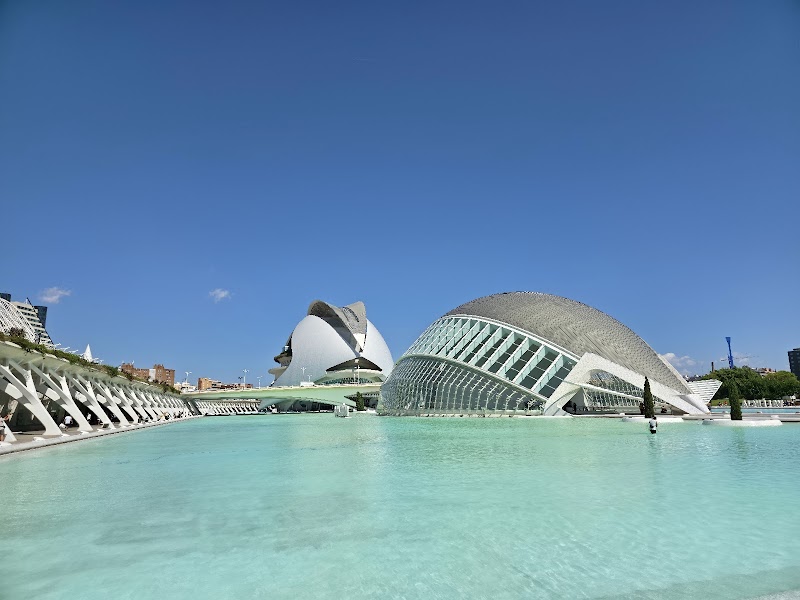
The City of Arts and Sciences is the Valencia stop for travelers who want the day to look nothing like the rest of a Mediterranean itinerary. Its futuristic complex includes the Oceanografic aquarium, Hemisferic IMAX, and science museum, so it works for families, design obsessives, and anyone who wants a big visual payoff without building the day around the historic core. Because it is reachable by metro from the port, it is also one of the cleaner cruise-day choices. Prioritize it if your itinerary already has plenty of old towns and you want Valencia at its most distinctive.
Architecture fans, families, and anyone who wants a high-impact stop without overcomplicating the day.
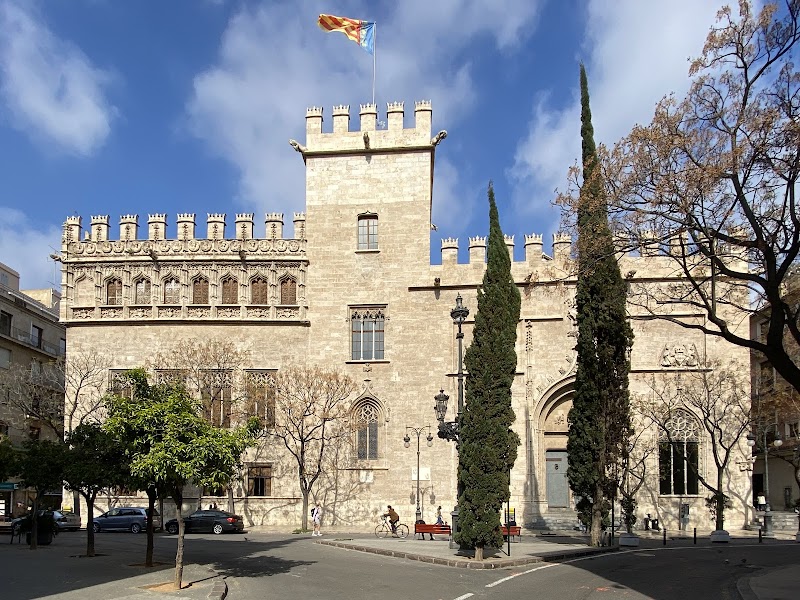
La Lonja de la Seda is the historic counterpoint to Valencia's space-age side. This UNESCO-listed former silk exchange is all carved Gothic confidence, with spiral columns that turn the trading hall into something like a stone palm forest. For cruise passengers, it is a smart priority because it delivers serious atmosphere without needing a full museum mindset. Go here if you want one memorable historic interior rather than a blur of facades. It also pairs naturally with the nearby Central Market, making it easy to build a tight old-town plan around texture, food, and a little architectural drama.
Futuristic complex with Oceanogràfic aquarium, Hemisfèric IMAX, science museum. Metro from port.
UNESCO Gothic silk exchange with spiral columns like a palm forest. Trading hall marvel.
Vibrant modernist market hall with paella ingredients, tapas; taste jamón. Near old town.
Mediterranean sands with promenades and paella restaurants; tram access. Beach time.
Current sailings visiting this port, sorted by the lowest tracked cabin price per night.
Built 2002
Barcelona · Marseille · Genoa · Florence · Valencia · Mallorca
Built 2002
Rome · Valencia · Tarragona
Built 2002
Valencia · Barcelona · Marseille · Genoa · Florence · Rome
Built 2002
Marseille · Genoa · Florence · Rome · Valencia · Barcelona
Built 2002
Barcelona · Marseille · Genoa · Florence · Rome · Valencia
Built 2002
Marseille · Genoa · Florence · Rome · Valencia · Barcelona
Built 2002
Barcelona · Marseille · Genoa · Florence · Rome · Valencia
Built 2002
Rome · Valencia · Barcelona · Marseille · Genoa · Florence
Built 2002
Genoa · Florence · Rome · Valencia · Barcelona · Marseille
Built 2002
Barcelona · Marseille · Genoa · Florence · Rome · Valencia
Built 2002
Bari · Athens · Katakolon · Rome · Valencia
Built 2002
Marseille · Genoa · Florence · Rome · Valencia · Barcelona
Combine La Lonja with the Central Market for a focused history-and-food route.
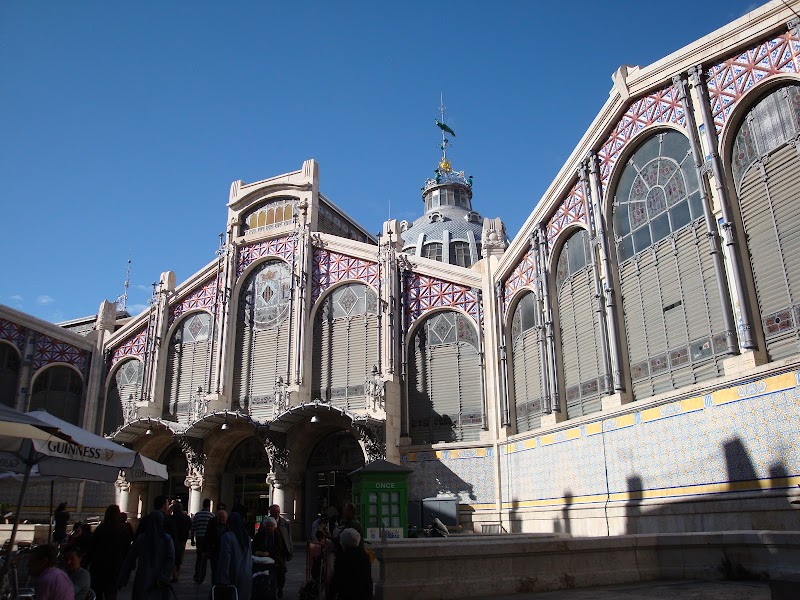
Central Market is the move if your favorite port days are built around eating, looking, and not pretending every stop needs a monument. The modernist market hall is packed with the raw materials of Valencia's food culture: paella ingredients, tapas, and jamon worth slowing down for. Its location near the old town makes it especially useful on a cruise stop, since you can fold it into a historic-core wander without turning lunch into a separate mission. Prioritize it early if market energy matters to you; it is less about a formal meal and more about tasting the city in motion.
Market browsing, quick bites, and a food-first version of the historic center.
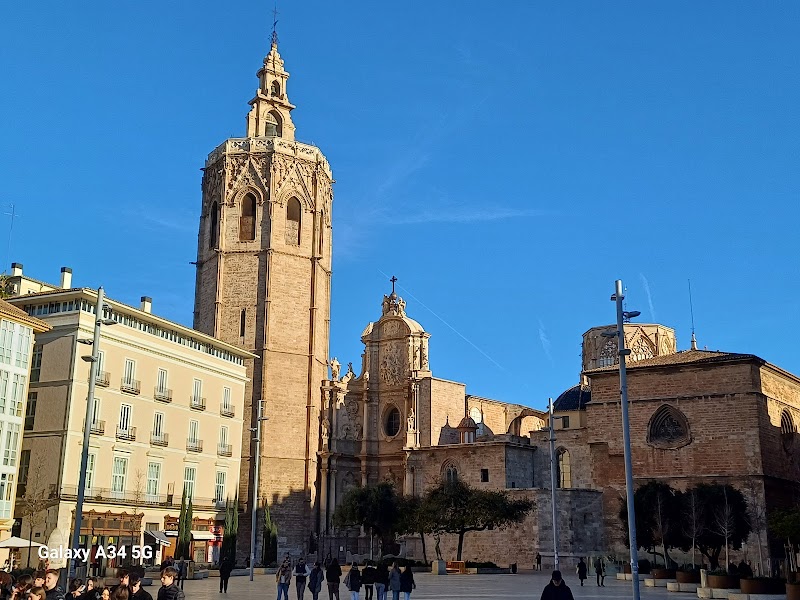
Valencia Cathedral and the Miguelete Tower are for travelers who want the old city to come with a bit of effort and a payoff. The tower climb gives you city views, while the Gothic chapel adds the intrigue of the alleged Holy Grail. This is a strong pick if you like your port days anchored by a landmark rather than a neighborhood drift. It also works well after Central Market or La Lonja, since all three live in the historic-core mindset. Skip it only if stairs and sacred interiors are not your thing; otherwise, it gives the day a useful sense of place.
History travelers who want a landmark, a climb, and a view in one stop.
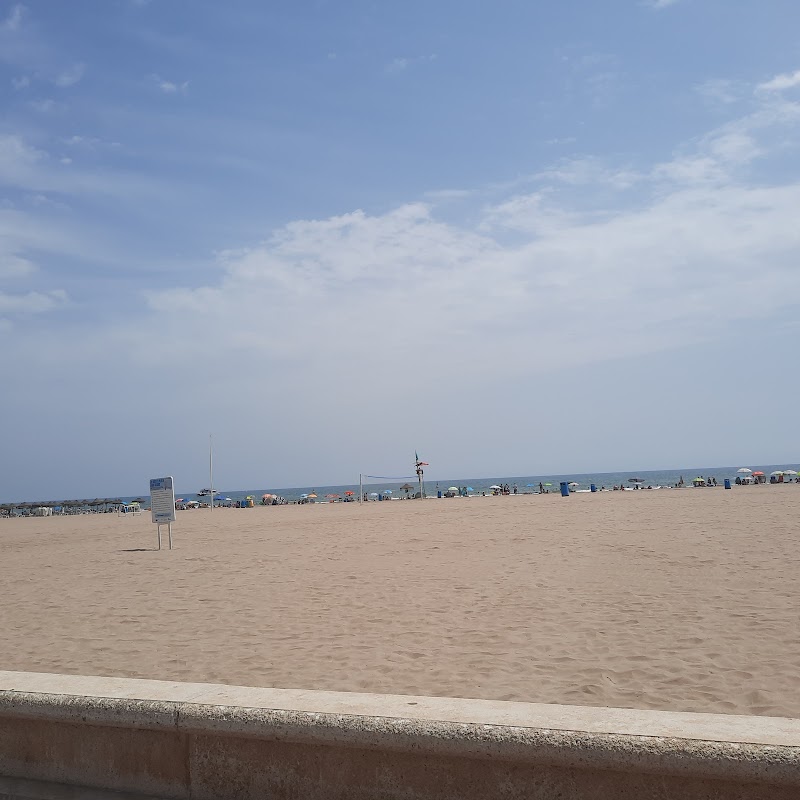
Malvarrosa Beach is the right answer when your cruise day needs less itinerary and more salt air. The draw is straightforward: Mediterranean sand, a promenade, and paella restaurants, with tram access to keep the plan from becoming a logistics project. It is not the choice for travelers trying to decode Valencia's full personality in one stop, and that is fine. Choose it if the rest of your itinerary is museum-heavy, if you are traveling with people who need downtime, or if your ideal shore day involves a swim-adjacent lunch rather than another guided route through stone streets.
Easy beach time with food nearby, especially when the itinerary has been heavy on sightseeing.
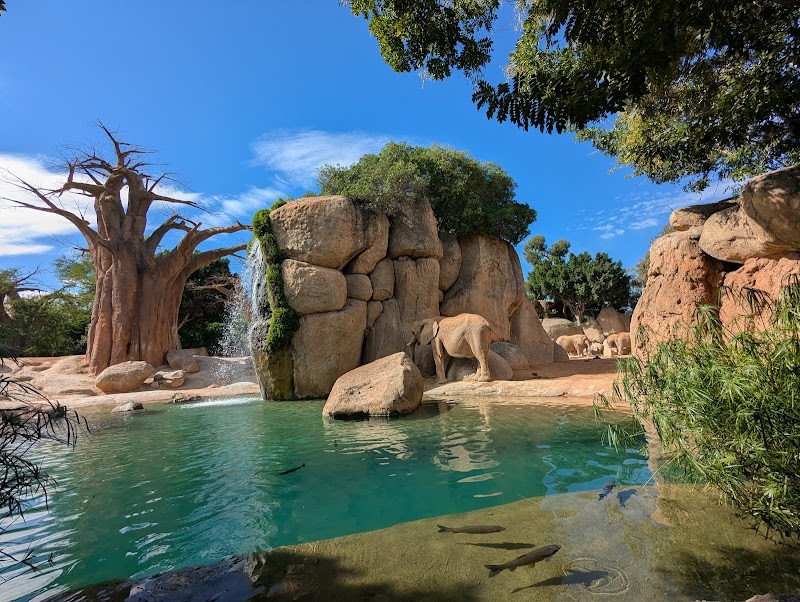
Bioparc Zoo is not the most Valencia-specific choice, but it can be the smartest one for a family port day. Its immersive African savanna setting, designed without visible bars, gives kids and animal lovers a clear, easy focus, with giraffes as one of the headline visuals. Think of it as a pressure-release option: less navigation through churches and markets, more time spent somewhere built for attention spans that do not care about Gothic trade history. Prioritize it if you are traveling with children or if the group needs a self-contained plan that does not depend on everyone loving architecture.
Families who want a contained, kid-friendly day rather than a dense city route.
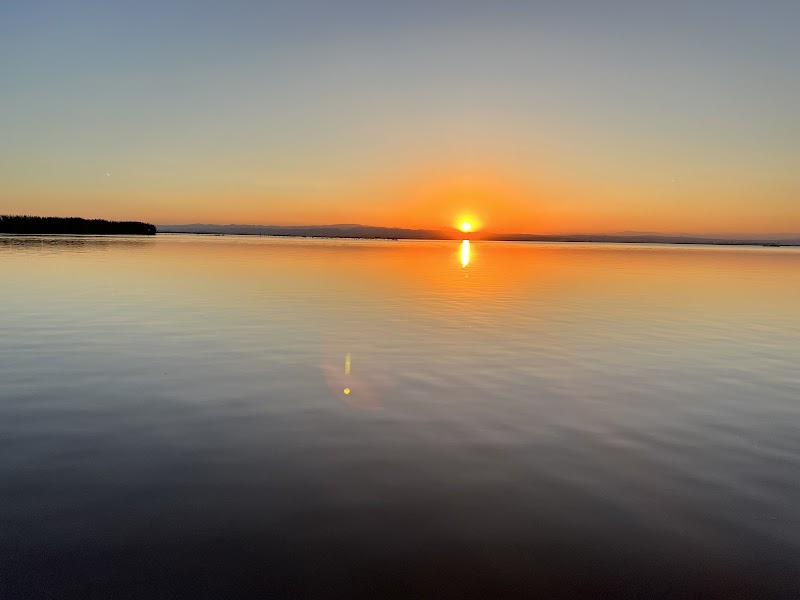
Albufera Natural Park is the romantic outlier: rice paddies, boat rides, sunset light, and a link to traditional paella's origin. It sounds like the obvious Valencia flex, but for cruise passengers it is best treated as an evening-excursion style plan rather than something to casually tack onto a packed city day. Choose it if your schedule supports a later, slower outing and you are more interested in landscape and food roots than museums or shopping. If your stop is short, keep Albufera on the wish list and spend the day in the city instead.
Best when the port schedule allows a slower evening-style excursion.
Climb for city views; see alleged Holy Grail in Gothic chapel. Historic core.
Immersive African savanna without bars; giraffes roam. Family hit.
Orchids, cacti in historic greenhouses. Quiet oasis.
Boat through rice paddies at sunset; traditional paella origin. Evening excursion.