IT
Cruises to Rome
Civitavecchia is the Rome cruise call that rewards ruthless editing: pick the ancient icon, art marathon, or street-level wander you actually want.
Upcoming visits
666
Best fare
$73 per night
Civitavecchia is the Rome cruise call that rewards ruthless editing: pick the ancient icon, art marathon, or street-level wander you actually want.
Find Rome on Google Maps before you plan the port day.
Civitavecchia is the port, Rome is the prize. That distinction matters, because the best day here is not a casual drift from the ship into the city center. Treat it as a proper day trip by train or shuttle, then build a plan around one main obsession: ancient Rome, the Vatican, blockbuster piazzas, or a slower neighborhood wander. The mistake is trying to make every famous postcard happen at once. Rome can absorb an entire week without blinking, so a cruise stop needs sharper boundaries.
This port is absolutely worth booking if you want one of the Mediterranean's biggest cultural payoffs and are comfortable with a structured day. First-timers should prioritize the Colosseum, Roman Forum, Pantheon, or Vatican Museums depending on their tolerance for crowds and interiors. Repeat visitors can skip the checklist energy and aim for Campo de' Fiori, Trastevere, the Spanish Steps, or the Aventine Keyhole. The win is not seeing Rome perfectly. It is leaving with one or two scenes that feel unmistakably yours.
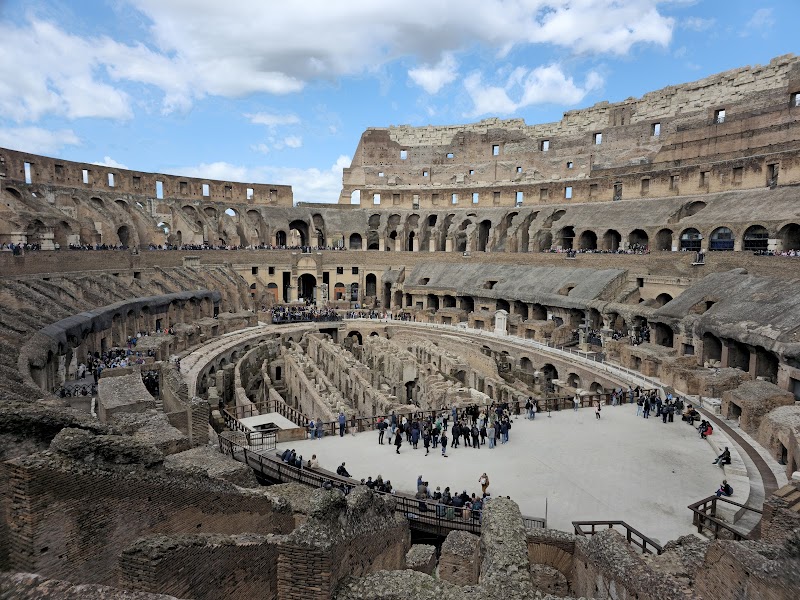
The Colosseum is the obvious pick for a reason: it gives a Rome port day instant scale. You are not just checking off a monument; you are standing inside the city's most legible piece of ancient theater, where the gladiator history still reads even if you are short on time. For first-time visitors, this is the cleanest anchor for the day, especially if paired with a disciplined route rather than a citywide scramble. Book skip-the-line access if you can, because waiting around is the least Roman way to spend a cruise stop.
If you only get one ancient Rome moment, make it the Colosseum and build the rest of the day around it.
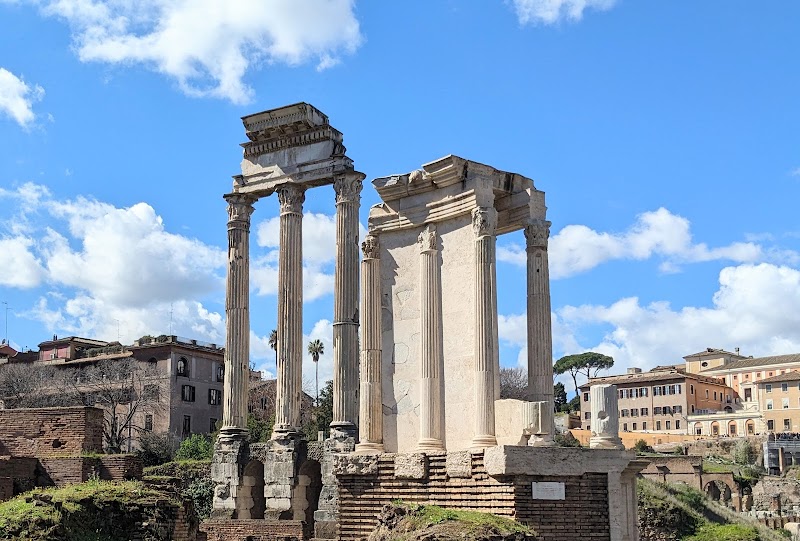
The Roman Forum and Palatine Hill are where the Colosseum stops being a standalone icon and starts becoming a city. Temples, arches, and broken imperial bones give the day a more textured sense of ancient Rome, especially for travelers who like ruins better when they can connect the dots. The combo ticket with the Colosseum makes this a logical add-on, but it is not a casual extra if your schedule is tight. Choose it when you want history as the main event, not as a quick backdrop between photo stops.
Ancient amphitheater for gladiator battles, day trip from port via train/shuttle. Iconic Rome must-see. Book skip-the-line.
Perfectly preserved Roman temple with oculus dome. Free entry. Architectural marvel.
Michelangelo's ceiling and endless art treasures. Full-day excursion required. Spiritual pinnacle.
Baroque fountain where you toss coins for return to Rome. Crowded but magical. Toss from your cruise bucket list.
Current sailings visiting this port, sorted by the lowest tracked cabin price per night.
Built 2012
Rome · Genoa · Tarragona · Tenerife · Salvador · Rio · Santos
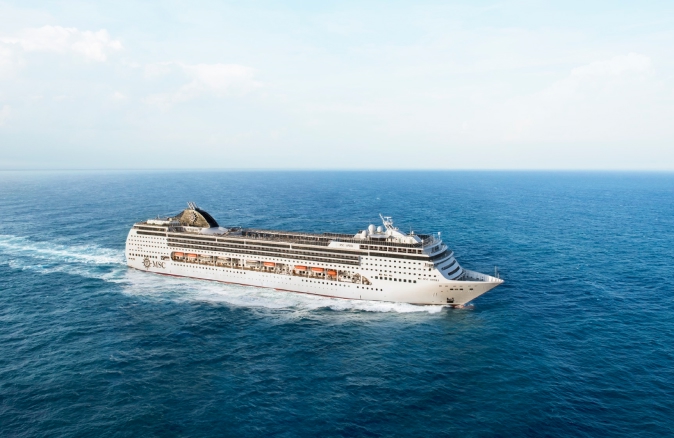
Built 2004
Rome · Genoa · Florence · Marseille · Barcelona · Tangier · Antigua · St. Maarten · St. Kitts · La Romana
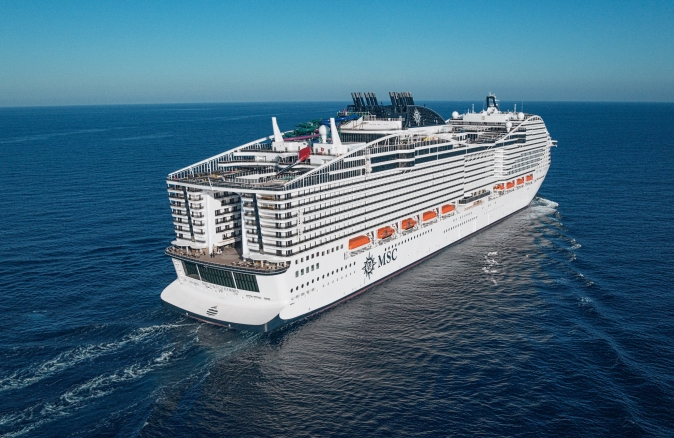
Built 2022
Genoa · Rome · La Spezia · Marseille · Barcelona · Lanzarote · Tenerife · St. Maarten · St. Kitts · St. Vincent · Barbados · Grenada · Martinique
Built 2022
Rome · La Spezia · Marseille · Barcelona · Lanzarote · Tenerife · St. Maarten · St. Kitts · St. Vincent · Barbados · Grenada · Martinique
Built 2012
Rome · Genoa · Tarragona · Tenerife · Salvador
Built 2022
Genoa · Rome · La Spezia · Marseille · Barcelona · Lanzarote · Tenerife · St. Maarten · St. Kitts · St. Vincent · Barbados · Grenada · Martinique · Guadeloupe · Antigua
Built 2012
Naples · Rome · Genoa · Tarragona · Tenerife · Salvador · Rio
Built 2022
Barcelona · Marseille · Genoa · Rome · La Spezia
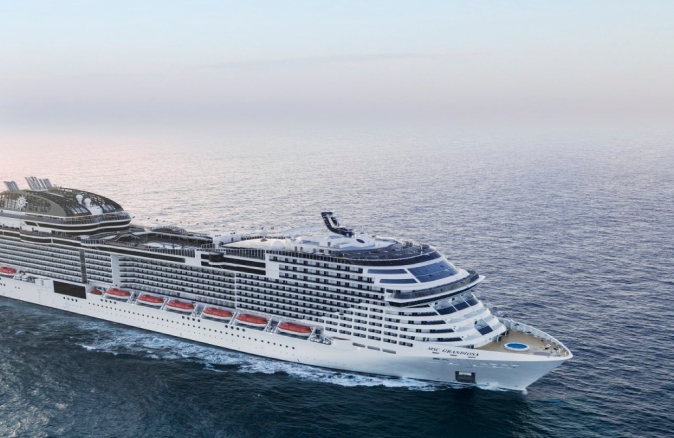
Built 2019
Rome · Mallorca · Barcelona · Madeira · San Juan · Miami
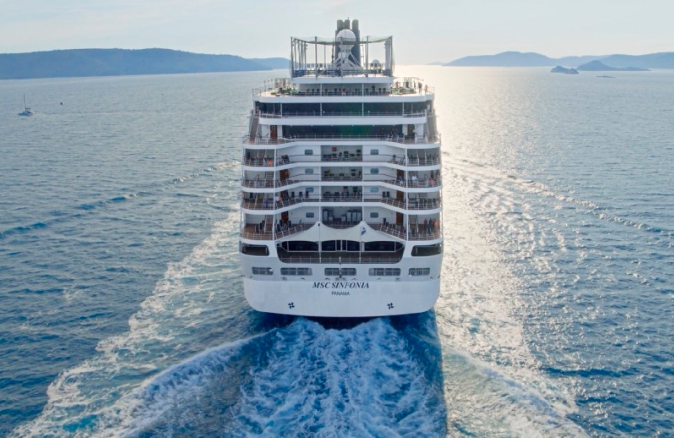
Built 2002
Rome · Valencia · Tarragona
Built 2012
Rome · Genoa · Tarragona · Tenerife · Salvador · Rio
Built 2019
Rome · Mallorca · Barcelona · Madeira · San Juan · Miami · Port Canaveral
This is rewarding but exposed, ruin-heavy sightseeing. Do it because you want the full ancient Rome arc.
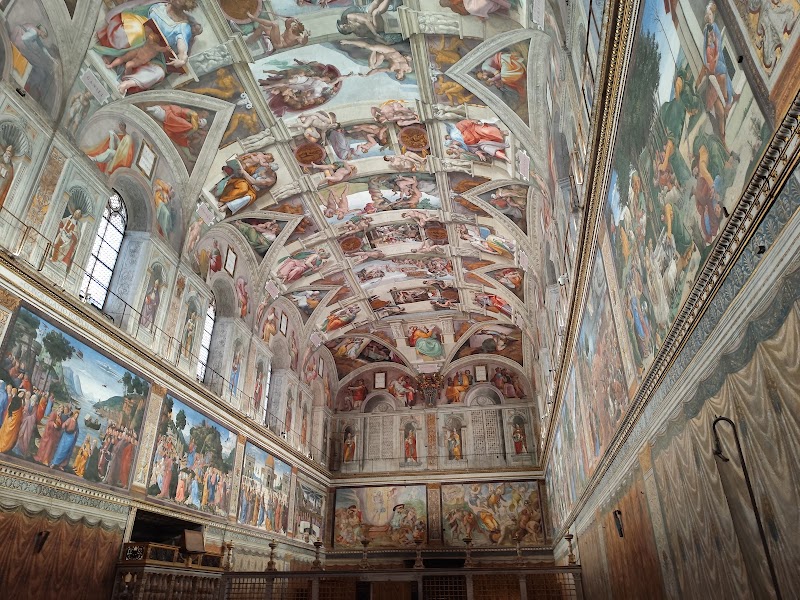
The Vatican Museums and Sistine Chapel are not a casual detour; they are a commitment. Michelangelo's ceiling is the headline, but the experience is really an art marathon, with room after room competing for attention. This is the right choice for travelers who would rather go deep on one world-class interior than bounce between outdoor landmarks. It can define the whole port day, which is not a flaw if you accept it upfront. If your ideal Rome stop includes spiritual intensity, dense art, and a clear destination, this is the lane.
A Vatican-focused day works best when you resist adding too many major sights afterward.
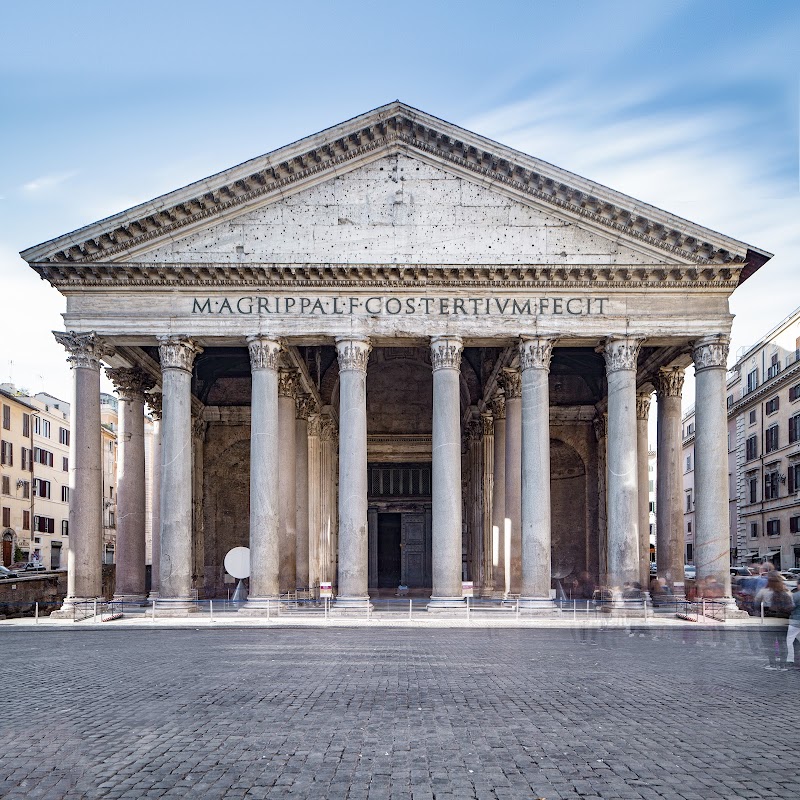
The Pantheon is one of Rome's smartest cruise-day choices because it delivers architectural drama fast. The oculus dome is the whole point: simple, strange, and still futuristic after all these centuries. It suits travelers who want a major ancient site without committing to a long guided circuit or ruin field. Compared with the Colosseum or Vatican Museums, it can feel more concentrated, which is useful when your day is already carrying transfer logistics. Make it a priority if you want Rome's genius in one clean interior hit.
The Pantheon is ideal when you want a major Rome moment without turning the day into an endurance test.
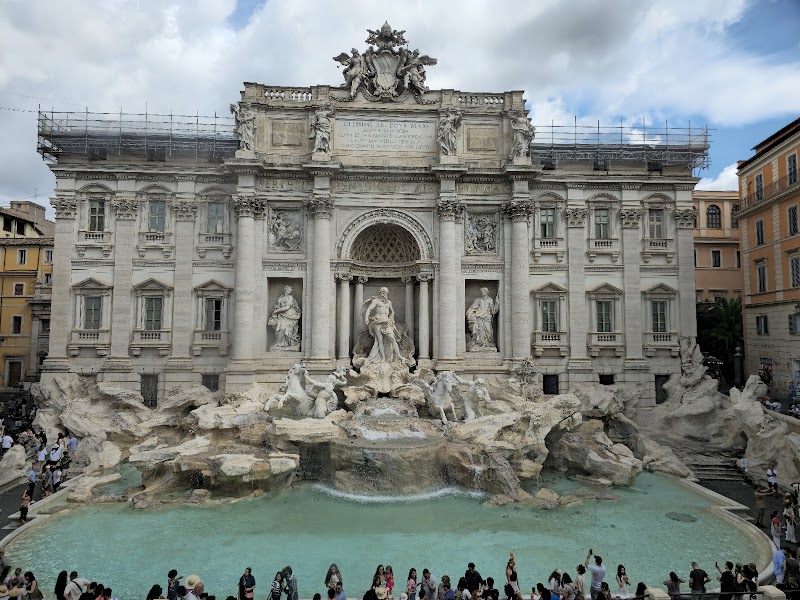
Trevi Fountain is crowded, theatrical, and still hard to dismiss. The Baroque excess works best if you treat it as a quick, vivid scene rather than a place to linger forever. The Spanish Steps fit the same lighter Rome mood: elegant, social, and better for people-watching than for a deep history lesson. Together, this style of day suits travelers who want recognizable Rome with room for wandering, shopping, and piazza energy. It is not the most original plan, but on a first visit, sometimes the famous stuff earns its fame.
Go for the spectacle, get your look, then keep moving before the moment gets flattened by the crush.
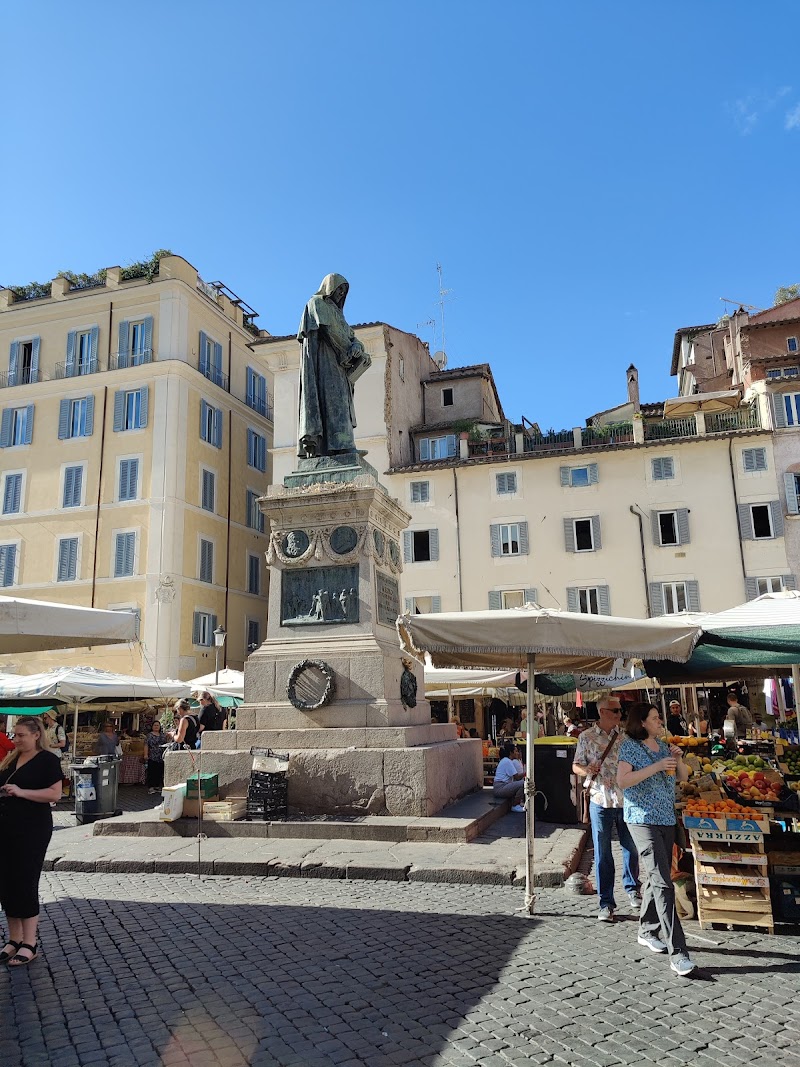
If you have already done the icons, Rome gets better when you stop chasing them. Campo de' Fiori gives you a morning market scene with flowers, produce, street food, and a historic square that feels more lived-in than staged. Trastevere shifts the mood again with ivy-covered alleys and trattorias, especially if your call allows a later wander. This is the plan for repeat visitors, food-motivated travelers, and anyone allergic to spending the whole day in lines. It is softer than the big sights, but often more personal.
Markets and neighborhoods make sense when you want Rome as texture, not just monuments.
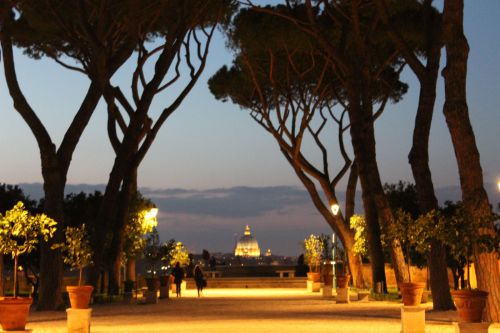
The Aventine Keyhole is not the centerpiece of a cruise day, and that is exactly its appeal. The payoff is a precise framed view of St. Peter's through the Knights' keyhole, a tiny visual trick that feels more like a whispered tip than a monument. It fits travelers who enjoy odd details, photography, and the satisfaction of seeing something beyond the standard loop. Do not force it into an already packed Rome itinerary. Save it for a flexible day when a small, memorable detour sounds better than another major queue.
This is a bonus stop, not a foundation. Add it only if your Rome plan has breathing room.
Ruins of ancient Rome's center with temples and arches. Combo ticket with Colosseum. Imperial history.
Elegant staircase linking piazza to church, great for people-watching. Nearby shopping. Romantic spot.
Morning market with flowers, produce, and street food. Historic square. Lively local vibe.
Charming neighborhood with ivy-covered alleys, trattorias, and no tourists. Evening wander. Authentic Roman life.