GR
Cruises to Athens
Piraeus is the cruise gateway to Athens, where one smart route can turn a port call into temples, street food, hill views, and old-city wandering.
Upcoming visits
397
Best fare
$111 per night
Piraeus is the cruise gateway to Athens, where one smart route can turn a port call into temples, street food, hill views, and old-city wandering.
Find Athens on Google Maps before you plan the port day.
Piraeus is not the Athens of postcards, but it is the port that gets you there. For cruise passengers, the value of this stop is simple: you can build a day around some of the most recognizable ancient sites in the Mediterranean, then soften the edges with tavernas, market grazing, and neighborhood wandering. The catch is that Athens rewards focus. Try to see every ruin and square and you will spend the day in transit mode. Pick a core experience, then add one or two nearby layers that match your energy.
The smartest cruise day here usually starts with a decision: ancient Athens, atmospheric Athens, or a mix of both. First-timers should seriously consider anchoring the day around the Acropolis, then using Plaka or Monastiraki as the reset button afterward. Repeat visitors can skip the obvious circuit and lean into the Ancient Agora, Kerameikos, or Philopappos Hill for a quieter version of the city. Athens is dense with history, but the best port-day version is not academic. It is visual, walkable, snackable, and edited down to what you will actually remember.
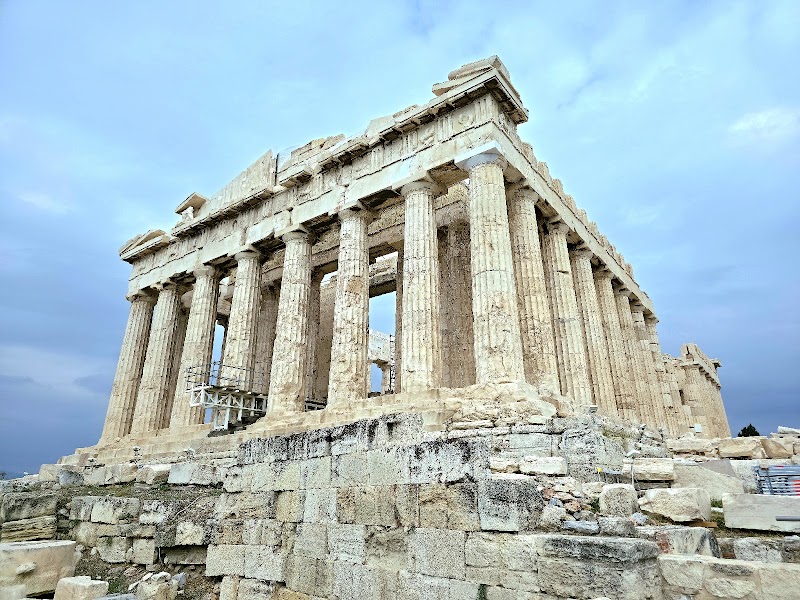
If this is your first Athens call, the Acropolis is the obvious priority for a reason. The Parthenon sitting high on the sacred rock is the image most people came for, and it gives the whole day a clean narrative instead of a scattered list of stops. Treat it as the main event, not a box to tick between rides. The Acropolis Museum is nearby if you want to add context, but do not overload the plan. Pair the site with one atmospheric neighborhood afterward and you will leave with a stronger memory.
First-time visitors, history lovers, and anyone who wants the defining Athens view.
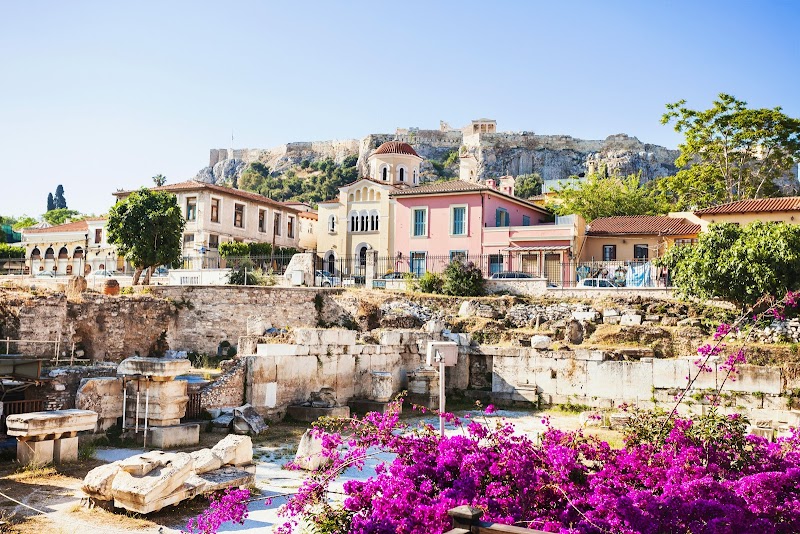
Plaka is where Athens becomes easier to enjoy after the monuments. Its whitewashed alleys, tavernas, souvlaki stops, and the village-like Anafiotika pocket make it ideal for cruise passengers who want texture without needing another formal site. This is not the place to rush with a strict checklist. Wander, eat something simple, look up at the balconies and hillside lanes, and let the day breathe. Plaka works especially well after the Acropolis because it shifts the mood from grand and ancient to lived-in and social.
Whitewashed alleys, tavernas, and Anafiotika village. Souvlaki spots. Atmospheric stroll.
Parthenon atop sacred rock with Parthenon views. Acropolis Museum nearby. Ancient pinnacle.
Massive Corinthian columns by Hadrian's Arch. Stadium nearby. Ruins grandeur.
Bargains, gyros, and Acropolis views. Street food heaven. Bustling bazaar.
Current sailings visiting this port, sorted by the lowest tracked cabin price per night.
Built 2003
Bari · Athens · Ephesus · Istanbul · Corfu
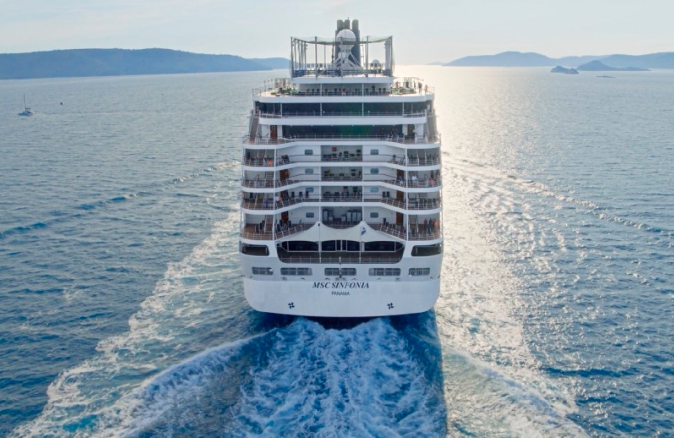
Built 2002
Bari · Athens · Katakolon · Rome · Valencia
Built 2002
Bari · Athens · Katakolon · Rome
Built 2003
Bari · Athens · Ephesus · Istanbul · Corfu
Built 2003
Bari · Athens · Ephesus · Istanbul · Corfu
Built 2003
Bari · Athens · Ephesus · Istanbul · Corfu
Built 2003
Bari · Athens · Ephesus · Istanbul · Corfu
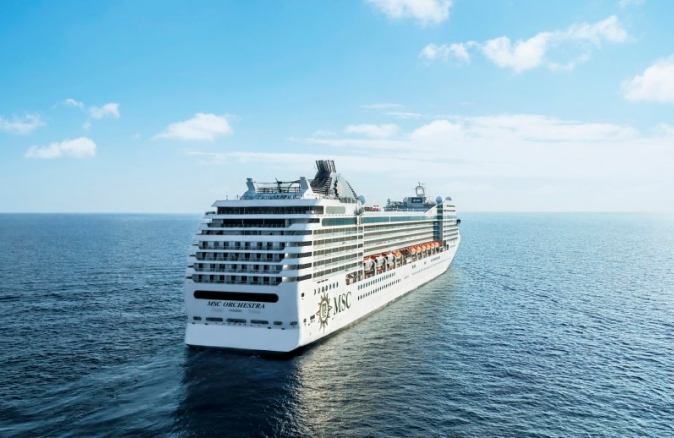
Built 2007
Bari · Athens · Izmir · Istanbul · Corfu
Built 2003
Istanbul · Corfu · Bari · Athens · Ephesus
Built 2007
Istanbul · Corfu · Bari · Athens · Izmir
Built 2003
Bari · Athens · Ephesus · Istanbul · Corfu
Built 2007
Istanbul · Corfu · Bari · Athens · Izmir
You want the Athens atmosphere without committing the entire stop to museums and ruins.
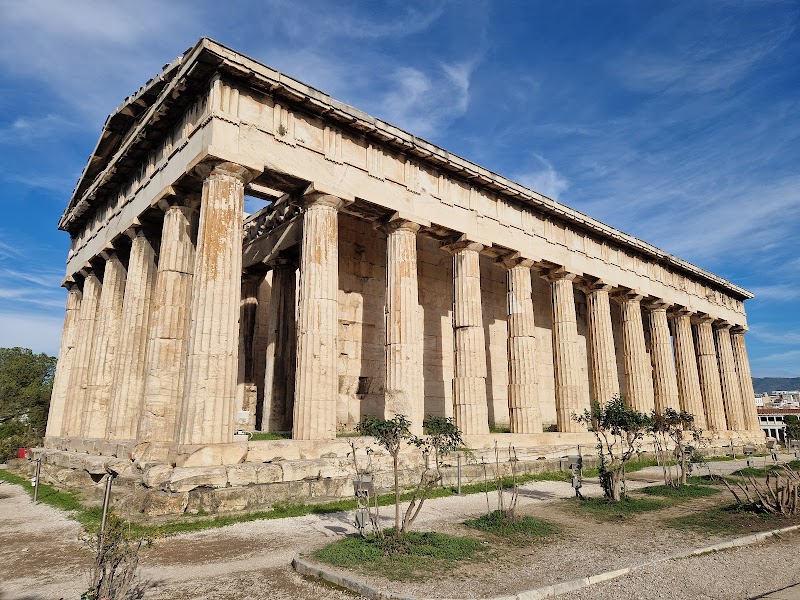
The Ancient Agora is the better choice if you like your ruins with a sense of daily life attached. This was the world of Socrates, civic debate, and public space, with the Temple of Hephaestus and Odeon remains giving the site real visual weight. For cruise passengers, it is a strong second major stop after the Acropolis, but only if you are willing to give it time. If you keep stacking ruins, they blur. If you slow down here, Athens feels less like a postcard and more like a city that argued itself into history.
Curious travelers who want ancient Athens beyond the Parthenon shot.
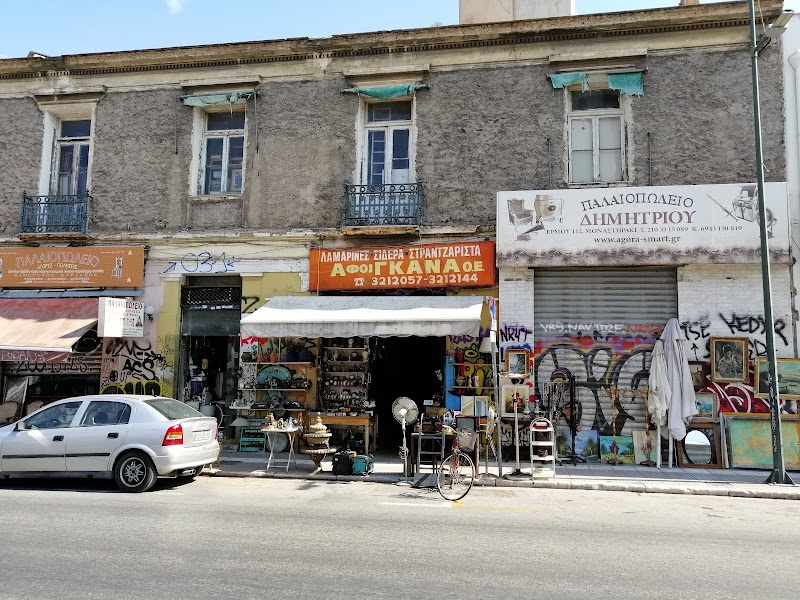
Monastiraki Flea Market is the practical counterweight to a ruin-heavy day. It brings bargains, gyros, busy lanes, and Acropolis views into one compact-feeling experience, which is exactly what a port stop needs when attention spans and timing start to fray. Come here for street food, browsing, and the hit of present-day Athens that monuments cannot provide. It is not the quietest choice, but that is the point. If you want movement, snacks, and a little chaos between historic sites, Monastiraki earns the slot.
Travelers who want food, shopping, and a less polished version of central Athens.
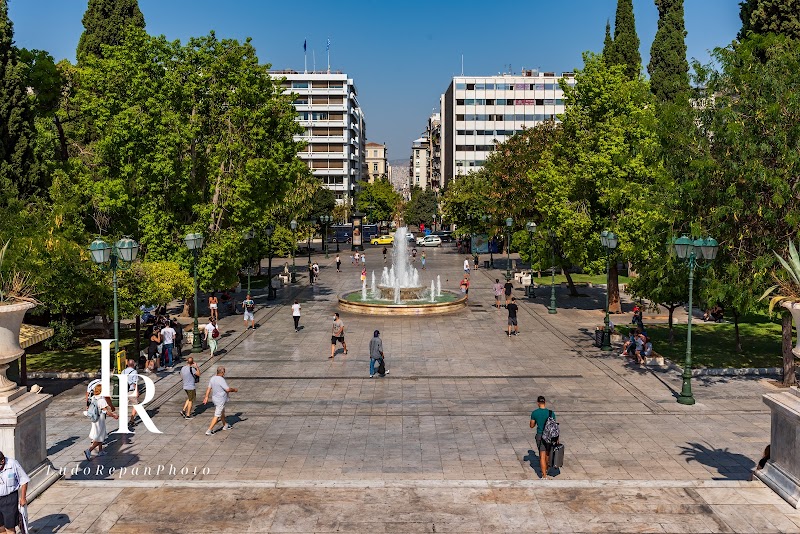
Syntagma Square gives a different read on Athens: less ancient drama, more civic center. The hourly guard change at Parliament makes it an easy timed moment, and the National Gardens next door add a calmer edge to the area. If your route allows, the Temple of Olympian Zeus brings the scale back to antiquity with massive Corinthian columns near Hadrian's Arch, with the stadium also in the area. This pairing is best for travelers who want a structured walk through official Athens without committing to another deep archaeological visit.
You want variety after Plaka or the Acropolis, not another long sit-down stop.
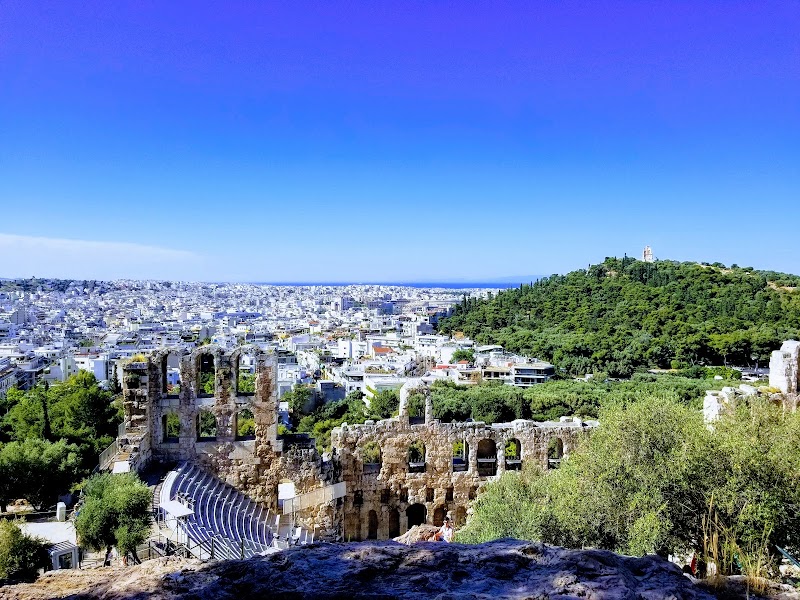
Philopappos Hill is the pick when you want Athens to open up visually. The hike gives you Acropolis views and, when the timing cooperates, a look back toward Piraeus that connects the cruise port to the city you have been exploring. It also has the Prison of Socrates, adding a small historical thread without making the stop feel like another formal site. This is not the move for anyone trying to conserve steps, but for photographers and repeat visitors, it can be more satisfying than one more crowded landmark.
View seekers, photographers, and cruisers who prefer a walk with a payoff.
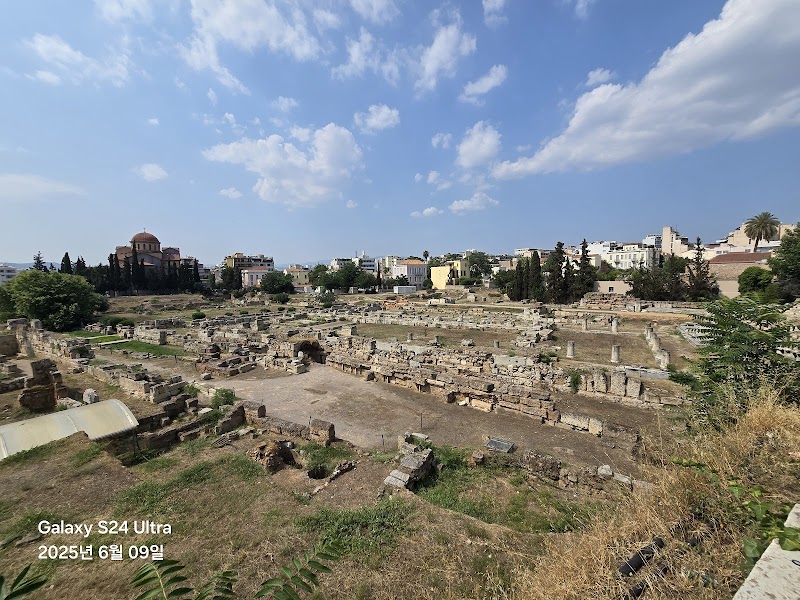
Kerameikos Cemetery is the alternative for travelers who have already done the headline sights or want a pause from the busiest lanes. Ancient graves, pottery shards, walls, gates, and an on-site museum make it feel more archaeological and less performative than the big-name stops. It is not the one place to choose on a first Athens visit unless you are specifically drawn to quieter ruins, but it rewards people who like the edges of a city. Pair it with Monastiraki or the Roman Agora and Tower of Winds for a more off-center day.
Repeat visitors and travelers who like their history quiet, textured, and less obvious.
Parliament guard changing hourly. National Gardens adjacent. Civic center.
Socrates' stomping grounds with Temple of Hephaestus. Odeon ruins. Philosophical site.
Hike for Acropolis/Piraeus sunset views. Prison of Socrates. Hilltop hike.
Ancient graves, pottery shards, walls. Museum on site. Etruscan gates. Necropolis quiet.