IT
Cruises to Naples
Naples is the Mediterranean port for travelers who want an ancient city, an active volcano, and a seriously good lunch in one messy, memorable stop.
Upcoming visits
341
Best fare
$103 per night
Naples is the Mediterranean port for travelers who want an ancient city, an active volcano, and a seriously good lunch in one messy, memorable stop.
Find Naples on Google Maps before you plan the port day.
Naples is not a polished, low-effort port, and that is exactly the point. A cruise day here can swing from the preserved streets of Pompeii to a crater walk on Mount Vesuvius, then back into a city center packed with underground ruins, fortress walls, and pizza culture. The catch is that Naples rewards decisiveness. If you try to stack every famous thing, you will spend the day in transit and lines. Pick the version that fits your energy: archaeology, volcano drama, museum depth, or a food-first wander through the historic core.
For cruise passengers, the strongest Naples plans usually have one anchor and one flexible add-on. Pompeii deserves a guided excursion if you want the buried Roman city to feel legible rather than just impressive. Vesuvius adds physical payoff and bay views, but it is a more strenuous choice. Staying in Naples can be just as satisfying if you lean into the Archaeological Museum, the UNESCO historic center, or the tunnels below the streets. This is not a port to sleepwalk through. It is dense, loud, and unusually good at making a short call feel consequential.
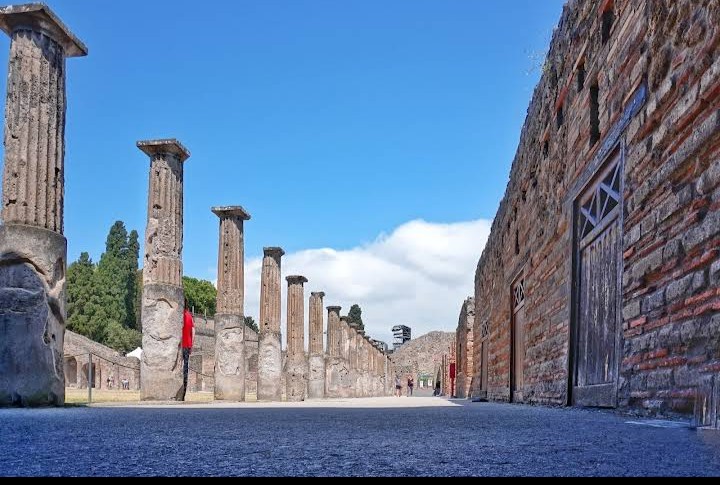
Pompeii is the Naples power move: a preserved Roman city shaped by disaster and still capable of making a cruise stop feel bigger than the day allows. It is also the sight most likely to frustrate do-it-all planners. Treat it as the anchor, not a checkbox. A guided excursion is the smart call because the site needs context; otherwise the streets, ruins, and scale can blur together. Best for first-timers, history obsessives, and anyone who wants the port day to deliver one unforgettable ancient-world hit.
First-timers who want the classic Naples port day.
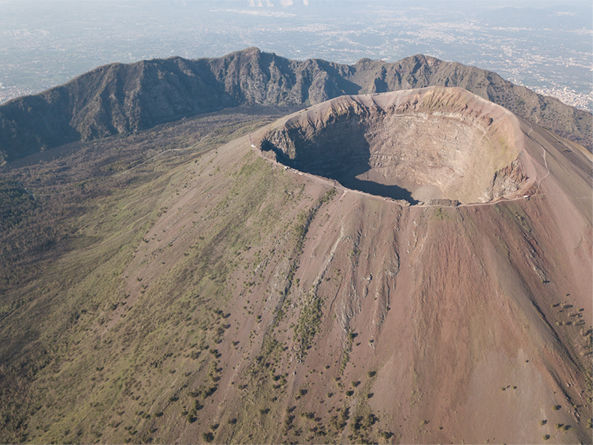
Mount Vesuvius is the dramatic add-on, not the lazy scenic stop. The draw is simple: hike to the crater of an active volcano and look back toward the bay that frames Naples. The tradeoff is effort. This is the pick for travelers who would rather earn the view than spend the day inside museums, and it makes the most sense when you are comfortable with a more physical itinerary. If Pompeii is already your anchor, add Vesuvius only if your timing and stamina leave real breathing room.
Frozen Roman city buried by Vesuvius. Guided excursion essential. Time-capsule wonder.
Hike active volcano crater with bay views. Strenuous add-on. Dramatic summit.
Pompeii artifacts, mosaics, and sculptures. Downtown. Treasure trove.
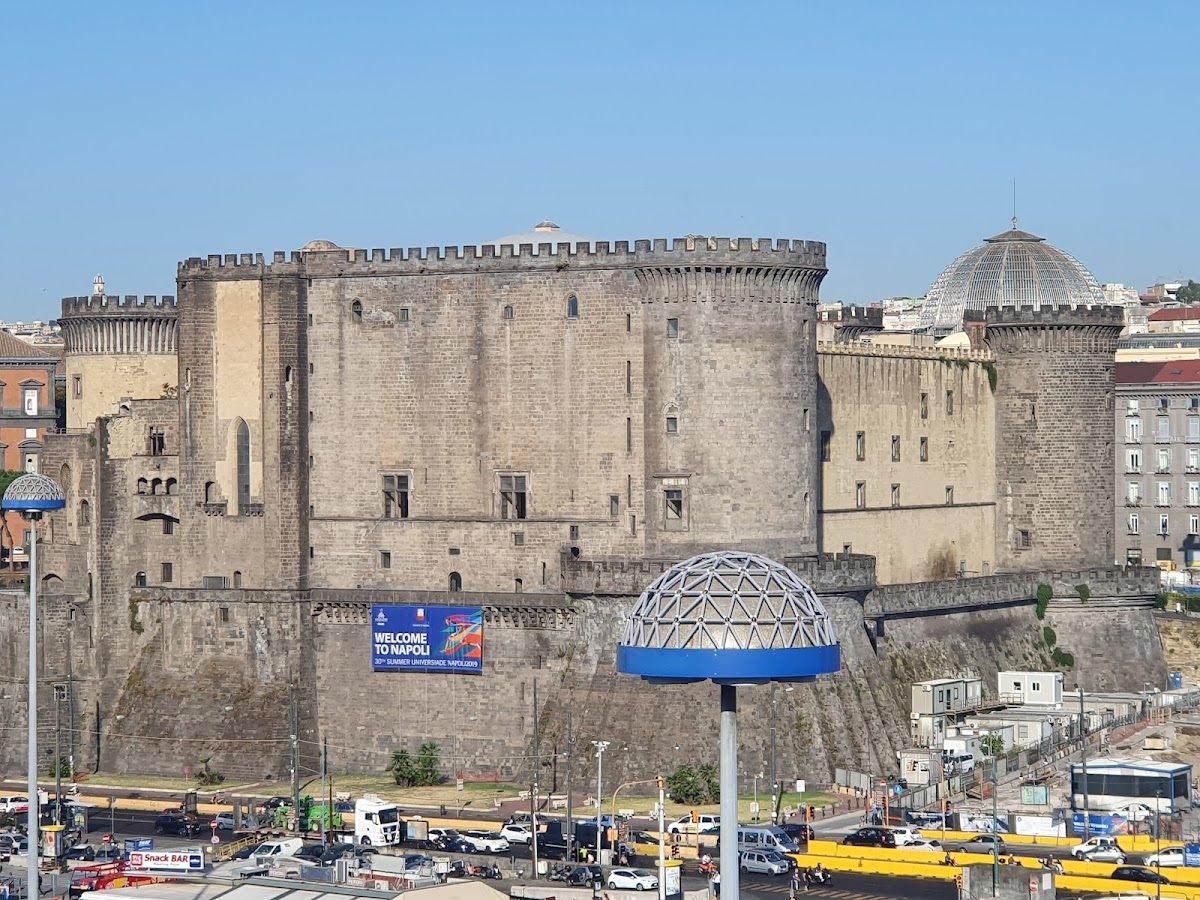
Medieval fortress with triumphal arch. Waterfront. Moated majesty.
Current sailings visiting this port, sorted by the lowest tracked cabin price per night.
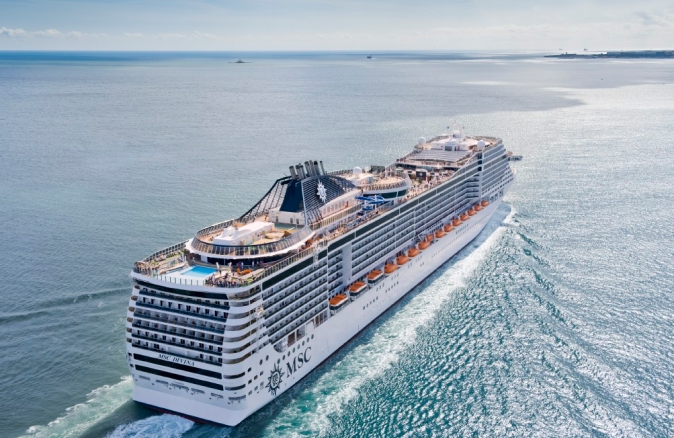
Built 2012
Naples · Rome · Genoa · Tarragona · Tenerife · Salvador · Rio
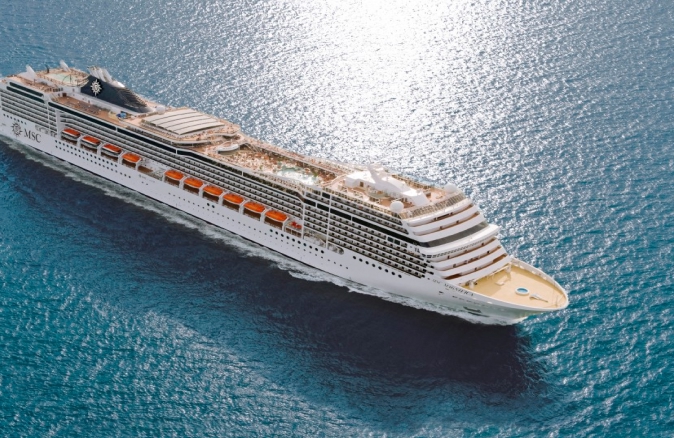
Built 2010
Marseille · Genoa · Naples · Messina · Valletta · Barcelona
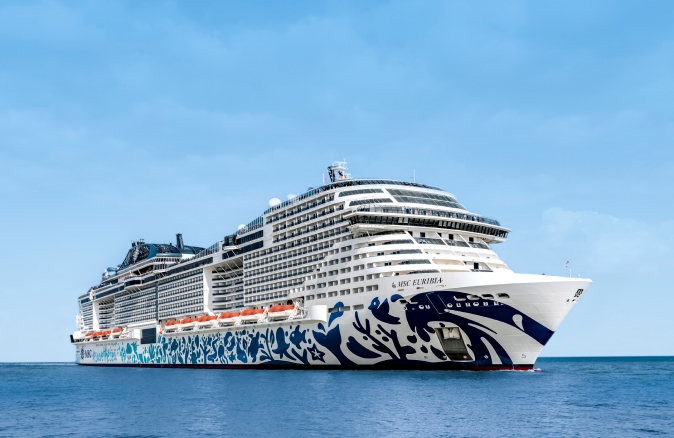
Built 2023
Genoa · Naples · Palermo · La Goulette · Barcelona · Marseille
Built 2012
Naples · Rome · Genoa · Tarragona · Tenerife · Salvador · Rio · Santos
Built 2010
Genoa · Naples · Messina · Valletta · Barcelona
Built 2023
Barcelona · Marseille · Genoa · Naples · Palermo · La Goulette
Built 2023
Marseille · Genoa · Naples · Palermo · La Goulette · Barcelona
Built 2023
Naples · Palermo · La Goulette · Barcelona · Marseille · Genoa
Built 2023
Barcelona · Marseille · Genoa · Naples · Palermo · La Goulette
Built 2010
Barcelona · Marseille · Genoa · Naples · Messina · Valletta
Built 2010
Genoa · Naples · Messina · Valletta · Barcelona · Marseille
Built 2023
Barcelona · Marseille · Genoa · Naples · Palermo · La Goulette
This is the strenuous choice, not a casual photo stop.
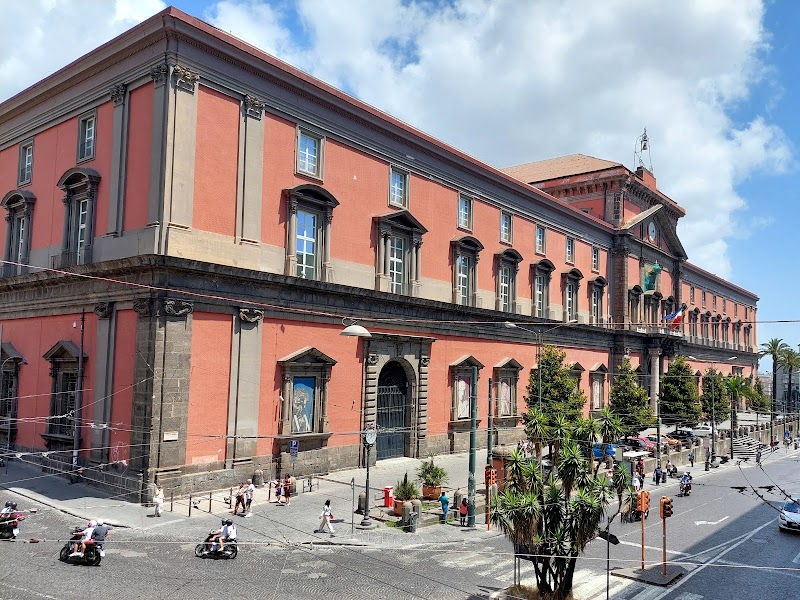
The Naples National Archaeological Museum is the best argument for staying in the city when everyone else bolts for the ruins. Its Pompeii artifacts, mosaics, and sculptures give the buried city a second life, but in a downtown setting that is easier to shape around a shorter call. It fits travelers who like depth without a full-day archaeological site, or anyone who has already seen Pompeii and wants the objects, not just the streets. Pair it with a focused walk nearby rather than rushing off to every landmark.
Museum people, repeat visitors, and archaeology fans short on energy.
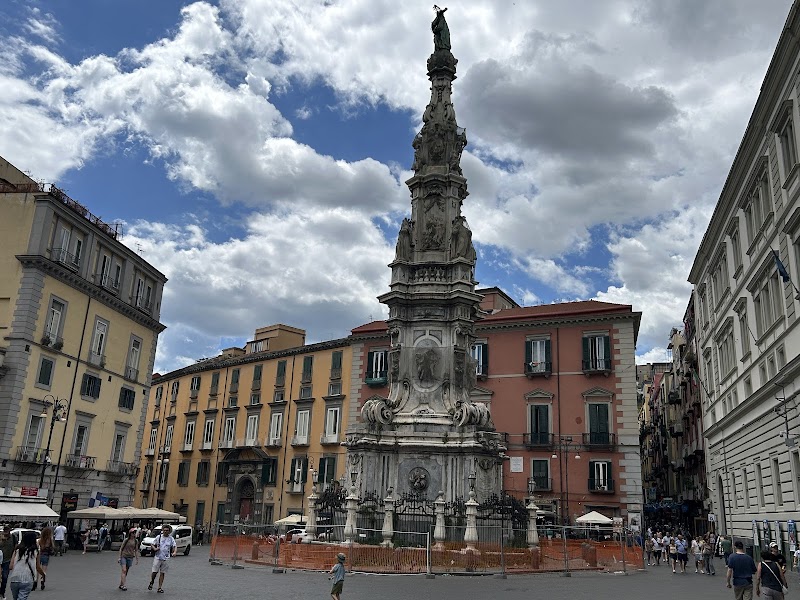
The Historic Center is where Naples stops behaving like a museum label and starts moving at street level. Its UNESCO streets carry the city's pizza origin story, castle layers, and full-volume daily life, so a food tour or self-guided grazing plan can be more rewarding than a checklist of facades. Pizzeria da Michele is the famous margherita pilgrimage, but the line matters on a cruise clock. Go if pizza is the point of your day; otherwise, let the neighborhood be the meal.
Travelers who would rather eat, walk, and watch the city happen.
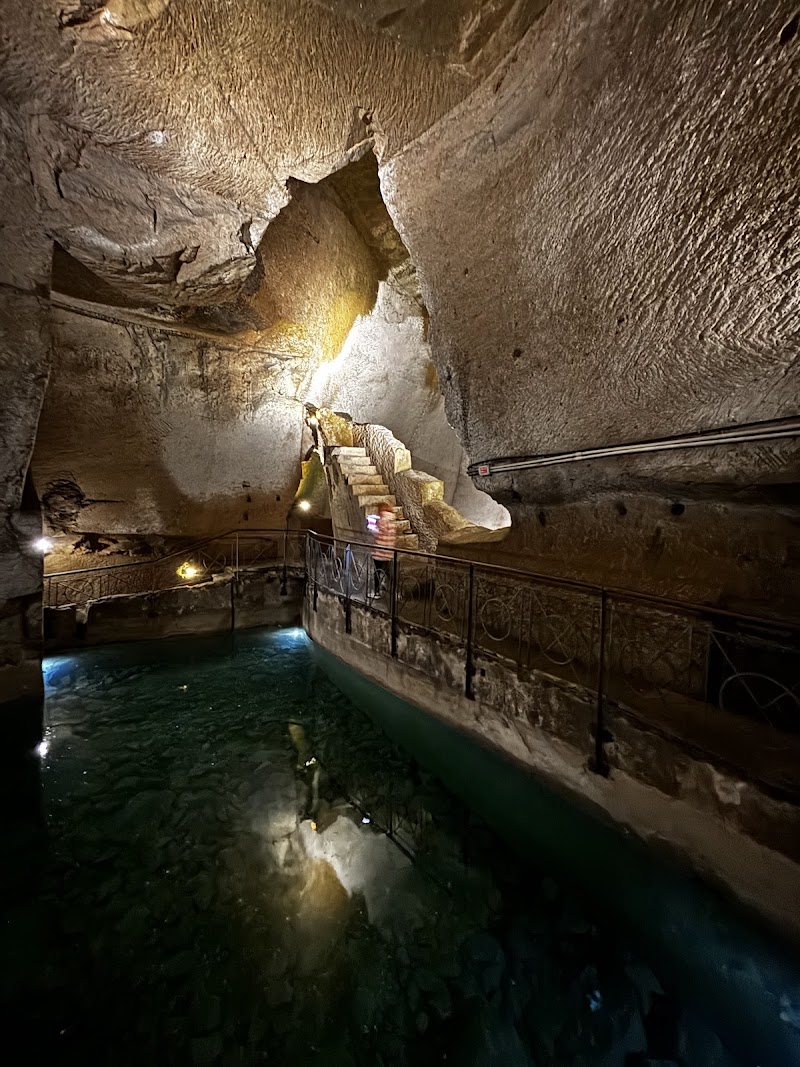
Underground Naples is for travelers who like their history a little weird and enclosed. Beneath the street noise are aqueducts and Greco-Roman remains that flip the city from chaotic to secretive in a few steps. It is a strong choice if you are skipping Pompeii but still want ancient texture, or if you want a sharper contrast to the streets above. The caveat is the setting: tours can feel claustrophobic, so this is not the stop for anyone who hates tight spaces.
Skip this one if enclosed tunnels make you uncomfortable.
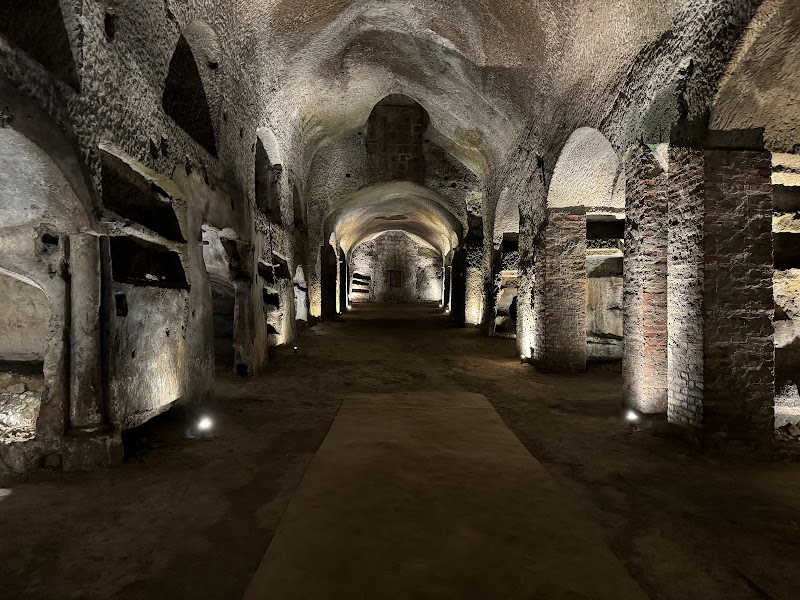
The Catacombs of San Gennaro take Naples in a quieter, darker direction. Early Christian tombs and frescoes give the tunnels a different emotional register from Pompeii or the museum: less blockbuster, more intimate. This is a good fit for repeat visitors, travelers drawn to religious history, or anyone who wants an ancient site without making the whole day about the Roman city buried by Vesuvius. Prioritize it over Underground Naples if frescoes and funerary spaces interest you more than aqueducts and buried infrastructure.
Repeat visitors and travelers interested in early Christian history.
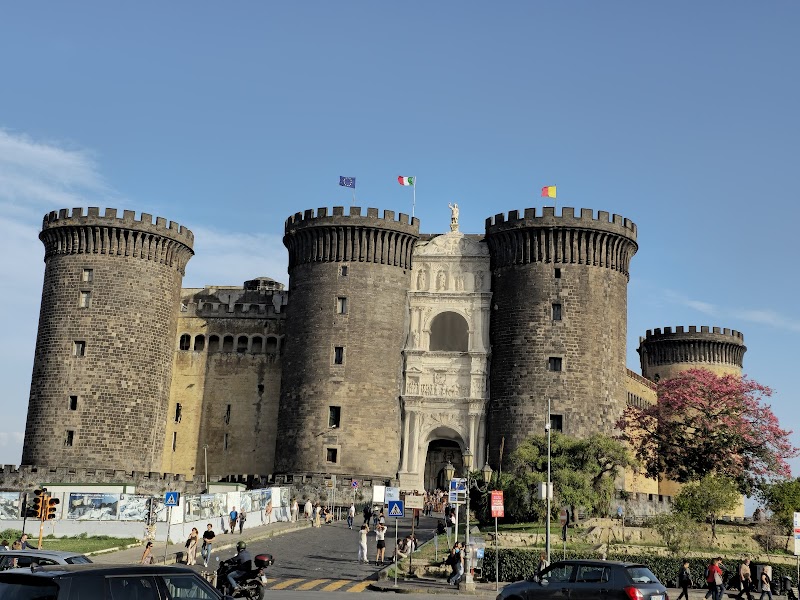
Castel Nuovo is the easy visual reset near the waterfront: a medieval fortress, a triumphal arch, and enough stone drama to make a short city walk feel grounded. It works best as a flexible buffer, not the main event, especially after a museum visit or a historic-center food crawl. If you still have energy, Lungomare Caracciolo shifts the mood to open bay views, Vesuvius on the horizon, and gelato territory. Together they are the low-stress Naples plan for travelers who do not want another bus-heavy excursion.
Use the waterfront for a simpler final stretch before heading back.
UNESCO streets with pizza origins and castles. Street food tour. Chaotic charm.
World's best margherita pizza birthplace. Line up. Culinary pilgrimage.
Aqueducts and Greco-Roman ruins beneath streets. Claustrophobic tour. Secret city.
Early Christian tombs with frescoes. Eerie tunnels. Ancient faith.