GR
Cruises to Thessaloniki
Thessaloniki is a port for travelers who like their history layered, their views earned, and their lunch pulled from a real city market.
Upcoming visits
29
Best fare
$182 per night
Thessaloniki is a port for travelers who like their history layered, their views earned, and their lunch pulled from a real city market.
Find Thessaloniki on Google Maps before you plan the port day.
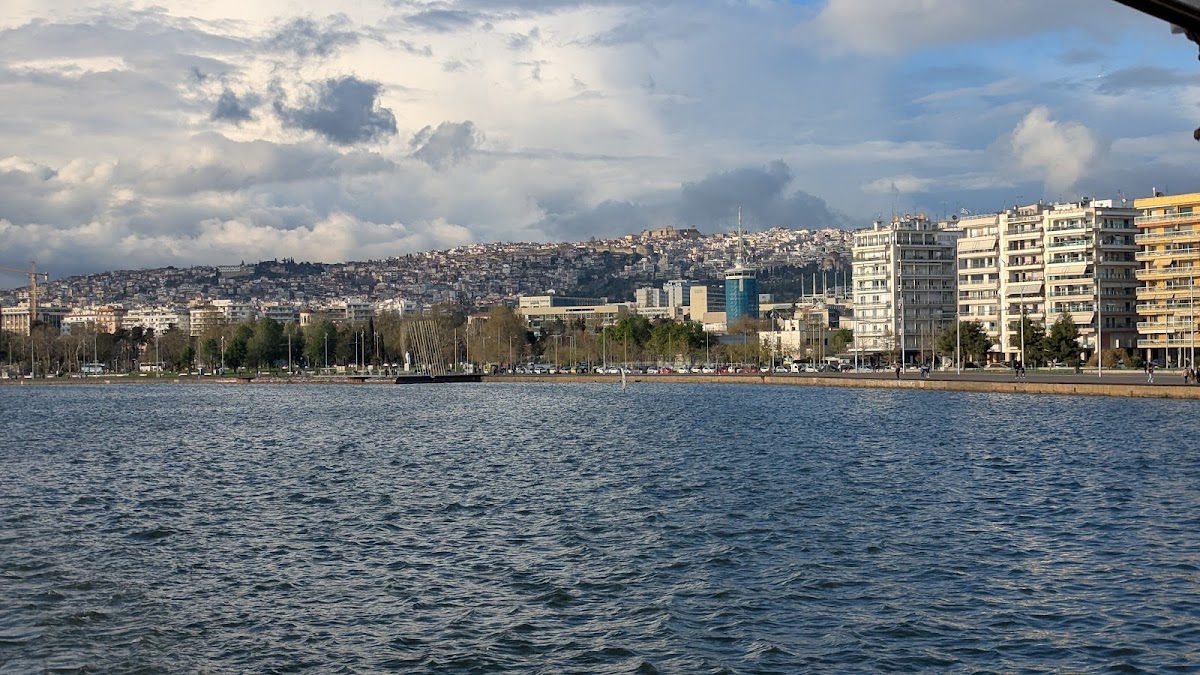
Thessaloniki is not the Greek port that coasts on one postcard view. Its appeal is the stack: Roman monuments in the center, Byzantine walls above the city, Ottoman houses in Ano Poli, a waterfront icon with sea views, and food halls that feel plugged into daily life. For a cruise passenger, that range is the point. You can build a sharp half-day around monuments and market grazing, or go slower with a museum and one neighborhood walk. The city rewards editing more than speed.
The best plan depends on your tolerance for stairs, museums, and unscripted wandering. If you want the cleanest first-timer route, anchor the day at the White Tower, connect the Roman sites, then eat somewhere that is not trying to be a port souvenir stop. If you want the most memorable photos, save time for Ano Poli and its layered skyline views. Thessaloniki works especially well for travelers who prefer a real city over a polished resort call, with enough texture to make even a selective itinerary feel complete.
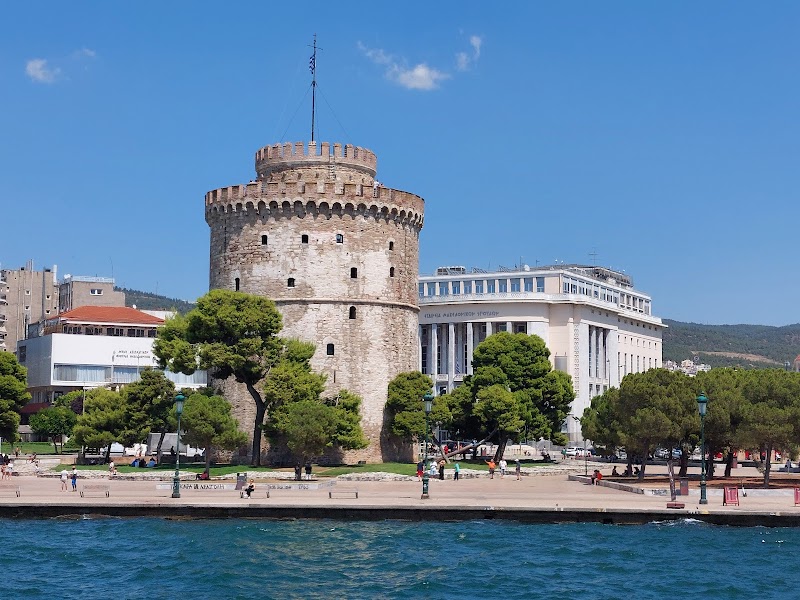
The White Tower is the obvious icon, and in this case obvious is useful. It gives a cruise day a visual anchor: the waterfront, the city edge, and the sea all in one stop. The climb up the spiral stairs adds just enough effort to make the view feel earned, while the museum and exhibit floors give context without turning the morning into a lecture. First-timers should put it high on the list, especially if they want a single image that says Thessaloniki without needing a full-city circuit.
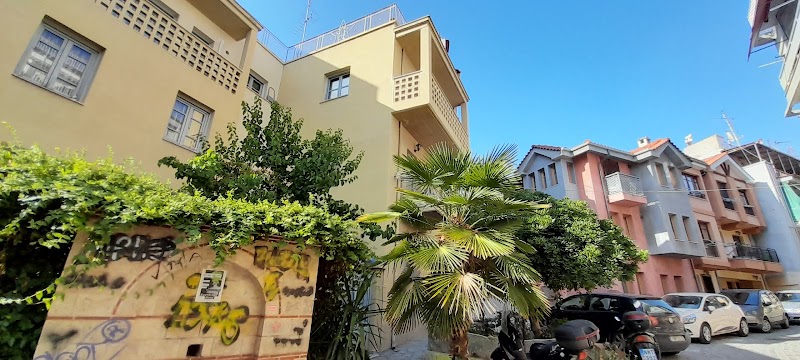
Ano Poli is the pick for travelers who would rather wander than queue. The Upper Town is all layered views, Byzantine walls, old churches, Ottoman houses, and alleys that refuse to behave like a grid. It is also where Thessaloniki starts to feel less like a checklist and more like a lived-in city. Prioritize it if photography, architecture, and atmosphere matter more than covering every museum. If your port day is tight, do not treat Ano Poli as an add-on after everything else; give it enough room to be the point.
Byzantine walls, churches, Ottoman houses with city/panorama views. Labyrinth alleys. Authentic quarter.
Symbol of Thessaloniki with sea views from top museum/exhibit floors. Climb spiral stairs. Waterfront icon.
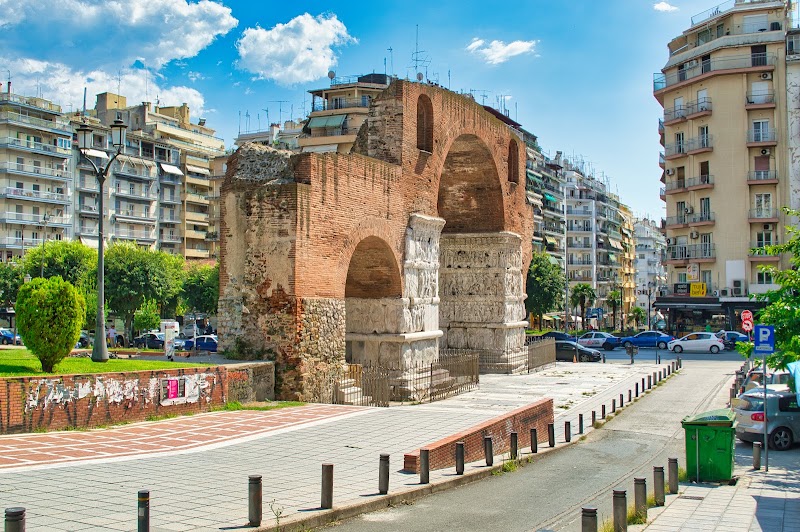
Roman monuments: domed Rotunda (now church) and triumphal arch. Ancient history stroll. Central.
Grand neoclassical plaza for coffee, people-watching, neoclassical buildings. Heart of city life.
Current sailings visiting this port, sorted by the lowest tracked cabin price per night.
Built 2001
Athens · Thessaloniki · Kavala · Ephesus · Heraklion · Rhodes
Built 2001
Athens · Thessaloniki · Kavala · Ephesus · Rhodes · Heraklion
Built 2001
Athens · Thessaloniki · Kavala · Ephesus · Rhodes · Heraklion
Built 2001
Athens · Thessaloniki · Kavala · Ephesus · Heraklion · Rhodes
Built 2001
Athens · Thessaloniki · Istanbul · Santorini · Rhodes · Ephesus · Mykonos
Built 2001
Athens · Thessaloniki · Istanbul · Santorini · Rhodes · Ephesus · Mykonos
Built 2001
Athens · Mykonos · Santorini · Rhodes · Ephesus · Istanbul · Thessaloniki
Built 2001
Athens · Thessaloniki · Rhodes · Ephesus · Santorini · Hydra · Mykonos
Built 2001
Athens · Chania · Rhodes · Ephesus · Santorini · Mykonos · Kavala · Thessaloniki
Built 2001
Athens · Kavala · Thessaloniki · Santorini · Ephesus · Mykonos · Rhodes
Built 2001
Athens · Kavala · Thessaloniki · Santorini · Ephesus · Mykonos · Rhodes
Built 2001
Athens · Thessaloniki · Istanbul · Santorini · Rhodes · Ephesus · Mykonos
The Rotunda and Arch of Galerius are ideal cruise-day history because they are big, old, central, and easy to understand visually. The domed Rotunda, now a church, and the triumphal arch give the city a Roman backbone without requiring a deep academic detour. This is a strong stop for travelers who want ancient history but do not want the whole day swallowed by one site. Pair it with a market stop or the White Tower and you have a compact route that still feels substantial.
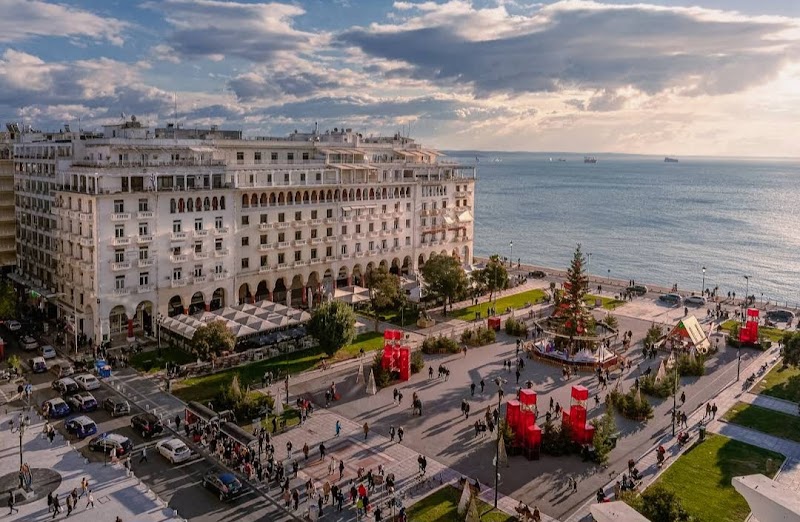
Aristotelous Square is not the deepest sight in Thessaloniki, but it is one of the best places to read the city in real time. The neoclassical buildings, coffee culture, and constant people-watching make it a useful reset between heavier stops. Treat it as a breathing space, not a box to tick. It fits travelers who like the social side of a city: where locals meet, where the pace changes, where a cruise day stops feeling like a sequence of monuments and starts feeling like an afternoon in Greece.
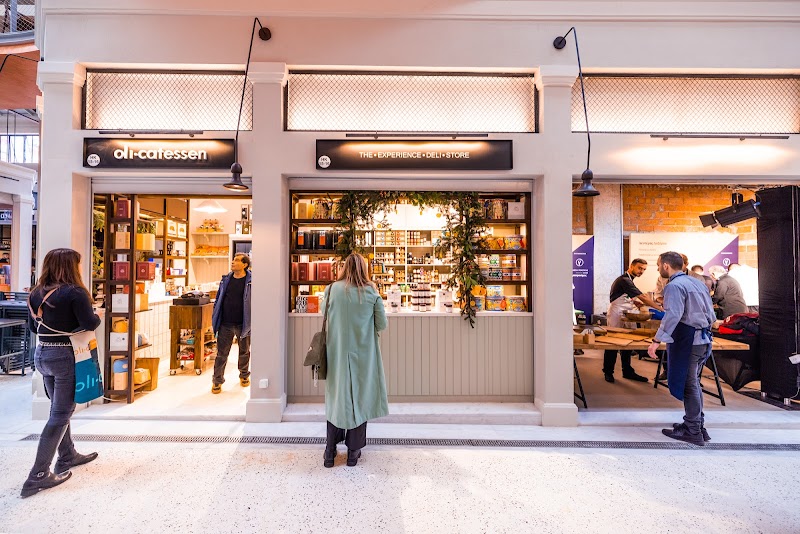
Modiano Market is the antidote to the sad port snack. The covered food hall brings together meats, spices, and bougatsa pastries in a setting that feels sensory and local without needing a formal food tour. It is a smart stop for travelers who want flavor but do not want to gamble the whole day on a long lunch. Work it into the middle of the route, when museum legs or monument fatigue start to set in. Even a short graze here gives the day a more specific Thessaloniki imprint.
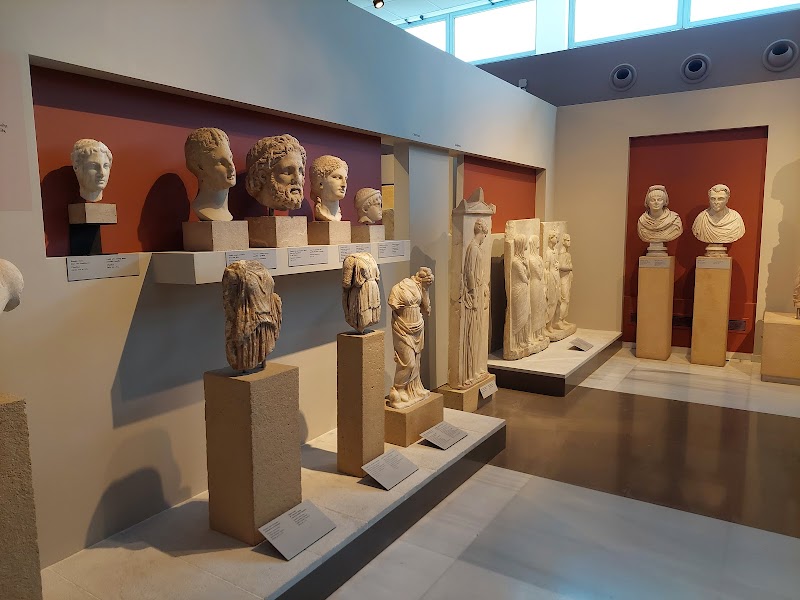
The Archaeological Museum is the right move when you want Thessaloniki to be more than a surface-level city stop. Its collection includes gold treasures from Vergina and Hellenistic art, presented in an airy modern space that makes the visit feel considered rather than cramped. This is not the museum to squeeze in as a guilty afterthought. Give it a real slot if ancient Macedonia, craftsmanship, and quieter looking appeal to you. For history-focused travelers, it can easily become the anchor instead of a backup plan.
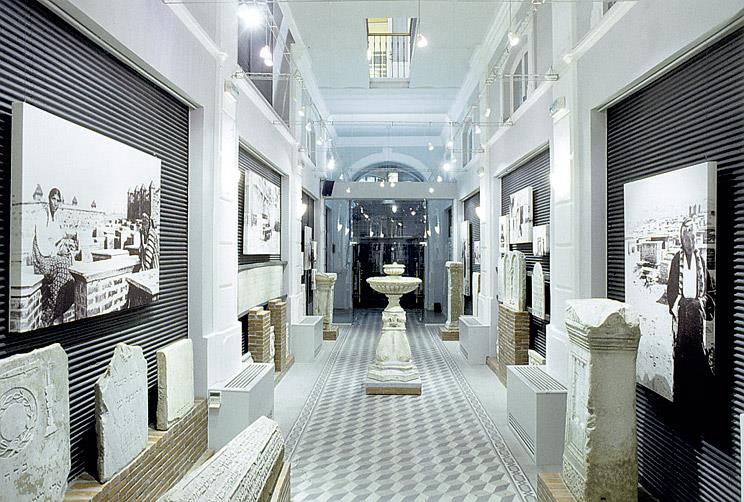
The Jewish Museum of Thessaloniki adds a different kind of weight to the day. Its exhibits trace the city's Sephardic community before World War II, offering a quieter and more personal counterpoint to the grand Roman and Byzantine material elsewhere. It is best for travelers who prefer context over spectacle and are willing to trade one more photo stop for a more layered understanding of the city. If your itinerary already includes plenty of ruins, this museum can make Thessaloniki feel more human and less like a timeline.
Covered food hall with meats, spices, bougatsa pastries. Local eats. Sensory delight.
Gold treasures from Vergina, Hellenistic art. World-class collection. Airy modern space.
Excavated agora baths/theater. Free open site. Downtown history.
Revived warehouse area for tavernas, rebetiko music. Evening meze. Bohemian.