ES
Cruises to Tarragona
Tarragona is a port for travelers who like their Roman history salty, walkable, and broken up with seafood and sea-view pauses.
Upcoming visits
54
Best fare
$73 per night
Tarragona is a port for travelers who like their Roman history salty, walkable, and broken up with seafood and sea-view pauses.
Find Tarragona on Google Maps before you plan the port day.
Tarragona makes a strong case for booking a Mediterranean itinerary because it gives you a port day with an actual point of view. The city is not just a place to stretch your legs between bigger names; it puts Roman stone, sea air, medieval architecture, and harbor food within one manageable frame. The headliner is the Roman Amphitheatre above the water, but the better day is not one-note antiquity. Build the stop around a few strong contrasts: arena, viewpoint, cathedral, market, and, if you are motivated, the aqueduct.
The trick is restraint. Tarragona can tempt you into chasing every ruin and every view, but cruise time rewards a tighter route. Start with the site that feels most specific to the city, then decide whether you want to go deeper into Roman history, move into the old stone drama of the cathedral, or spend the rest of the call grazing and looking at the water. It is a good port for travelers who like culture without a full-day bus marathon, and for anyone who prefers texture over checklist tourism.
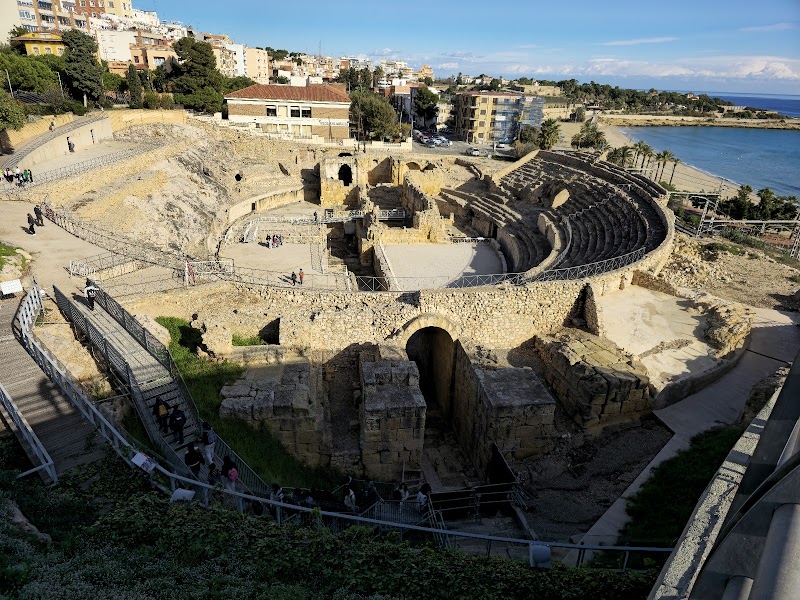
Make the Roman Amphitheatre your first anchor if you want Tarragona to feel instantly different from other Mediterranean calls. The 1st-century arena sits above the water, so the history comes with salt air and open sea views rather than museum hush. For cruise passengers, its biggest advantage is simplicity: it is close to the port and visually legible even on a tight schedule. Go for the stepped stone, the gladiator-era backstory, and the strange drama of an ancient venue facing the blue. If you only do one historic stop, this is the cleanest choice.
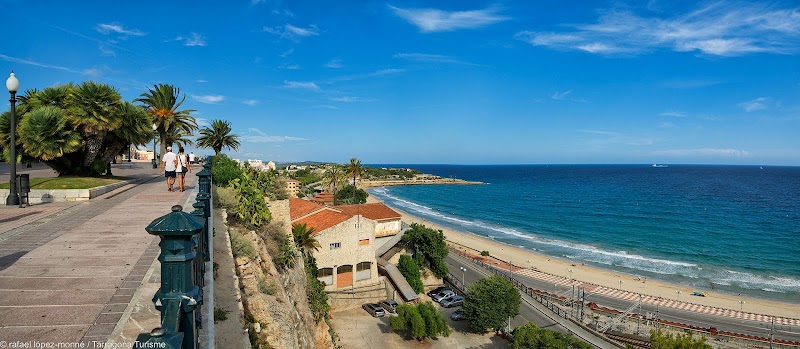
Use the Mediterranean Balcony as your reset point between heavier sights. It is a promenade viewpoint, so the payoff is immediate: city lines, sea horizon, sculptures, gardens, and the kind of photo that explains the stop without needing a caption. It fits travelers who want Tarragona without turning the day into a lecture, and couples or solo wanderers who like a soft pause before moving on. Pair it with Passeig de les Palmeres if your plan needs a slow palm-lined stroll toward the beach instead of another interior stop.
1st-century arena overlooking the sea where gladiators fought. Sea breezes enhance the historic atmosphere. Steps from cruise port.
Massive Roman aqueduct bridge spanning Francolí River valley. Walk under 27 arches. Engineering marvel from afar.
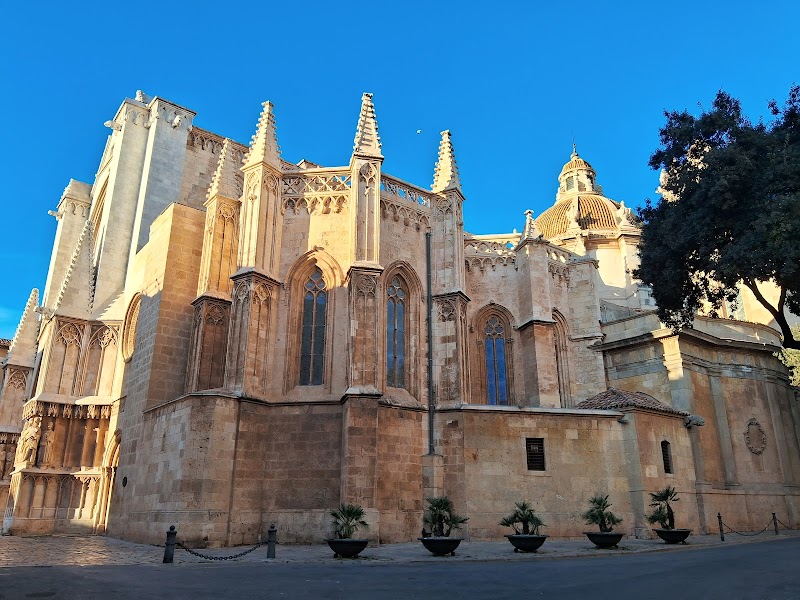
Romanesque-Gothic fortress-church with cloisters and climbable tower for views. Medieval art treasures inside. Imposing Rambla Nova presence.
Promenade viewpoint with panoramic sea and city vistas. Sculptures and gardens frame photos. Romantic spot.
Current sailings visiting this port, sorted by the lowest tracked cabin price per night.
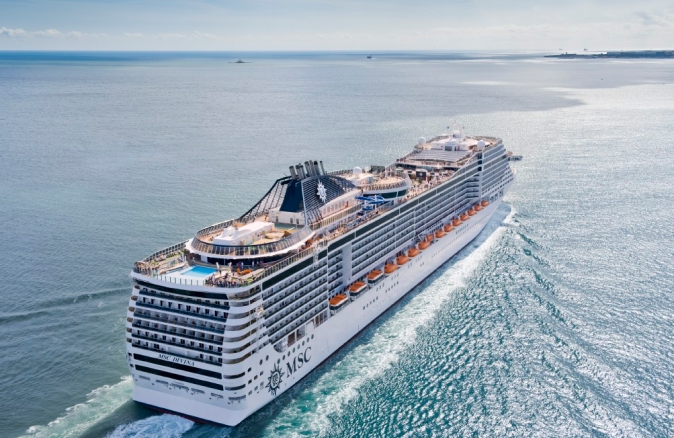
Built 2012
Rome · Genoa · Tarragona · Tenerife · Salvador · Rio · Santos
Built 2012
Genoa · Tarragona · Tenerife · Salvador · Rio · Santos
Built 2012
Rome · Genoa · Tarragona · Tenerife · Salvador
Built 2012
Naples · Rome · Genoa · Tarragona · Tenerife · Salvador · Rio
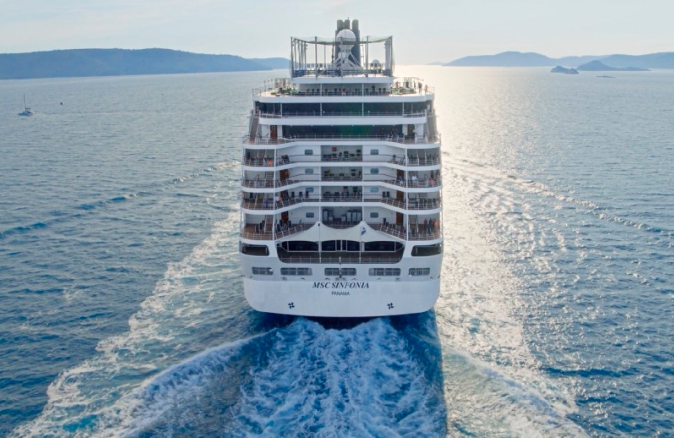
Built 2002
Rome · Valencia · Tarragona
Built 2012
Rome · Genoa · Tarragona · Tenerife · Salvador · Rio
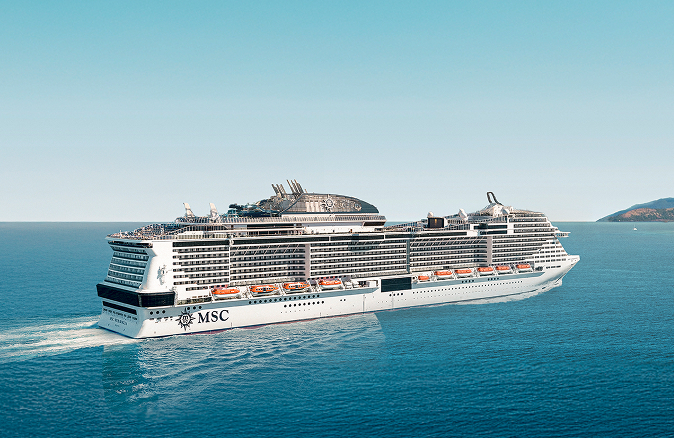
Built 2017
Miami · St. Maarten · Azores · Lisbon · Cádiz · Málaga · Mallorca · Marseille · Tarragona
Built 2012
Naples · Rome · Genoa · Tarragona · Tenerife · Salvador · Rio · Santos
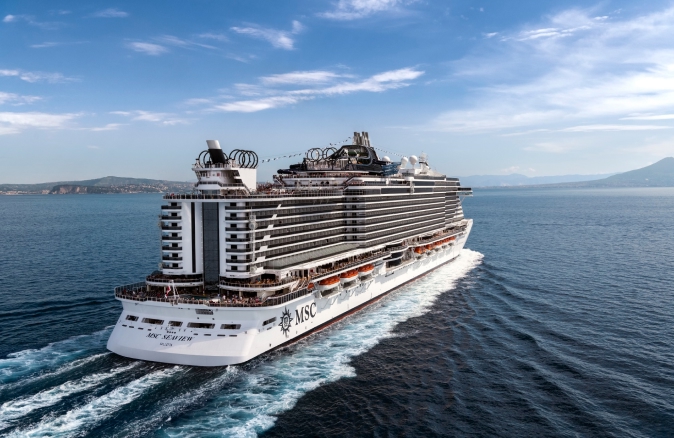
Built 2018
Barcelona · Marseille · Genoa · Rome · Palermo · Ibiza · Tarragona
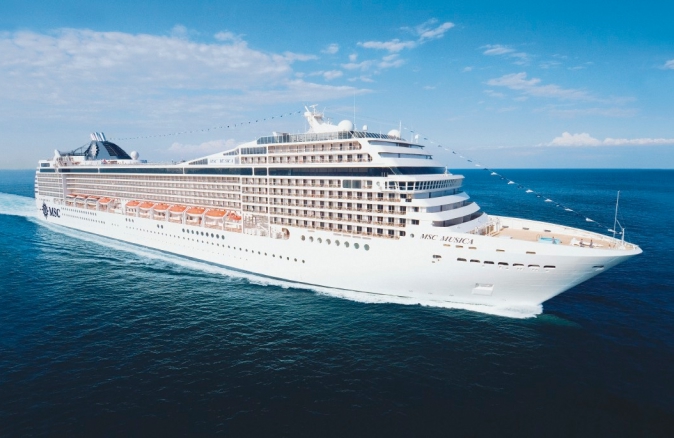
Built 2006
Santos · Rio · Maceió · Gran Canaria · Tarragona · Marseille · Genoa
Built 2012
Rome · Genoa · Tarragona
Built 2006
Rio · Maceió · Gran Canaria · Tarragona · Marseille · Genoa · Rome
Tarragona Cathedral is the stop for travelers who like their history layered rather than neatly sorted. The building reads part fortress, part Romanesque-Gothic church, with cloisters that slow the pace and a tower you can climb for wider views. Inside, medieval art gives the visit texture beyond the facade. It is not the quickest hit on a port day, so treat it as a deliberate choice if architecture, sacred spaces, and old stone matter more to you than squeezing in every overlook and market stop.
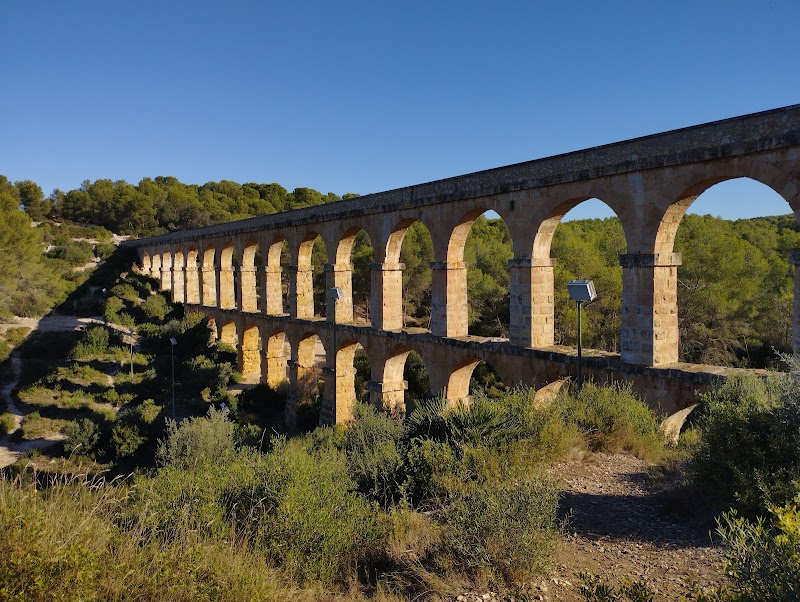
Pont del Diable is where Tarragona's Roman story gets scale. Instead of another fragment behind glass, you get a massive aqueduct bridge thrown across the Francoli River valley, with 27 arches that make the engineering obvious before anyone explains it. It works best for travelers who are willing to build the day around one bigger visual moment rather than stay only in the center. Les Ferreres Aqueduct Ruins add more context at the same site and suit anyone who wants a quieter, picnic-friendly extension after the main view.
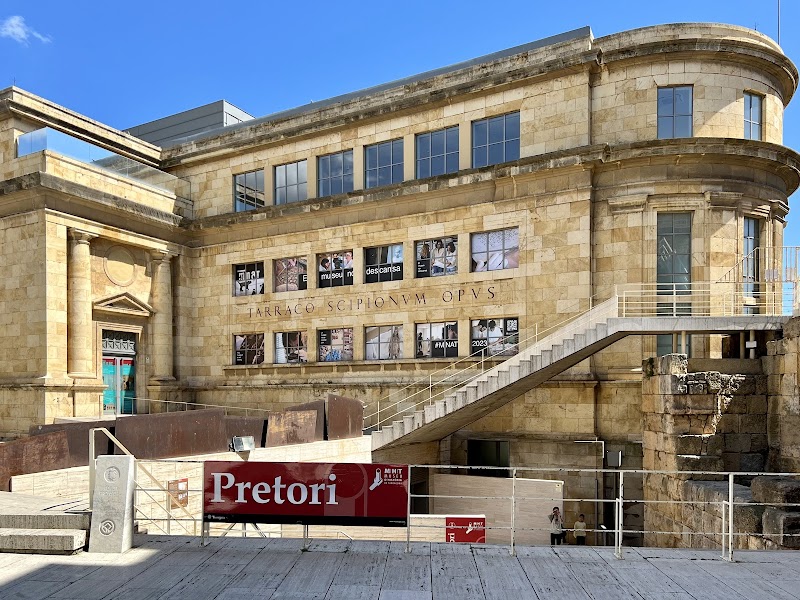
The National Archaeological Museum is the smart second act after the amphitheatre, especially if the ruins leave you wanting names, objects, and context. Its compact exhibits focus on Tarraco through mosaics, sculpture, and other archaeological pieces, which makes it useful without swallowing the whole call. This is the pick for history people who prefer artifacts to viewpoints, or for anyone who needs an indoor break while staying central. Do not treat it as homework; treat it as the place that sharpens what you have already seen outside.
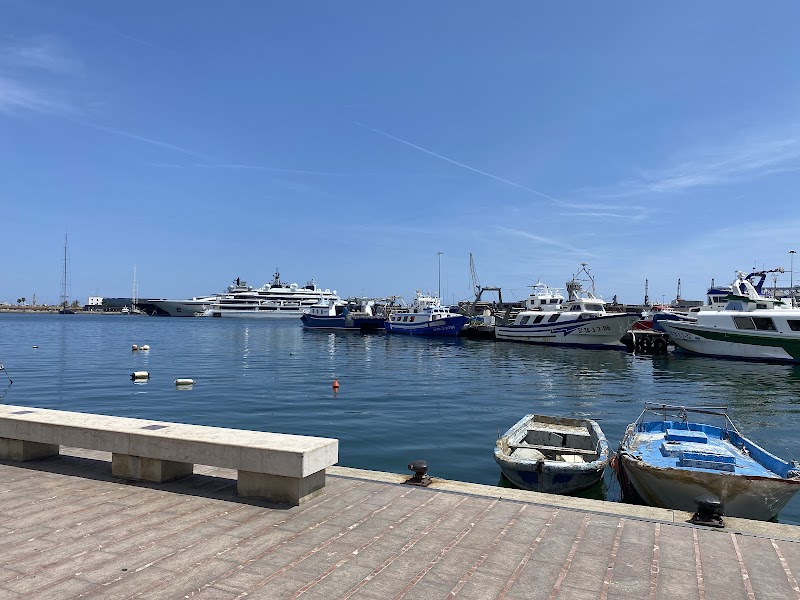
El Serrallo Fishermen's Quarter gives the port day a less archaeological, more edible finish. The appeal is direct: a harbor setting, colorful boats, and tapas bars built around fresh seafood rather than a generic cruise-strip menu. It fits travelers who would rather understand Tarragona through lunch than another monument, and it is especially good after a morning of stone, mosaics, and viewpoints. Keep expectations grounded: this is not a polished theme district. Its value is the lived-in port texture and a meal that feels connected to the water.
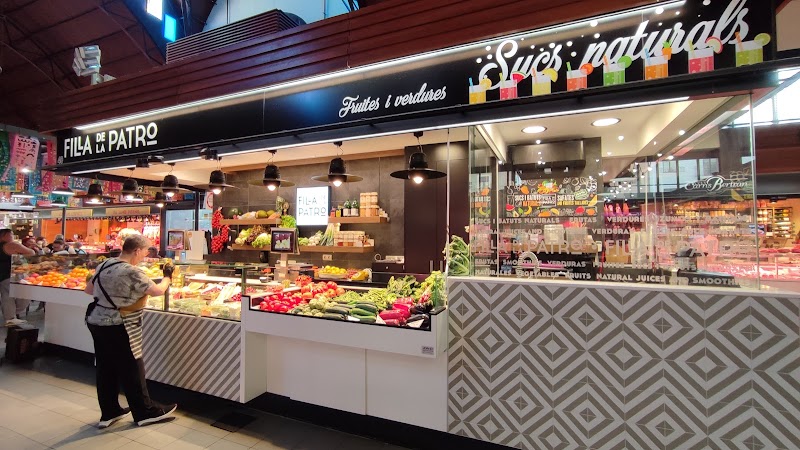
Mercat Central is best early in the day, when a market stop still feels like part of the city's rhythm instead of a snack emergency. Come for Catalan produce, local cheeses, and vermut bars that give you an easy tasting route without committing to a long sit-down meal. It fits curious grazers, design-your-own lunch people, and anyone who wants a break from monuments but not from local texture. If your call is short, this is the flexible choice: browse, sample, leave when the next plan calls.
Artifacts from Tarraco including mosaics and sculptures. Comprehensive Roman history in compact exhibits. Central location.
Authentic harbor with tapas bars serving fresh seafood. Wander colorful boats. Culinary hidden gem.
Neoclassical palm promenade to the beach. People-watch under ficus trees. Leisurely stroll.
Bustling market with Catalan produce and vermut bars. Sample local cheeses. Vibrant morning scene.