
IT
Cruises to Taormina
Taormina packs ancient drama, sharp coastal views, cafe-lined streets, and a pebbly beach into a port day that rewards a focused plan.
Upcoming visits
3
Best fare
$523 per night
Taormina packs ancient drama, sharp coastal views, cafe-lined streets, and a pebbly beach into a port day that rewards a focused plan.
Find Taormina on Google Maps before you plan the port day.
Taormina earns its place on a Mediterranean itinerary with one unusually strong combination: ancient architecture set against views of Mount Etna and the sea. The Greek Theatre is the clear anchor, but the town works best when you leave room for its pedestrian center, cafe tables, and quieter historic corners. Cruise passengers do not need an ambitious checklist here. A focused route through the upper town can deliver the main visual hits while still allowing time for gelato, people-watching, or a pause in the gardens.
The main decision is whether to keep the day centered on Taormina or add one contrasting experience. Isola Bella brings beach time and snorkeling below town, while Castelmola pushes farther uphill for village views and almond wine. Alcantara Gorges is the nature-forward alternative, with basalt canyons and swimming rather than polished streets. Trying to combine every layer risks turning a compact stop into a transfer-heavy sprint. Pick the Greek Theatre plus one supporting lane: town, beach, hilltop village, or gorge.

The Greek Theatre is the sight that justifies choosing a sailing that calls at Taormina. The ancient amphitheater is striking on its own, but the framing does most of the work: stone arches, sea panoramas, and Mount Etna in the distance. It suits history fans, photographers, and anyone who wants one unmistakable image from the day. Treat it as the anchor rather than another box to tick. Once you have seen it properly, the rest of Taormina can unfold at a slower pace.
Build the day around the Greek Theatre, then choose town, beach, or a side trip.

Corso Umberto is Taormina's social spine, a pedestrian street where luxury shops, gelato stops, cafes, and balcony views keep the day moving without a rigid plan. It is ideal for travelers who prefer atmosphere to another formal attraction, and it connects naturally with quick cultural stops nearby. Corvaja Palace adds medieval Arab-Norman architecture, courtyard mosaics, and a museum, while the Duomo offers Norman-Byzantine details, frescoes, and a quieter square. Prioritize the street itself, then add whichever historic interior matches your attention span.
Ancient amphitheater with Etna volcano views and sea panoramas. Summer performances. Taormina's crown jewel.
Pedestrian street lined with luxury shops, gelato, and cafes. People-watch from balconies. Heart of town.
Pebbly beach and nature reserve reached by cable car. Snorkel crystal bays. Beach club access.
Medieval palace with Arab-Norman architecture housing museum. Courtyard mosaics. Central square hub.
Current sailings visiting this port, sorted by the lowest tracked cabin price per night.
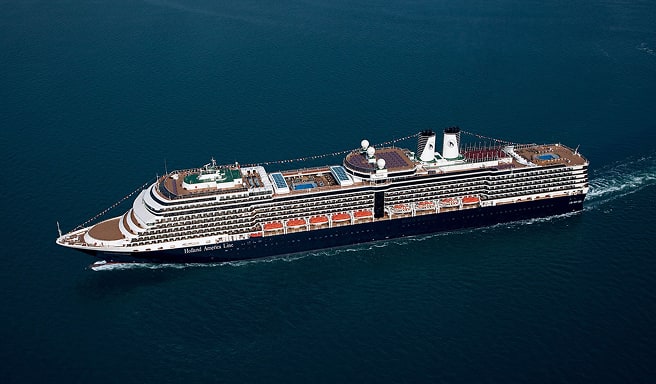
Built 2010
Rome · Florence · Portofino · Marseille · Gibraltar · Barcelona · Villefranche · Naples · Taormina · Chania · Rhodes · Ephesus · Athens
Built 2010
Barcelona · Villefranche · Florence · Rome · Naples · Taormina · Chania · Rhodes · Ephesus · Athens · Istanbul · Mykonos · Katakolon · Sarandë · Dubrovnik · Trieste
Built 2010
Barcelona · Villefranche · Florence · Rome · Naples · Taormina · Chania · Rhodes · Ephesus · Athens
First-time visitors, cafe people, casual shoppers, and anyone avoiding an overplanned day.

Isola Bella is the strongest counterpoint to Taormina's stone streets: a pebbly beach and nature reserve reached by cable car, with clear bays for snorkeling and beach club access. This is the move for swimmers, sun-seekers, and travelers who want the port day to feel less like a sightseeing circuit. The tradeoff is focus. Beach time competes with the upper town, so pair Isola Bella with the Greek Theatre rather than trying to squeeze in every palace, church, and viewpoint as well.
Expect pebbles rather than soft sand, and bring what you need for swimming or snorkeling.

The Public Gardens are a useful pause between Taormina's busier headline stops. Exotic plants, statues, and views toward Etna make the free garden feel visually worthwhile without requiring a long visit or much planning. It works especially well for repeat visitors, photographers, and anyone who needs a quieter interval after Corso Umberto. Do not treat it as a substitute for the Greek Theatre on a first visit, but do prioritize it over another round of shopping if you want greenery, open views, and a calmer rhythm.
The gardens add scenery and breathing room without turning into a major time commitment.

Castelmola changes the scale of the day. The hilltop hamlet sits about a 15-minute bus ride above Taormina, pairing broad views with castle ruins and almond wine tastings. It fits travelers who care more about village atmosphere and elevated panoramas than beach time or museums. The excursion is short enough to consider alongside a focused Taormina visit, but it still adds transport and another layer of timing. Choose it as your one extension, not as an extra squeezed between Isola Bella and the main town.
Pick Castelmola when hilltop atmosphere beats beach time.

Alcantara Gorges offers the most dramatic break from Taormina's polished historic center. The river has cut through basalt to create steep canyon scenery, with opportunities for hiking and swimming. Reached by a bus ride of roughly 20 minutes, it is best for active travelers who would rather explore rock and water than browse shops or linger over cafes. Because it changes both the setting and pace of the day, approach it as a deliberate side trip. Keep the Taormina portion concise, with the Greek Theatre as the priority.
Active travelers seeking basalt canyons, river scenery, hiking, and swimming.
River-carved basalt canyons for hiking/swimming. 20min bus. Dramatic nature.
Hilltop hamlet 15min bus up with almond wine tastings and castle ruins. Epic views. Hidden gem.
Overgrown baroque estate now wild park. Free wander. Secret spot.
Lush oasis with exotic plants, statues, and Etna vistas. Free peaceful retreat. Villa Comunale charm.