IT
Cruises to Siracusa
Siracusa is a high-reward Sicily call if you treat Ortigia as the base and add one knockout ancient site or sea escape.
Upcoming visits
1
Best fare
$388 per night
Siracusa is a high-reward Sicily call if you treat Ortigia as the base and add one knockout ancient site or sea escape.
Find Siracusa on Google Maps before you plan the port day.
Siracusa is not the biggest-name Sicily port for many cruise travelers, which is part of the appeal. The day has a tight, satisfying shape: the historic island of Ortigia for baroque stone, sea edges, piazzas, and the cathedral; then a choice between heavyweight archaeology or blue-water decompression. It is a port for travelers who like texture over spectacle-for-spectacle's-sake, with ancient Greek bones sitting inside everyday Sicilian street life. If your itinerary needs a stop that feels layered without requiring a heroic commute, Siracusa makes a strong case.
The mistake here is trying to turn the day into a checklist. Siracusa rewards a focused route: start with Ortigia, decide whether the Archaeological Park of Neapolis is your non-negotiable, and leave room for a slow pass by the waterfront or a compact museum. History people can go deep without feeling trapped indoors. Photographers get columns, facades, sea bastions, and bright stone. If your ideal port day is beach-first, Plemmirio Marine Reserve gives you a different angle, but for most cruisers, the strongest version of Siracusa is old stones, salt air, and a deliberately unhurried final hour.
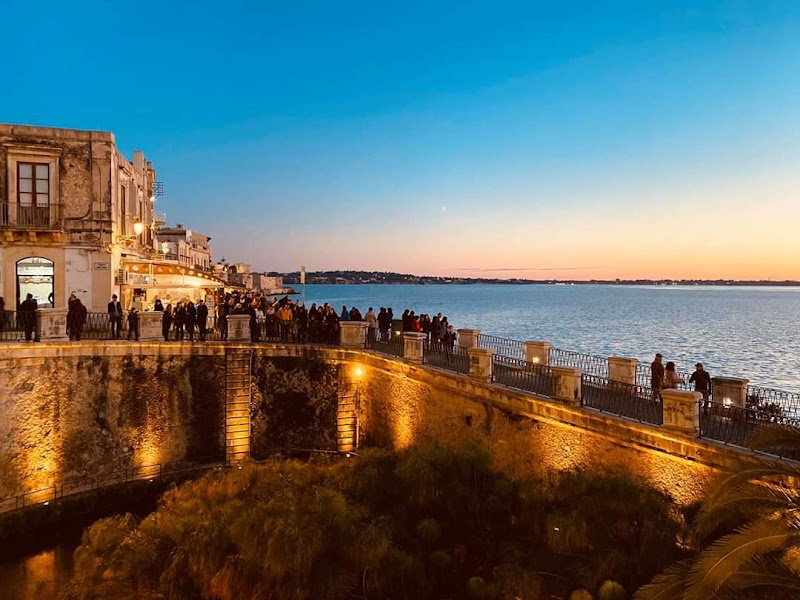
Ortigia Island is the part of Siracusa most cruise passengers should build around. It gives the day instant atmosphere without needing a complicated plan: baroque palaces, lively piazzas, sea views, and lanes that make the city feel older than your itinerary. The Fountain of Arethusa and sea caves add easy punctuation points, but the real value is the rhythm of walking, looking up, and letting the island unfold. This is the best fit for first-timers, photographers, and anyone who wants a port day that feels distinctly Sicilian rather than engineered.
Start with Ortigia, then add one deeper stop instead of chasing every landmark.
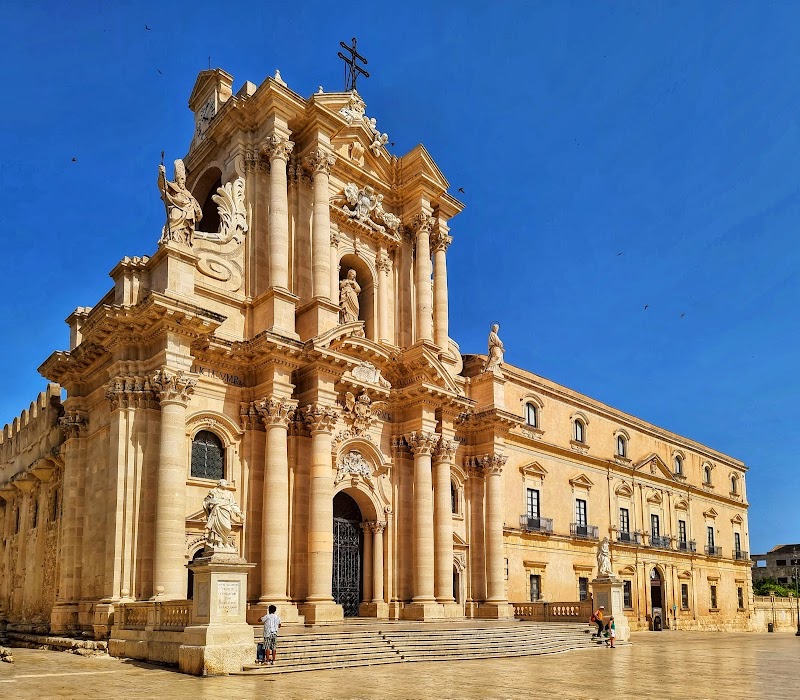
Syracuse Cathedral is not just another pretty church stop. It is built into a Greek temple, then dressed with a baroque facade, which makes it one of the clearest examples of Siracusa's stacked identity. The Caravaggio painting inside gives art-minded travelers another reason to go in rather than just admire the exterior. Because it sits in central Ortigia, the Duomo works even on a tight port call: pair it with a piazza linger and a slow walk toward the water, and you have a high-impact culture stop without burning the whole day.
Marvel at ancient Greek theater, Roman amphitheater, and Ear of Dionysius cave. One of Sicily's best classical sites. Shuttle tours efficient for cruisers.
Admire this stunning cathedral built into a Greek temple with baroque facade. Houses Caravaggio painting. Central Ortigia landmark.
Walk the charming historic island with baroque palaces, sea views, and lively piazzas. Fountain of Arethusa and sea caves accessible. Must-explore heart of Syracuse.
View remains of Sicily's oldest Doric temple on Ortigia. Dramatic columns by the sea. Quick photo stop.
Current sailings visiting this port, sorted by the lowest tracked cabin price per night.
The appeal is the contrast: ancient temple structure, baroque face, and major art under one roof.
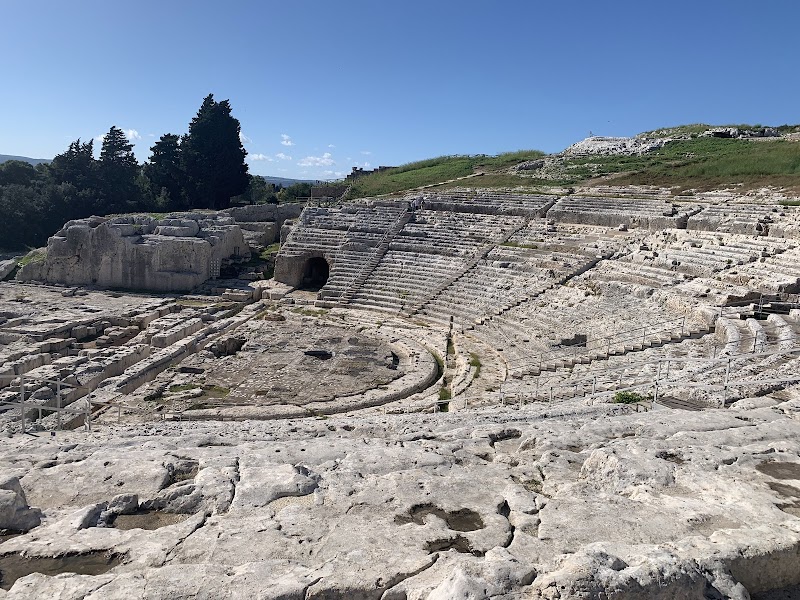
The Archaeological Park of Neapolis is the heavyweight choice for travelers who want Siracusa at its most classical. The ancient Greek theater, Roman amphitheater, and Ear of Dionysius cave make this feel less like a single monument and more like a concentrated survey of the city's deep past. It is especially worth prioritizing if your Mediterranean itinerary is light on Greek and Roman sites. Shuttle tours can be efficient for cruisers, which matters because the park is the kind of stop that deserves attention, not a rushed glance between photo ops.
If you only add one major site beyond Ortigia, make it Neapolis.
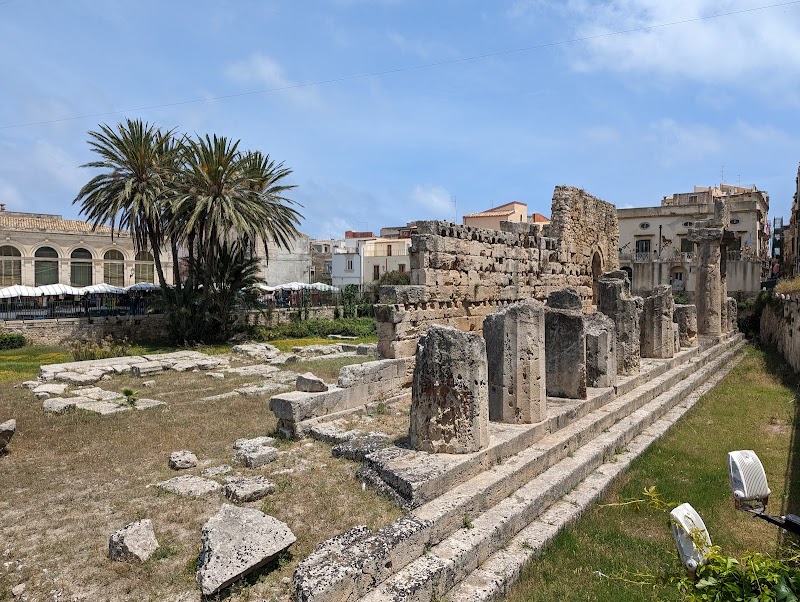
The Temple of Apollo is a quick hit, and that is exactly why it works on a cruise day. The remains of Sicily's oldest Doric temple sit on Ortigia, with columns that bring the ancient city into the open air rather than locking it behind a museum door. Do not make this the centerpiece unless you are especially into archaeology; use it as a visual reset while moving through the island. It is ideal for travelers who want ancient texture without committing to the fuller Neapolis experience.
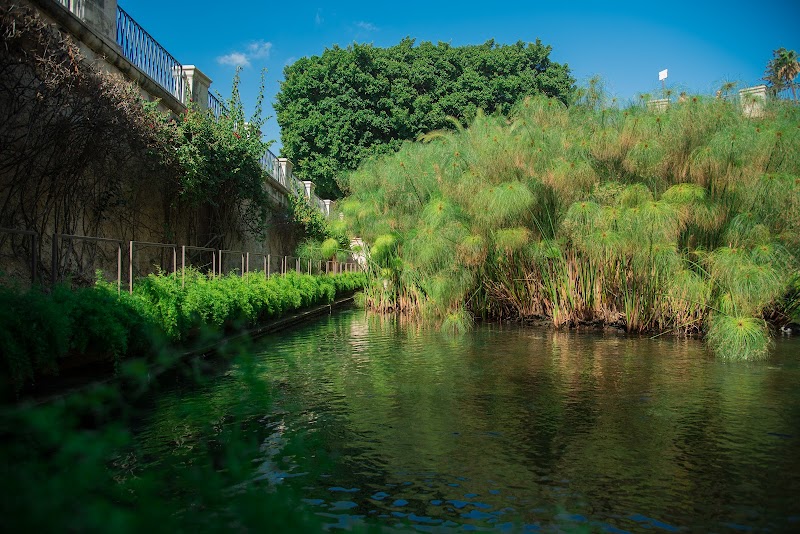
Fontana Aretusa is small, specific, and quietly memorable: a freshwater spring with papyrus reeds on Ortigia, wrapped in local myth and everyday calm. It is not a blockbuster sight, and that is the point. After the Duomo or a denser archaeology stop, it gives the day a softer edge. This is a good pause for travelers who like details, legends, and places that make a city feel lived-in. Pair it with a waterfront walk rather than treating it as a standalone mission.
Use the fountain as a pause between bigger stops, not as the whole plan.
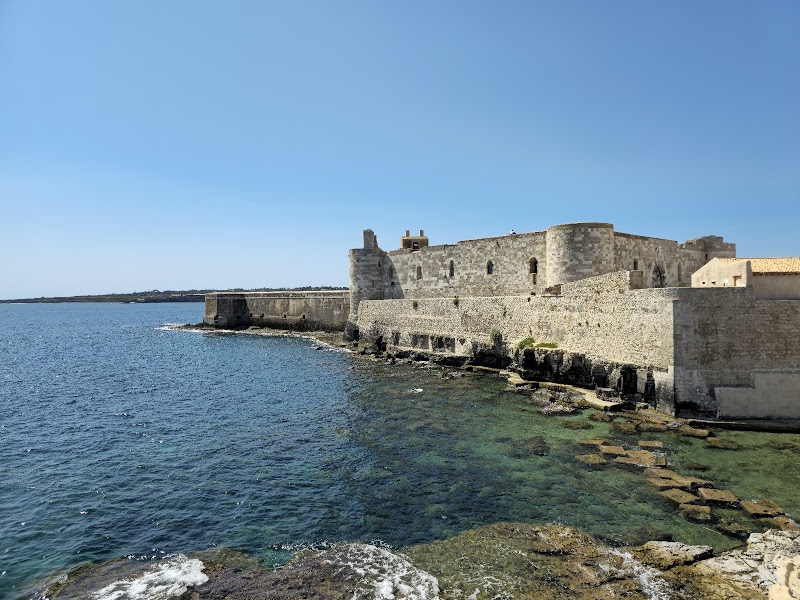
Castello Maniace sits at Ortigia's tip, which makes it a strong choice when you want sea views with structure, not just another promenade. The Swabian fortress and its bastions give the island a harder, more cinematic edge, and the visit is compact enough to fit around other Ortigia stops. If timing lines up, the views can be especially rewarding late in the day. Choose it if you like forts, waterfront photos, or the feeling of reaching the end of the map before turning back toward the ship.
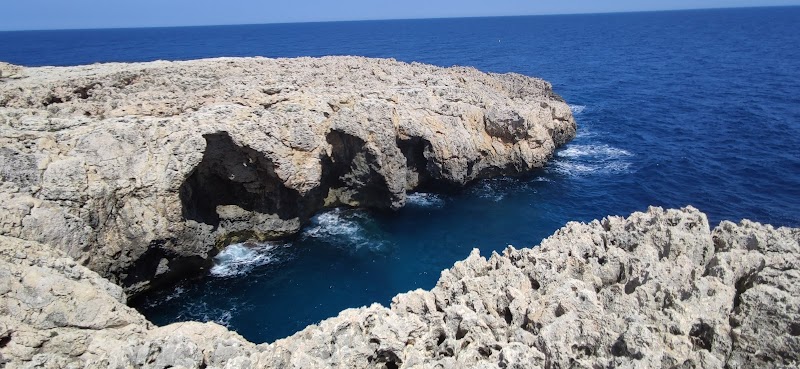
Plemmirio Marine Reserve is the alternate Siracusa day for travelers who would rather be in the water than studying stone. Snorkeling, boat time, clear water, marine life, and nearby underwater caves make it the natural pick for a lighter, more outdoorsy port call. The tradeoff is focus: choosing Plemmirio means you are probably not doing the fullest Ortigia-plus-ruins circuit. That is not a loss if your itinerary already has plenty of churches and ancient sites. It is the reset button version of Siracusa.
Pick Plemmirio if snorkeling or a boat day matters more than stacking historic sights.
Mythical freshwater spring amid papyrus reeds on Ortigia. Ducks and legends abound. Serene spot for reflection.
Explore Swabian castle at Ortigia's tip with sea bastions. Sunset views spectacular. Compact fortress visit.
Snorkel or boat in crystal-clear waters teeming with marine life. Underwater caves nearby. Relaxing beach option.
Art gallery with medieval Sicilian paintings in a Gothic palace. Hidden gem for culture lovers. Quiet Ortigia retreat.