IT
Cruises to Ravenna
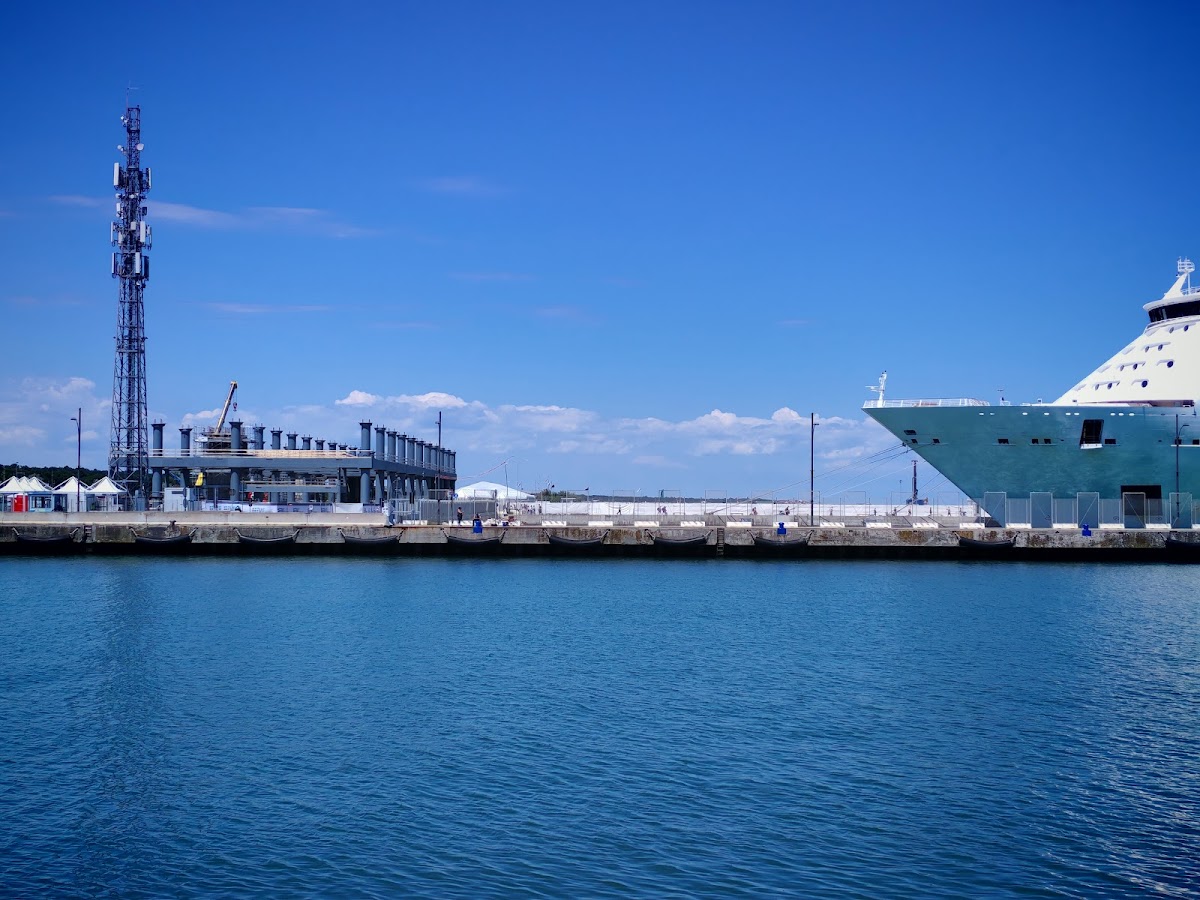
Ravenna is a port for travelers who would rather chase gold mosaics and literary ghosts than burn the day on a checklist.
Upcoming visits
37
Best fare
$241 per night
Ravenna is a port for travelers who would rather chase gold mosaics and literary ghosts than burn the day on a checklist.
Find Ravenna on Google Maps before you plan the port day.
Ravenna is not the loudest Mediterranean port, which is exactly the point. The payoff here is indoor drama: small chapels that feel cosmic, basilicas lined with gold, and a city narrative that jumps from Byzantine power to Dante in exile. For cruise passengers, the smartest day is not a grand sweep of everything labeled historic. It is a tight mosaic route with one or two side quests, chosen by attention span. If you like art that looks better in person than on a screen, Ravenna can quietly become the port you keep talking about later.
The usual trap is treating the mosaics like interchangeable church interiors. They are not. San Vitale is the big statement, Galla Placidia is the intimate knockout, Sant'Apollinare Nuovo gives you the processional sweep, and the Neonian Baptistery packs its impact into a compact dome. Add Dante's tomb if literature matters, or save energy for a calmer art or library stop. Ravenna rewards people who move deliberately, look up often, and leave space between sites instead of turning the day into a blur of glittering ceilings.
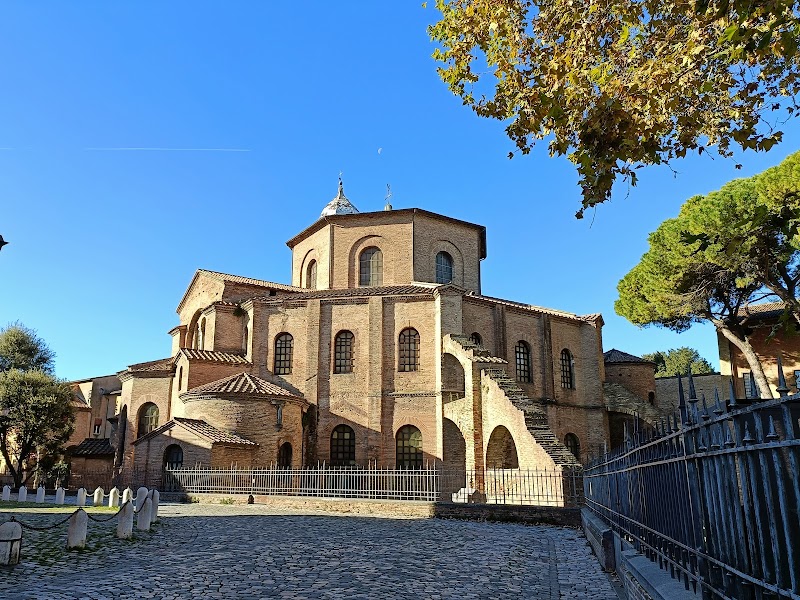
Make Basilica di San Vitale the anchor if you have any interest in why Ravenna matters. The 6th-century church delivers the big Byzantine hit, especially the mosaics tied to Justinian and Theodora, and the scale feels substantial enough to justify planning around it. Audio guides make it friendlier for cruise passengers who want context without joining a slow-moving lecture. This is the stop for art-first travelers, history people, and anyone who prefers one unforgettable interior over a scattered list of minor sights.
Art-first travelers who want Ravenna's main Byzantine statement.
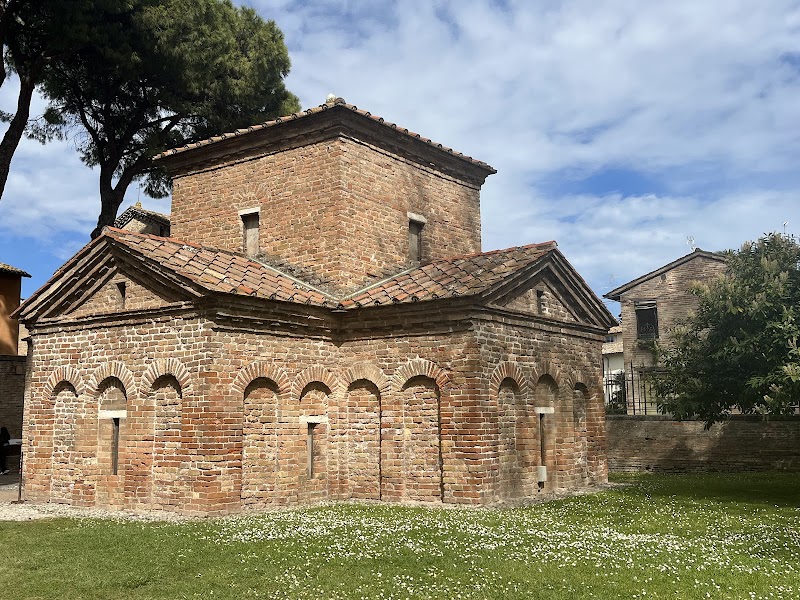
Do not skip the Mausoleum of Galla Placidia because it sounds small. Its size is the advantage: you step into a close, dark space where starry mosaics and apostles feel almost cinematic. It pairs naturally with San Vitale, and the combo-ticket note is worth taking seriously if you are building a mosaic-heavy morning. Prioritize it if you like intimate spaces more than grand ones, or if you want the single image of Ravenna that will stick in your head after sailaway.
Look at combo-ticket options if you are pairing it with San Vitale.
Long nave with 500+ mosaic saints/procession. Byzantine mastery. Walking distance.
6thC Byzantine jewel with stunning mosaics of Justinian/Theodora. UNESCO gem. Audio guides.
Tiny chapel with oldest mosaics: starry skies, apostles. Intimate UNESCO. Book combo ticket.
Exile's simple sarcophagus in Franciscan church. Inferno author. Literary stop.
Current sailings visiting this port, sorted by the lowest tracked cabin price per night.
Built 2002
Ravenna · Split · Brindisi · Bar · Dubrovnik · Amalfi Coast · Portofino · Florence · Rome
Built 2002
Rome · Florence · Portofino · Amalfi Coast · Messina · Kotor · Dubrovnik · Split · Ravenna
Built 2002
Ravenna · Split · Brindisi · Bar · Dubrovnik · Amalfi Coast · Portofino · Florence · Rome
Built 2002
Ravenna · Split · Dubrovnik · Kotor · Messina · Amalfi Coast · Portofino · Florence · Rome
Built 2002
Rome · Portofino · Florence · Amalfi Coast · Catania · Kotor · Dubrovnik · Split · Ravenna
Built 2002
Ravenna · Split · Dubrovnik · Kotor · Messina · Amalfi Coast · Portofino · Florence · Rome
Built 2002
Rome · Florence · Portofino · Amalfi Coast · Messina · Kotor · Dubrovnik · Split · Ravenna
Built 2002
Ravenna · Split · Dubrovnik · Bar · Messina · Amalfi Coast · Portofino · Florence · Rome
Built 2002
Rome · Florence · Portofino · Amalfi Coast · Messina · Kotor · Dubrovnik · Split · Ravenna
Built 2002
Ravenna · Split · Brindisi · Kotor · Dubrovnik · Amalfi Coast · Portofino · Florence · Rome
Built 2010
Ravenna · Dubrovnik · Bar · Corfu · Chania · Rhodes · Mykonos · Santorini · Athens
Built 2010
Athens · Mykonos · Rhodes · Chania · Santorini · Dubrovnik · Kotor · Split · Ravenna
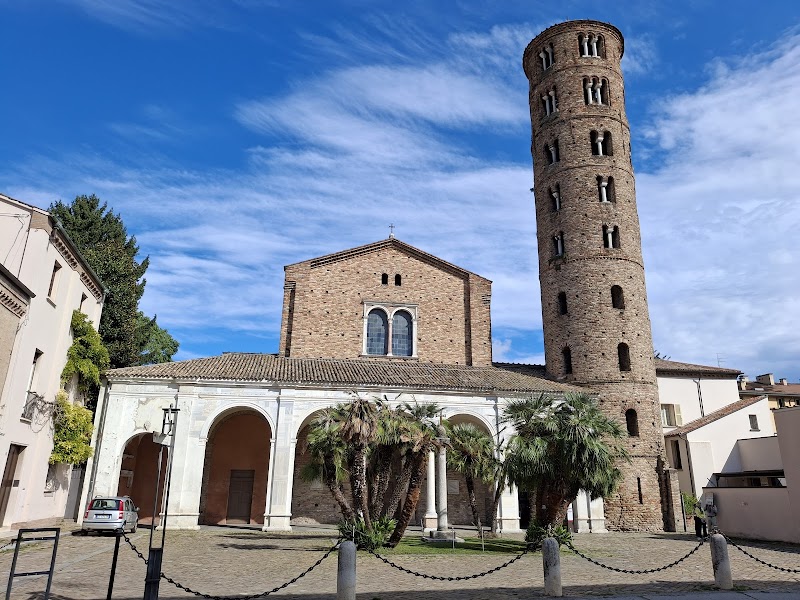
Basilica of Sant'Apollinare Nuovo is the mosaic stop that gives Ravenna rhythm. The long nave is lined with more than 500 saints and procession figures, so the experience is less about one dazzling panel and more about movement, repetition, and scale. Its walking-distance practicality makes it an easy fit for cruise passengers who want a strong sight without overcomplicating the route. Choose it over another niche museum if you want the day to feel visually full but still manageable.
A strong visual stop that does not need an overbuilt itinerary.
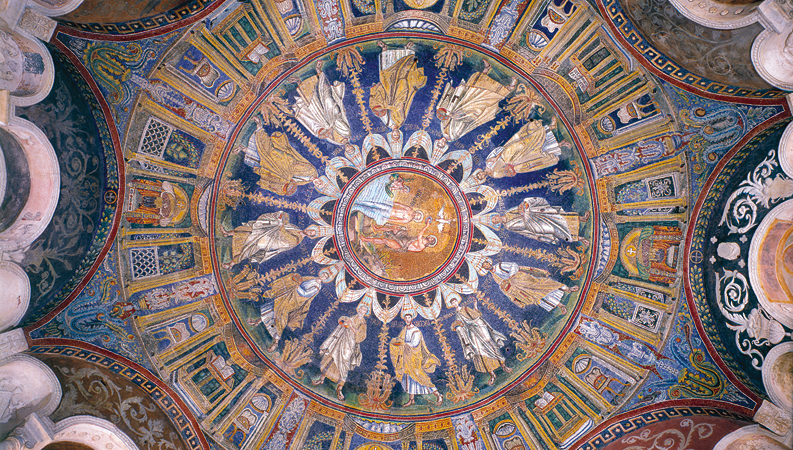
The Neonian Baptistery is a smart add-on when your route is already centered in town. The octagonal structure is compact, but the mosaic dome makes the stop feel complete rather than like filler between bigger churches. Because it is central, it works well for travelers who want to layer one more Ravenna signature into the day without adding a complicated detour. It is especially good for people who enjoy architecture in small doses: clear shape, strong ceiling, quick payoff.
A compact add-on, not a replacement for the major mosaic sites.
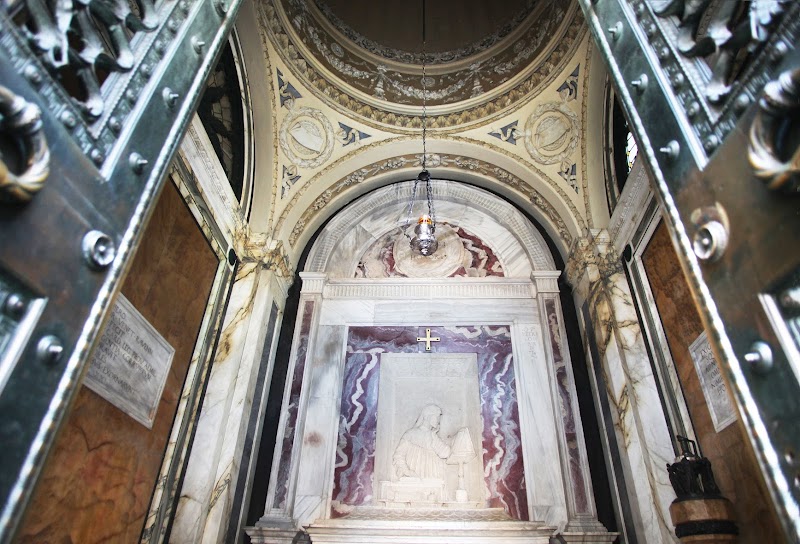
Dante Alighieri Tomb changes the texture of a Ravenna day. After multiple mosaic interiors, the poet's simple sarcophagus inside the Franciscan church feels deliberately restrained, which is part of its pull. It is not a stop that needs to dominate the schedule; think of it as a literary reset, especially if The Inferno was ever on your shelf or syllabus. The nearby Tomb of Dante Walk, with garden space and poet statues, makes the visit feel less like a box-check and more like a pause.
Literary travelers and anyone who needs a quieter beat between churches.
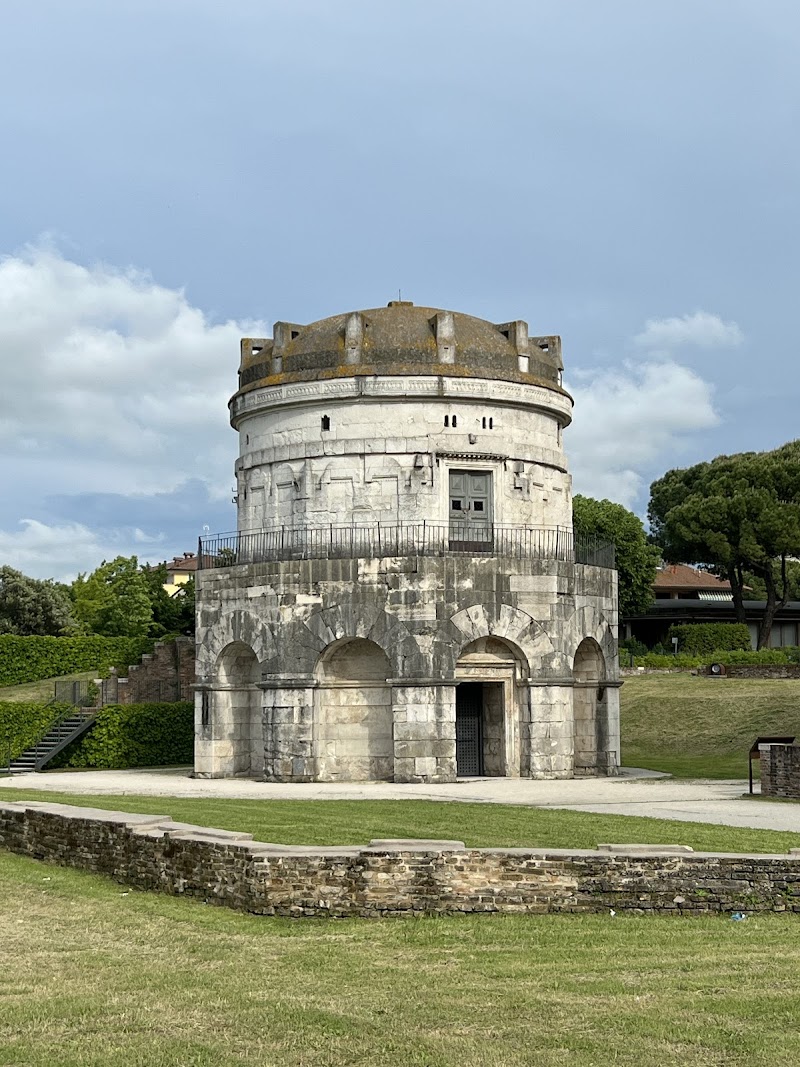
The Mausoleum of Theodoric is the oddball pick, and that is the appeal. Instead of the dense glitter of Ravenna's church interiors, you get a two-story rotunda, a hilltop setting, surrounding parkland, and the unresolved drama of a massive stone dome. It fits travelers who like monuments with a harder, stranger silhouette, or anyone who wants daylight and open space after staring up at mosaics. Put it after the essentials, not before them, unless Theodoric is your specific reason for coming.
A great second-tier stop once the mosaic essentials are covered.
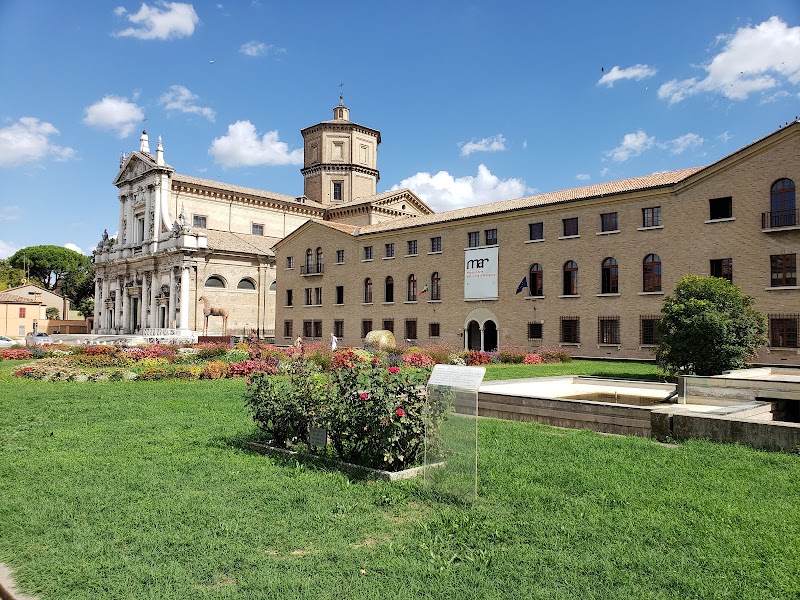
Once the mosaic headliners are handled, MAR - Ravenna Municipal Art Museum is the calmer cultural pivot. Its modern collection sits in a historic palace, which gives you a different register of local art without pretending to compete with San Vitale. This is a good choice for repeat visitors, slow-looking travelers, or anyone who wants quiet galleries after church interiors. If your taste runs more scholarly, Classense Library offers manuscripts and frescoed rooms with a research-room mood, but keep either stop as a bonus, not the backbone.
A slower cultural finish after the Byzantine heavy hitters.
Orthodox king's two-story rotunda atop hill. Mystery stone dome. Parks surround.
Oldest baptistery with mosaic dome Baptism scene. Octagonal wonder. Central.
Piazza gardens with poet statues. Reflective stroll.
Modern collection in historic palace; local art post-mosaics. Quiet culture.