IT
Cruises to Portoferraio
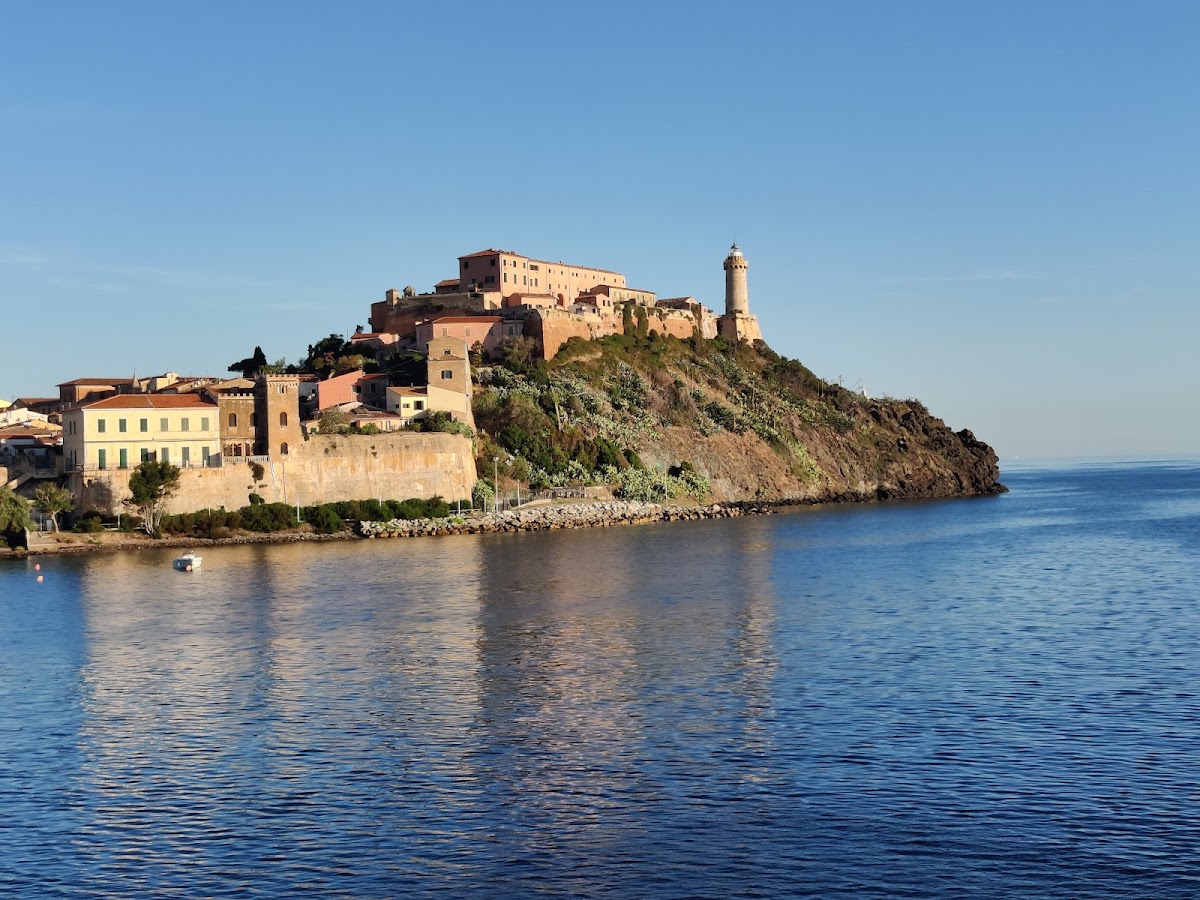
Portoferraio is an Elba call with real texture: Napoleon rooms, sea-facing forts, and a beach day if you choose your lane early.
Upcoming visits
2
Best fare
$312 per night
Portoferraio is an Elba call with real texture: Napoleon rooms, sea-facing forts, and a beach day if you choose your lane early.
Find Portoferraio on Google Maps before you plan the port day.
Portoferraio is not trying to compete with the biggest Mediterranean ports, and that is the point. This Elba call works best when you treat it as a focused island day rather than a checklist sprint. The strongest threads are clear: Napoleon's exile-era residences, defensive viewpoints above the sea, a compact dose of archaeology, and a golden-sand beach if the weather is telling you to stop pretending you want a museum day.
For cruise passengers, the decision is less about whether there is enough to do and more about how you want the day to feel. History-focused travelers can build a sharp Napoleon-and-fortress plan. Beach people can make Spiaggia di Biodola the main event and skip the guilt. Active travelers have a summit hike in the mix, but that is a deliberate choice, not a casual add-on. Portoferraio rewards restraint: pick one anchor, then let the island stay legible.
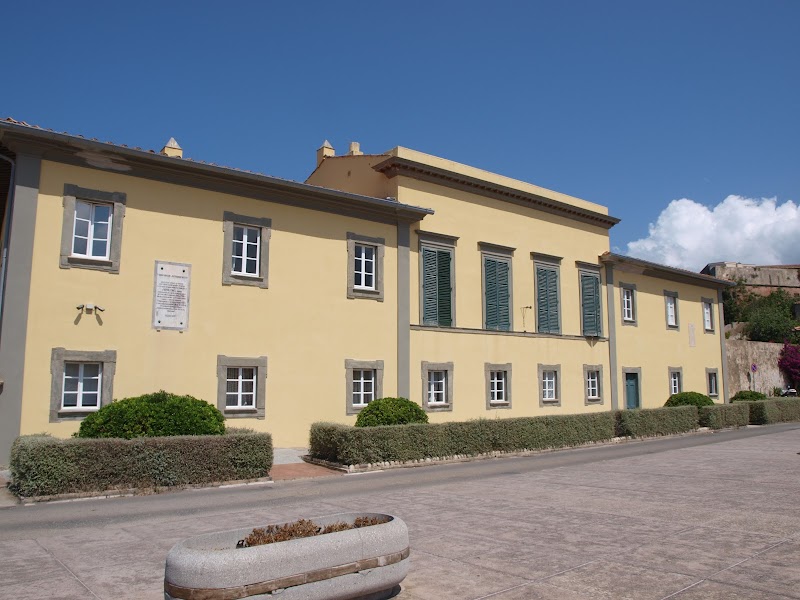
Villa dei Mulini is the cleanest way to understand why Elba is more than a pretty island stop. Napoleon's residence brings the exile story into rooms, gardens, a library, and views that make the politics feel strangely domestic. It fits travelers who like history with a setting, not just labels on a wall. If you only want one Napoleon site during a port day, this is the one to consider first because it gives the clearest sense of daily imperial life compressed into an easy-to-grasp visit.
Cruisers who want the Napoleon story without turning the day into a full history seminar.
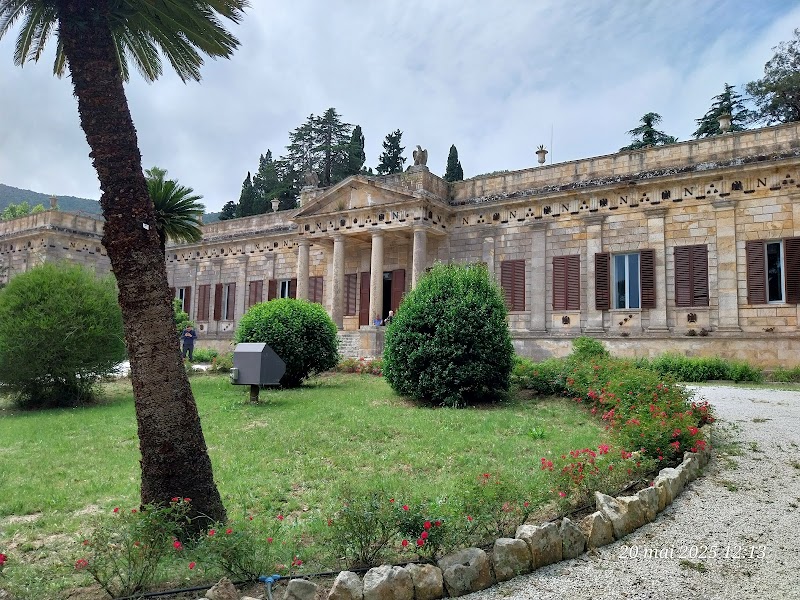
Villa San Martino is the more theatrical Napoleon stop, with grand furnishings, Egyptian rooms, and panoramas that lean into the odd drama of an exiled emperor building a life on Elba. It is worth prioritizing if you are drawn to interiors, symbolism, and the visual weirdness of imperial taste transplanted to an island. Pairing it with Villa dei Mulini can make sense for serious history travelers, but casual visitors may prefer choosing one villa and saving the rest of the day for a fort view or the beach.
Napoleon's summer villa with Egyptian rooms, panoramas. Grand furnishings. Exiled emperor's home.
Napoleon's Elba residence with gardens, library, views. Imperial life insights. Historical must.
Golden sand cove beach, pines shade. Swim and relax. Resort bay.
Etruscan finds, shipwrecks in Medici fortress. Ancient sea trade. Compact history.
Current sailings visiting this port, sorted by the lowest tracked cabin price per night.
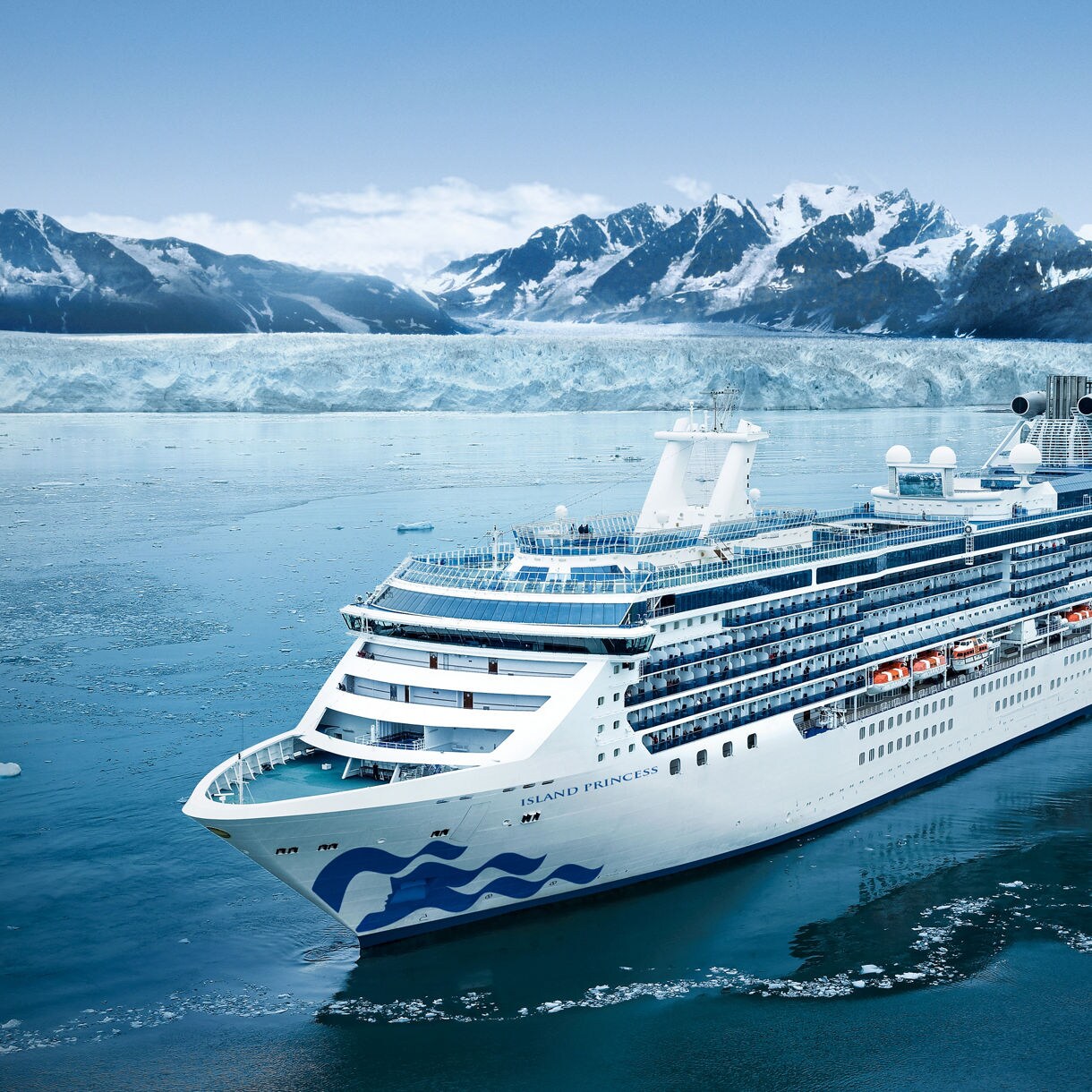
Built 2003
Fort Lauderdale · Bermuda · Azores · Cádiz · Cartagena · Mallorca · Barcelona · Ajaccio · Portoferraio · Rome · Naples · Chania · Santorini · Mykonos · Athens · Ephesus · Rhodes · Corfu · Kotor · Split · Dubrovnik · Siracusa · Valletta · Gibraltar · Casablanca · Gran Canaria
Built 2003
Fort Lauderdale · Bermuda · Azores · Cádiz · Cartagena · Mallorca · Barcelona · Ajaccio · Portoferraio · Rome · Naples · Chania · Santorini · Mykonos · Athens
This is the richer interior play; Villa dei Mulini is the more direct residence story.
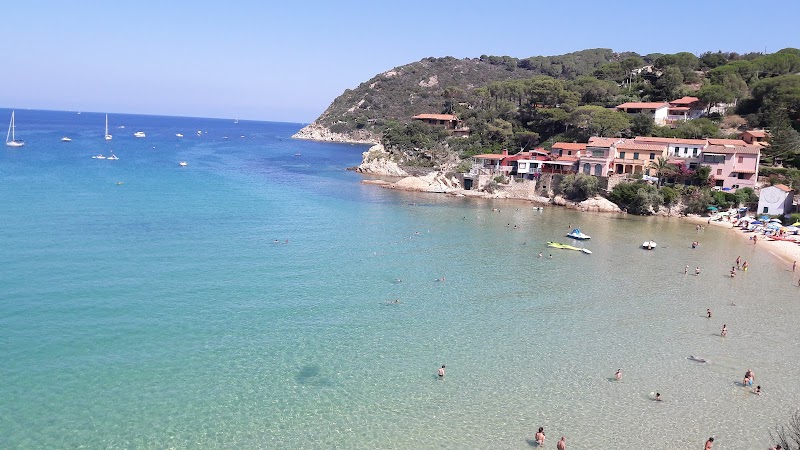
Spiaggia di Biodola is the argument for keeping Portoferraio simple. The appeal is straightforward: a golden-sand cove, pine shade, swimming, and a resort-bay feel that suits travelers who came to Elba for water rather than plaques. It is the right anchor if your itinerary has been heavy on cities or ship time and you want the port day to slow down. Do not treat it as a leftover stop after multiple museums; the beach works best when you give it enough space to actually relax.
Swimmers, sun-seekers, and anyone who wants Elba to feel like an island, not an errand list.
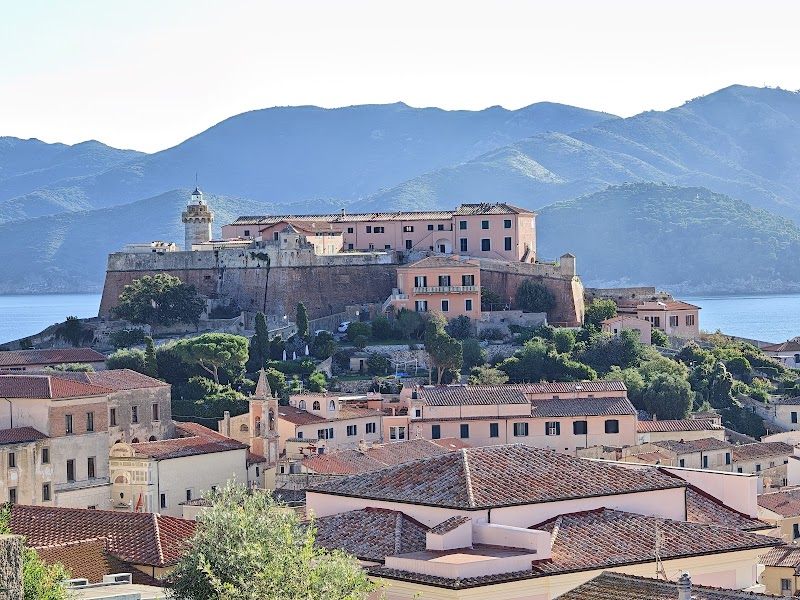
Forte Stella gives Portoferraio its sharper silhouette: a 16th-century hilltop fort with sea bastions, walking space, and elevated views. It is a strong choice for cruisers who want something visual and historic without committing to a long museum visit. The fort works especially well as a perspective stop, because it frames the port as a defended island settlement rather than just a pretty harbor. Prioritize it if photography, sea air, and old stone are more your pace than ornate rooms.
A compact history stop with height, texture, and a better sense of Portoferraio's defensive past.
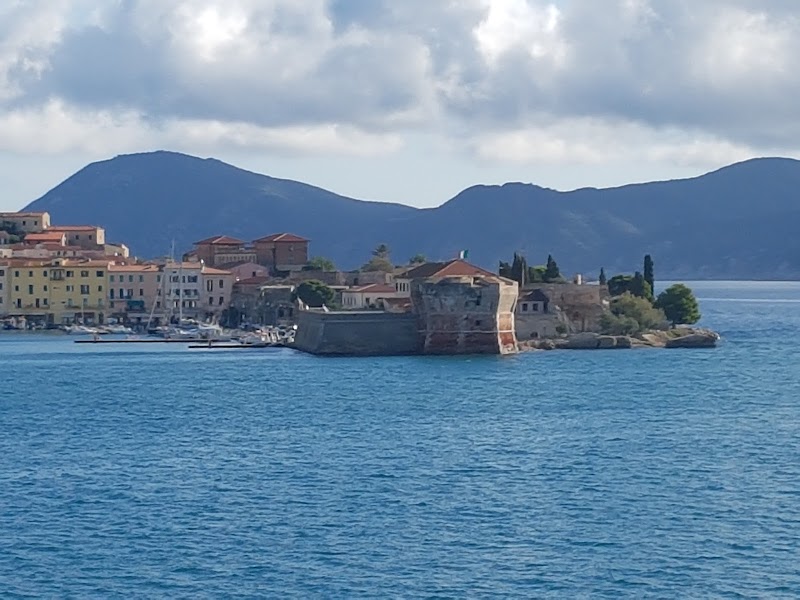
The Archaeological Museum of Portoferraio is the smarter pick for travelers who like their ancient history concise. Its focus on Etruscan finds, shipwrecks, and Mediterranean sea trade gives the island a deeper timeline, while the Medici fortress setting keeps the visit visually grounded. This is not the stop to force on beach-first travelers, but it is a useful counterweight to the Napoleon narrative. If your ideal port day includes one indoor cultural layer before returning to views or a slow lunch, this belongs on the shortlist.
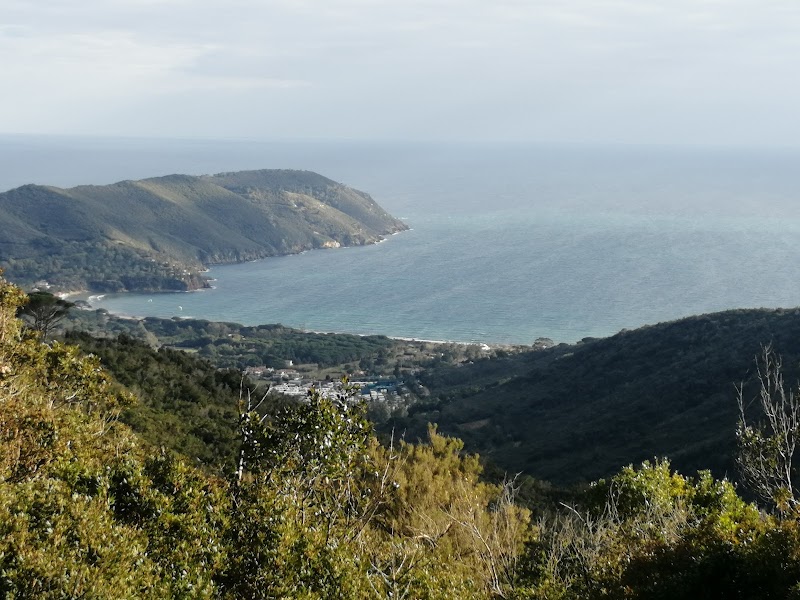
The Monte C anato hike is the active outlier in a Portoferraio day: a trail to a summit cross with 360-degree island views and, in season, wildflowers along the way. That sounds casual until you remember you are on a cruise clock. Make it the centerpiece only if your energy, timing, and conditions line up; do not tack it onto a packed villa-and-beach plan. For hikers, it is the most expansive way to see Elba. For everyone else, Forte Stella offers an easier elevated-view fix.
Choose the hike as the day, not as a bonus after sightseeing.
16th-century hilltop fort with sea bastions, walks. Defensive perch. Elevated views.
17th-century church with Cosimo I tomb, artworks. Quiet baroque. Spiritual nook.
Trail to summit cross, 360-degree isle views. Wildflowers season.