ES
Cruises to Melilla
Melilla is a compact, visually oddball port where Spanish modernism, fortress walls, and North African texture make a short stop feel specific.
Upcoming visits
4
Best fare
$332 per night
Melilla is a compact, visually oddball port where Spanish modernism, fortress walls, and North African texture make a short stop feel specific.
Find Melilla on Google Maps before you plan the port day.
Melilla is not the Mediterranean port you book for blockbuster sights or a long checklist. Its appeal is stranger and more compact: a Spanish enclave atmosphere, Art Nouveau facades, old fortifications, market corners, and a waterfront that feels removed from the usual cruise-port script. The smartest day here is built around walking, looking up, and leaving room for a slow square or promenade break instead of trying to force a full-city marathon.
For cruise passengers, Melilla works best as a texture stop. Start with the central plaza, use the modernist buildings to give the day a theme, then decide whether you want history, shopping, or a lighter seaside wander. Architecture fans will get the most out of it, but curious travelers who like ports with layered identities should also pay attention. This is a place to prioritize atmosphere over spectacle.
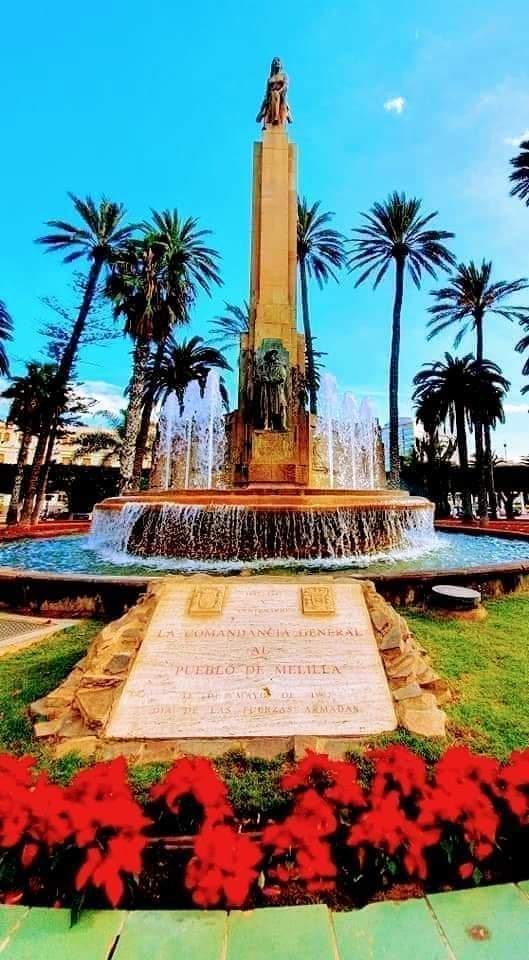
Plaza de España is the cleanest way to read Melilla quickly. The central square brings together the citys Spanish enclave energy, modernist architecture, and a clock tower that gives the scene an easy focal point. It fits travelers who like to settle into a place before moving on: grab the visual rhythm, watch local life, and use it as a launch point for the rest of the day. If you only want one low-effort stop that still feels distinctly Melilla, make it this.
Use the square to get oriented before choosing an architecture, fortress, or waterfront plan.
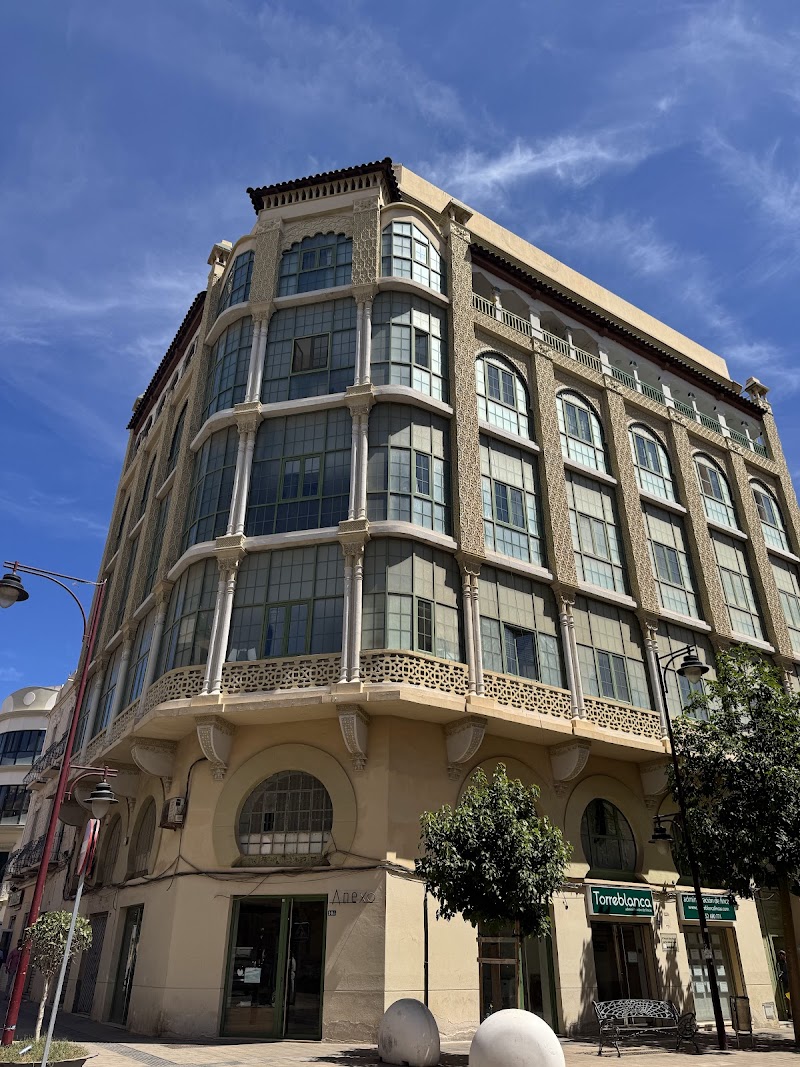
The Modernist Routes are Melillas strongest argument for cruise passengers who care about cities, not just scenery. The walk focuses on Gaudi-inspired buildings by Enrique Nieto, turning the port call into a self-contained architecture hunt rather than a loose wander. This is the priority if you like decorative facades, odd corners, and photos that do not look like every other Mediterranean stop. Keep the plan tight: a focused route will feel sharper than trying to tack on every possible detour.
Prioritize this if architecture is your favorite way to understand a port.
Central square with modernist architecture and clock tower. Heart of Melilla's Spanish enclave vibe. Relaxed people-watching spot.
Gaudí-inspired buildings by Enrique Nieto. Walking tour of Art Nouveau gems. Architectural highlight.
Yacht club area with beaches nearby. Stroll promenade. Duty-free shopping nearby.
16th-century fortress with ramparts and views. Military history exhibits. Panoramic harbor overlooks.
Current sailings visiting this port, sorted by the lowest tracked cabin price per night.
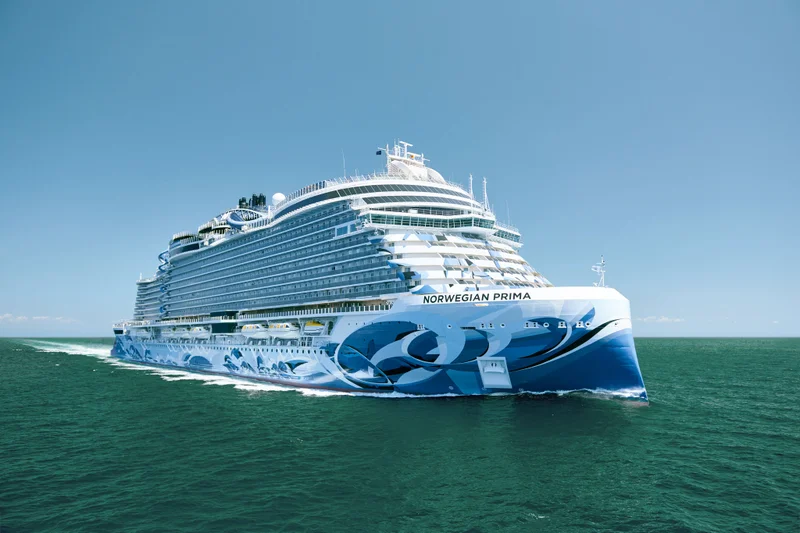
Built 2022
San Juan · Azores · Madeira · Melilla · Motril · Ibiza · Mallorca · Marseille · Villefranche · Florence · Rome
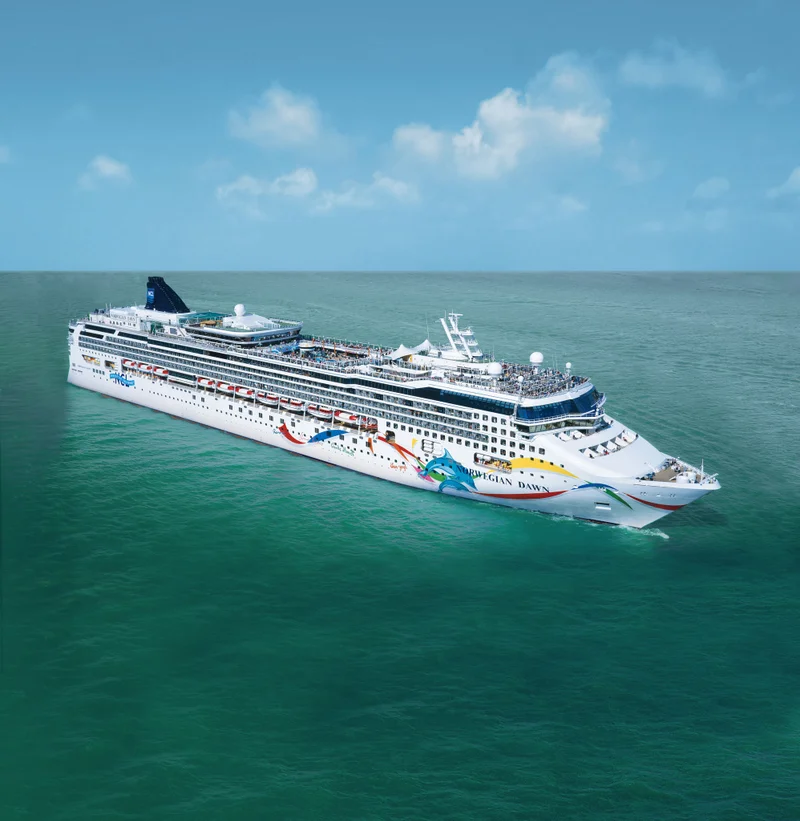
Built 2002
Barcelona · Marseille · Florence · Villefranche · Motril · Melilla · Ibiza · Mallorca
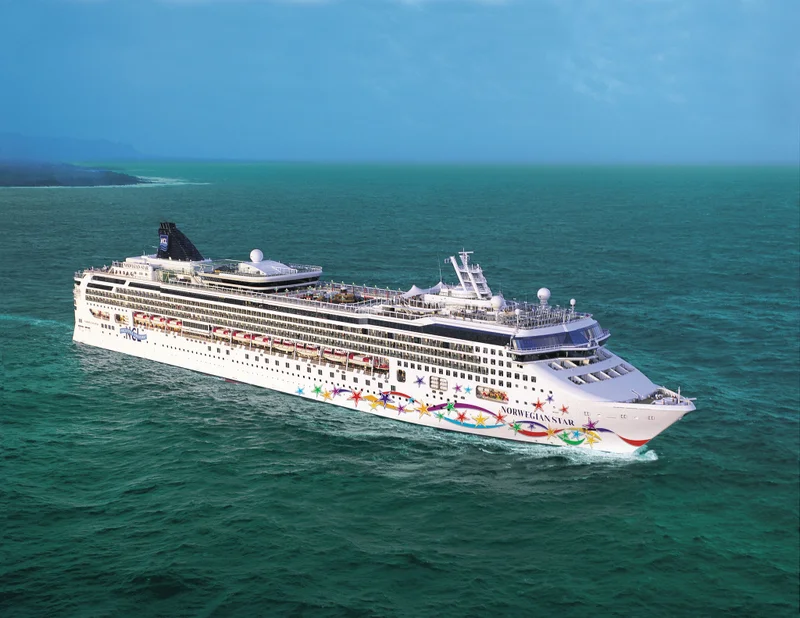
Built 2001
Lisbon · Gran Canaria · Tenerife · Madeira · Agadir · Casablanca · Tangier · Melilla · Motril · Cádiz · Barcelona
Built 2002
Barcelona · Marseille · Mallorca · Valencia · Motril · Gibraltar · Melilla · Cádiz · Tangier · Lisbon
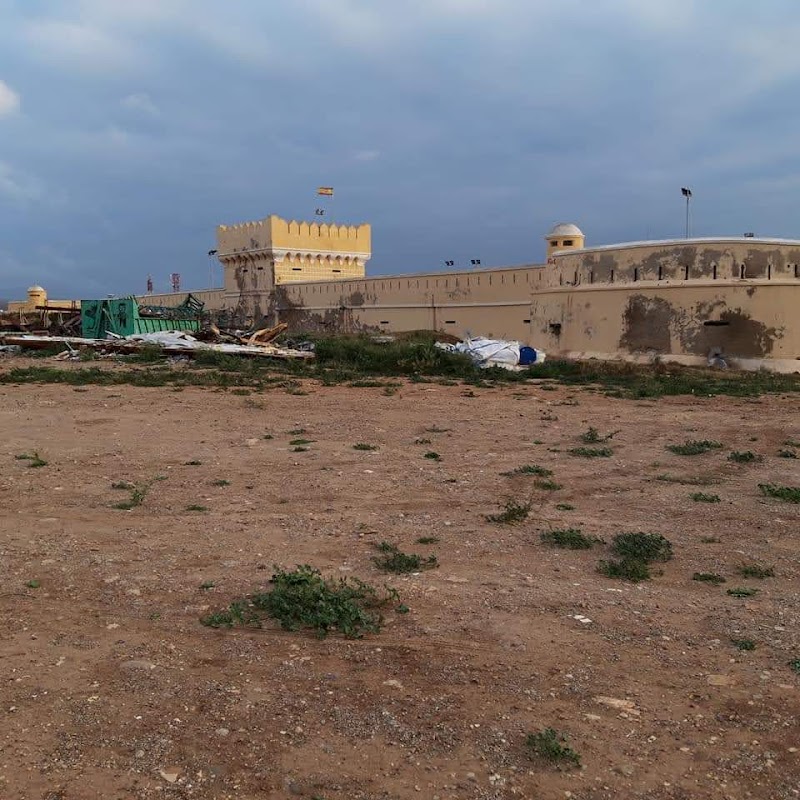
Fortaleza de la Concepción gives the day some height and historical weight. The 16th-century fortress has ramparts, military history exhibits, and harbor overlooks, which makes it a smart second act after the modernist streets. It is best for travelers who want views with context rather than just a scenic photo stop. If your time in port is limited, pair it with Plaza de España or the Modernist Routes instead of spreading yourself across too many small sights.
Come here when you want harbor perspective plus a dose of military history.
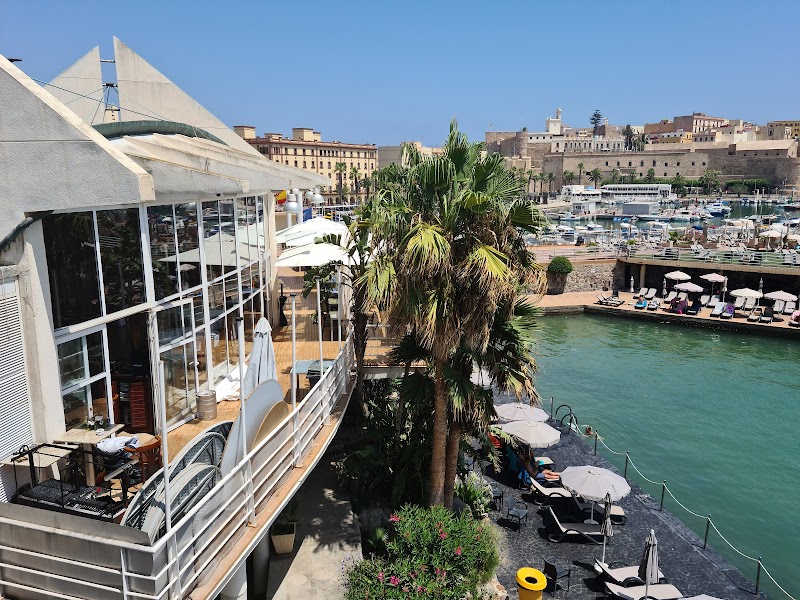
Real Club Marítimo is the softer side of a Melilla port day. The yacht club area gives you a promenade-style stroll, with beaches and duty-free shopping nearby, so it works well when you want a lighter reset after architecture or fortress time. This is not the stop for deep sightseeing; it is the place for water, movement, and a less scheduled hour. It fits travelers who want their port day to breathe without abandoning the city entirely.
Good for a waterfront walk when you do not want another museum-style stop.
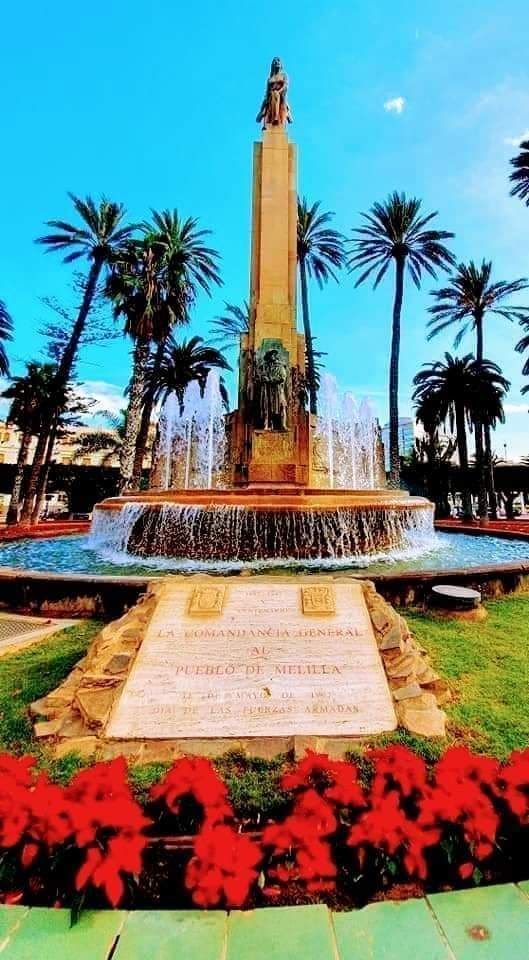
Galerias de Melilla is the move for travelers who like their souvenirs with more texture than a generic port shop. The underground market leans into spices, small finds, and local flavor, making it especially useful for budget-minded browsing. It is not a replacement for the citys architecture, but it adds a more sensory layer to the day. Work it in after the plaza or modernist walk if you want something compact, casual, and easy to dip into.
Choose the market for spices, souvenirs, and a less polished browsing stop.
The Jewish Quarter is for the traveler who would rather follow alleys than chase a headline sight. Its historic synagogues and quieter lanes point to Melillas layered cultural identity in North Africa, adding depth to a day that can otherwise skew architectural and military. This is a good add-on if you already know you enjoy heritage walks and slower streets. If your priority is big visuals, keep it secondary; if you like cultural context, it may be the stop that lingers.
Best for travelers who value context and calm streets over major-photo moments.
Underground market for souvenirs, spices. Local flavors. Budget shopper's secret.
Historic synagogues and alleys. Cultural mosaic in North Africa. Quiet heritage walk.
Modernist watchtowers guarding the port. Climb for vistas. Lesser-known fortification.