ES
Cruises to Ceuta
Ceuta is a compact port with a rare edge: Spanish squares, fortress walls, and North African views can all fit into one smart shore day.
Upcoming visits
2
Best fare
$200 per night
Ceuta is a compact port with a rare edge: Spanish squares, fortress walls, and North African views can all fit into one smart shore day.
Find Ceuta on Google Maps before you plan the port day.
Ceuta is a cruise stop for travelers who like their port days compact but not predictable. On paper, it is Spanish; on the ground, it sits beside Morocco, with fortress walls, plazas, churches, gardens, and sea views doing the heavy lifting. The best plan is not to chase a long checklist. Pick the historic core, add one viewpoint or green escape, and leave room for cafe time in Plaza de Africa. For a Mediterranean itinerary, Ceuta gives you a sharp change of texture without demanding a complicated shore day.
This is also a port where priorities matter. The Royal Walls give the most distinctive sense of place, while Monte Hacho is the move if you want the day to end in a panorama rather than a museum mood. If you are traveling with people who burn out on stone and sun, Parque Marcelino Menendez is the pressure valve. The border-facing viewpoints are memorable, but they work better as a quick perspective shift than the whole plan. Ceuta rewards a route that feels edited, not rushed.
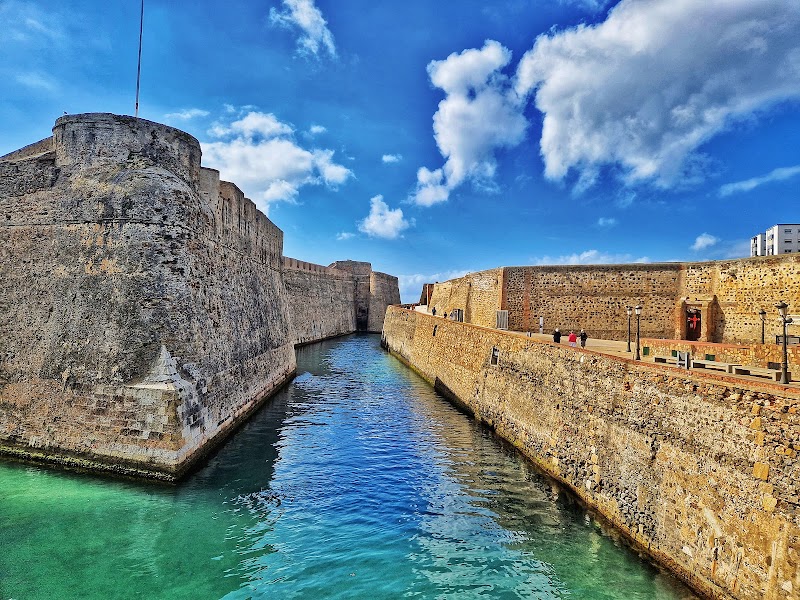
The Royal Walls are the strongest argument for booking an itinerary that calls here. These 16th-century star-fort bastions wrap the old town with the kind of geometry that reads well from the ramparts and in photos. For a cruise stop, they solve the classic problem of wanting history without spending the day indoors. Walk the walls for views, use them to orient yourself, and let the fortifications set the tone before you decide whether the rest of the day should go scenic, shady, or square-side.
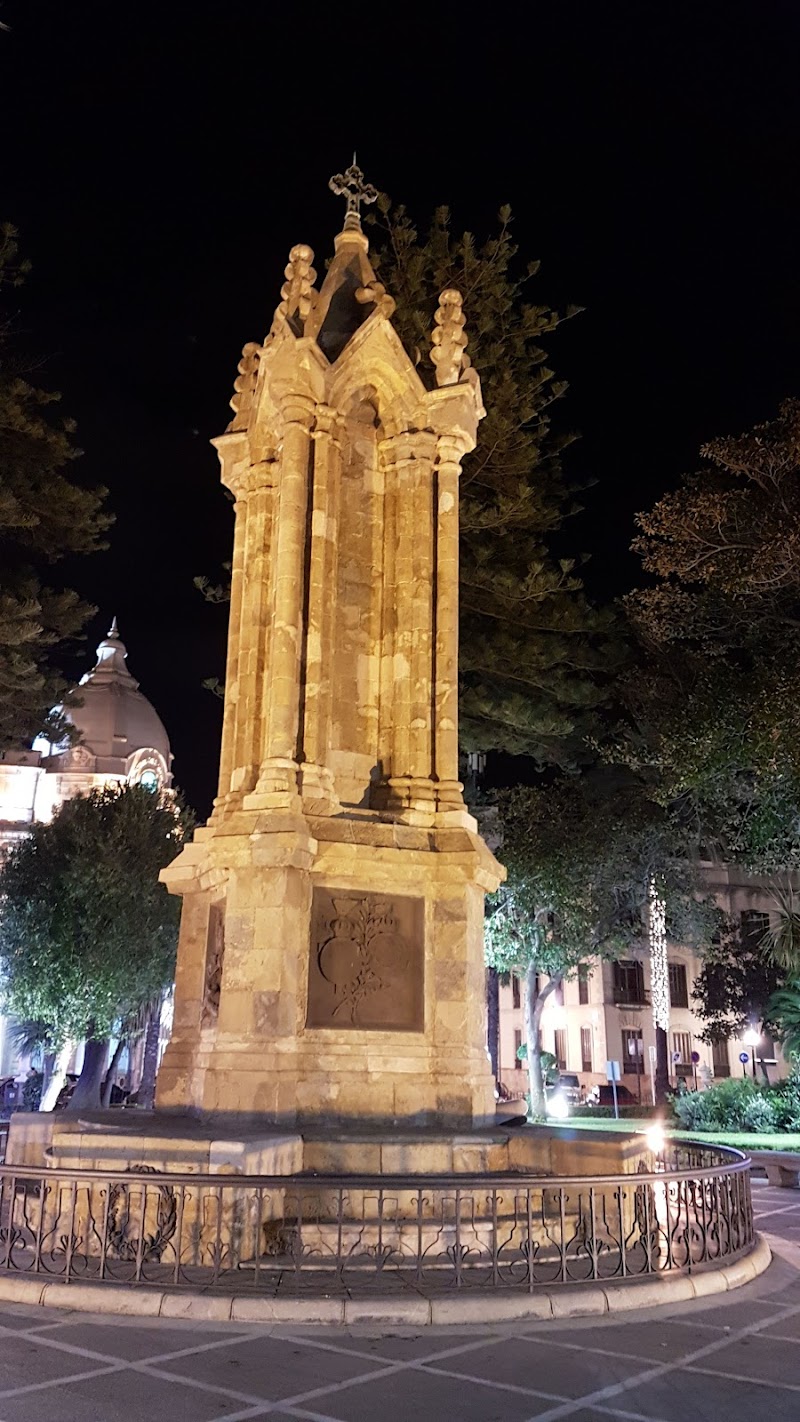
Plaza de Africa is where Ceuta feels most legible at street level. The cathedral, royal palace, and monument give the square its civic weight, but the real value for cruise passengers is how easy it is to pause here without wasting the day. This is the place for people-watching, a cafe break, and a quick reset after the walls. If your port style is low-friction and urban rather than excursion-heavy, make the square your base and branch out from there.
Grand square with cathedral, royal palace, and monument. People-watch cafes. Historic core.
16th-century star fort bastions circling old town. Walk ramparts for views. Impressive Renaissance defense.
Lush subtropical gardens with peacocks and bandstand. Relaxed shaded paths. Tropical oasis.
Overlook from walls to Africa. Cultural divide photo op. Unique enclave feel.
Current sailings visiting this port, sorted by the lowest tracked cabin price per night.
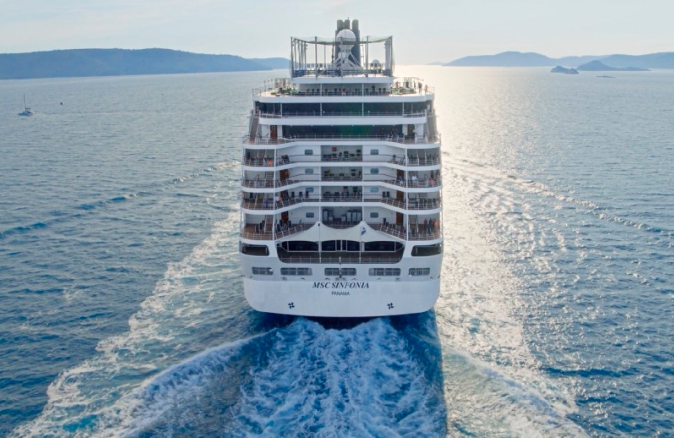
Built 2002
Rome · Valencia · Genoa · Marseille · Málaga · Tangier · Portimão · Ceuta · Alicante
Built 2002
Genoa · Marseille · Málaga · Tangier · Portimão · Ceuta · Alicante · Rome
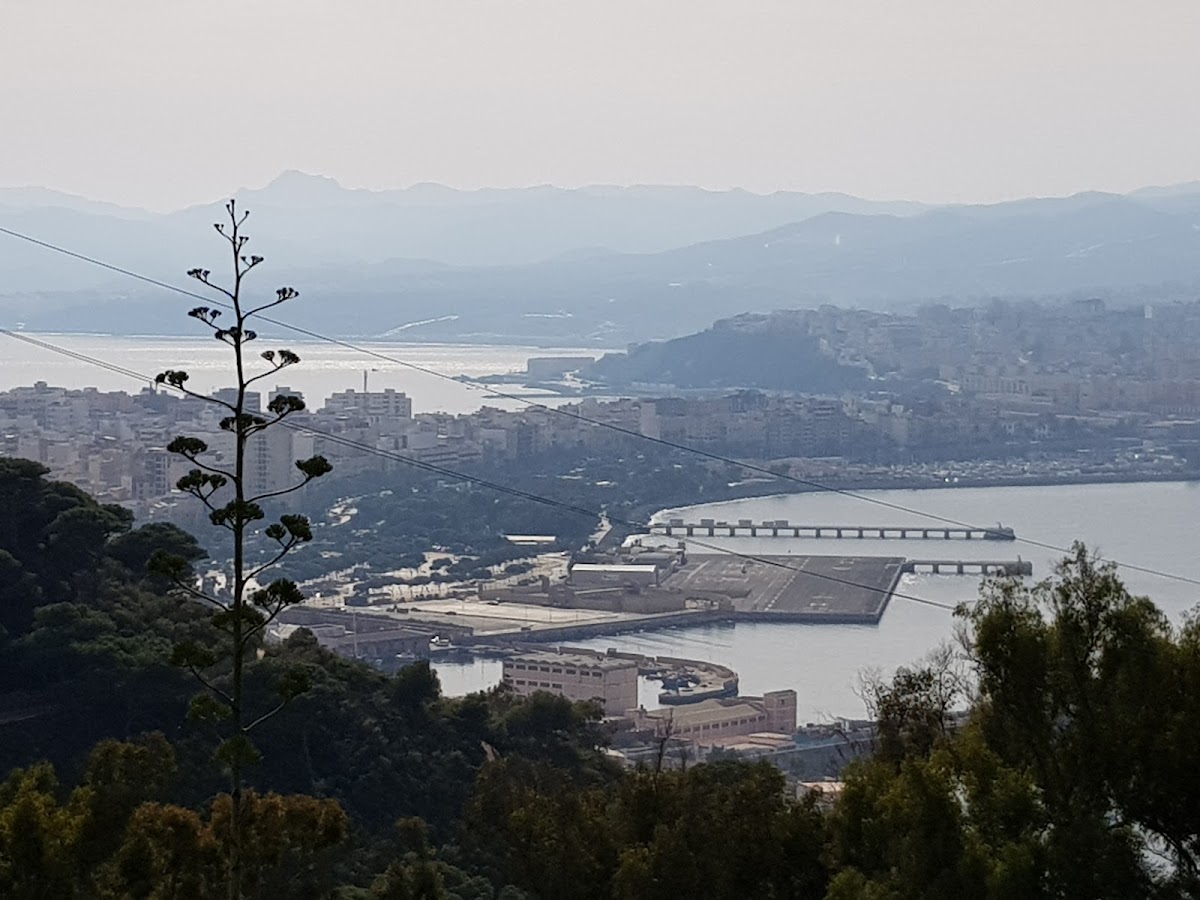
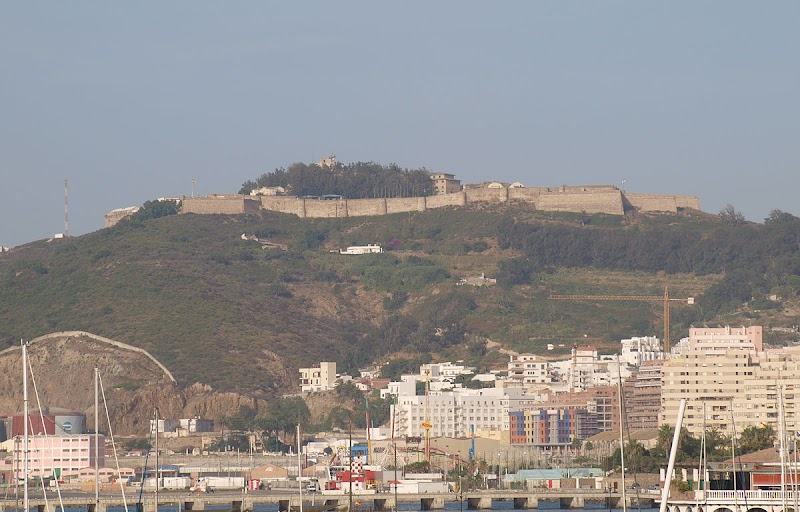
Monte Hacho is the choice when you want Ceuta to feel bigger than its historic center. The hilltop is tied to Hercules myth, with a lighthouse and views that can reach toward Gibraltar. For active travelers, it can work as a short hike; for everyone else, a taxi keeps the day from turning into a fitness test. Prioritize it if big landscapes matter more to you than another interior stop. Skip it if the weather is hazy or your schedule is already tight around the old town.
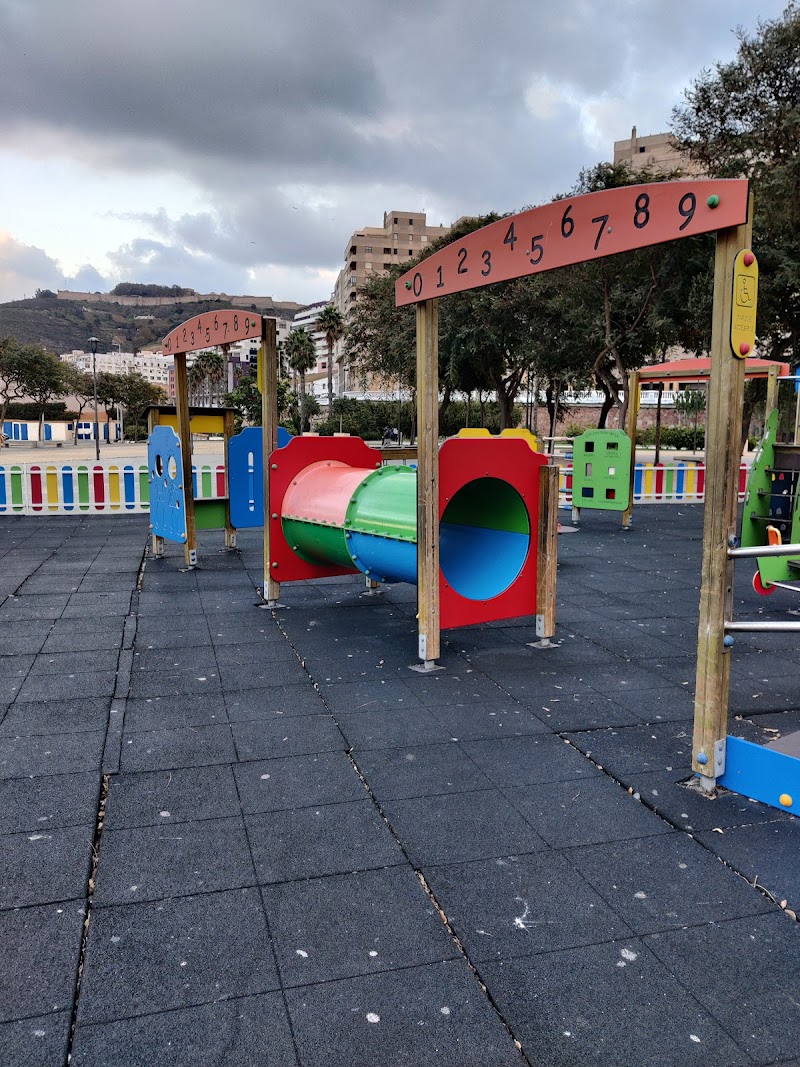
Parque Marcelino Menendez is the soft landing in a port built around stone, borders, and sightlines. Its subtropical paths, peacocks, and bandstand make it useful for travelers who want shade and a slower pace without leaving the city experience behind. It is not the headline sight, and that is exactly the point. Put it after the Royal Walls or Plaza de Africa when the group needs a reset. Families, garden people, and anyone who prefers texture over another viewpoint will get the most out of it.
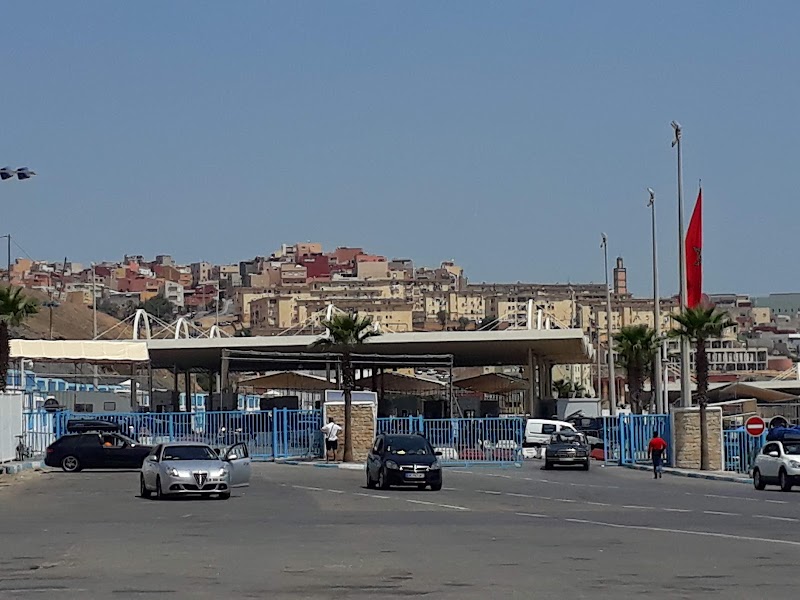
The Border with Morocco viewpoints are less about a long visit and more about understanding why Ceuta feels different from a standard Mediterranean call. From the walls, the look toward Africa gives the port its unusual edge: Spanish civic spaces on one side, Morocco just beyond the frame. Treat this as a quick visual chapter, not the anchor of your day. It is best for map nerds, photographers, and travelers who like a place with geopolitical texture.
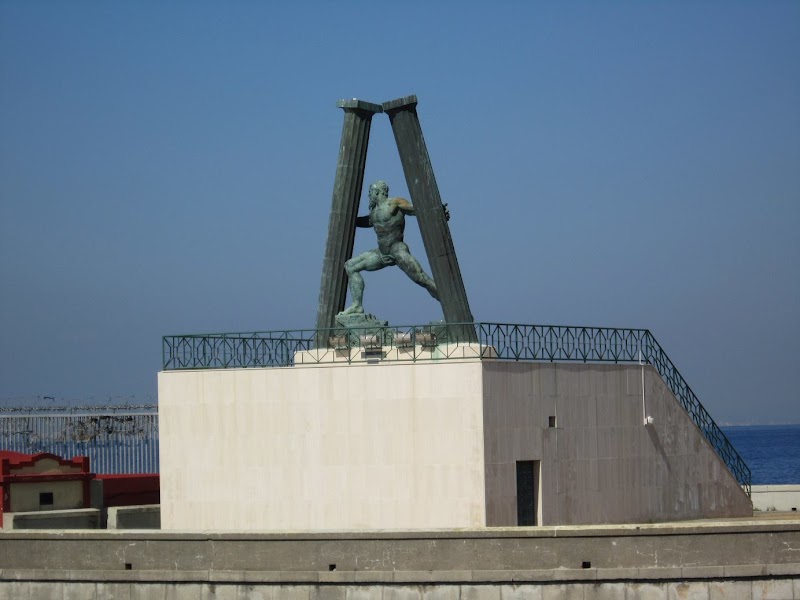
Puntilla del Fresno is the laid-back add-on if your ideal port day needs water in the frame. The beach boardwalk leads toward an old fort and gives you a seaside stroll without committing the whole stop to beach time. It fits travelers who want air, views, and a slower rhythm after the historic core. Do it as a decompression move, especially if you have already seen the walls and square. If the day is short, this is a nice extra, not the reason to rush past Ceuta's main sights.
Hilltop Hercules myth site with lighthouse and Gibraltar views. Short hike or taxi. Panoramic outpost.
Baroque interior with ornate altars. Quiet worship site. Architectural gem.
Beach boardwalk to old fort with sea views. Promenade stroll. Leisurely seaside.