IT
Cruises to Catania
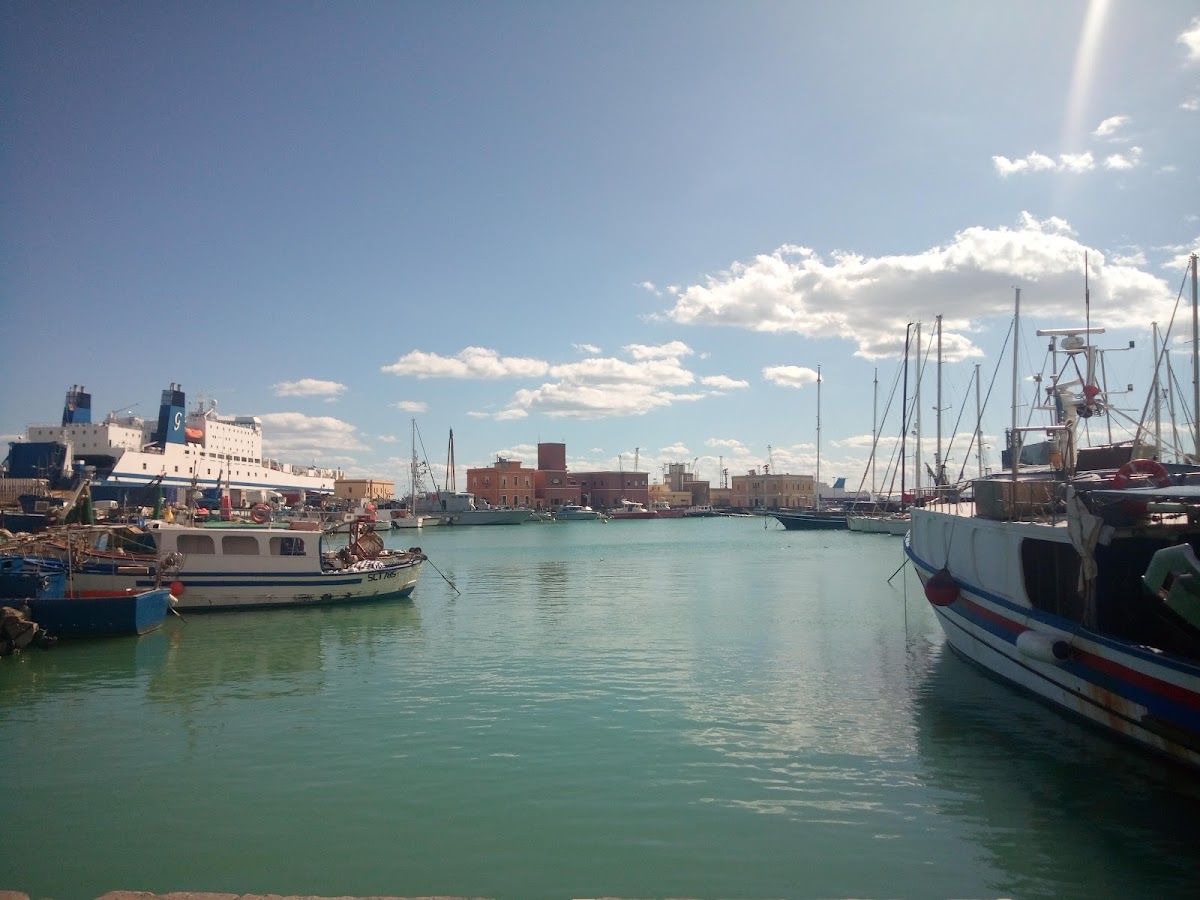
Catania is a choose-your-own-Sicily port: volcanic drama outside town or a tight urban day of baroque stone, seafood noise, and ruins.
Upcoming visits
54
Best fare
$190 per night
Catania is a choose-your-own-Sicily port: volcanic drama outside town or a tight urban day of baroque stone, seafood noise, and ruins.
Find Catania on Google Maps before you plan the port day.
Catania has two very different cruise-day personalities, which is exactly why it earns its spot on a Mediterranean itinerary. One version heads straight for Mount Etna, where the landscape turns black, raw, and volcanic. The other stays in the city and lets Catania's baroque churches, street markets, old stone fortresses, and pocket-size ruins do the work. Trying to blend both can make the day feel chopped up, so treat this port as a fork in the road: big nature excursion or concentrated urban Sicily.
The city plan is especially good for travelers who like their port days textured rather than polished. Start early if La Pescheria is on your list, then use the Duomo as the anchor and branch out to Ursino Castle, the Roman Theatre, or Giardino Bellini depending on your attention span. Etna, meanwhile, is the high-impact choice for anyone who wants the call to feel unlike another cathedral-and-cafe day. It takes more logistics, and guided tours matter, but the payoff is a landscape you will actually remember when the itinerary blurs.
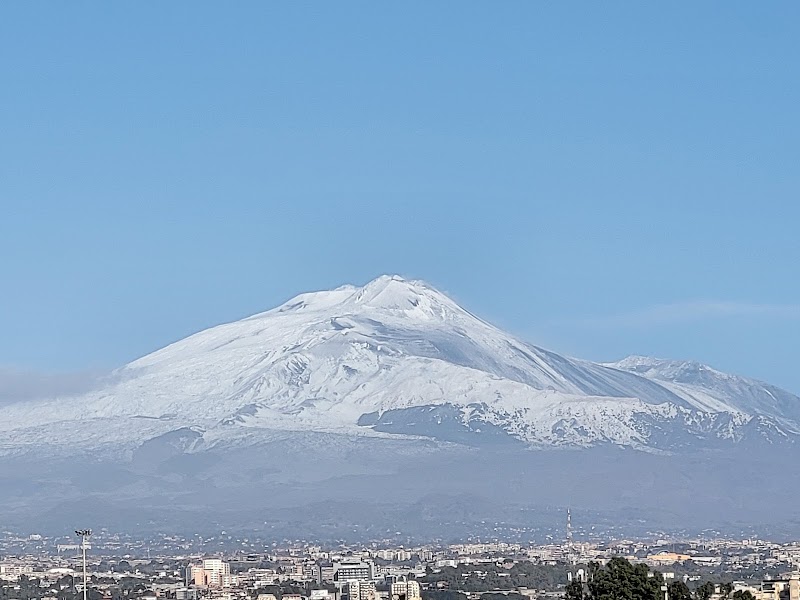
Mount Etna is Catania's big swing, and it is the reason some travelers should book this port over a safer city call. The volcano sits about one to two hours from port, so this is not a casual add-on after lunch; it needs to be the plan. Cable car rides, craters, and old lava flows make it visually different from almost anything else in the Mediterranean. If hiking or viewpoints are involved, go guided. This is for active travelers, geology nerds, and anyone who would trade another old town for black volcanic terrain.
Active travelers who want the port day to feel genuinely different.
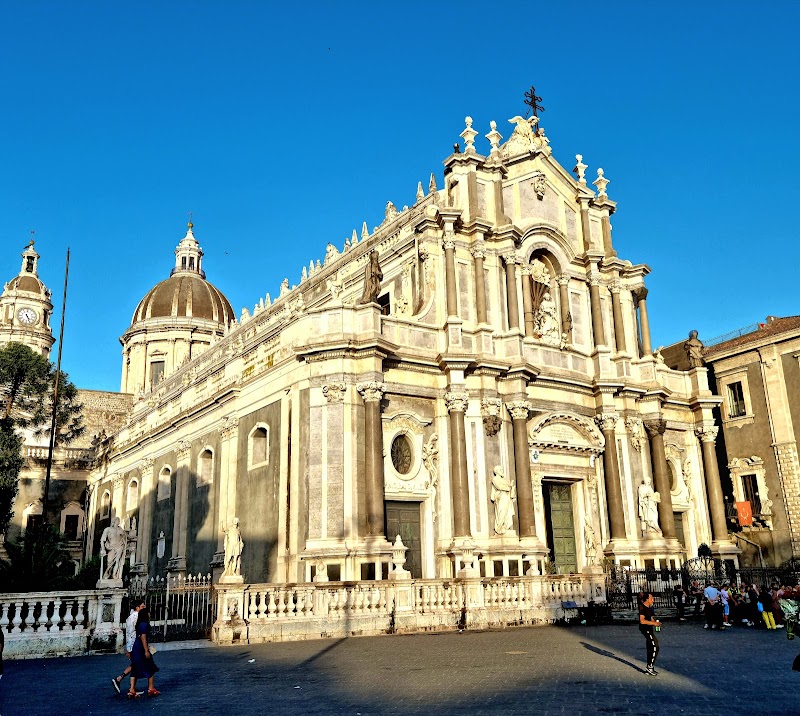
The Duomo is the cleanest way to understand central Catania without turning the day into a checklist. Dedicated to St. Agatha, the baroque cathedral gives you a strong hit of facade, relics, frescoes, and plaza life in about half an hour. That makes it ideal as the city's anchor: see it early, then decide whether your energy points toward the fish market, a museum, or a slower coffee. If you only want one formal sight before wandering, make it this one.
Baroque cathedral dedicated to St. Agatha with relics, frescoes, and plaza. Admire facade and interior in 30 minutes. Central landmark.
Europe's highest active volcano with cable car rides to craters and lava flows. Guided tours essential for hikes and views. Thrilling excursion from port (1-2 hours away).
Public park with statues, bandstand, and Mt. Etna views. Relax with gelato or coffee. Green oasis in urban Catania.
13th-century Norman castle now art museum with medieval artifacts. Explore courtyards and exhibits quickly. Historic fortress downtown.
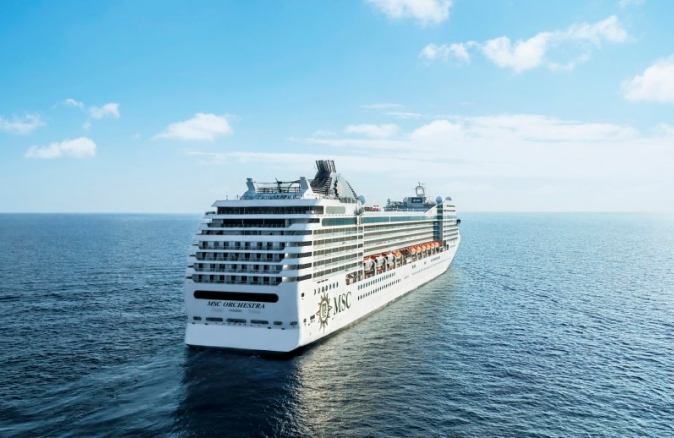
Current sailings visiting this port, sorted by the lowest tracked cabin price per night.
Built 2007
Rome · Catania · Corfu · Kotor · Bari
Built 2002
Rome · Portofino · Florence · Amalfi Coast · Catania · Kotor · Dubrovnik · Split · Ravenna
Built 2007
Marseille · Tarragona · Valencia · Florence · Rome · Catania · Corfu · Kotor · Bari
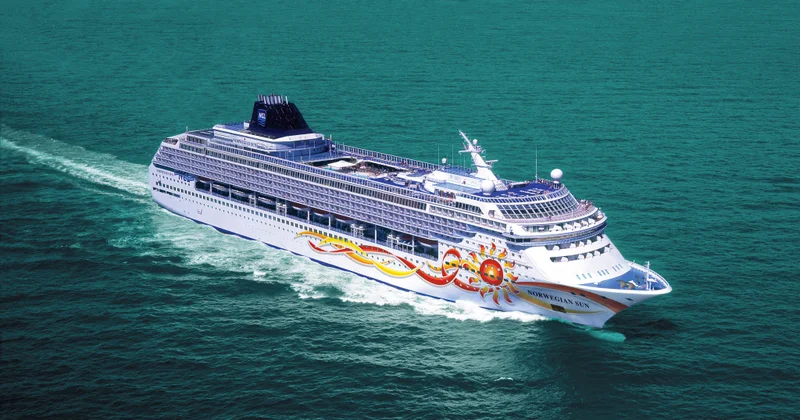
Built 2001
Rome · Amalfi Coast · Catania · Corfu · Kotor · Split · Koper · Venice
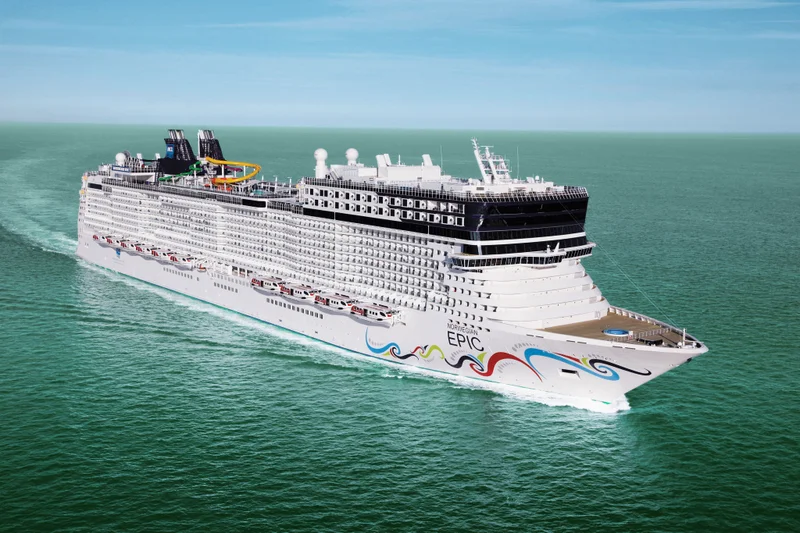
Built 2010
Rome · Amalfi Coast · Catania · Florence · Marseille · Ibiza · Barcelona
Built 2007
Genoa · Marseille · Tarragona · Valencia · Florence · Rome · Catania · Corfu · Kotor · Bari
Built 2010
Rome · Amalfi Coast · Catania · Florence · Marseille · Mallorca · Barcelona
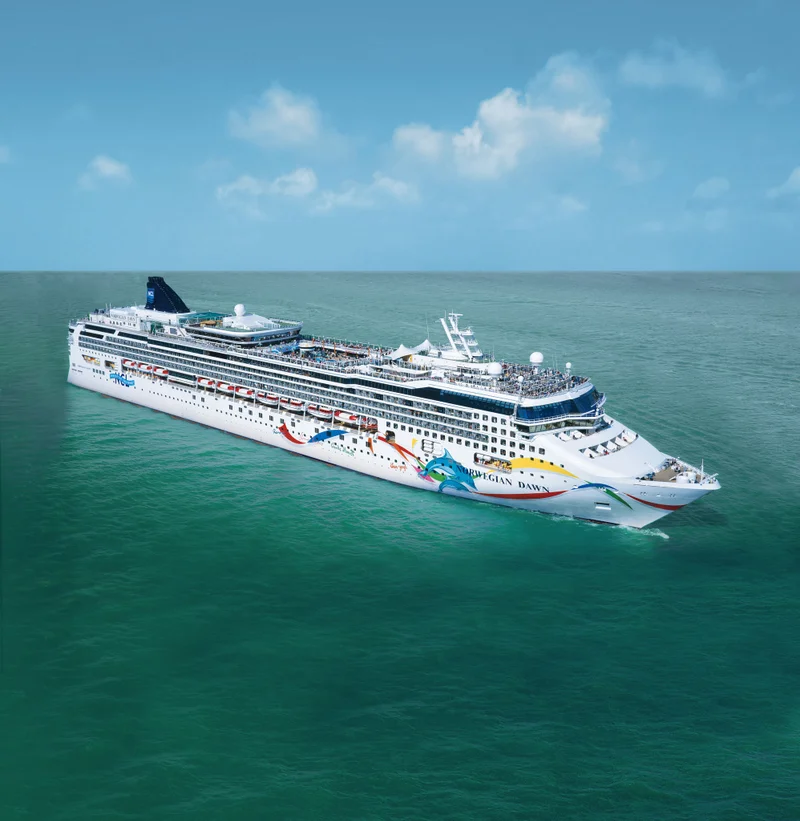
Built 2002
Barcelona · Marseille · Florence · La Spezia · Rome · Amalfi Coast · Catania · Ibiza · Mallorca
Built 2002
Rome · Portofino · Florence · Amalfi Coast · Catania · Kotor · Dubrovnik · Split · Ravenna
Built 2010
Rome · Amalfi Coast · Catania · Florence · Marseille · Ibiza · Barcelona
Built 2010
Rome · Amalfi Coast · Catania · Florence · Villefranche · Marseille · Barcelona
Built 2010
Rome · Amalfi Coast · Catania · Florence · Villefranche · Marseille · Barcelona
A satisfying cathedral stop does not need to eat the whole day.
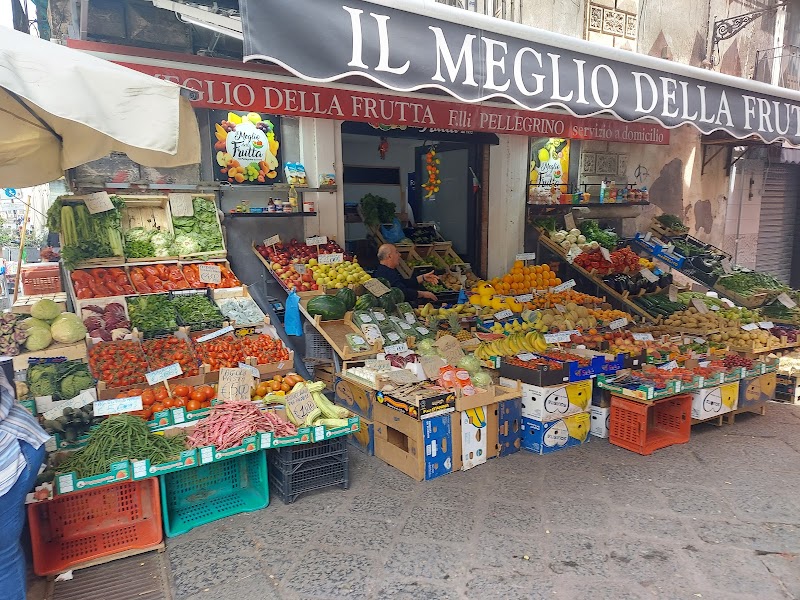
La Pescheria is not tidy, and that is the point. Go in the morning for the noise: vendors calling out, seafood on display, swordfish as street theater, and the kind of sensory overload that makes Catania feel lived-in rather than staged. It suits photographers, food obsessives, and travelers who prefer local friction to curated prettiness. Pair it with central landmarks, but do not leave it too late in the day; the market's value is its atmosphere, not a quiet afternoon stroll.
Morning is when the market has the most energy.
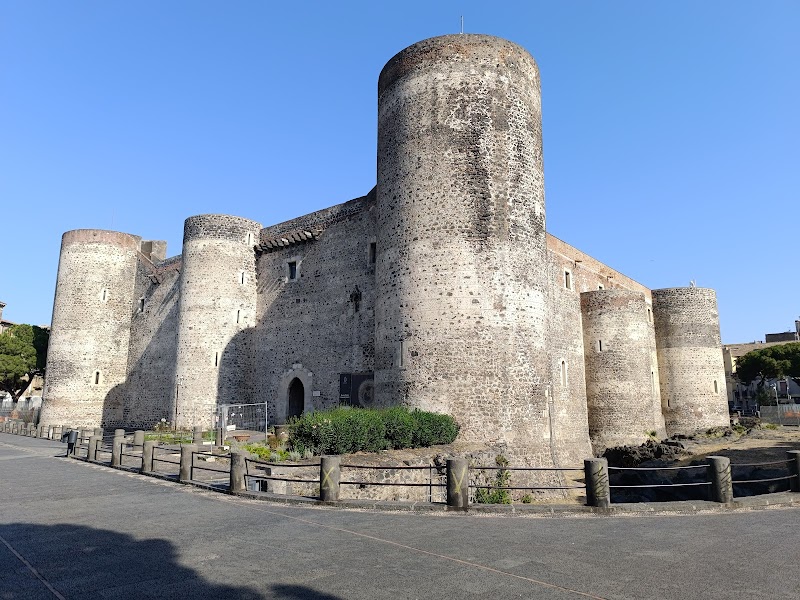
Ursino Castle is the practical history stop: a 13th-century Norman fortress in downtown Catania that now works as an art museum. It is useful on a cruise day because you can keep the visit contained, moving through courtyards, medieval artifacts, and exhibits without committing to a marathon museum session. Choose it if you like stone walls, older Sicilian power politics, and a little shade from the street noise. Skip it if your limited time is better spent outdoors or if Etna is already taking most of the day.
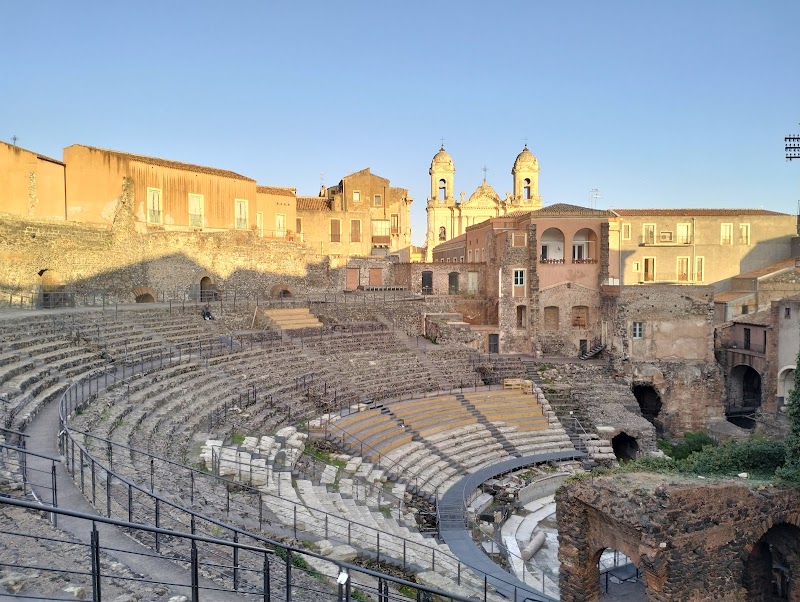
The Roman Theatre is the city at its most layered: a 2nd-century amphitheater set inside modern Catania, with underground passages and an odeon nearby. It is not the biggest ancient site in the Mediterranean, but that is part of the appeal for a port stop. You can get the archaeological hit without surrendering the whole day. Prioritize it if ruins are your thing or if you are building a compact city route around older stone, courtyards, and churches. It is less essential for travelers who need big, polished monuments.
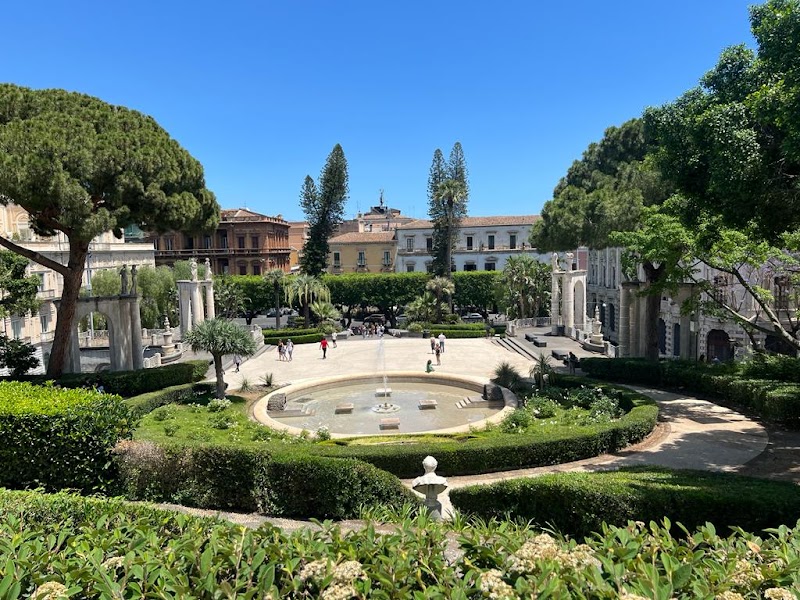
Giardino Bellini is the reset button. After fish-market noise, baroque interiors, or a hot walk through the city, this public park gives you statues, a bandstand, green space, and views toward Mount Etna when conditions cooperate. It is not a reason to choose Catania by itself, but it is a smart pause for travelers who want the day to breathe. Bring gelato or coffee, sit for a minute, and use it as a low-effort add-on rather than a headline attraction.
Best when your city route needs air, shade, and a slower beat.
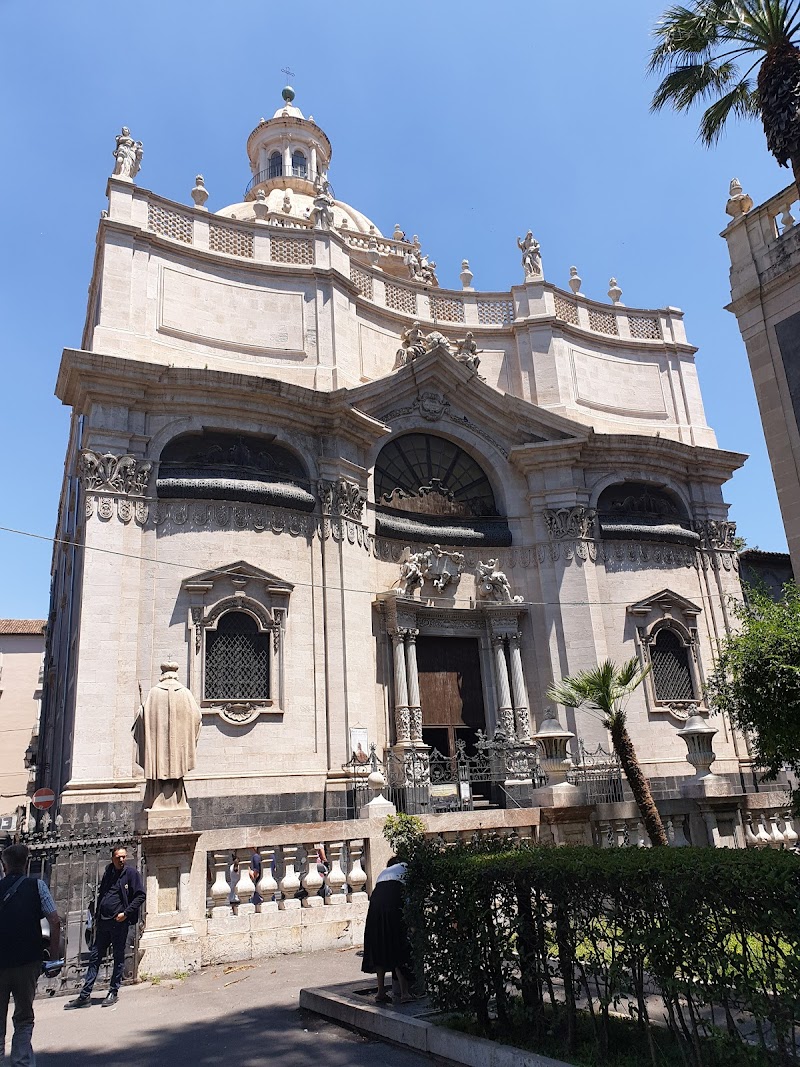
Badia di Sant'Agata is for travelers who notice small rooms and specific details. The chapel is tiny, baroque, and devotional, with St. Agatha's relics underground and azulejos tiles that give the interior an unexpected visual kick. It works best after the Duomo, when you already have the big cathedral context and want something quieter. This is not the stop for anyone racing through a greatest-hits route, but it rewards people who prefer intimate interiors over another wide plaza photo.
2nd-century amphitheater with underground passages and odeon nearby. Climb for Acropolis views. Ancient ruin amid city.
Chaotic outdoor market yelling vendors selling swordfish and seafood. Morning visit for atmosphere and photos. Authentic Sicilian vibe.
Modern complex in old sulfur plant with contemporary art and events. Rotating exhibits for quick browse. Industrial repurposed space.
Ornate noble palace with frescoed ceilings and Sicilian puppets. Smaller crowds for intimate tour. Lavish hidden gem.