ES
Cruises to Cartagena
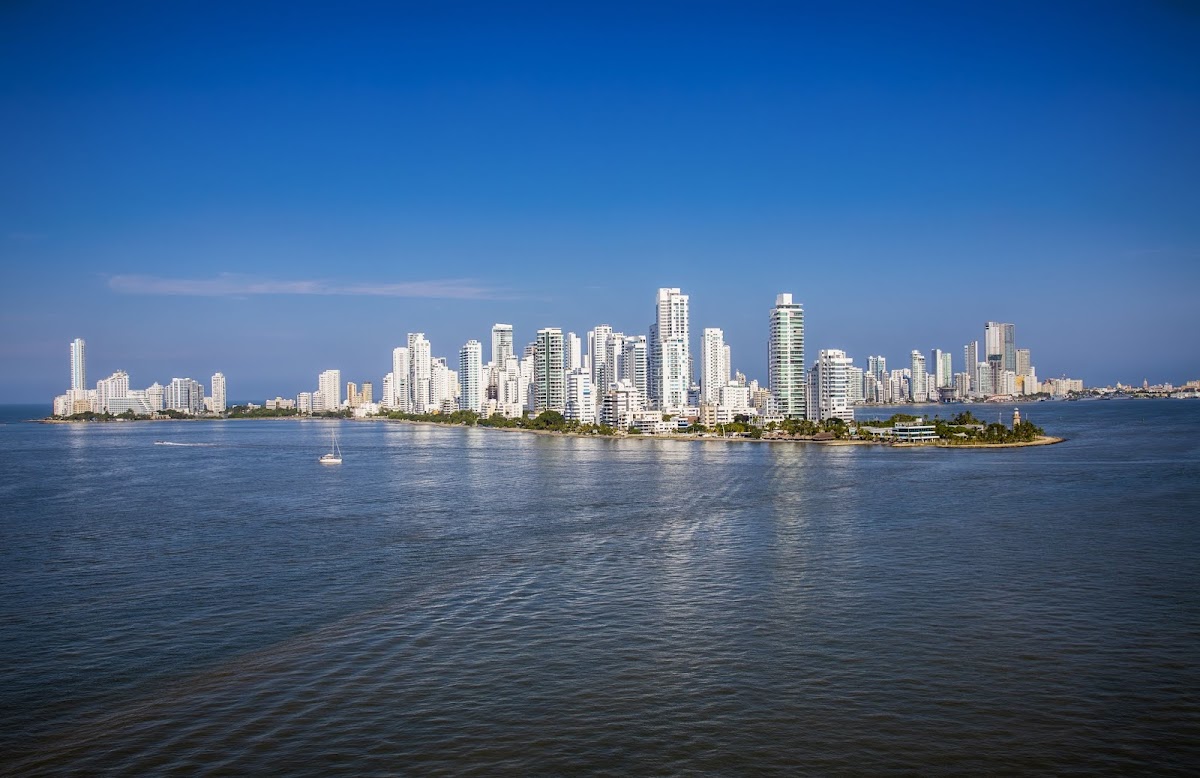
Cartagena turns a cruise stop into a layered history crawl, with Roman stone, old defenses, maritime artifacts, and skyline views close to the action.
Upcoming visits
50
Best fare
$107 per night
Cartagena turns a cruise stop into a layered history crawl, with Roman stone, old defenses, maritime artifacts, and skyline views close to the action.
Find Cartagena on Google Maps before you plan the port day.
Cartagena is not the Mediterranean port where you need to chase a faraway checklist. Its best material is right in the city: a Roman theatre with the sea in view, fortifications wrapping the old town, sacred interiors, and museums that connect the harbor to centuries of trade and wreckage. For cruise passengers, that makes the stop unusually efficient. You can build a strong day around one major ancient site, one view, and one indoor reset without feeling like you spent the visit in transit.
The trick is not to treat Cartagena as a background stop between bigger-name ports. It has enough texture for history people, architecture watchers, and anyone who likes a city that shows its layers without overexplaining them. Prioritize the Roman Theatre if you want the essential image, the city walls if you want movement and perspective, and the underwater archaeology museum if the port setting itself is what interests you. Add a cathedral, art museum, park, or cave-painting hike depending on how niche you want the day to get.
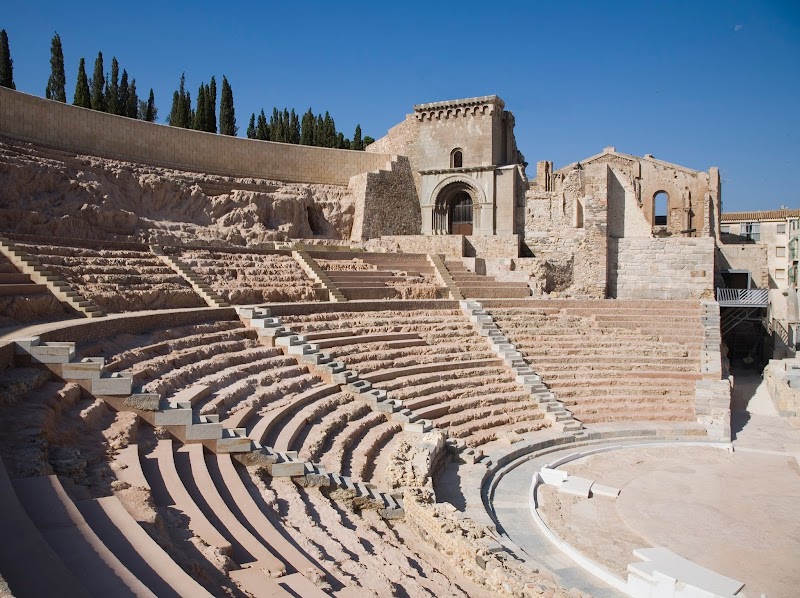
The Roman Theatre is the cleanest argument for booking an itinerary that calls here. It is a 1st-century arena built for thousands, and the tiered seating still gives the day its postcard angle, especially with sea views in the frame. The underground museum keeps it from being just a quick photo stop, adding context before or after you climb through the ruins. If you only have room for one historic site in Cartagena, make it this one. It fits first-timers, ancient-history nerds, and anyone who wants a port day that feels specific to the city rather than interchangeable.
Make the Roman Theatre your anchor, then build the rest of the day around nearby history or views.
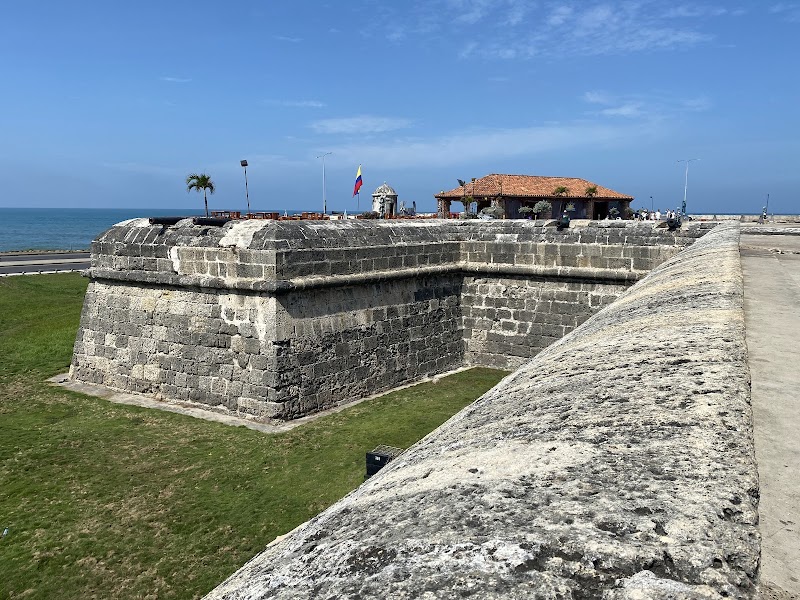
The city walls give Cartagena scale. Instead of seeing the old town as a set of isolated monuments, you get the defensive logic around it: ramparts, batteries, and the sense of a place built to watch the water and protect itself. This is a strong choice if you prefer to keep moving during a cruise stop rather than spend the whole day inside museums. It is also one of the better ways to reset after the Roman Theatre, because the experience is more about angles, open air, and the line between city and harbor than labels behind glass.
Extensive fortifications circling the old town with ramparts to walk. Cannon batteries defend. Historic defense.
1st-century arena seating 6,000 with sea views from tiers. Underground museum adds depth. Portside antiquity.
Baroque basilica with Murcian tiles and tower climbs. Sacristy artworks glow. Central piety.
Ride to Santa Lucia hill for aerial cityscapes and park relaxation. Quick loop. Panoramic fun.
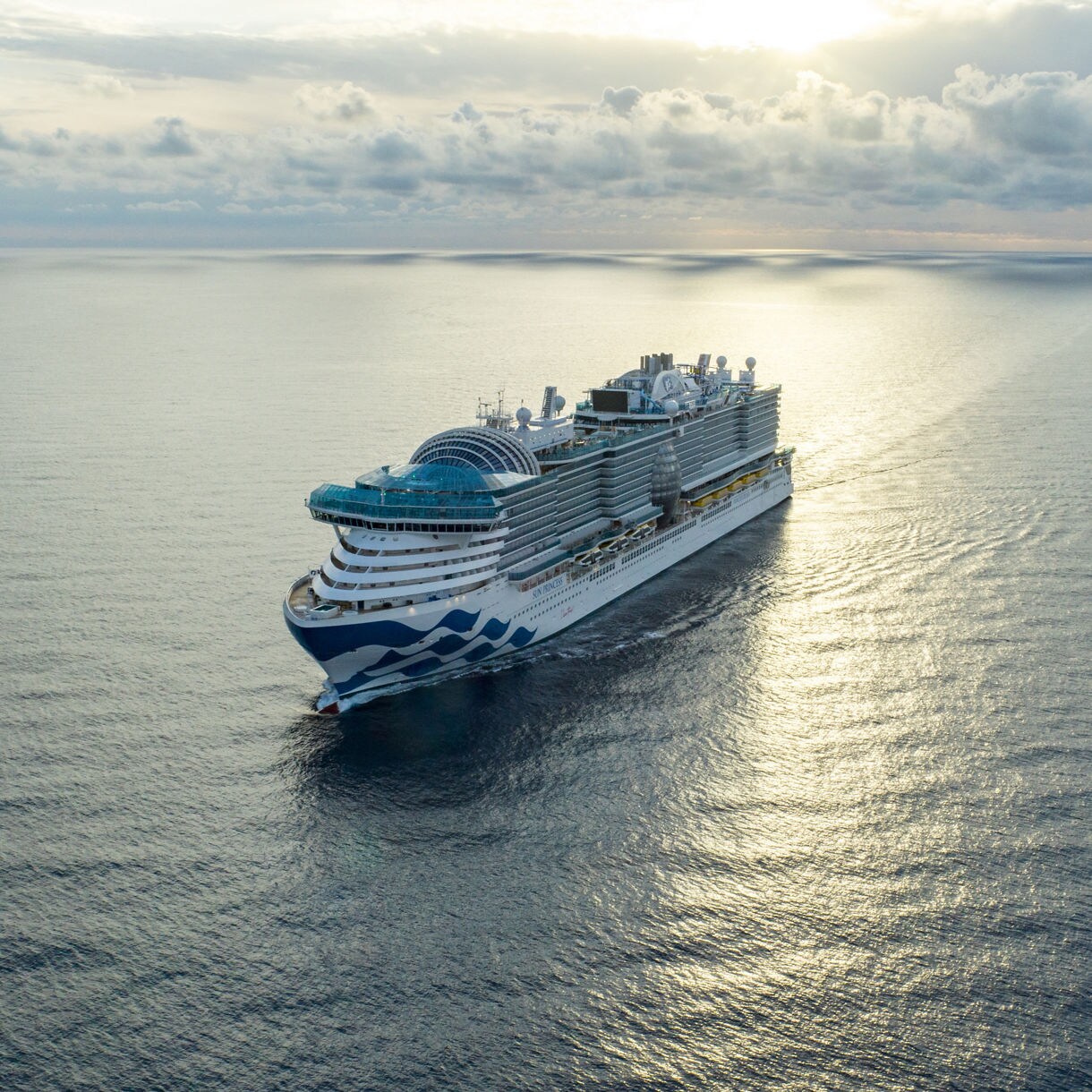
Current sailings visiting this port, sorted by the lowest tracked cabin price per night.
Built 2024
Fort Lauderdale · Tenerife · Cartagena · Mallorca · Barcelona
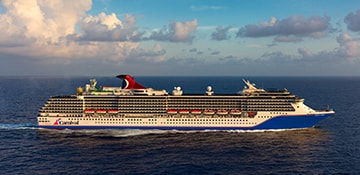
Built 2002
Rome · Cartagena · Málaga · Gibraltar · Bermuda · Tampa
Built 2010
Barcelona · Mallorca · Cartagena · Málaga · Tangier · Bermuda · Fort Lauderdale
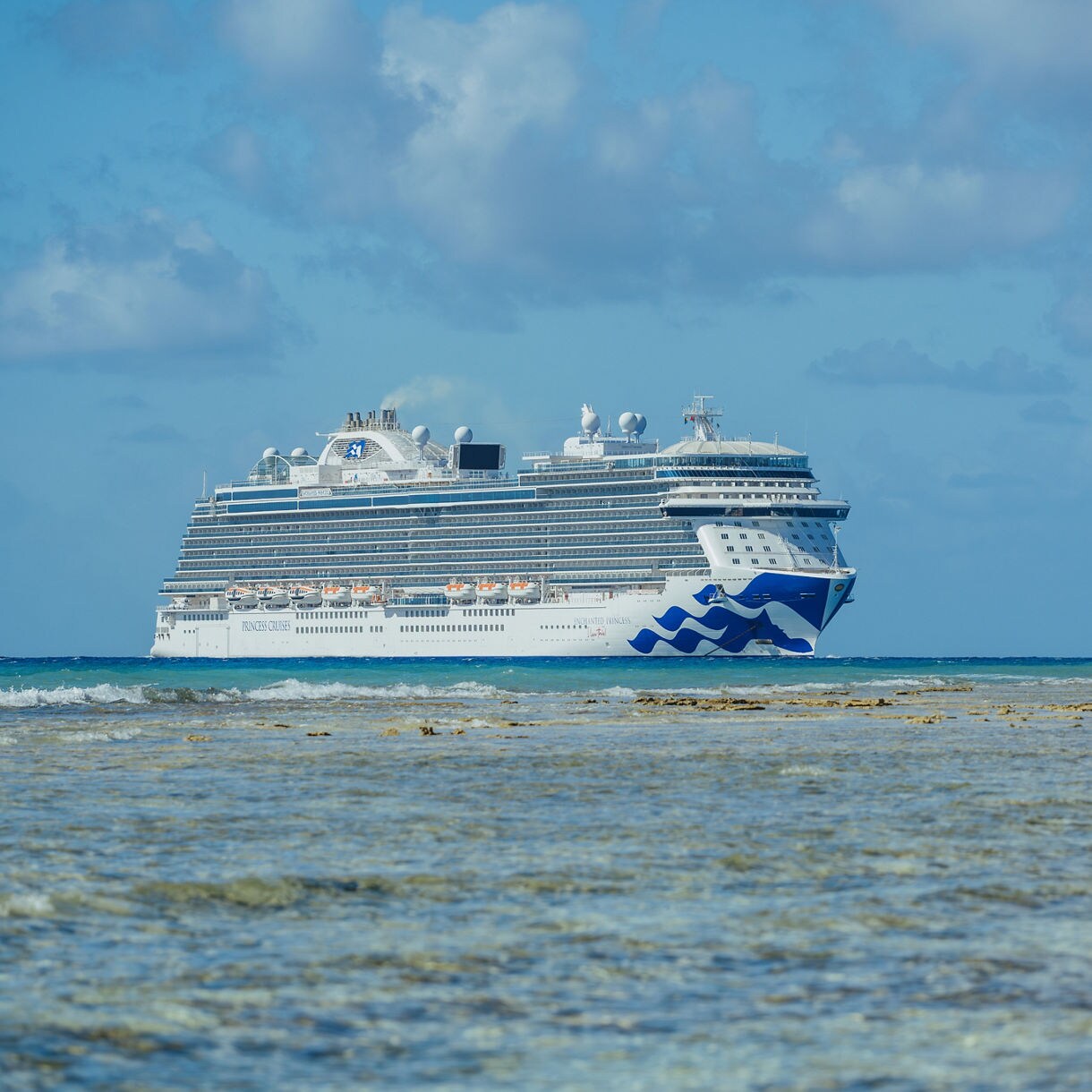
Built 2020
Fort Lauderdale · Bermuda · Azores · Gibraltar · Cartagena · Ajaccio · Rome
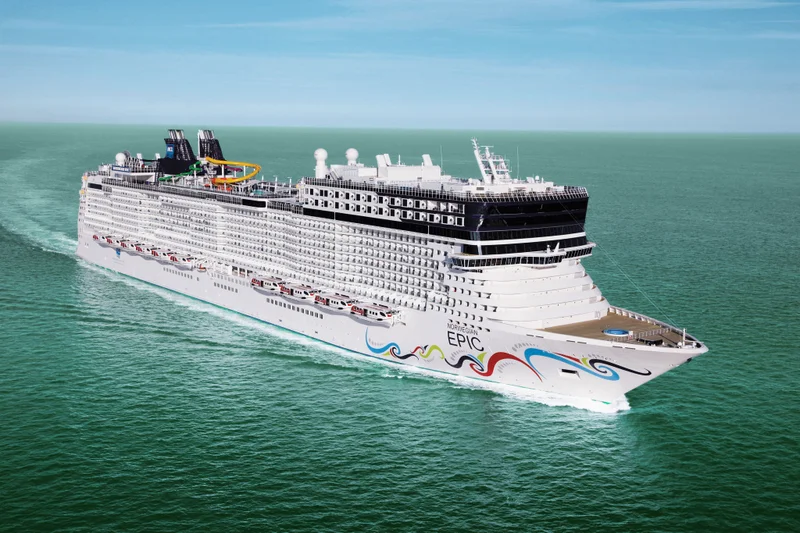
Built 2010
Port Canaveral · Madeira · Motril · Cartagena · Ibiza · Mallorca · Barcelona
Built 2002
Tampa · Bermuda · Azores · Málaga · Cartagena · Rome
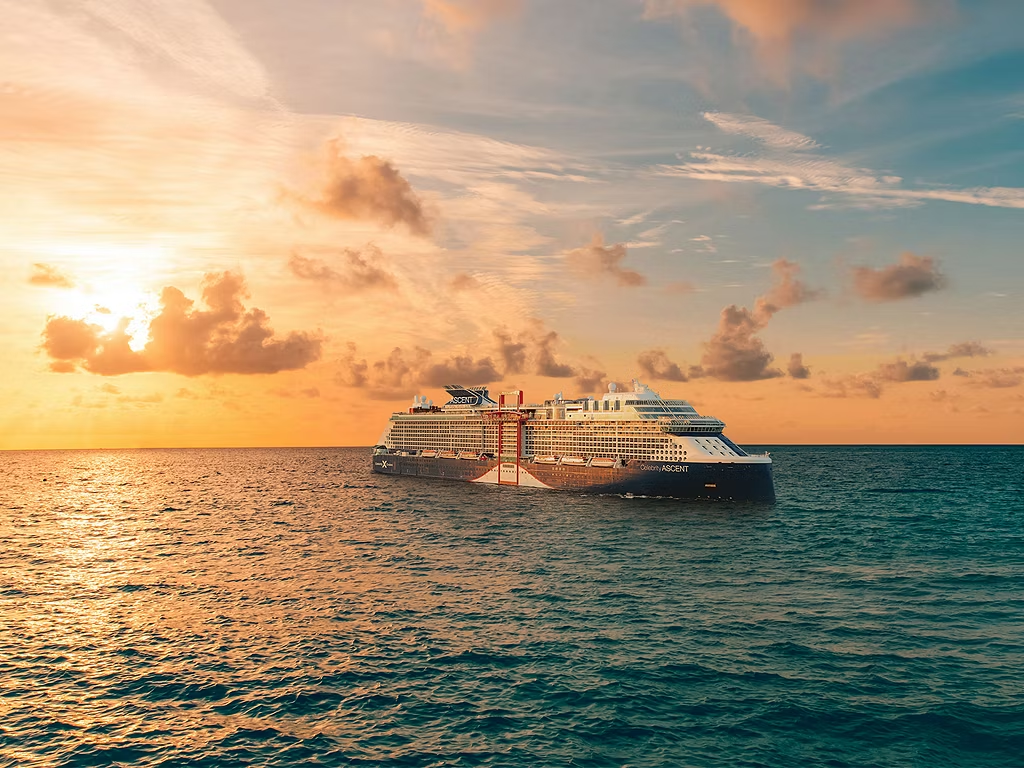
Built 2023
Fort Lauderdale · Bermuda · Azores · Málaga · Cartagena · Rome
Built 2010
Barcelona · Mallorca · Cartagena · Málaga · Gibraltar · Bermuda · Fort Lauderdale
Built 2024
Fort Lauderdale · Tenerife · Cartagena · Mallorca · Barcelona · Marseille · Ajaccio · Genoa · La Spezia · Rome
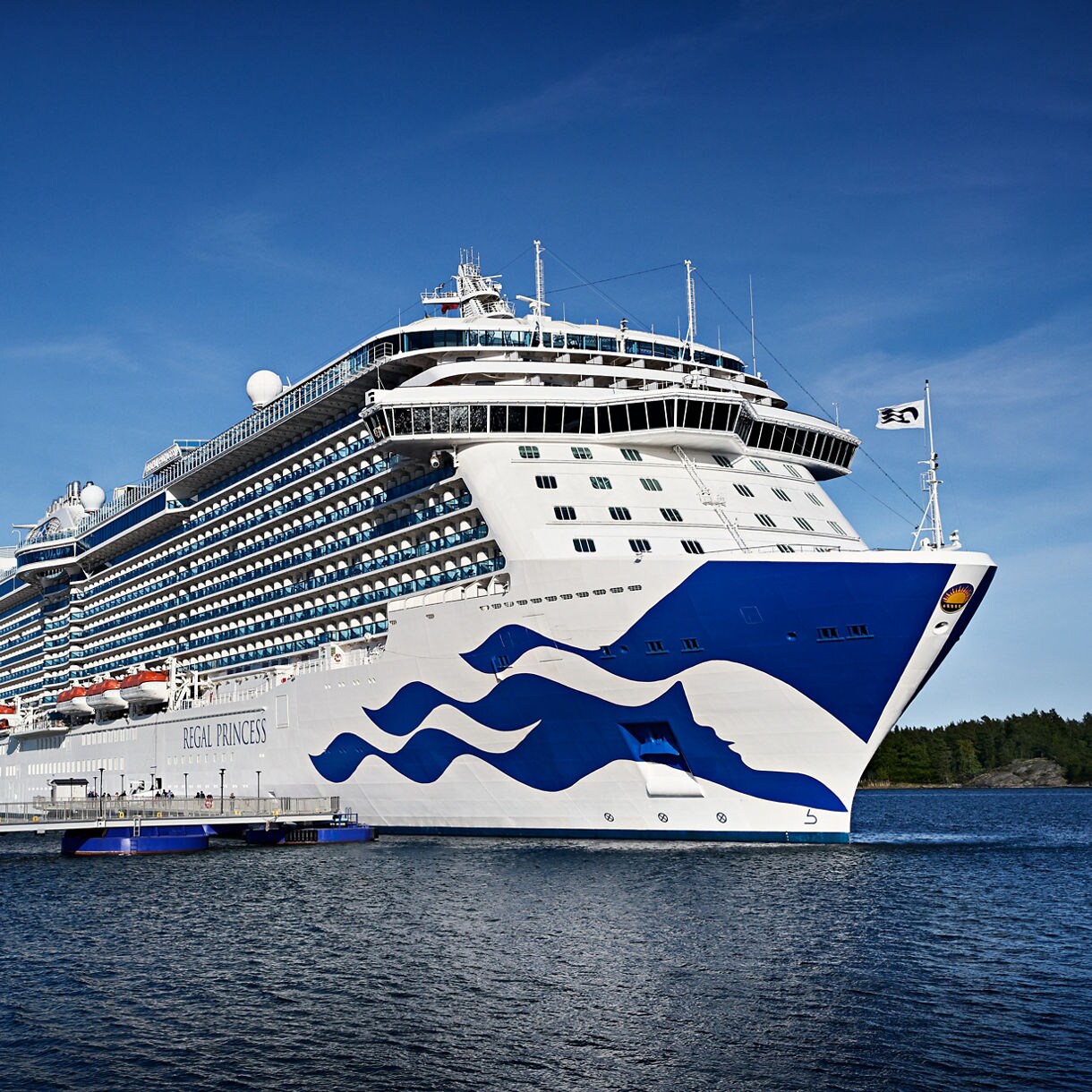
Built 2014
Fort Lauderdale · Azores · Vigo · Cherbourg · Southampton · Cádiz · Barcelona · Toulon · Florence · Ajaccio · Alghero · Ibiza · Cartagena
Built 2023
Fort Lauderdale · Bermuda · Azores · Málaga · Cartagena · Rome
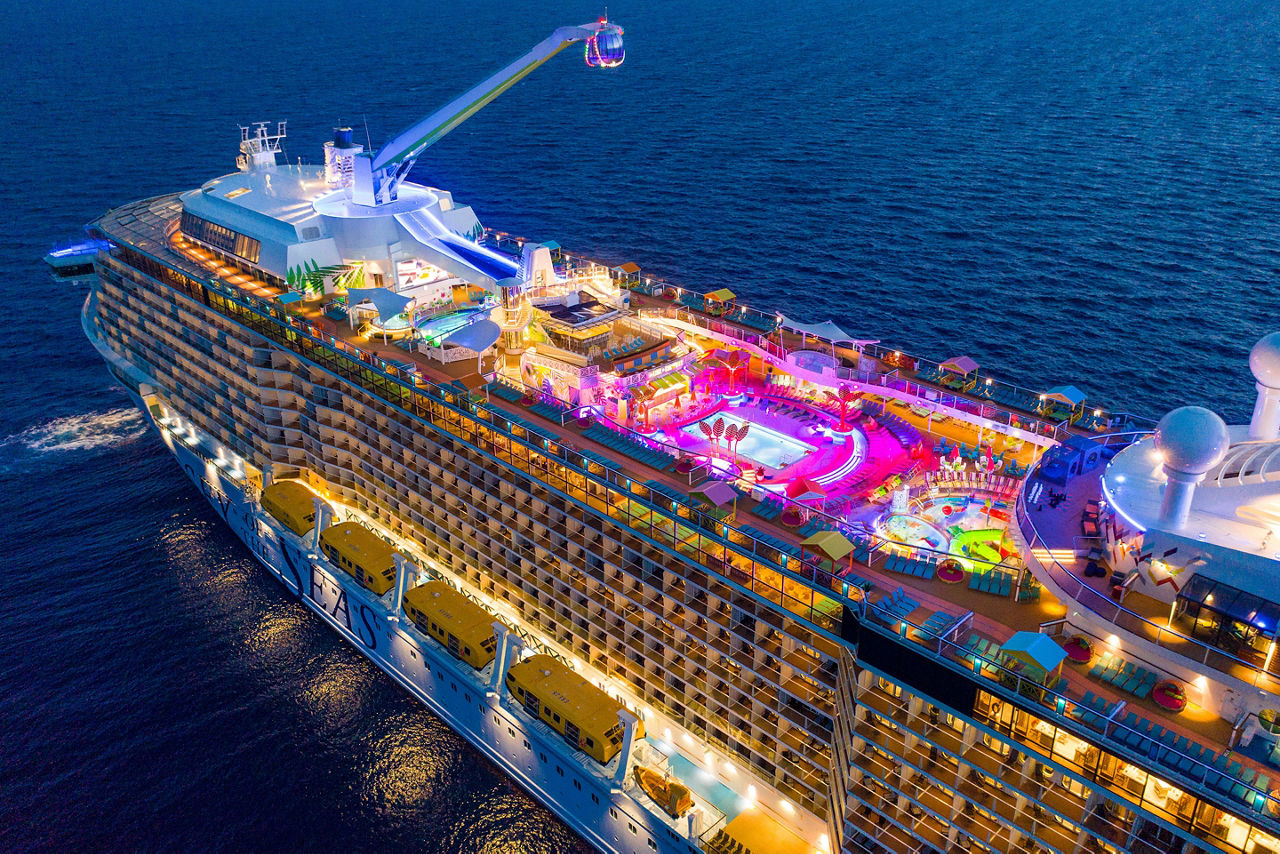
Built 2021
Rome · Florence · Barcelona · Cartagena · Lisbon · Azores · New York
Choose the walls when you want views, movement, and a clearer sense of Cartagena's fortified shape.
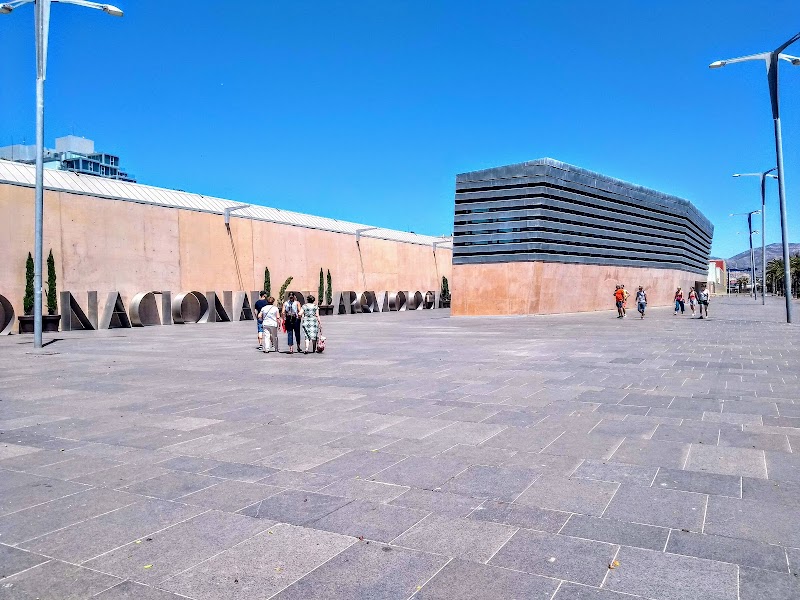
The National Museum of Underwater Archaeology is the most on-theme indoor stop in Cartagena. Its focus on wrecks, amphoras, Phoenician treasures, and nearby seas makes the port feel less like a backdrop and more like the point of the visit. It is especially useful if you want an attraction that connects maritime history to what you are literally arriving by ship to see. The AR exhibits add some energy, so this is not only for people who read every plaque. Pair it with the Roman Theatre for a history-heavy day that still has variety.
If you want maritime context instead of another generic museum, this is the Cartagena choice.
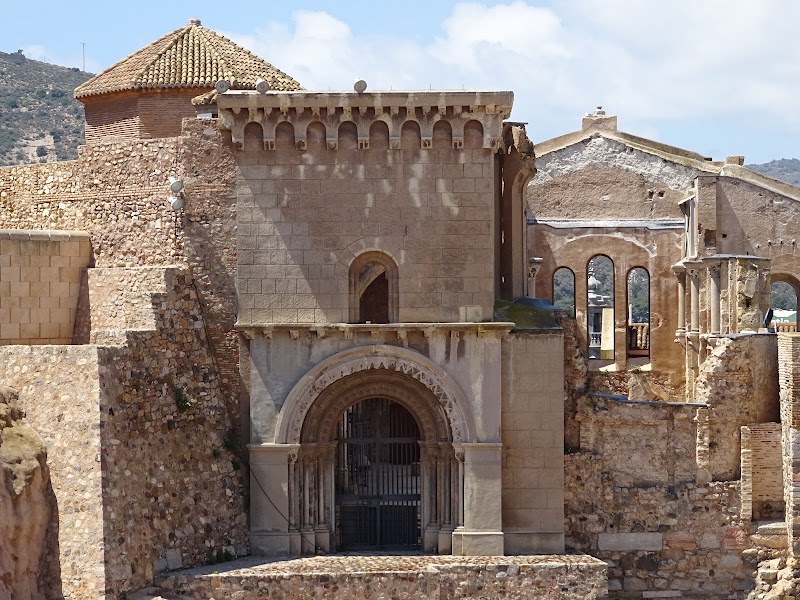
The Cathedral of Santa Maria works best as a slower counterpoint to Cartagena's military and Roman sites. Its Baroque character, Murcian tiles, sacristy artworks, and tower climb give you a different register of the city: devotional, decorative, and more intimate. This is not the stop to rush through just to tick off another landmark. It fits travelers who like sacred architecture, small visual details, and a quieter break between bigger-ticket ruins. If your port day is already packed, consider it an add-on; if churches are your thing, give it real time.
Come for the tiles and artworks, not just to say you saw the cathedral.
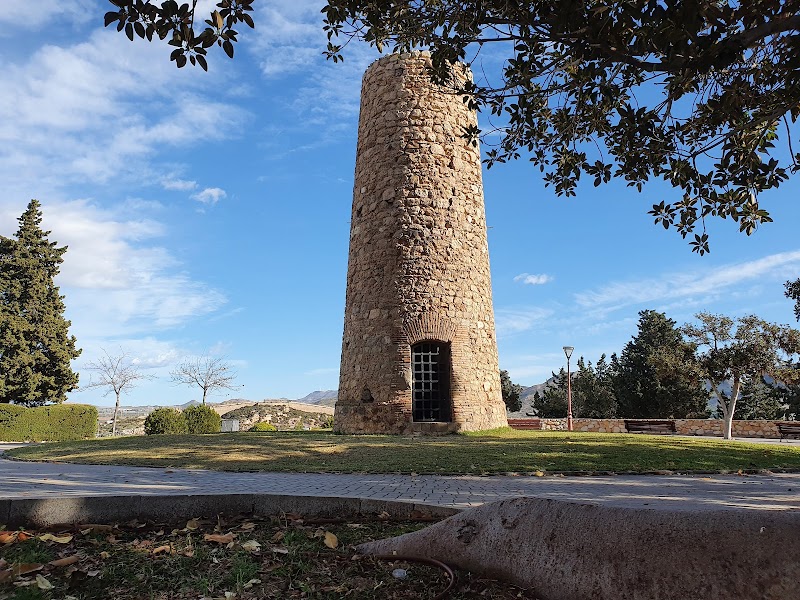
Torres Park is the kind of secondary stop that can make a Cartagena day feel less museum-bound. Set in a former Roman quarry, it trades heavy interpretation for cactus gardens, elevator views, and a more relaxed visual rhythm. It is a smart pick if your group is split between history people and travelers who just want a scenic pause. The Perla Cable Car, with its ride up to Santa Lucia hill, fits a similar role if you want aerial cityscapes in a quick loop. Think of these as view breaks, not the main reason to come ashore.
Use Torres Park or the cable car as a palate cleanser between denser historic stops.
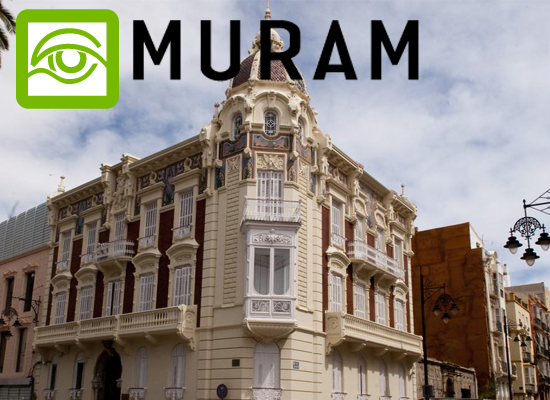
If you have already done the obvious Cartagena route, the city has stranger edges. The Modern Art Museum brings Picasso and Dali into a building tied to a much older cave setting, which is exactly the kind of contrast that can rescue a history-heavy day from sameness. For a more outdoorsy detour, the Galeras Hill Cave Paintings add Neolithic red-ochre art after a short hike. El Cementerio Viejo is more niche still, with 19th-century tombs, marble mausolea, and local ghost lore. These are not first-stop priorities, but they reward repeat visitors and curious planners.
After the Roman Theatre and walls, Cartagena gets weirder in the best way.
Wrecks, amphoras, and Phoenician treasures from nearby seas. AR exhibits engage. Maritime trove.
Picasso and Dali in a 6000BC cave building fusion. Contemporary edge. Cultural contrast.
Roman quarry turned cactus garden with elevator views. Exotic flora. Desert oasis.
Neolithic art in cliffside caves via short hike. Mystic red ochre. Ancient whispers.