ES
Cruises to Almería
Almeria is a compact Mediterranean call with a serious fortress, strange landscapes, and enough beach-and-tapas slack to keep the day from feeling overplanned.
Upcoming visits
3
Best fare
$491 per night
Almeria is a compact Mediterranean call with a serious fortress, strange landscapes, and enough beach-and-tapas slack to keep the day from feeling overplanned.
Find Almería on Google Maps before you plan the port day.
Almeria is not the loudest Mediterranean port, which is part of the appeal. The city gives you a clean cruise-day choice: stay close and build the stop around Moorish walls, a fortress-cathedral, white alleys, tapas bars, and an easy urban beach, or use the call as a launch point for landscapes that feel almost cinematic. The textures are the hook here. You get Arab fortress stone, Gothic interiors, volcanic coast, cactus country, and a desert with western-film mythology, all without needing the port to pretend it is another Barcelona or Palma.
For a first visit, the smartest plan is usually one anchor plus one soft landing. Pair the Alcazaba with the Old Town or Cathedral if you want history without spending the whole day in transit. Choose Cabo de Gata if your ideal port photo is cliffs, raw beaches, and Andalusia at its driest and wildest. Pick Playa de las Almadrabillas when you want a low-friction swim and lunch near the water. Almeria rewards travelers who decide what mood they are in before leaving the ship, then leave room for a slow wander rather than packing every stop into a checklist.
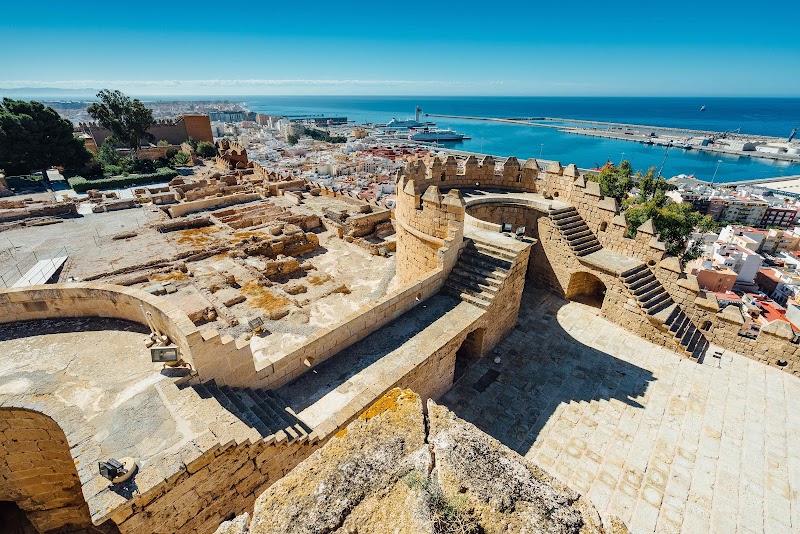
The Alcazaba de Almeria is the sight that gives the port its sharpest identity. It is a vast Arab fortress of gardens, towers, baths, and layered Moorish history, with hilltop views that make the climb feel earned. For cruise passengers, it works because it gives you architecture, context, and a strong visual payoff in one focused stop. If you only want one historic landmark before lunch, make it this. It fits travelers who like ruins with atmosphere, not just plaques, and it pairs naturally with a slower wander through the older streets below.
Start here if you want Almeria to feel distinct from other Mediterranean calls.
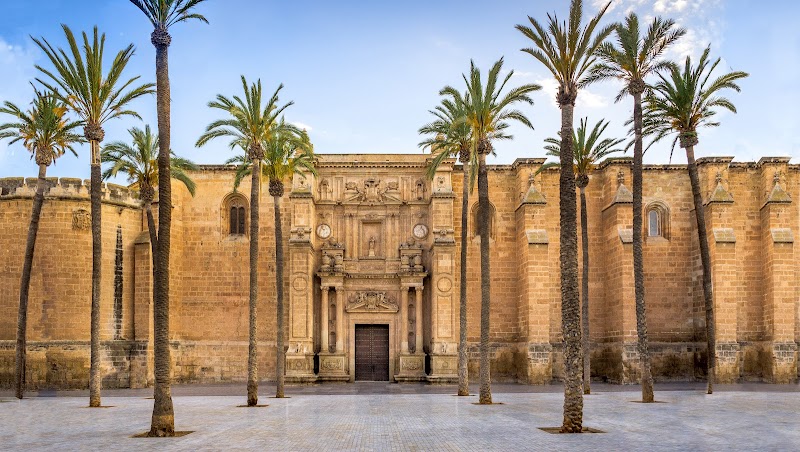
Almeria Cathedral is not just another pretty church stop. Its appeal is the hybrid: Renaissance fortress-cathedral outside, defensive walls, and a Gothic interior that gives the building a slightly severe edge. That makes it a good second anchor after the Alcazaba, especially if you want the city day to stay compact and architectural. It suits travelers who like places where design has a practical backstory, not just decoration. If your port stop is short or you do not want to commit to an out-of-town nature plan, this is one of the easiest ways to add substance.
Vast Arab fortress with gardens, towers, baths. Moorish history. Hilltop views.
Rugged volcanic beaches, cliffs, snorkeling. Flamingos and cacti. Wild Andalusia.
Renaissance fortress-cathedral with defensive walls. Gothic interior. Unique hybrid.
Urban beach near port with chiringuitos. Swim and sangria. Easy beach day.
Current sailings visiting this port, sorted by the lowest tracked cabin price per night.
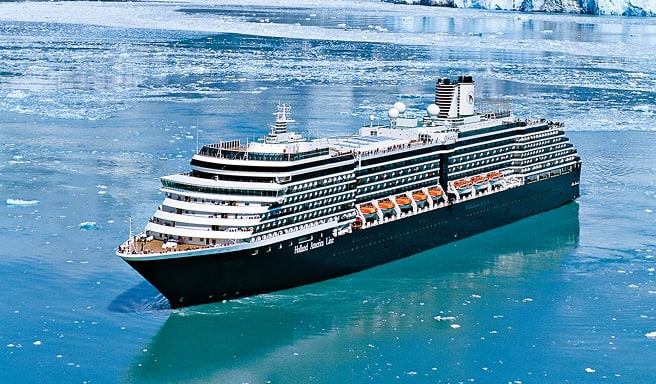
Built 2003
Barcelona · Málaga · Tangier · Almería · Cagliari · Rome · Florence · Ajaccio · Marseille · Valletta · Chania · Mykonos · Ephesus · Athens
Built 2003
Trieste · Zadar · Dubrovnik · Kotor · Corfu · Messina · Naples · Rome · Barcelona · Málaga · Tangier · Almería · Cagliari · Florence · Ajaccio · Marseille
Built 2003
Barcelona · Málaga · Tangier · Almería · Cagliari · Rome · Florence · Ajaccio · Marseille
Match the cathedral with the Alcazaba or Old Town for a tight history-focused day.
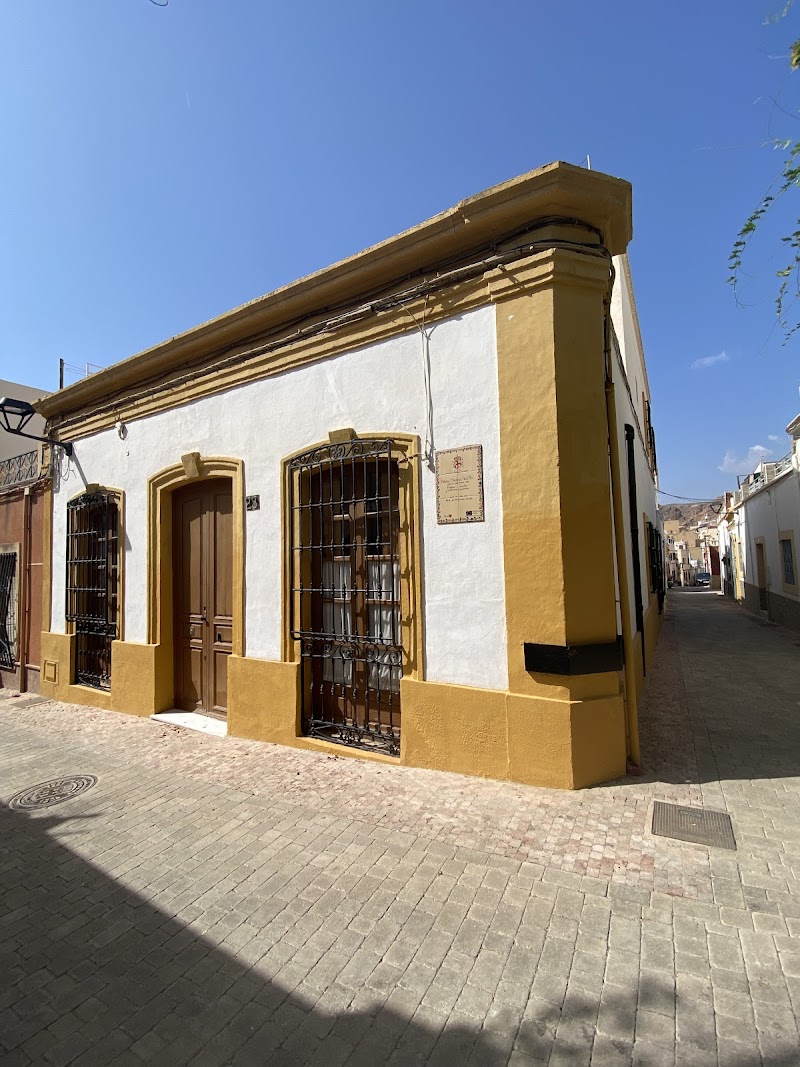
Old Town, also known as Barrio de la Medina, is where Almeria becomes less about checking off monuments and more about noticing the city between them. Expect whitewashed alleys, tapas bars, and traces of the old Islamic quarter. It is best treated as connective tissue: the part of the day that keeps a fortress-and-cathedral plan from feeling too rigid. This is the right choice for travelers who prefer wandering over scheduling, or anyone who wants a food break without turning lunch into the only event. Do not rush it just to add another landmark.
Use the Old Town as your buffer between major sights, not as a box to tick.
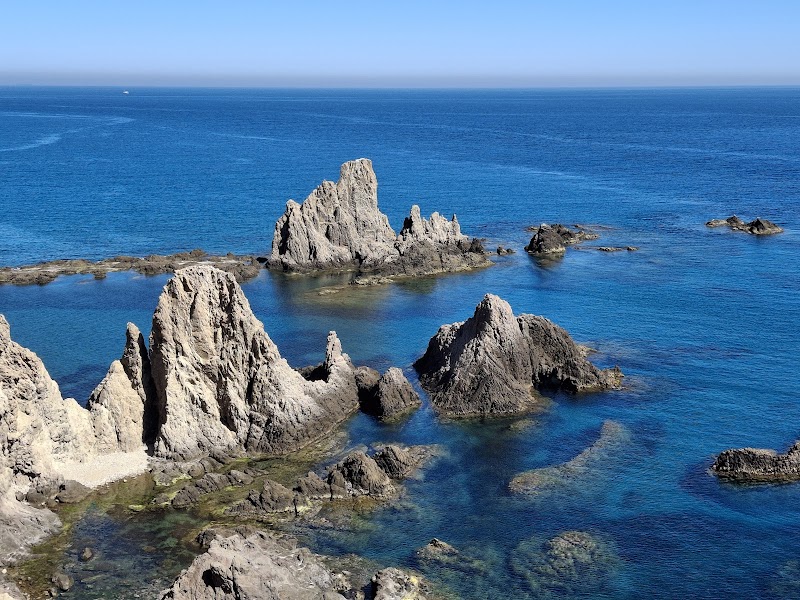
Cabo de Gata Natural Park is the move if your ideal Mediterranean stop is less polished promenade, more volcanic beaches and hard-edged cliffs. The park brings snorkeling, cacti, flamingos, and a dry, wild version of Andalusia that looks unlike the softer coastal towns many cruises repeat. Treat it as the main event rather than a quick add-on, because its value is in the landscape, not a single viewpoint. It fits active travelers, photographers, and anyone who would rather trade city sightseeing for rugged coast. If you pick Cabo, let the city wait.
Prioritize Cabo de Gata when scenery matters more than monuments.
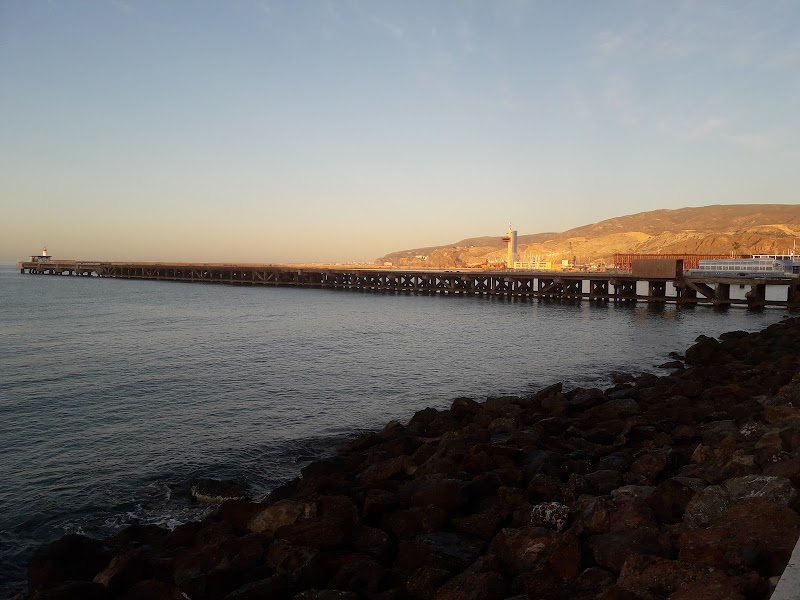
Playa de las Almadrabillas is the no-drama beach option: urban, near the port, and built for a simple swim-and-sit reset. The chiringuitos make it especially useful if your energy drops after a morning of stone walls and museum floors. This is not the place to chase the wildest coast in the region; that is Cabo de Gata's lane. Its strength is convenience. It fits travelers who want sand without turning the port day into logistics, or anyone who likes the idea of ending with sangria and sea air before heading back.
Use this for an easy coastal pause, not for a full adventure day.
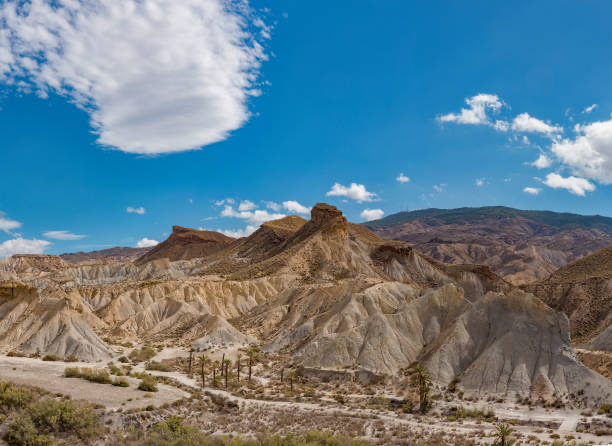
Tabernas Desert is Almeria's strangest flex: Europe's only desert, with cactus canyons and western movie set tours that lean into the area's Spaghetti Western reputation. It is not the obvious first-timer choice if you still want the Alcazaba, cathedral, and tapas in town, but it is memorable in a totally different way. Treat it as a specialty outing for film fans, desert-landscape obsessives, or travelers bored by another church-and-square loop. The payoff is visual weirdness: a dusty cinematic backdrop that feels more frontier than Mediterranean beach day.
Best for film buffs and travelers who like landscapes with a story.
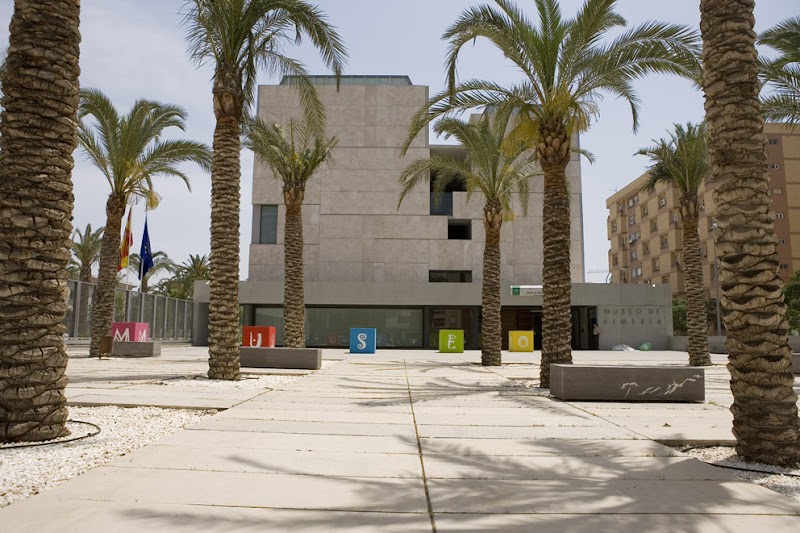
The Archaeological Museum is the stop for travelers who want Almeria to go further back than fortress walls. Its modern displays include Neolithic dolls and Iberian gold, making it a focused prehistory dive rather than a generic rainy-day backup. For cruise passengers, it works best as a smart add-on to a city route, especially if you prefer objects and interpretation to another outdoor viewpoint. It may not beat the Alcazaba for a first look at the city, but it gives the day an intellectual edge and a break from the sun.
Pick this when artifacts sound better than another photo stop.
Europe's only desert—western movie sets tours. Cactus canyons. Spaghetti Western magic.
Whitewashed alleys, tapas bars, Islamic quarter. Authentic charm. Wander delight.
Neolithic dolls and Iberian gold. Modern displays. Prehistory deep dive.
Giant open-air mall with fashion, food. AC haven. Bargain hunt.