International Waters
Cruises to Strait of Magellan
This is not a get-off-and-shop port; the Strait of Magellan is a slow-burn scenic passage best judged from the rail.
Upcoming visits
31
Best fare
$226 per night
This is not a get-off-and-shop port; the Strait of Magellan is a slow-burn scenic passage best judged from the rail.
Find Strait of Magellan on Google Maps before you plan the port day.
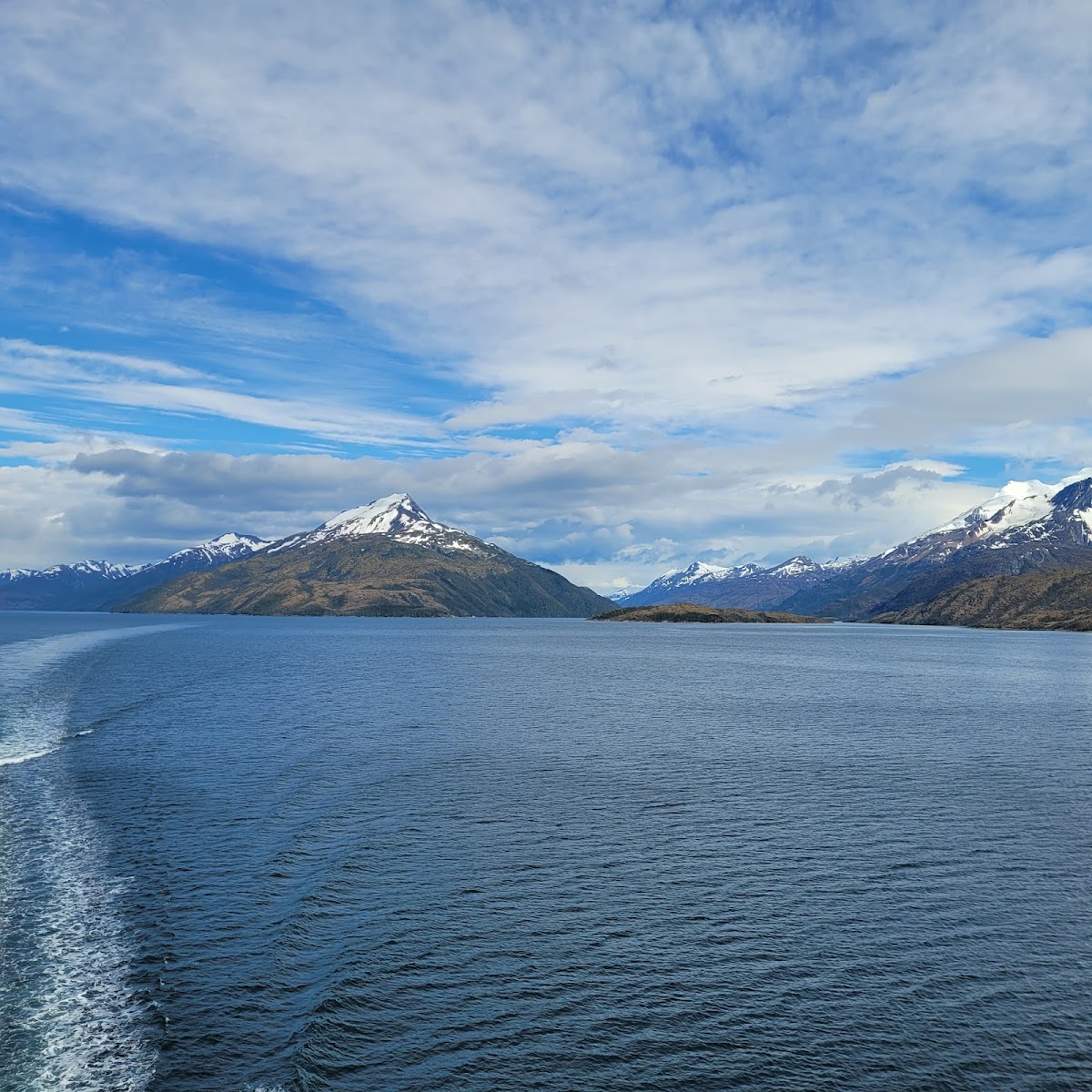
The Strait of Magellan is a different kind of cruise call. There is no neat checklist of cafes, cathedrals, and souvenir streets waiting at the gangway. The point is the passage itself: tight water, hard cliffs, forested islands, glaciers in the distance, and wildlife that may appear without warning. If you like destinations that make the ship feel like part of the landscape rather than just transportation, this is one of the stronger arguments for a South America itinerary.
Treat this as a deck day with strategy. The best moments can be quiet, far off, and over quickly, so it pays to know what you are watching for before you wander outside. Prioritize the narrows, fjord scenery, bird cliffs, and any wildlife-focused viewing opportunities your sailing highlights. If zodiac rides or tender stops are offered, they can add a closer look, but the core experience is still the big cinematic one: Patagonia sliding past while you are already onboard.
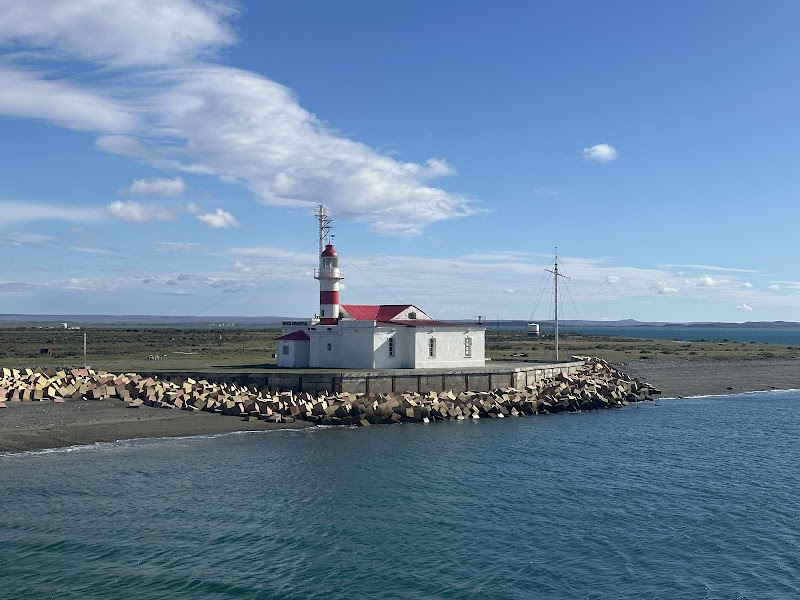
Punta Delgabo Viewpoints are the kind of Strait of Magellan scenery that justifies clearing your schedule and going outside. The draw is scale: narrow water, cliffs, glacier views, and the chance of wildlife while the ship moves through the passage. This is a priority for photographers, geography nerds, and anyone who likes their cruise days less polished and more elemental. If onboard commentary is offered, this is the moment to listen rather than treat the scenery as background.
Be on deck before the tightest scenery arrives; the best angles can pass faster than expected.
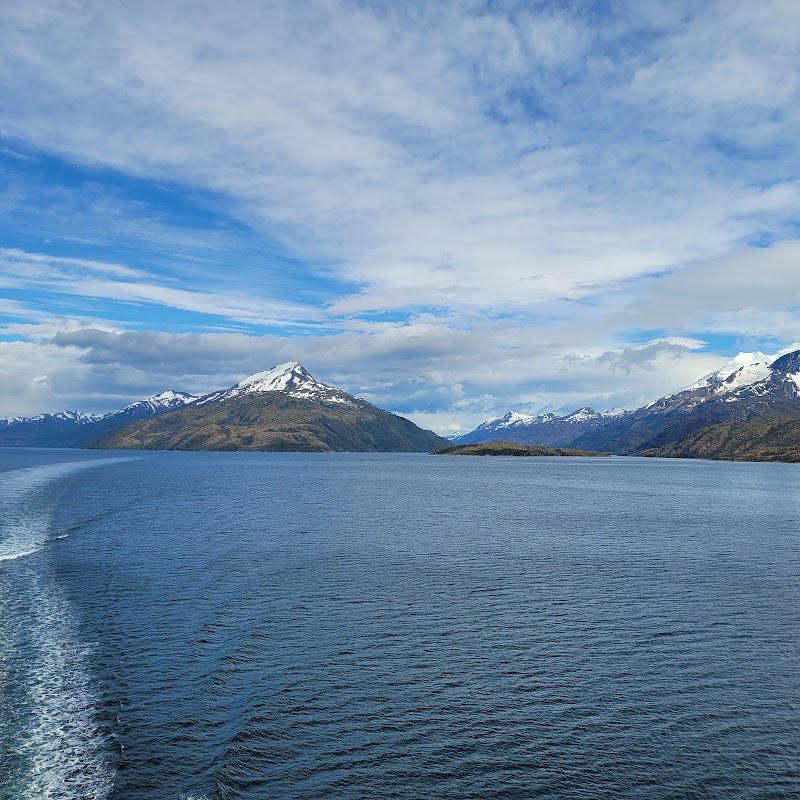
The Patagonian Fjords Panorama is the broad, moodier counterpoint to the narrows. Expect a moving backdrop of forested islands, glacier faces, and the possibility of calving ice, with the ship acting like your viewing platform. It is ideal for travelers who do not need constant activity to feel rewarded; the payoff is in watching the landscape change slowly. If you are choosing where to spend your energy, this belongs near the top because it captures the region at its most visually distinct.
Scenic narrows with cliffs and glaciers from ship/deck tour. Wildlife spotting. Passage highlight.
Glacier calvings and forested islands pass-by views. Onboard narration. Fjord beauty.
Bird cliffs visible from ship; zodiac cruises if offered. Penguins galore. Nature spectacle.
Humpbacks, orcas often sighted; deck binoculars. Marine life. Serene encounter.
Current sailings visiting this port, sorted by the lowest tracked cabin price per night.
Built 2009
Santiago · Strait of Magellan · Punta Arenas · Ushuaia · Cape Horn · Puerto Madryn · Punta del Este · Montevideo · Buenos Aires
Built 2009
Buenos Aires · Montevideo · Port Stanley · Cape Horn · Ushuaia · Strait of Magellan · Punta Arenas · Puerto Madryn · Punta del Este
Built 2009
Buenos Aires · Montevideo · Cape Horn · Ushuaia · Strait of Magellan · Punta Arenas · Puerto Madryn · Punta del Este
Built 2009
Buenos Aires · Montevideo · Port Stanley · Cape Horn · Ushuaia · Strait of Magellan · Punta Arenas · Puerto Madryn · Punta del Este
Built 2009
Buenos Aires · Montevideo · Puerto Madryn · Cape Horn · Ushuaia · Punta Arenas · Strait of Magellan · Santiago
Built 2009
Buenos Aires · Montevideo · Port Stanley · Cape Horn · Ushuaia · Strait of Magellan · Punta Arenas · Puerto Madryn · Punta del Este
Built 2009
Buenos Aires · Montevideo · Port Stanley · Cape Horn · Ushuaia · Strait of Magellan · Punta Arenas · Puerto Madryn · Punta del Este
Built 2009
Buenos Aires · Montevideo · Port Stanley · Cape Horn · Ushuaia · Strait of Magellan · Punta Arenas · Puerto Madryn
Built 2009
Buenos Aires · Montevideo · Port Stanley · Cape Horn · Ushuaia · Strait of Magellan · Punta Arenas · Puerto Madryn · Punta del Este
Built 2009
Buenos Aires · Montevideo · Port Stanley · Cape Horn · Ushuaia · Strait of Magellan · Punta Arenas · Puerto Madryn · Punta del Este
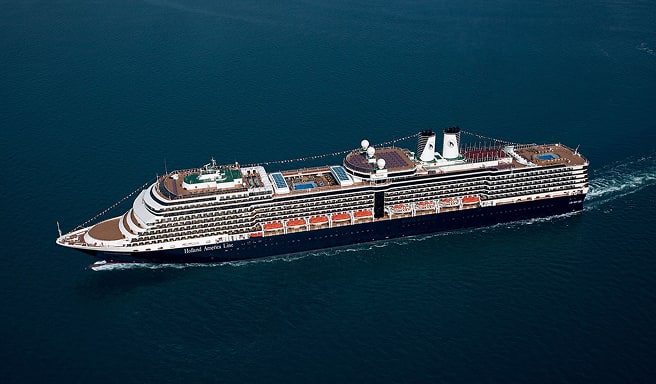
Built 2010
Vancouver · San Francisco · San Diego · Cabo · Huatulco · Puerto Quetzal · Puntarenas · Manta · Salaverry · Lima · General San Martín · Arica · Coquimbo · San Antonio · Puerto Montt · Puerto Chacabuco · Pío XI Glacier · Strait of Magellan · Punta Arenas · Cockburn Channel · Beagle Channel · Ushuaia · Port Stanley · Montevideo · Buenos Aires
Built 2009
Buenos Aires · Montevideo · Port Stanley · Cape Horn · Ushuaia · Strait of Magellan · Punta Arenas · Puerto Madryn · Punta del Este
Travelers who would rather watch wild scenery unfold than rush through a conventional shore excursion.
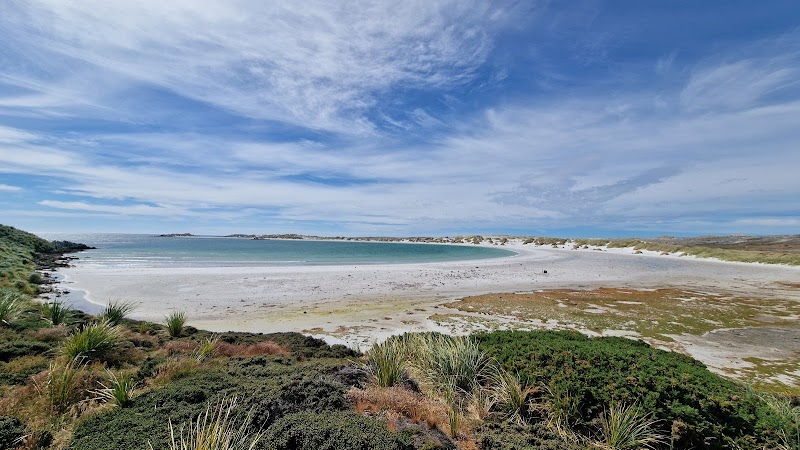
The Magellanic Penguin Colonies are a reminder that the Strait is not just scenery; it is habitat. Bird cliffs may be visible from the ship, and some sailings may offer zodiac-style outings that bring wildlife into sharper focus. This is a strong pick for animal-focused travelers, but it comes with the usual reality check: sightings and access depend on conditions and the way your itinerary is run. Bring patience and pay attention to announcements, because the best wildlife moments rarely wait for you to be ready.
Penguin viewing is never a staged show. Treat it as a bonus you actively watch for, not a guaranteed photo op.
The Whale Watching Passage is less about one fixed viewpoint and more about staying alert during the transit. Humpbacks and orcas are often reported in these waters, but the experience is still refreshingly unscripted: a fin, a blow, a brief surface moment, then open water again. This suits travelers who enjoy the chase as much as the sighting. Do not bury yourself inside all day and expect the ship to deliver the moment to you; this is where deck time and binoculars matter.
Binoculars make a real difference here, especially when wildlife appears far from the ship.
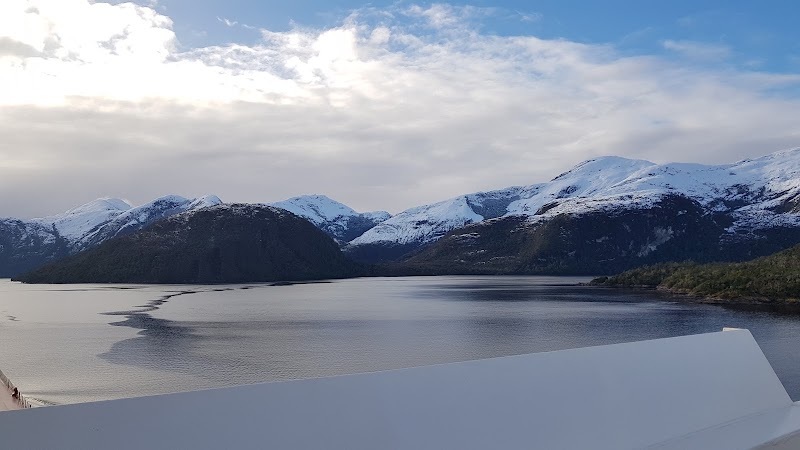
Shipwreck Bay Observation adds a harsher texture to the day. Rusted wrecks along the shoreline shift the mood from pure landscape to maritime history, and they photograph well from the deck if the ship passes close enough for a clean view. This is not the headliner over glaciers or wildlife, but it is worth watching for if you like places with a little unease in the frame. Think of it as a secondary highlight that gives the passage more story.
Photographers who like weathered details, empty shorelines, and scenes with a darker edge.
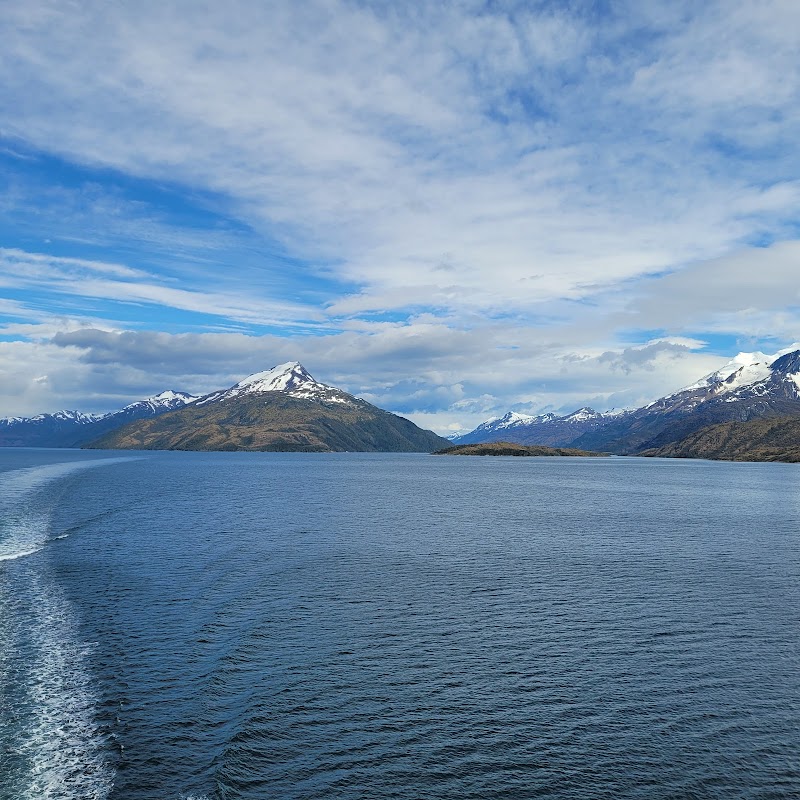
Fildes Peninsula is the wildcard: a potential tender or zodiac-style experience rather than something every cruiser should assume is built into the day. When offered, the appeal is remote wildlife viewing, with seals, birds, and traces of historic whaling sites giving the stop a more expedition-style feel. It fits travelers who want the Strait of Magellan to feel less like scenic cruising and more like fieldwork. Prioritize it only if the logistics are clearly available on your sailing.
Check whether this is an actual tender or zodiac opportunity, not just a name on a map.
Rusty wrecks along shorelines; photo ops from deck. Maritime history. Eerie sight.
Potential tender for seals, birds; historic whaling sites. Remote wildlife. Zodiac gem.