Ecuador
Cruises to Cormorant Point
Cormorant Point is a compact Galapagos nature stop where green sand, crater snorkeling, flamingos, turtles, and sea lions carry the day.
Upcoming visits
168
Best fare
$1,979 per night
Cormorant Point is a compact Galapagos nature stop where green sand, crater snorkeling, flamingos, turtles, and sea lions carry the day.
Find Cormorant Point on Google Maps before you plan the port day.
Cormorant Point is a Galapagos port stop built around contrast: green olivine sand on one side, pale coral sand on another, and wildlife that can make the shoreline feel alive without a lot of staging. The case for booking an itinerary that calls here is simple: it gives you the Floreana version of the islands, where the day is less about ticking off a town and more about watching animals behave in their own rhythm. If you want cafes, shopping, and a loose DIY wander, this is not that stop. If you want a concentrated nature day, it has a strong argument.
The best plan is to pick your main environment before the day starts: water, beach, or birdlife. Devil's Crown is the obvious play if snorkeling is your priority, while Cormorant Point Beach and the flamingo lagoon make sense for travelers who want the Galapagos with their feet on the ground. Sea turtles, rays, sea lions, Nazca boobies, and frigatebirds add the kind of unscripted sightings that reward patience. Do not treat this as a do-everything port; choose the ecosystem you care about most and leave room to look closely.
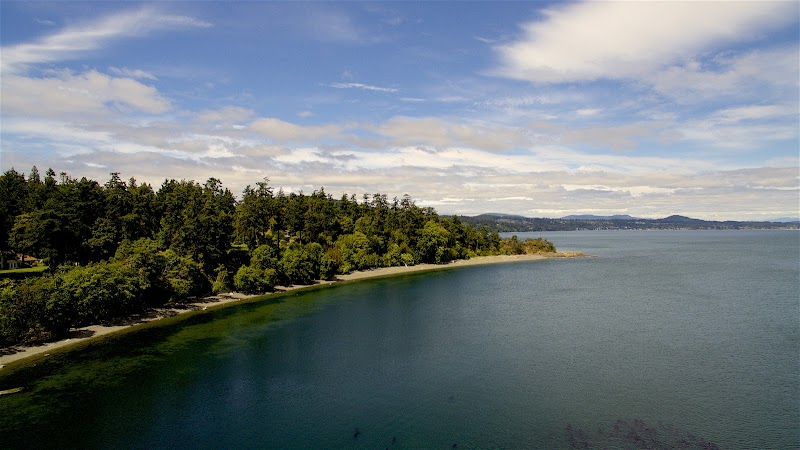
Cormorant Point Beach is the stop's visual signature: green olivine sand, a second beach nearby, and sea lions turning the shoreline into something more interesting than a postcard. For cruise passengers, it is the best default if you want the port to feel specific without committing the whole day to a single activity. The color of the sand is the hook, but the dual-beach setup is what gives it range: one moment you are watching the ground change underfoot, the next you are scanning the surf for movement. Prioritize it if this is your first Floreana call or if your group has mixed interests.
Pick Cormorant Point Beach when you want the most balanced mix of scenery, wildlife, and easy visual payoff.
Devil's Crown is the adrenaline edit of Cormorant Point: a collapsed crater shaped into a horseshoe reef, with the possibility of sharks, turtles, and dense marine life in one concentrated snorkel. This is not the softest option for someone who only wants to bob near shore; the drift-style setting makes more sense for confident water people who actually want the ocean to be the headline. If your cruise day has room for one high-impact excursion, this is the one to put at the top. The scenery is underwater, so prioritize it over beach time only if snorkeling is genuinely your thing.
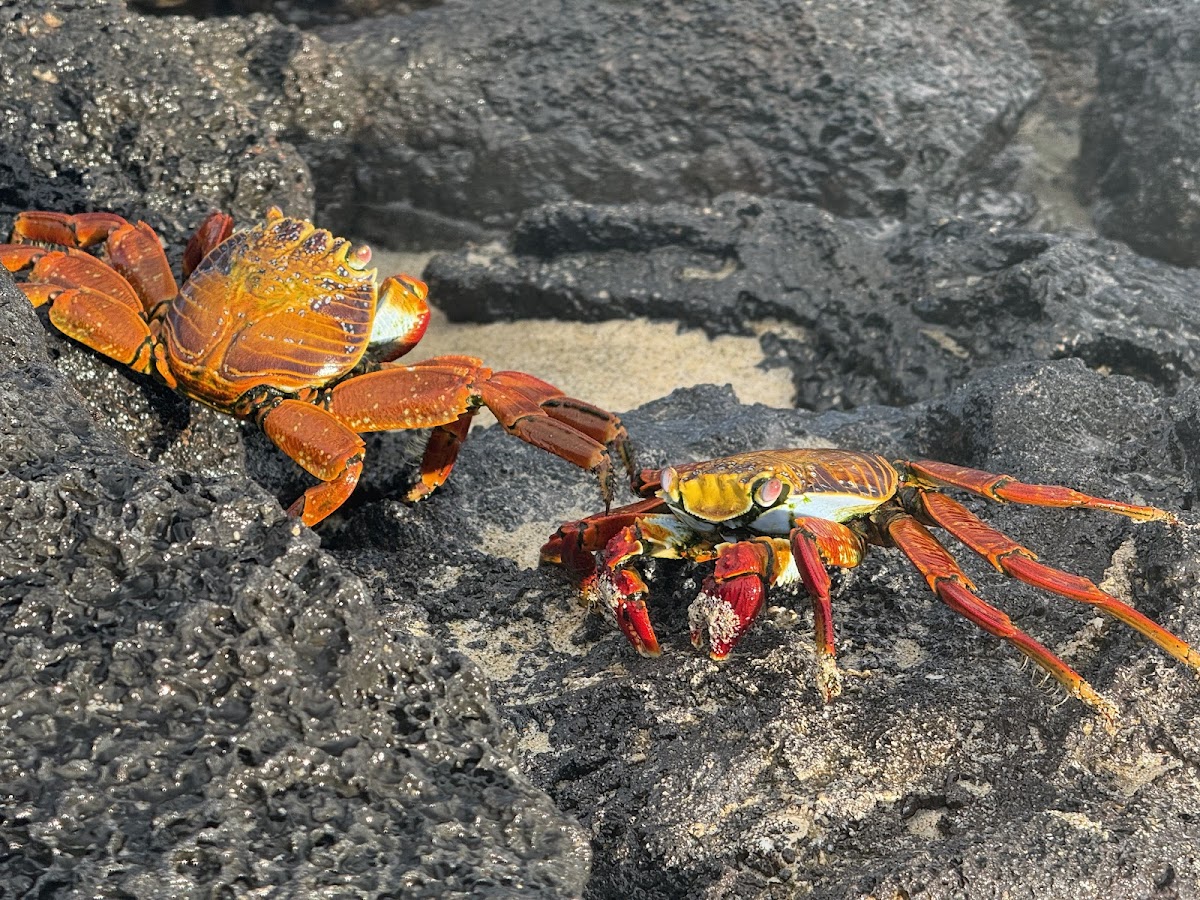
Green sand olivine beach, snorkel Devil's Crown crater. Sea lions frolic. Dual beaches.
Collapsed crater horseshoe reef, sharks, turtles galore. Drift dive. Top Galápagos snorkel.
Boobies plunge-fishing offshore. Aerial acrobatics. Feeding frenzy.
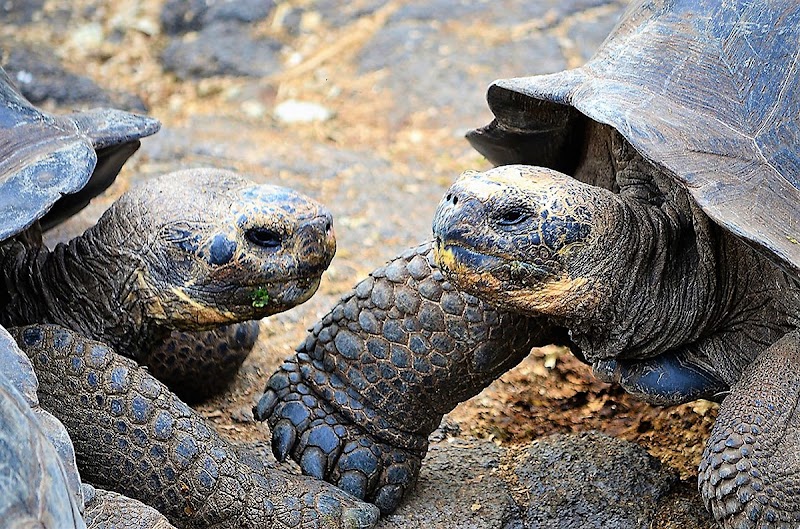
Turtles munching seagrass meadows. Rays join. Gentle giants.
Current sailings visiting this port, sorted by the lowest tracked cabin price per night.
Built 2019
Baltra · Gardner Bay · Cormorant Point · Moreno Point · Espinoza Point · South Plaza · Puerto Ayora
Built 2019
Baltra · Gardner Bay · Cormorant Point · Moreno Point · Espinoza Point · South Plaza · Puerto Ayora
Built 2019
Baltra · Gardner Bay · Cormorant Point · Moreno Point · Espinoza Point · South Plaza · Puerto Ayora
Built 2019
Baltra · Gardner Bay · Cormorant Point · Moreno Point · Espinoza Point · South Plaza · Puerto Ayora
Built 2019
Baltra · Gardner Bay · Cormorant Point · Moreno Point · Espinoza Point · South Plaza · Puerto Ayora
Built 2019
Baltra · Gardner Bay · Cormorant Point · Moreno Point · Espinoza Point · South Plaza · Puerto Ayora
Built 2019
Baltra · Gardner Bay · Cormorant Point · Moreno Point · Espinoza Point · South Plaza · Puerto Ayora
Built 2019
Baltra · Gardner Bay · Cormorant Point · Moreno Point · Espinoza Point · South Plaza · Puerto Ayora
Built 2019
Baltra · Gardner Bay · Cormorant Point · Moreno Point · Espinoza Point · South Plaza · Puerto Ayora
Built 2019
Baltra · Gardner Bay · Cormorant Point · Moreno Point · Espinoza Point · South Plaza · Puerto Ayora
Built 2019
Baltra · Gardner Bay · Cormorant Point · Moreno Point · Espinoza Point · South Plaza · Puerto Ayora
Built 2019
Baltra · Gardner Bay · Cormorant Point · Moreno Point · Espinoza Point · South Plaza · Puerto Ayora
Choose Devil's Crown if marine life matters more to you than another hour on the sand.
The sea turtle feeding grounds are for travelers who like wildlife best when it is doing something ordinary and mesmerizing. Turtles grazing through seagrass, with rays moving through the same scene, can be quieter than a dramatic reef snorkel but just as memorable. This is a good priority if you want a slower underwater experience and are less interested in chasing a checklist of species. The appeal is behavior: watching large animals settle into the rhythm of feeding rather than simply passing by. For a port day, that kind of patience can be the difference between seeing wildlife and actually noticing it.
Turtle sightings are about patience. Give the scene time instead of treating it like a quick photo stop.
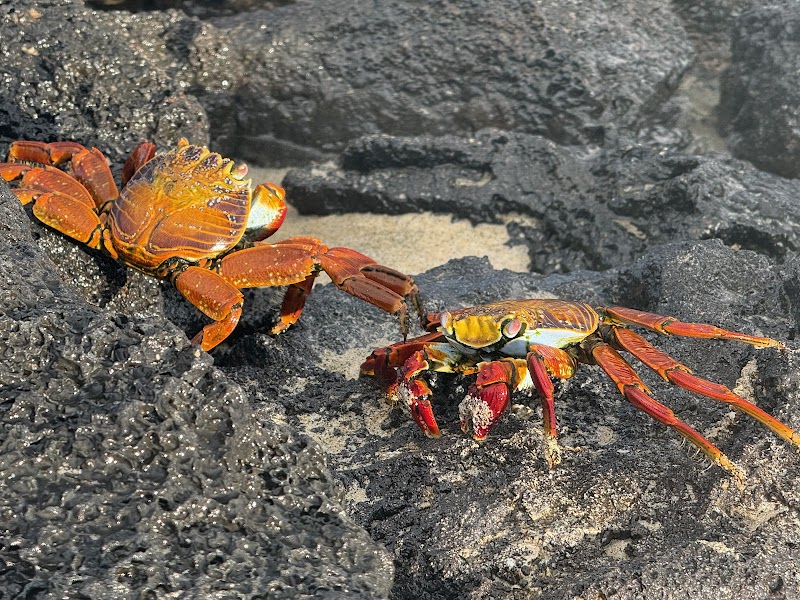
Floreana Flamingo Lagoon shifts the day from marine drama to color and stillness. The draw is a lagoon where flamingos wade and greater flamingos are associated with breeding, so the mood is less action scene and more long look. Birders should not treat it as filler between beaches; this is one of the more distinct land-based experiences in the Cormorant Point mix. It also works for travelers who do not want their entire day to depend on snorkeling conditions or comfort in the water. Bring your attention span, not a speed-run mentality.
The lagoon is not a backup plan. It is the land-based wildlife stop to take seriously.
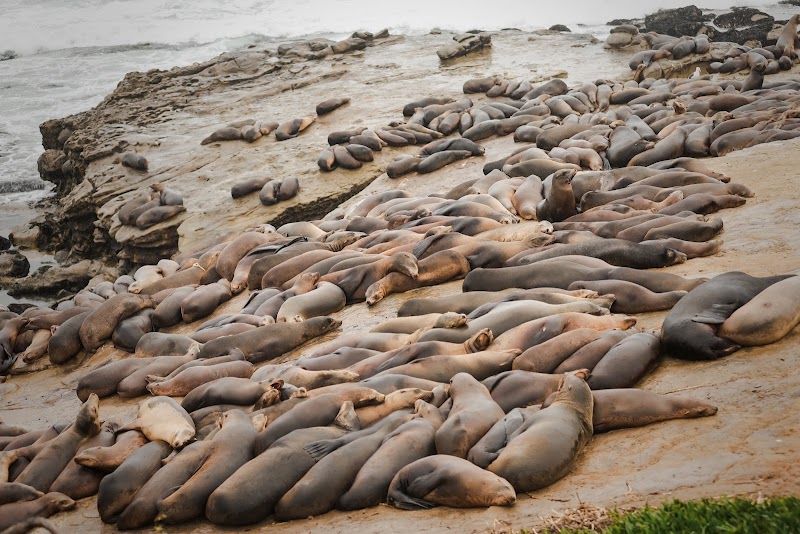
The sea lion rookery is the easiest reminder that Galapagos wildlife does not need much staging. Pups playing in the surf and larger bulls making their presence known can turn a beach stop into a full behavior watch. It is especially good for travelers with cameras, kids, or anyone who prefers animals above scenery. The trick is not to rush it; the memorable moments are often small, like a pup testing the water or a group reshuffling on the sand. If your itinerary already includes plenty of snorkeling, this is a strong land-side counterweight.
Keep your lens ready for behavior, not just portraits. The movement is the point.
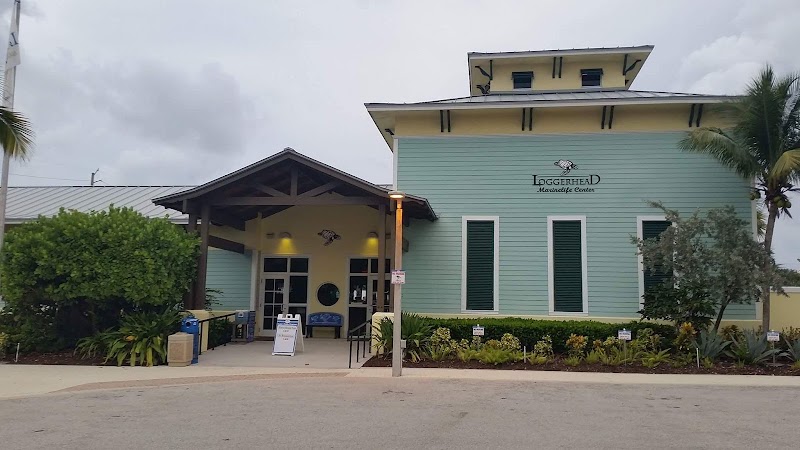
Loggerhead Beach is the quieter strand in the lineup: white coral sand, turtle tracks, and the sense of a nesting area rather than a place built for lounging. That makes it a smart add-on for travelers who want texture beyond the green-sand photo. It is not the flashiest priority if you only have time for one stop, but it rounds out Cormorant Point beautifully if your day leans toward beaches and coastal wildlife. Think of it as a place to observe carefully, not a backdrop to consume quickly.
Save Loggerhead Beach for a gentler coastal moment after the bigger wildlife or snorkel stops.
Flamingos wading, greater flamingos breeding. Pink flock. Bird lagoon.
Frigates soaring cliffs at golden hour. Sky pirates. Sunset show.
White coral sand, loggerhead tracks. Nesting area. Quiet strand.
Pups playing in surf, bulls barking. Beach party. Playful pups.