PE
Cruises to Salaverry
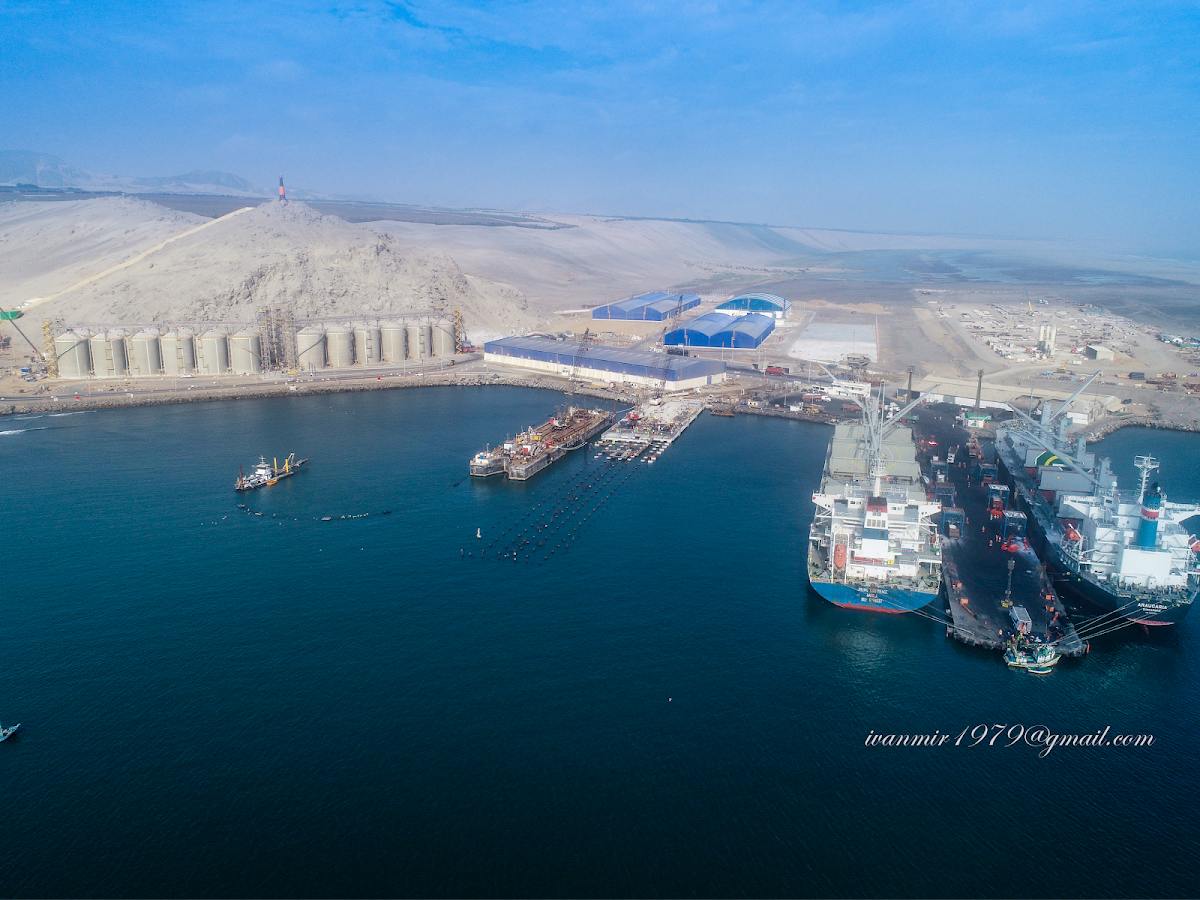
Salaverry is a port for travelers who want ancient Peru, not a generic shore day, with Trujillo's ruins and coastal culture doing the heavy lifting.
Upcoming visits
9
Best fare
$370 per night
Salaverry is a port for travelers who want ancient Peru, not a generic shore day, with Trujillo's ruins and coastal culture doing the heavy lifting.
Find Salaverry on Google Maps before you plan the port day.
Salaverry is not the port you book for an easy beach-club blur. Its pull is older, stranger, and more specific: the archaeological depth around Trujillo, where adobe citadels, Moche pyramids, and museum cases full of ceramics turn a single call into a compact history lesson. That makes it one of the more distinctive South America stops for cruisers who want the day to feel rooted in place, not interchangeable with the next harbor. Plan it well and the port rewards focus: one major ruin, maybe a city or beach add-on, and enough breathing room to actually look.
The main decision is whether to go all in on archaeology or balance ruins with Trujillo street life. Chan Chan and Huacas del Sol y de la Luna are the obvious anchors because they are visually huge and culturally specific, while El Brujo is the more deliberate pick for travelers who prefer a less crowded ancient site with museum context. Huanchaco Beach, Plaza de Armas, and the Museo de Arqueologia work best as secondary layers, not afterthoughts. Salaverry favors travelers who like texture over ease, and who are fine letting one strong site define the day.
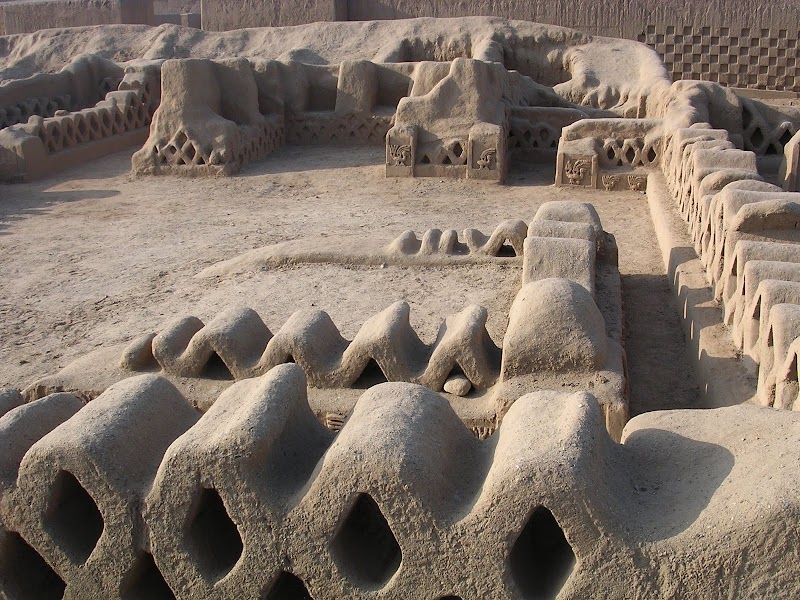
Chan Chan is the first name to circle if your cruise stop has room for only one major sight. The scale is the hook: a UNESCO-listed adobe city made up of multiple citadels, with carved walls and vast compounds that feel nothing like a standard museum visit. It is the clearest introduction to pre-Inca Chimu culture around Trujillo, and Huaca Arco Iris nearby can deepen the day if your plan allows. Prioritize this over a general city loop if you want the port to deliver something you could not get elsewhere.
Choose Chan Chan when you want Salaverry to feel unmistakably Peruvian and historically specific.
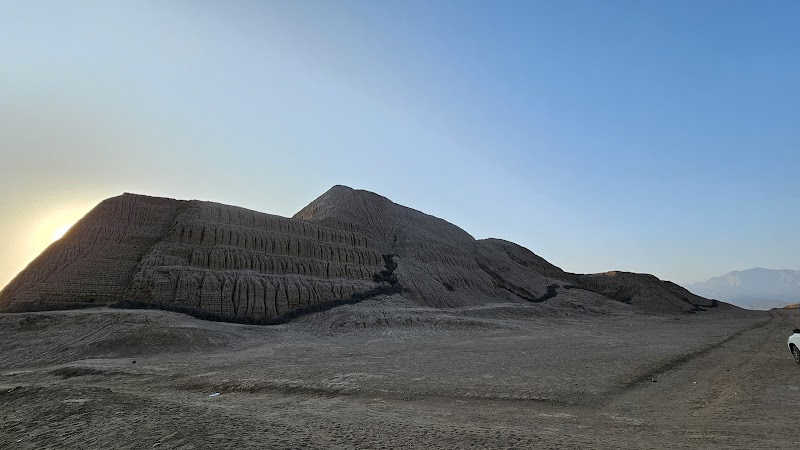
Huacas del Sol y de la Luna is the more kinetic archaeology day: pyramids, exposed color, and the kind of guided storytelling that makes ritual history feel legible rather than abstract. The Pyramid of the Sun brings the mass and drama; the Moon temple brings the detail, especially its friezes. Because the complex is noted as close to the port, it fits cruisers who want a high-impact ancient site without building the entire day around a long excursion. It is especially good for visual learners and first-timers to Moche history.
Wander the world's largest adobe city, UNESCO site with 10 citadels. Huaca Arco Iris nearby. Trujillo gateway must-see for pre-Inca Chimú culture.
Climb the massive Pyramid of the Sun, explore Moon temple with colorful friezes. Guided tours reveal Moche rituals. Iconic pyramids close to port.
Watch reed surfers (caballitos de totora) on legendary waves. Seafood restaurants line the shore. Traditional Peruvian beach culture.
Discover Moche Lady's tomb site with restored adobe pyramids. Museum with artifacts. Less crowded ancient marvel.
Current sailings visiting this port, sorted by the lowest tracked cabin price per night.
Built 2010
Vancouver · San Francisco · San Diego · Cabo · Huatulco · Puerto Quetzal · Puntarenas · Manta · Salaverry · Lima · General San Martín · Arica · Coquimbo · San Antonio · Puerto Montt · Puerto Chacabuco · Pío XI Glacier · Strait of Magellan · Punta Arenas · Cockburn Channel · Beagle Channel · Ushuaia · Port Stanley · Montevideo · Buenos Aires
Built 2010
San Diego · Cabo · Huatulco · Puerto Quetzal · Puntarenas · Manta · Salaverry · Lima · General San Martín · Arica · Coquimbo · San Antonio · Puerto Montt · Puerto Chacabuco · Pío XI Glacier · Strait of Magellan · Punta Arenas · Cockburn Channel · Beagle Channel · Ushuaia · Port Stanley · Montevideo · Buenos Aires
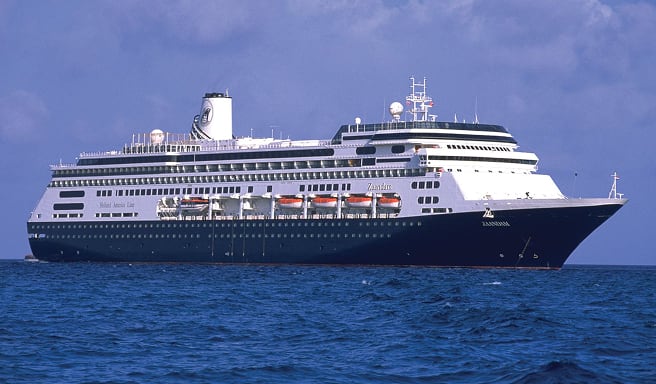
Built 2000
Fort Lauderdale · Grand Cayman · Panama Canal · Panama City · Manta · Salaverry · Lima · General San Martín · Coquimbo · San Antonio · Robinson Crusoe · Puerto Montt · Puerto Chacabuco · Pío XI Glacier · Strait of Magellan · Punta Arenas · Cockburn Channel · Beagle Channel · Ushuaia · Port Stanley · Puerto Madryn · Punta del Este · Montevideo · Buenos Aires · Santos · Abraão · Rio · Salvador · Recife · Fortaleza · Icoaraci · Devil's Island · Barbados · St. Lucia · St. Kitts · San Juan
Built 2010
Vancouver · San Francisco · San Diego · Cabo · Huatulco · Puerto Quetzal · Puntarenas · Manta · Salaverry · Lima · General San Martín · Arica · Coquimbo · San Antonio
Built 2010
San Diego · Cabo · Huatulco · Puerto Quetzal · Puntarenas · Manta · Salaverry · Lima · General San Martín · Arica · Coquimbo · San Antonio
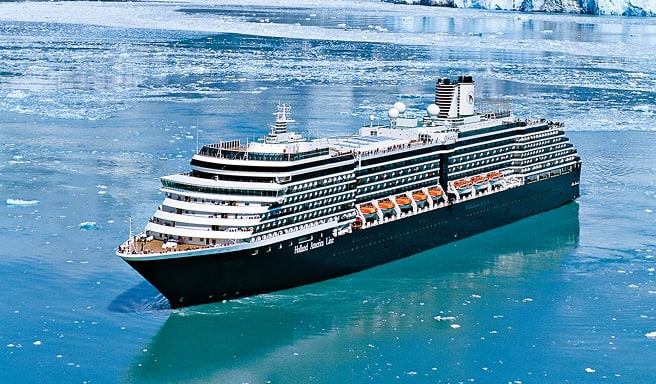
Built 2003
San Antonio · Coquimbo · General San Martín · Lima · Salaverry · Manta · Panama City · Panama Canal · Grand Cayman · Fort Lauderdale
Built 2000
Fort Lauderdale · Grand Cayman · Panama Canal · Panama City · Manta · Salaverry · Lima · General San Martín · Coquimbo · San Antonio · Robinson Crusoe · Puerto Montt · Puerto Chacabuco · Pío XI Glacier · Strait of Magellan · Punta Arenas · Cockburn Channel · Beagle Channel · Ushuaia · Port Stanley · Puerto Madryn · Punta del Este · Montevideo · Buenos Aires
Built 2010
Buenos Aires · Montevideo · Port Stanley · Ushuaia · Beagle Channel · Punta Arenas · Cockburn Channel · Pío XI Glacier · Puerto Montt · San Antonio · Coquimbo · General San Martín · Lima · Salaverry · Manta · Panama City · Panama Canal · Grand Cayman · Fort Lauderdale
Built 2010
San Antonio · Coquimbo · General San Martín · Lima · Salaverry · Manta · Panama City · Panama Canal · Grand Cayman · Fort Lauderdale
Go here for pyramids, friezes, and a site that benefits from having someone explain what you are seeing.
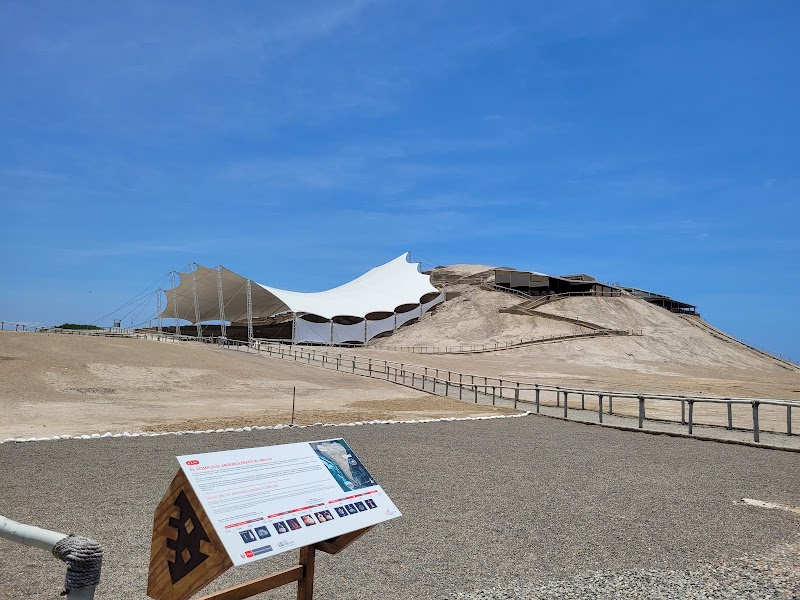
El Brujo Archaeological Complex is the stop for travelers who want the Moche story with a little more space around it. Its draw is specific: restored adobe pyramids, a museum, and the site connected to the Lady's tomb. That combination gives you both the monumental exterior and the artifact-level context, which is not always easy to balance on a cruise day. Consider it if you have already seen the headline Trujillo sites, or if you would rather trade maximum fame for a more focused ancient-world visit.
El Brujo suits travelers who like archaeological sites with a museum layer, not just ruins from a distance.
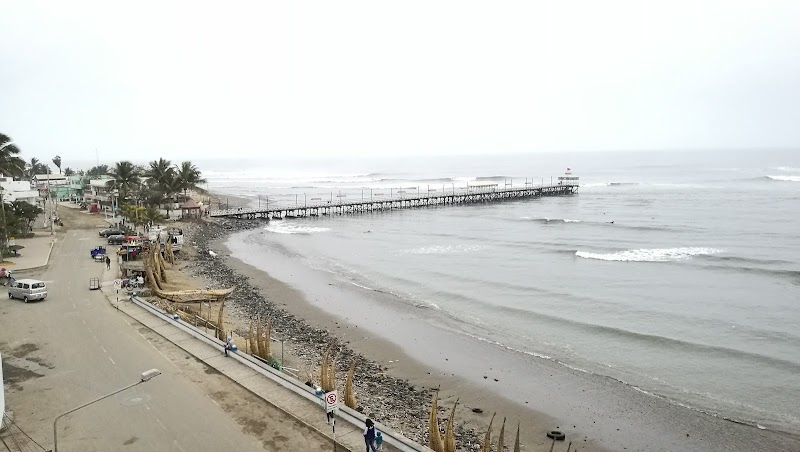
Huanchaco Beach is not just the soft option after ruins; it has its own cultural reason to go. The reed watercraft, caballitos de totora, make the shoreline memorable even if you never get in the water, and the seafood restaurants add an easy lunch angle. This is the best pivot if your group is split between archaeology people and coast people. Use it as a decompression stop after Chan Chan or Trujillo, not as the whole plan unless your priority is a low-pressure beach culture day.
Pair ruins with Huanchaco when you want the day to end with ocean, seafood, and local coastal rhythm.
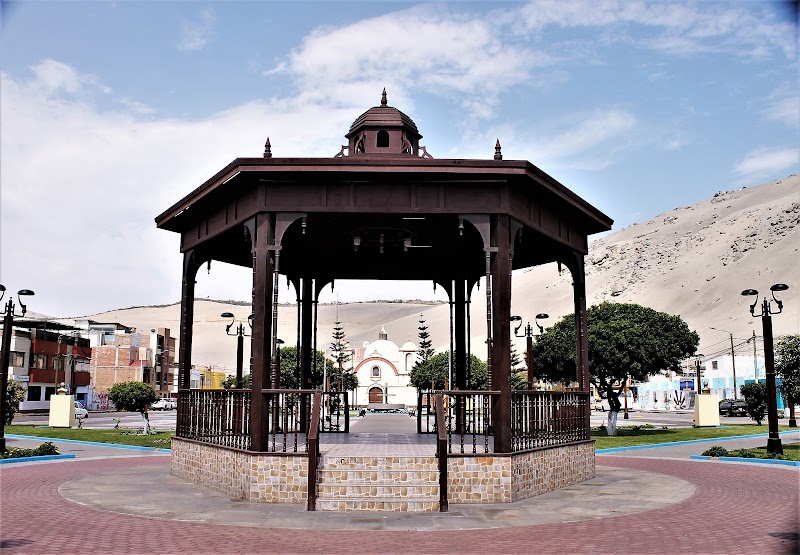
Trujillo Plaza de Armas gives the port day an urban center, with the cathedral, mansions, fountains, markets, and street food all clustered into a walkable-feeling scene. It is not the biggest archaeological flex, but it is where the city starts to feel lived in rather than observed from a tour route. Pair it with Calle Pizarro if you want a colonial architecture thread through mansions and churches. This is the right pick for cruisers who like photos, snacks, and a bit of unstructured wandering between heavier sights.
The plaza works best after a major site, when you want color, architecture, and a looser pace.
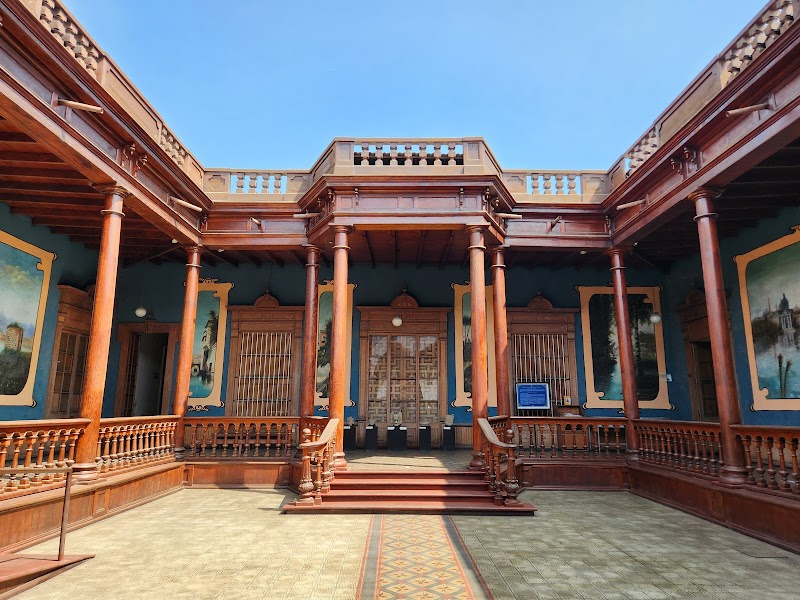
The Museo de Arqueologia is the smart indoor layer for anyone who wants the objects behind the ruins: Moche gold, ceramics, and finds from the region's digs. It works particularly well after a site visit, when the shapes and symbols you have just seen outside suddenly have labels and context. It is also a practical reset when you want air-conditioned exhibits instead of another exposed ruin. Do not make it your only stop unless you are a museum-first traveler; make it the thing that sharpens the rest of the day.
Use the museum to make the ruins make sense, especially if Moche history is new to you.
Stroll colonial square with cathedral, mansions, fountains. Street food and markets. Vibrant heart of city.
Trace conquistador paths past mansions and churches. Guided or self-led. Colonial architecture trail.
Relax in gardens with peacocks, monuments. Local life snapshot. Shaded green oasis.
Precious Moche gold, ceramics from local digs. Air-conditioned exhibits. Deeper archaeological dive.