
Sacred Valley rewards cruise passengers who can say no. The region is stacked with Inca engineering, terraced hillsides, village markets, and river scenery, but the best port day is not a sprint through every name on the map. Pick the experience you actually want: monumental stonework, a photogenic landscape, craft culture, or a softer outdoor reset. The valley has enough visual drama that even one well-chosen stop can carry the day.
This is a Peru call for travelers who like context with their views. Ollantaytambo and Pisac bring the big archaeological energy, Moray and Maras are the most graphic and camera-ready, and Chinchero gives the day a more lived-in cultural layer. If you are already deep into ruins fatigue, the Urubamba River or a gentle horseback ride can keep you connected to the landscape without turning the stop into a lecture.
Make Ollantaytambo Fortress the anchor
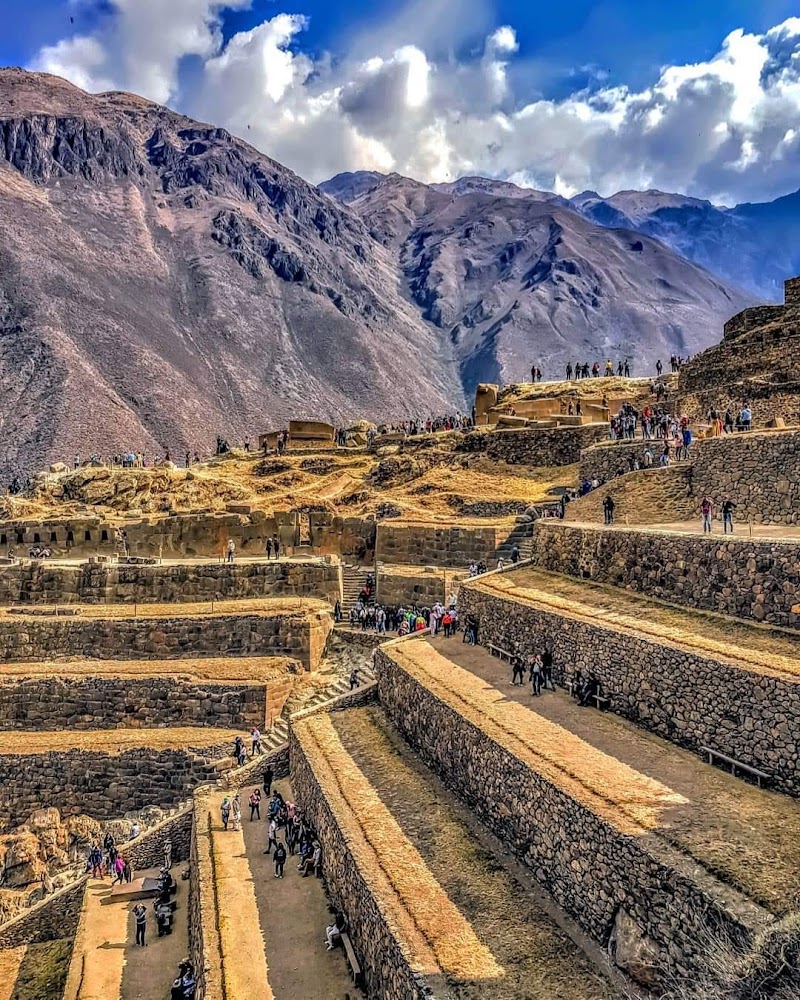
Ollantaytambo Fortress is the clearest choice if you want the Sacred Valley to feel big, physical, and unmistakably Inca. The terraces rise with the kind of scale that reads instantly, even before you start thinking about how they were built. For a cruise stop, it works because it combines architecture, altitude-cut valley views, and a temple complex in one focused visit. First-timers should prioritize it over trying to collect smaller stops. It is also the pick for travelers who want one site that feels substantial rather than a quick photo break.
First-time visitors who want the most complete Inca-site payoff from one stop.
Pair Pisac Ruins with the market below
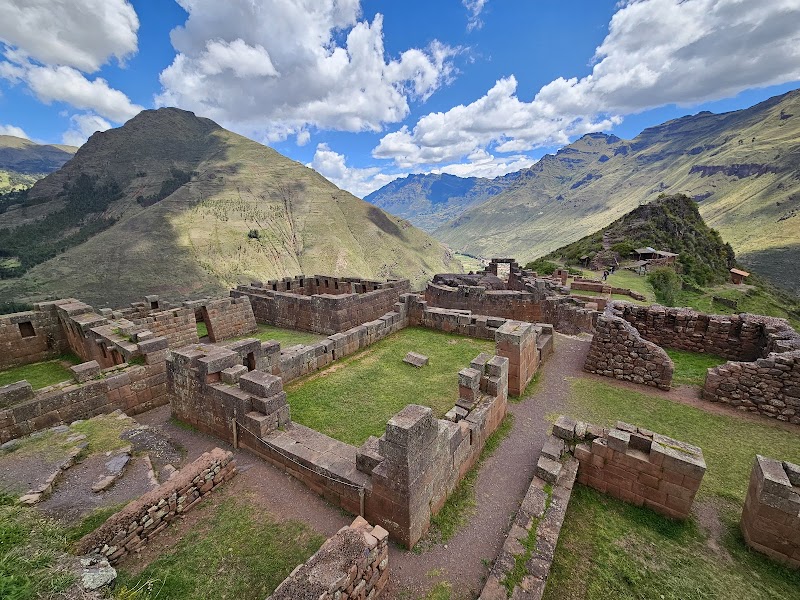
Pisac Ruins sit high enough to give the day a proper sense of arrival: terraces, a citadel, and a sun temple layered into the hillside. What makes Pisac especially useful for cruise passengers is the contrast between the archaeological site and the craft market below. You can keep the focus on Inca design, then shift into browsing without building a totally separate itinerary. It suits travelers who want both history and shopping, but it is still best treated as a main event. Do not wedge it in as an afterthought if your day is already packed.
Travelers who want ruins plus a craft-market stop in the same plan.
Go to Moray for the image you will remember
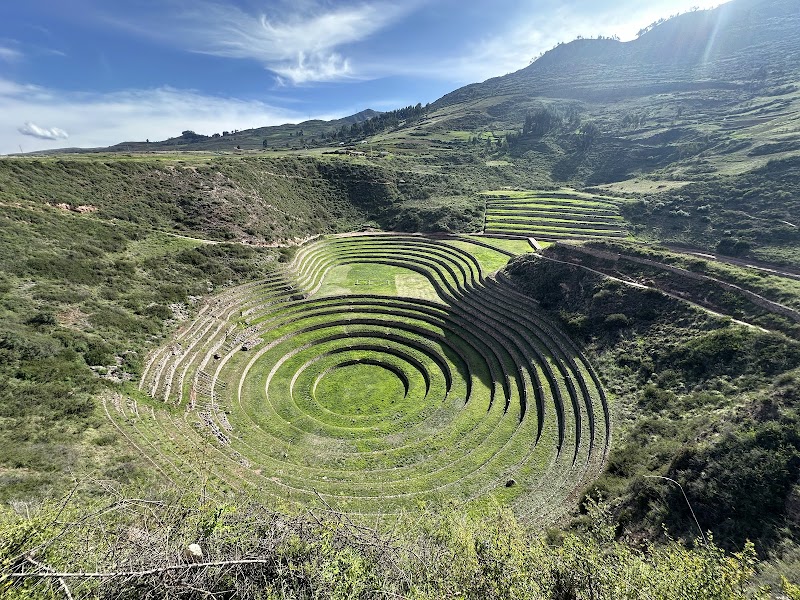
Moray Terraces are less fortress and more land art, though their purpose was deeply practical. The concentric rings drop into the earth like an amphitheater, making this one of the most visually distinct stops in the Sacred Valley. It is a smart priority for photographers, design-minded travelers, and anyone who likes a site that explains itself at a glance. Moray also works well if you have already seen major ruins and want something that feels different. It is not the most traditional power stop, but it may be the one your camera likes best.
Choose Moray when you want graphic shapes and a site that looks unlike the standard ruin circuit.
Use Chinchero for culture, not just scenery
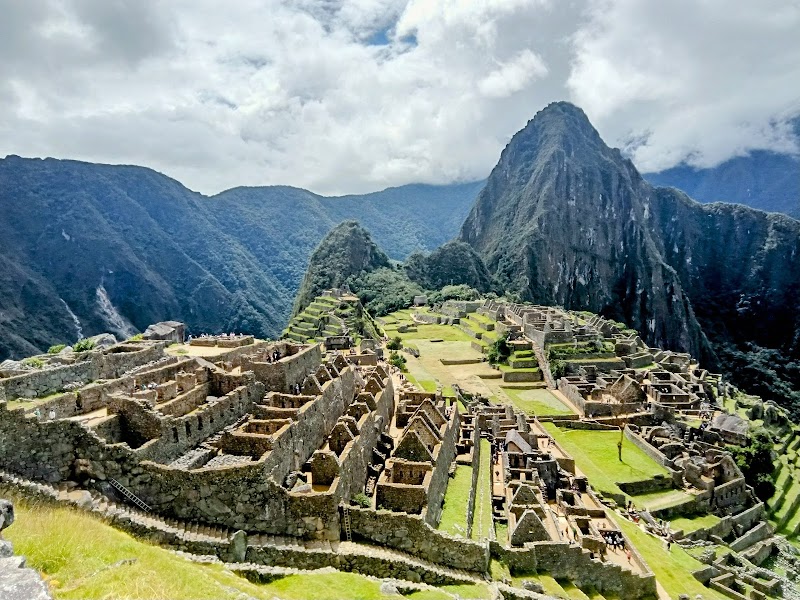
Chinchero Village adds a human layer to a day that can otherwise become all stone and terraces. The draw is the mix: a colonial church built on Inca foundations, weaving demonstrations, and a market setting that keeps the valley from feeling like a sequence of archaeological stops. It is best for travelers who care about textiles, craft traditions, and village texture as much as viewpoints. If your ideal port day includes talking, watching, browsing, and noticing details, Chinchero deserves time. If you only want monumental ruins, keep it secondary.
Travelers who want weaving culture, market time, and a less ruin-heavy rhythm.
Save space for the Salt Mines of Maras
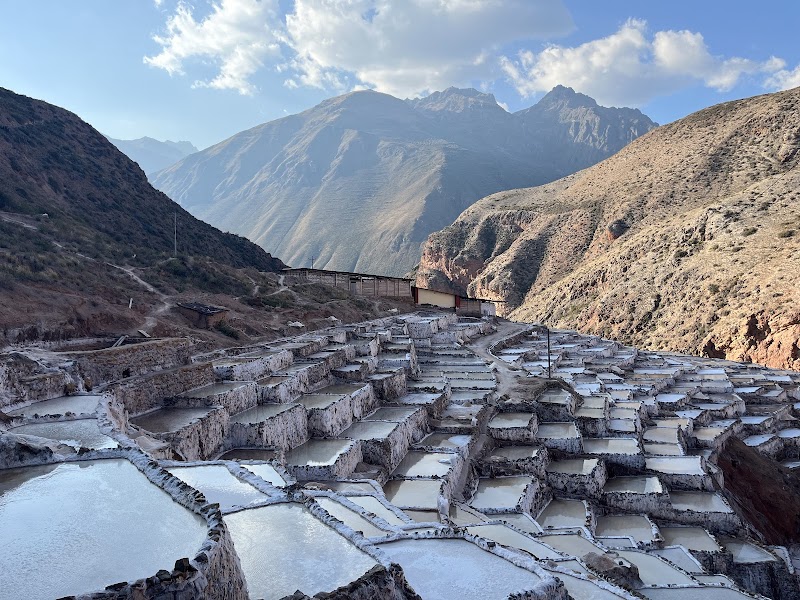
The Salt Mines of Maras are a strong add if your route already leans toward Moray or the central valley. Thousands of salt ponds step across the mountainside, creating a pale, geometric landscape that feels almost unreal against the surrounding terrain. It is not the same kind of historical stop as a fortress or citadel, which is exactly why it works. Maras gives visual variety to a day of terraces and ruins. Prioritize it if you want the itinerary to feel textured, but avoid forcing it into a plan that is already moving too fast.
Maras is strongest as a visual contrast, especially when paired with a terrace-focused stop.
Reset along the Urubamba River
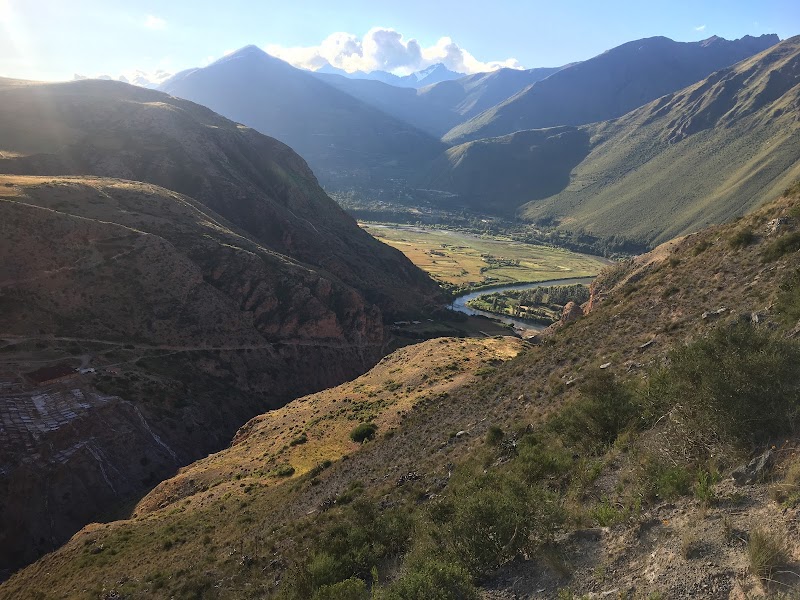
The Urubamba River is the pressure release valve of the Sacred Valley. After a stretch of stone steps, markets, and guide commentary, river time can make the day feel less like an assignment. Depending on the plan, it can mean scenic rafting or a low-key picnic-style pause along the water. This is the better choice for active travelers who want movement, or for anyone traveling with people who are not energized by back-to-back ruins. It will not replace the major sites, but it can make the overall port day more balanced.
Active travelers or mixed-interest groups who need a break from the archaeological circuit.
Things to do in Sacred Valley
Ollantaytambo Fortress
Best-preserved Inca site with massive terraces and temple complex. Explore the engineering marvels and valley views.
Pisac Ruins
Hilltop citadel with agricultural terraces and sun temple. Vibrant market below for crafts.
Moray Terraces
Amphitheater-like concentric terraces used as experimental agricultural lab. Unique and photogenic.
Chinchero Village
Colonial church on Inca foundations, weaving demos, and market. Authentic Andean culture.
Salt Mines of Maras
Thousands of salt evaporation ponds in a mountainside, ancient Incan operation. Colorful and otherworldly.
Urubamba River
Scenic rafting or picnics along the river. Relaxing break from ruins.
Andean Horseback Riding
Trails through farms and views, gentle for beginners.
Cruise port FAQs
- Is Sacred Valley worth it on a cruise itinerary?
- Yes, if you are interested in Inca sites, Andean landscapes, markets, and visually distinct stops like Moray or Maras. It is best for travelers who prefer a focused land experience over a casual wander.
- What should I prioritize on a first visit to Sacred Valley?
- Ollantaytambo Fortress is the strongest first-time anchor because it combines large terraces, a temple complex, and wide valley views. Pisac is another strong choice if you want ruins with market time.
- Can I see every major Sacred Valley attraction in one port day?
- You should not plan the day around seeing everything. The better approach is to choose one main site, then add a second stop that gives contrast, such as a market, salt ponds, river break, or weaving-focused village.
- Which Sacred Valley stops are best for photos?
- Moray Terraces and the Salt Mines of Maras are especially graphic, with strong patterns and unusual landscapes. Ollantaytambo and Pisac are better if you want dramatic terraces and broader valley views.
- What if I am not that interested in ruins?
- Choose Chinchero for weaving, market culture, and the colonial church on Inca foundations, or look to the Urubamba River for rafting or a quieter outdoor pause. The valley is not only an archaeology day.