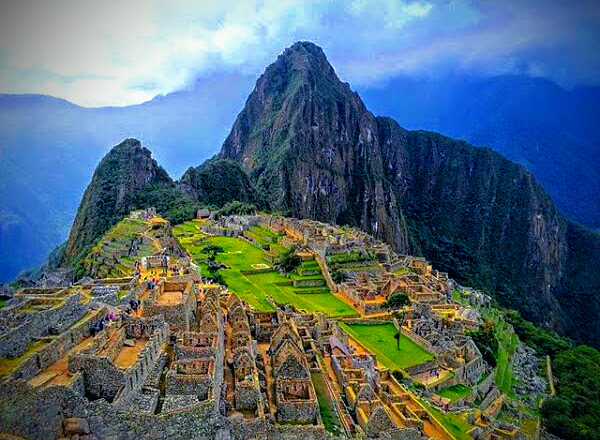
Machu Picchu is not a casual port day, and that is exactly the point. The payoff is a concentrated high-Andes experience: terraced ruins, sharp green peaks, sacred stonework, and a site that still feels bigger than any checklist. For cruise passengers, the best plan is not to cram every named viewpoint into the day. Start with the citadel, then decide whether your version of the stop leans physical, architectural, or quietly scenic. The train-or-hike approach also means planning matters more here than at a beach port, especially if a permit-only climb is on your list.
The main mistake is treating Machu Picchu like a backdrop you can skim. A guided visit adds real value because many of the best details are in alignments, carved forms, and construction choices that are easy to miss when you are just chasing the wide shot. If you have limited time or energy, do the core ruins well. If you have a bigger window and strong legs, add a peak, a gate, or a narrow engineering trail. This is a port where restraint can make the day feel more epic, not less.
Make the citadel the center of the day
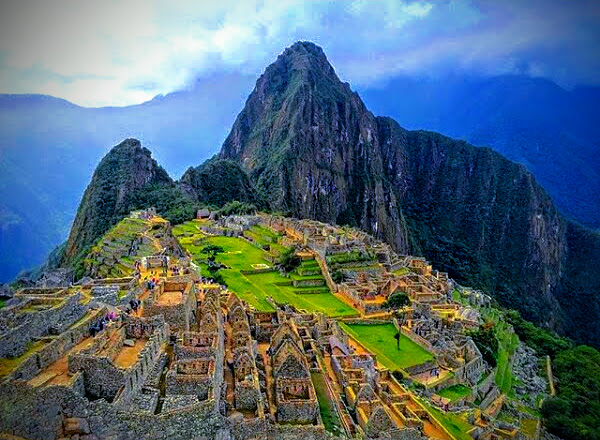
The Machu Picchu Citadel is the reason this stop exists, and it deserves first claim on your time. The terraces, stone walls, and mountain setting carry the visual punch, but the site gets more interesting when you understand how its spaces were aligned and used. This is where a guided tour earns its place, especially if you want more than the standard postcard angle. For most cruise passengers, the smartest version of the day is a focused citadel visit with enough breathing room to actually look, listen, and let the scale register.
If you only have room for one major experience, make it the citadel and do not dilute it with too many extras.
Take Huayna Picchu seriously
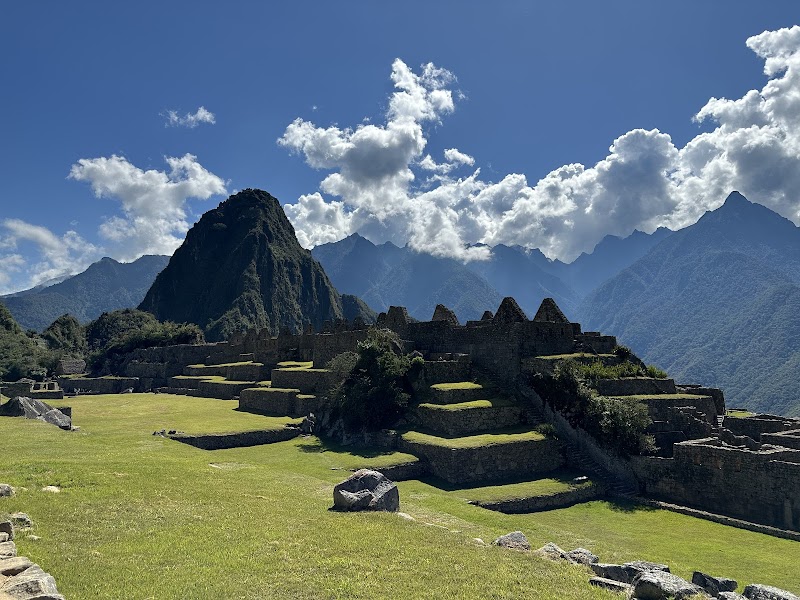
Huayna Picchu is the dramatic peak rising over the ruins, and the reward is the kind of bird's-eye view that makes the whole site click into place. It is also steep and requires a permit, so this is not a casual add-on for anyone hoping to keep the day easy. Choose it if you are fit, comfortable with a demanding climb, and willing to build the rest of the stop around that commitment. Skip it if your priority is a slower, more interpretive look at the ruins rather than a summit-driven day.
Do not treat Huayna Picchu as a spontaneous decision. The climb needs planning and the right energy level.
Use the Sun Gate for the wide shot
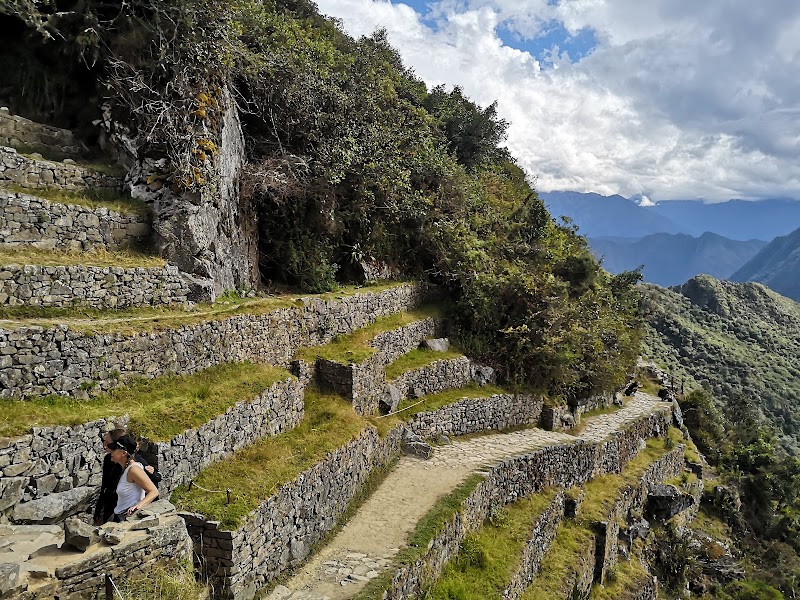
The Sun Gate, or Inti Punku, works best for travelers who want a panoramic angle without turning the whole day into a major peak climb. As an ancient entrance to the site, it gives context as well as views: you are not just looking at Machu Picchu, you are approaching it through a meaningful threshold. It is especially appealing if photography is part of the plan, because the perspective opens up the ruins and surrounding mountains. Prioritize it after the core citadel if you want movement, payoff, and a cleaner sense of the landscape.
Choose the Sun Gate when you want a memorable panorama but Huayna Picchu feels too intense.
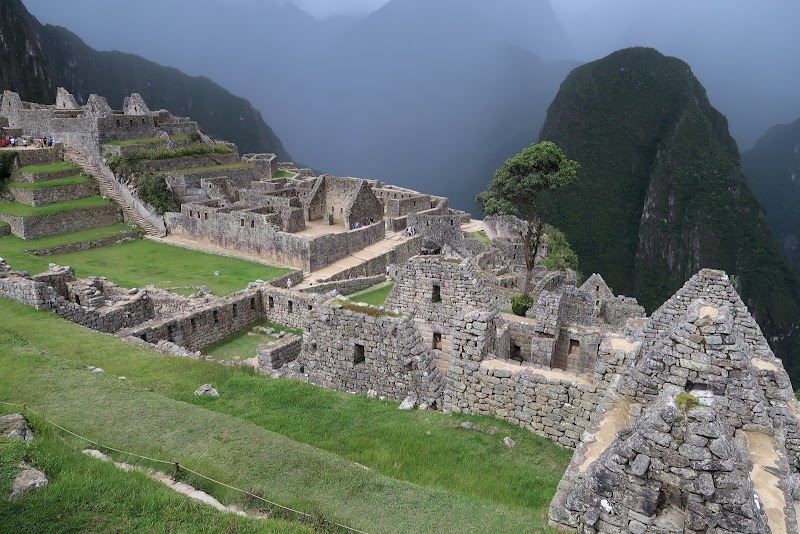
Slow down at the Temple of the Sun
The Temple of the Sun is where Machu Picchu shifts from big scenery to precise design. Its curved stonework and trapezoidal windows are not background details; they are the evidence of a place built with technical skill and sacred intent. This stop fits travelers who like architecture, astronomy, and the quiet satisfaction of noticing how carefully a site was composed. If your day is guided, ask questions here. The value is in the explanation, because the solar alignments and sacred significance can be easy to miss when everyone else is looking outward at the mountains.
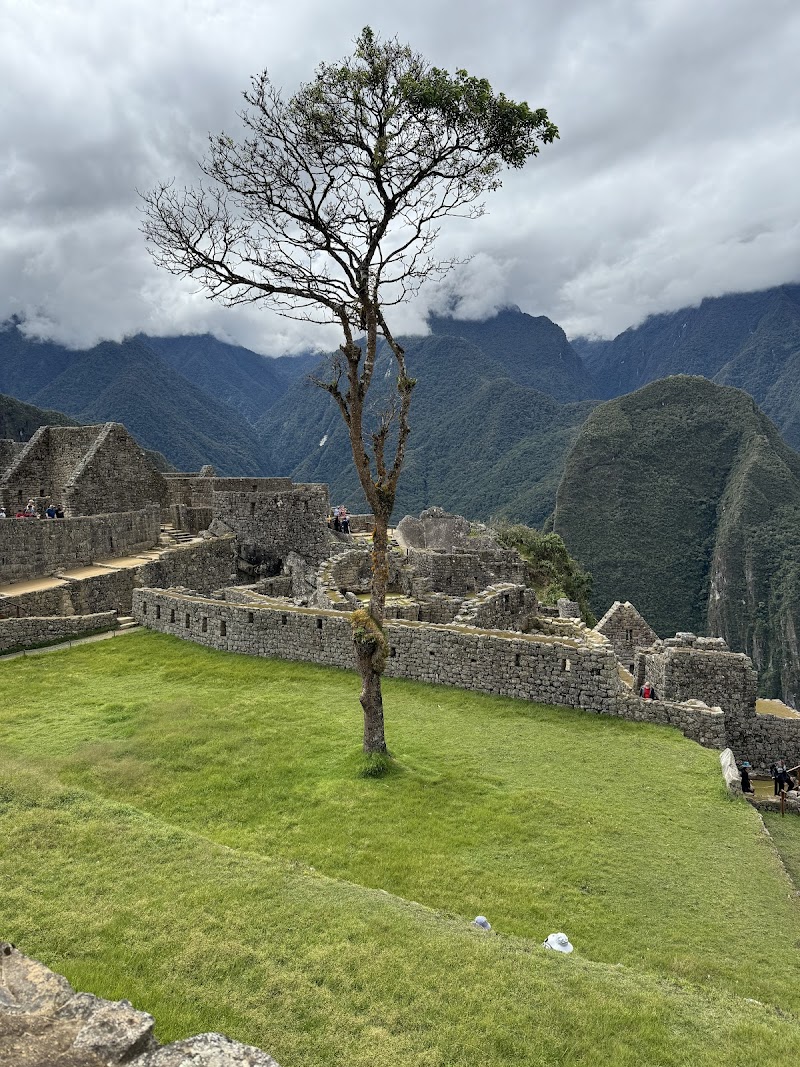
Look for meaning in the Condor Stone
The Condor Stone is a good reminder that Machu Picchu is not only about scale. The carved rock form, resembling a condor, sits within the sacred sector and rewards travelers who like symbolism as much as scenery. This is a guide-enhanced stop: the astronomical and ritual context helps turn what could look like a quick photo into one of the site's more memorable details. Prioritize it if you want your citadel visit to feel layered, not just panoramic. It is also a smart counterweight to the bigger viewpoints, adding texture to the day.
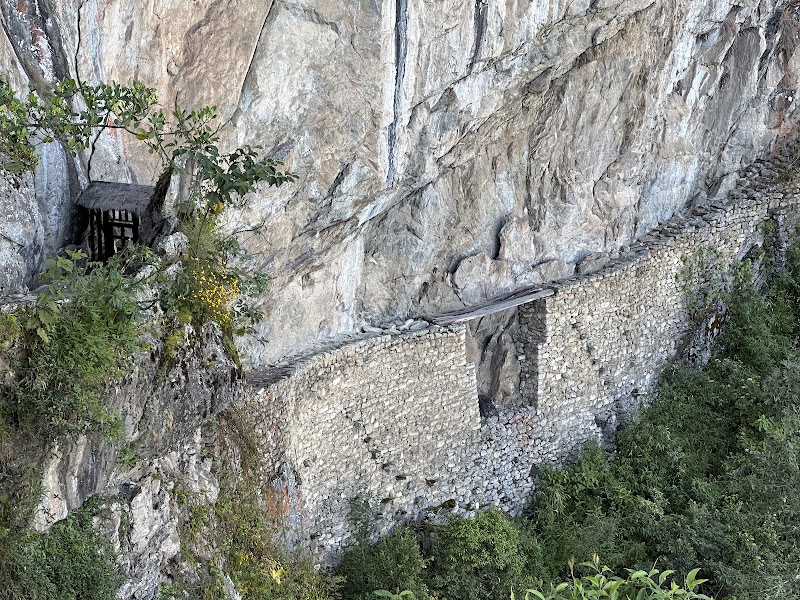
Save the Inca Bridge for nerves and edge
The Inca Bridge is the pick for travelers who want a sharper hit of engineering and exposure. The narrow trail and steep drop-offs make it feel very different from standing among terraces, and that is the appeal. It shows how Inca construction responded to difficult mountain terrain, not just ceremonial space. This is not the most relaxed choice, so it fits adventurous visitors on a fuller itinerary rather than anyone trying to keep the day low-stress. If heights make you tense, spend that time on architecture or viewpoints instead.
The Inca Bridge is about drama and engineering, not a mellow stroll.
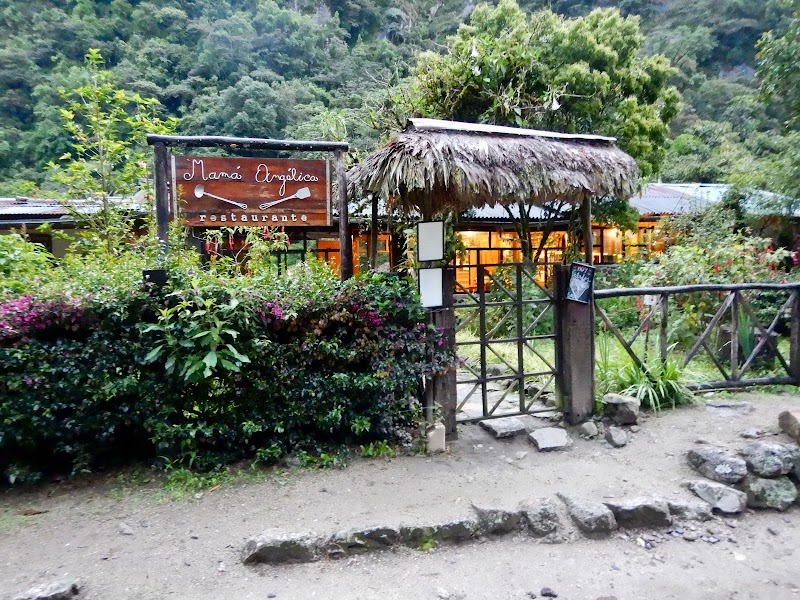
End softer at Mandor Gardens
Mandor Gardens is the quieter counterpoint to the ruins: lush paths, waterfalls, orchids, and the possibility of spotting monkeys near the site. It makes sense after Machu Picchu if your brain is full of stonework and you want the day to exhale instead of escalate. This is not the headline attraction, and that is the point. It suits repeat visitors, nature-focused travelers, or anyone who would rather finish with greenery than another strenuous climb. Keep it as a secondary choice after the citadel, not a replacement for it.
Mandor Gardens is best after the main ruins, when you want nature without another high-effort objective.
Things to do in Machu Picchu
Machu Picchu Citadel
Iconic 15th-century Inca citadel perched high in the Andes, the ultimate must-see with terraced ruins and mystical atmosphere. Take the train or hike for breathtaking views; guided tours reveal astronomical alignments.
Huayna Picchu Peak
Steep hike to the summit for bird's-eye views of Machu Picchu (permit required). Not for the faint-hearted but rewarding.
Sun Gate (Inti Punku)
Ancient entrance with panoramic views over the site, a short hike for sunrise watchers. Perfect photo op for cruise excursioners.
Temple of the Sun
Finest Inca architecture with curved stone walls and trapezoidal windows. Highlights solar alignments and sacred significance.
Condor Stone
Carved rock resembling a condor, part of the sacred sector. Guides explain astronomical and ritual uses.
Inca Bridge
Narrow trail edge with dramatic drop-offs, showcasing Inca engineering. Thrilling walk for adventurers on full-day tours.
Mandor Gardens
Lush waterfall gardens near the site with orchids and monkeys, a serene hidden gem post-Machu Picchu visit.
Quarry Site
Where Incas sourced stones, with unfinished blocks and mountain views. Educational detour into construction techniques.
Cruise port FAQs
- Is Machu Picchu worth choosing as a cruise port stop?
- Yes, if you want a rare, high-effort port experience built around one of South America's most visually memorable archaeological sites. It is better for travelers who value ruins, mountain scenery, and guided context than for anyone looking for an easy beach-style day.
- What should first-time visitors prioritize at Machu Picchu?
- First-time visitors should prioritize the Machu Picchu Citadel. The terraces, sacred areas, stonework, and mountain setting are the core experience, and a guided visit helps explain the alignments and construction details.
- Do you need a permit for Huayna Picchu?
- Yes. Huayna Picchu requires a permit and is a steep climb, so it should be planned in advance and chosen only if you are comfortable making it a major focus of the day.
- What is a good option if I do not want a strenuous climb?
- Focus on the citadel, the Temple of the Sun, the Condor Stone, and, if you want a viewpoint, the Sun Gate. These choices keep the day centered on the site without committing to the steep Huayna Picchu climb.
- Are there quieter alternatives near Machu Picchu?
- Mandor Gardens is a calmer nature option near the site, with waterfalls, orchids, and a lush setting. It works best as a secondary stop after seeing the main ruins.