BR
Cruises to Macapá
Macapa is a compact, characterful port stop where the equator, colonial Amapa history, and river-city texture are the main event.
Upcoming visits
1
Best fare
$581 per night
Macapa is a compact, characterful port stop where the equator, colonial Amapa history, and river-city texture are the main event.
Find Macapá on Google Maps before you plan the port day.
Macapa is not a paint-by-numbers beach port, which is exactly why it can be interesting on a South America itinerary. The city gives you a rare cruise-day mix: an 18th-century Portuguese fortress near the port, a monument where you can stand on the equator, and low-key cultural stops that feel specific to Amapa rather than interchangeable with anywhere else. The best day here is not about racing through a giant list. It is about choosing two or three stops that make the place legible: history, geography, river life, and local food textures.
Because this is a relatively focused port day, proximity matters. Start with the walkable fortress if you want an easy win, then add Marco Zero do Equador for the signature photo or Museu Sacaca for a deeper cultural read. Nature-minded travelers should look at the botanical garden, while anyone who just needs shade, snacks, and a reset can fold in a central square or mall stop without pretending it is the headline. The more remote or adventure-coded options are better treated as planned excursions, not casual add-ons after lunch.
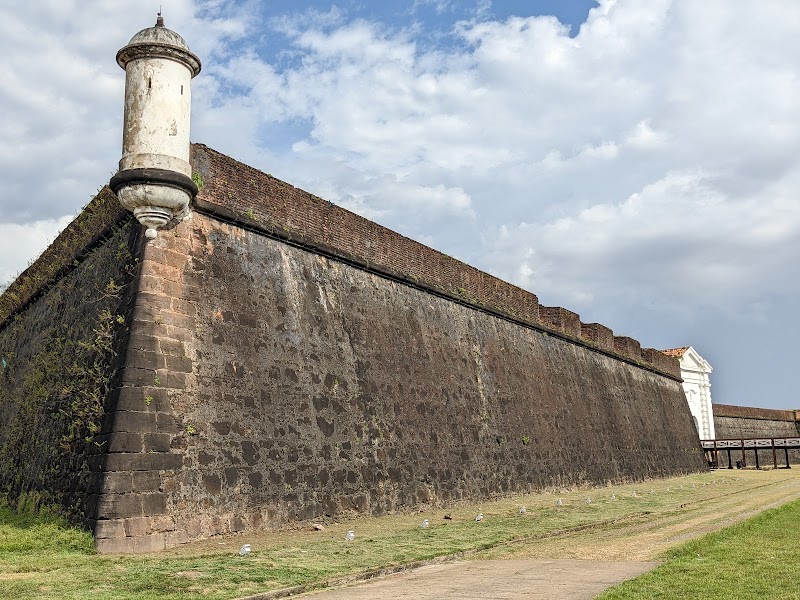
Fortaleza de São José de Macapá is the cleanest first move for most cruise passengers because it is walkable from port and gives the city immediate context. You get cannons, a chapel, and a history museum inside an 18th-century Portuguese fortress, with guided tours that frame colonial Amapa without requiring a full-day commitment. It fits travelers who like a concrete sense of place before wandering, and it is especially useful if your call is short or you do not want to spend the day negotiating transport.
Walk here early, then decide whether the rest of your day is about the equator, culture, or green space.
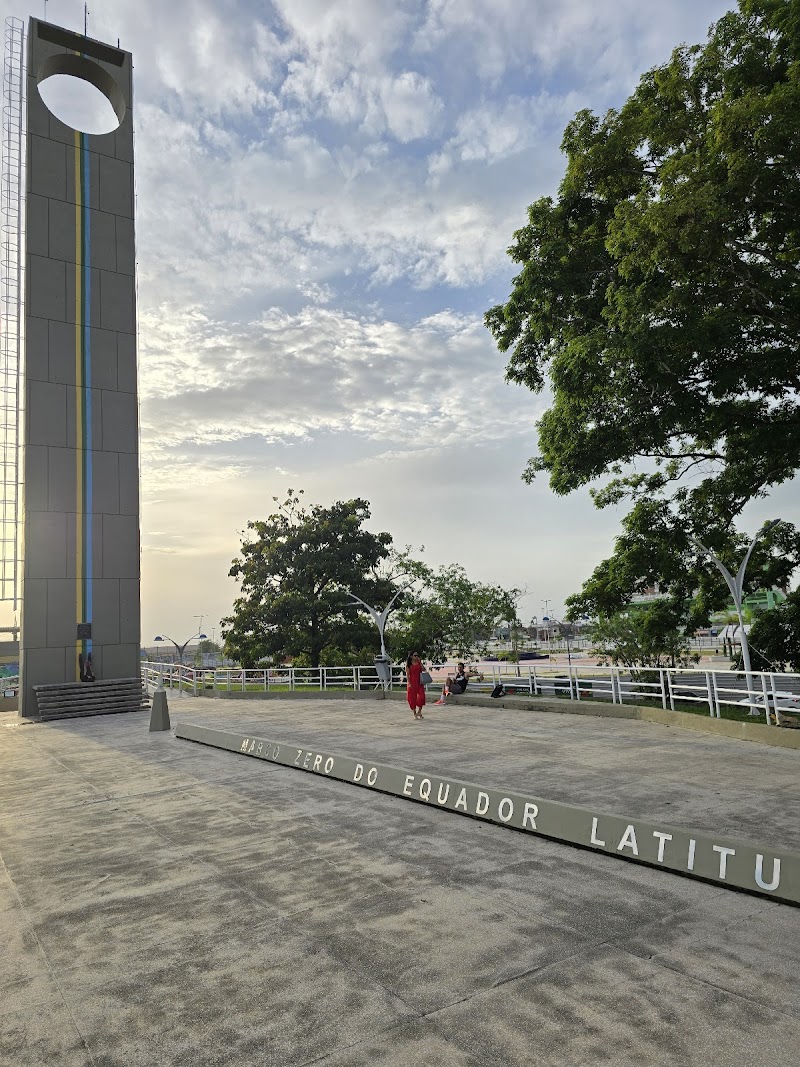
Marco Zero do Equador is the iconic Macapa port stop for a reason: it gives you the clean, instantly readable image of standing on the equator. The monument has an equator-marked sundial and obelisk, plus playful demonstrations like egg-balancing that make it more interactive than a standard plaque-and-go landmark. It is best for first-time visitors, photo-driven travelers, and anyone who wants a geographical flex from the itinerary. Pair it with the fortress rather than building the whole day around it.
18th-century Portuguese fortress with cannons, chapel, and history museum. Free guided tours on colonial Amapá. Walkable from port.
Stand on the equator line at this monument with equator-marked sundial and obelisk. Interactive equator experiments like egg-balancing; photos galore. Iconic port photo stop.
Amazonian botanicals with trails, orchid house, and medicinal plants. Birdwatching paradise. Taxi 15 mins.
Charming square with old viaduct, crafts fair, and açaí stands. People-watching hub. Central.
Current sailings visiting this port, sorted by the lowest tracked cabin price per night.
This is the stop people will recognize from your trip photos, so give it time but do not overbuild the day around it.
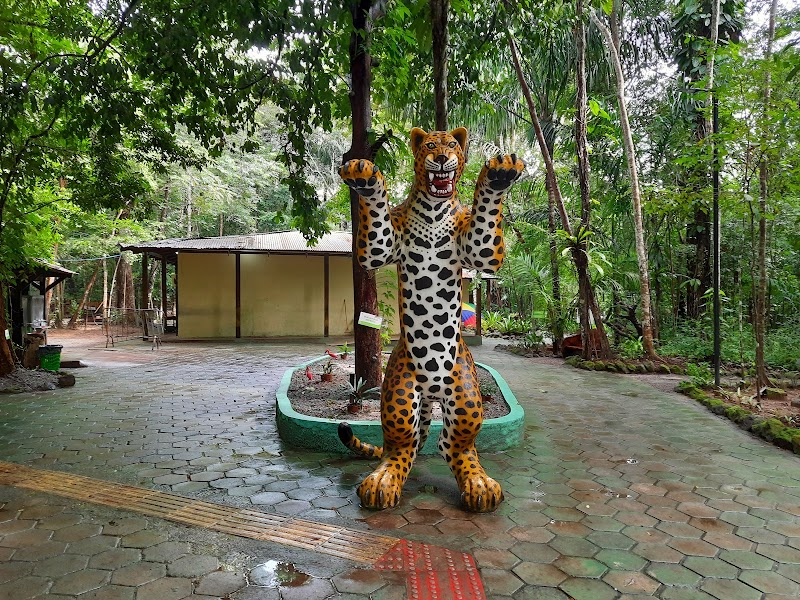
Jardim Botânico do Estado is the better choice if your ideal port day has more leaves than landmarks. A short taxi ride gets you to trails, an orchid house, medicinal plants, and the kind of birdwatching potential that rewards slowing down. It suits nature people, photographers, and anyone who wants a softer counterpoint to the fortress-and-monument circuit. Prioritize it if you are comfortable spending part of your stop away from the central core, and avoid cramming it between too many other stops.
Pick the botanical garden when you want a quieter, greener day instead of a checklist of urban sights.
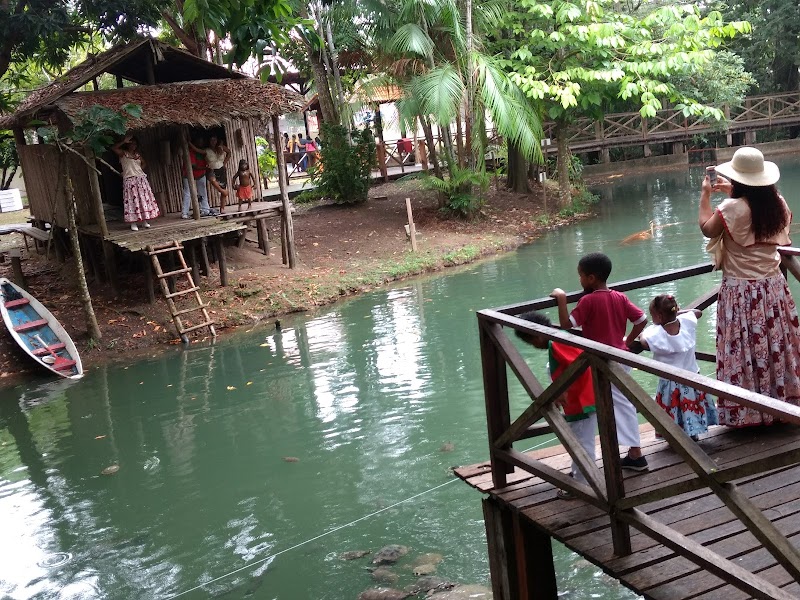
Museu Sacaca is the stop for travelers who want Amapa culture presented through living details rather than glass cases alone. Recreated villages, craft demonstrations, and ethnic foods make it a more tactile visit, and the bus-accessible location keeps it realistic for a cruise call if you plan your route. It is a strong pick after the fortress, especially if you want to understand the region beyond colonial architecture. Give it enough time to wander; rushing an interactive museum defeats the point.
Choose this over another quick photo stop if you want the day to feel rooted in local culture.
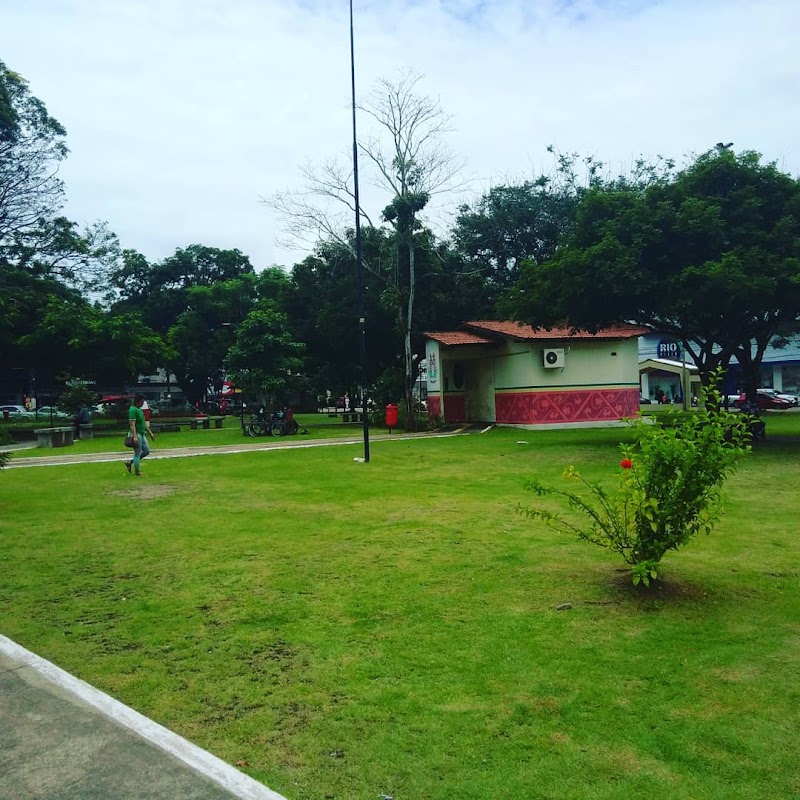
Praça Veiga Cabral works best as a breather between bigger stops, not as the main attraction. The central square has an old viaduct, craft fair energy, acai stands, and the kind of people-watching that helps a port day feel less scripted. It fits travelers who like to snack, browse, and read the rhythm of a city from a bench rather than a tour bus. Add it after the fortress or before heading back, especially if you want a small local purchase without committing to a full shopping detour.
Use the square as a short reset when you want local texture without adding much complexity.
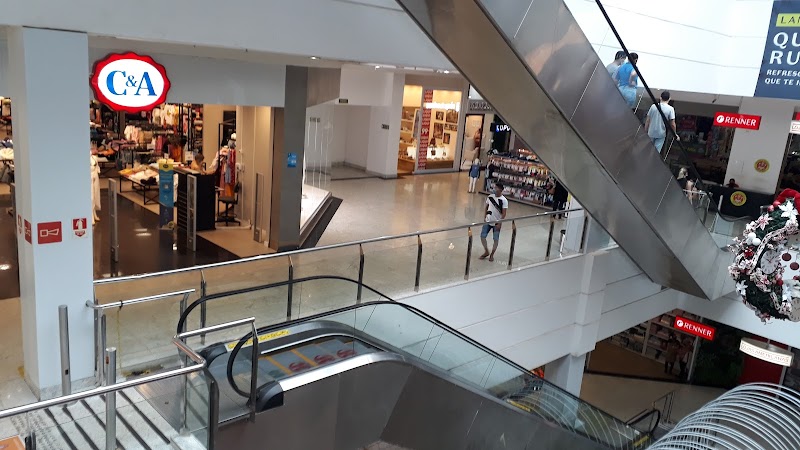
Ribeirão Shopping is not the reason to book a Macapa call, but it has a real port-day purpose: air conditioning, dining, souvenir browsing, and a reliable place to regroup. The equator-themed ice cream gives it a bit of local wink without turning the stop into a manufactured attraction. This is useful for families, mixed-energy groups, or anyone who has hit their limit on heat and walking. Keep it as a practical buffer near the end of the day rather than your first move.
Save the mall for food, AC, and logistics after you have seen something distinctly Macapa.
Curiau Village is the port-day choice for travelers who would rather trade a conventional sightseeing loop for a cultural exchange. The quilombo community is known for capoeira, crafts, and tours with a homestay-like feel, and it sits about 20 minutes out, so transport planning matters. This is not the stop to squeeze in casually if your schedule is tight. It works best when booked or arranged with intention, especially for travelers who value conversation, community context, and a slower pace over landmark collecting.
Curiau is close enough to be realistic, but it deserves a deliberate visit rather than a rushed detour.
Modern mall with AC, dining, and shops for souvenirs. Ice cream equator-themed. Comfort stop.
Living Amapá culture museum with recreated villages, crafts demos, and ethnic foods. Interactive cultural dive. Bus accessible.
River market boats selling fruits, fish; boardwalk views. Authentic Amazon flavor. Short boat.
River meeting spot with beaches for swimming; calm waters. Local picnics. Hidden beach.