International Waters
Cruises to Elephant Island
Elephant Island is for travelers who want their port day raw, weather-led, and built around penguins, ice, and one of polar history's hardest stories.
Upcoming visits
16
Best fare
$397 per night
Elephant Island is for travelers who want their port day raw, weather-led, and built around penguins, ice, and one of polar history's hardest stories.
Find Elephant Island on Google Maps before you plan the port day.
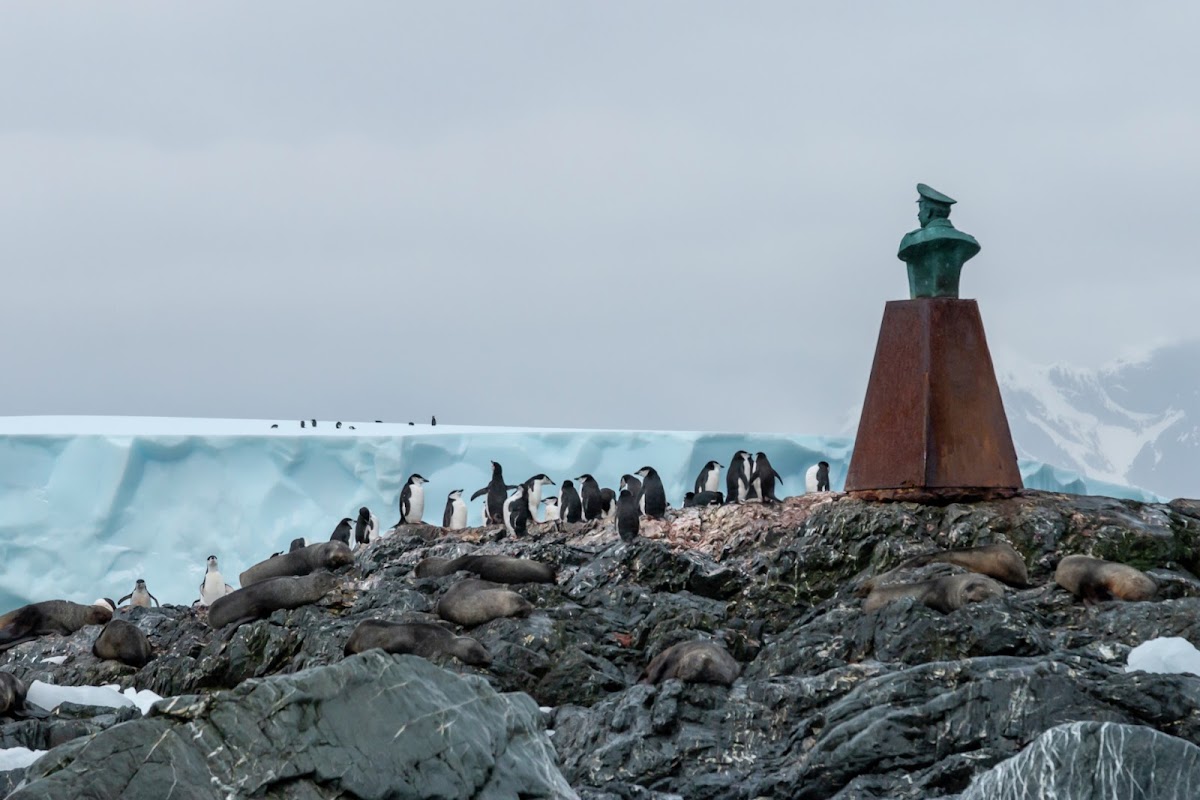
Elephant Island is not a casual stroll-off port, and that is the point. A cruise call here is about being close to a hard-edged polar landscape: cliffs busy with penguins, icebergs shaped by wind, seals on floes, and the echo of the Endurance crew's 1916 landing. The best days happen by Zodiac or small-boat approach, with the route shaped by weather and sea conditions. If you like ports where the plan is flexible but the payoff feels rare, this is a serious reason to book the itinerary.
Do not come expecting a checklist city day. Elephant Island rewards a narrower, more attentive plan: one historic landing site, one penguin colony, one slow drift past ice, or a wildlife cruise where seabirds and whales may take over the script. Prioritize what you would regret missing most, because close approaches and beach landings are not guaranteed. Photographers, wildlife people, and Shackleton readers will get the most out of it; shoppers, bar-hoppers, and anyone who needs a fixed schedule may find it too unruly.
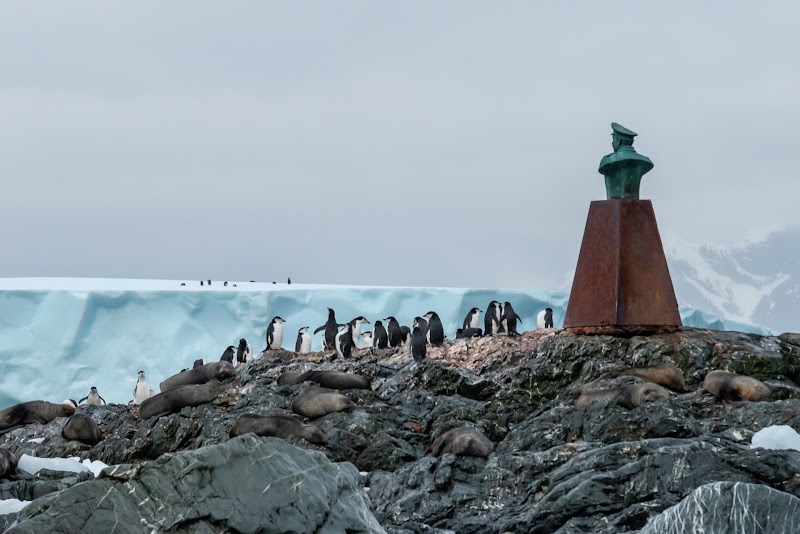
Shackleton's Endurance Landing Site is the reason Elephant Island hits differently from a standard wildlife call. If conditions allow a Zodiac approach, this is where the Endurance crew reached land in 1916, with plaques marking a survival story that still gives the island its gravity. It is best for travelers who want context, not just scenery. Put it high on the list if expedition history matters to you, because even a brief look at the site makes the surrounding ice and rock feel less abstract.
Polar history fans and anyone who wants the port day to mean more than a photo stop.
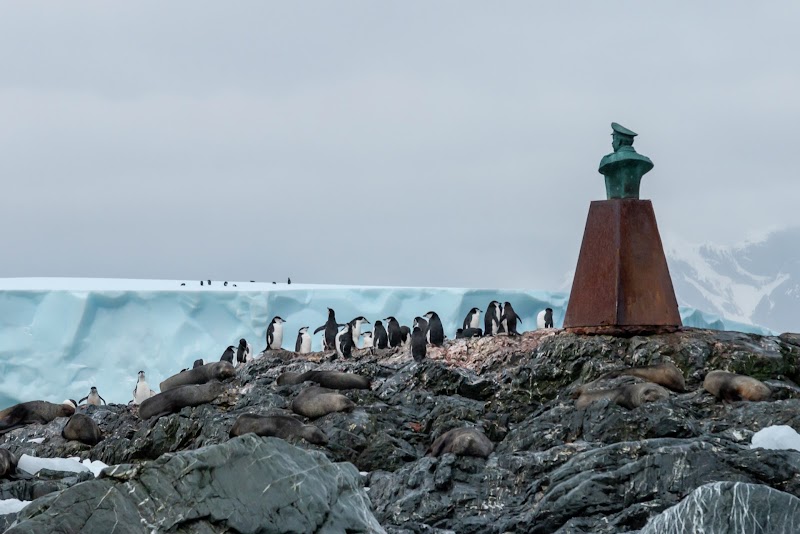
The Chinstrap Penguin Colony is the classic Elephant Island wildlife image: dense groups of chinstraps nesting on steep, exposed cliffs, all noise, motion, and attitude. Close approaches are weather dependent, so treat this as a priority rather than an afterthought if penguins are your main reason for choosing a polar itinerary. It fits photographers, birders, and anyone who would rather spend time watching behavior than rushing between viewpoints. The scale is the point here; give yourself time to notice the small chaos inside the crowd.
Zodiac to historic site where Endurance crew landed 1916. Plaques commemorate epic survival. Antarctica expedition legacy.
Thousands of comical chinstrap penguins nesting on cliffs. Close approaches weather permitting. Wildlife spectacle.
Scenic zodiac cruise spotting seals, seabirds, whales. Icebergs backdrop. Pristine polar ecosystem.
Observe gentoo penguins porpoising, nesting antics. Beach landings. Charming Antarctic birds.
Current sailings visiting this port, sorted by the lowest tracked cabin price per night.
Built 2009
Buenos Aires · Ushuaia · Cape Horn · Elephant Island · Port Stanley · Puerto Madryn · Montevideo
Built 2009
Buenos Aires · Ushuaia · Cape Horn · Elephant Island · Port Stanley · Puerto Madryn · Montevideo
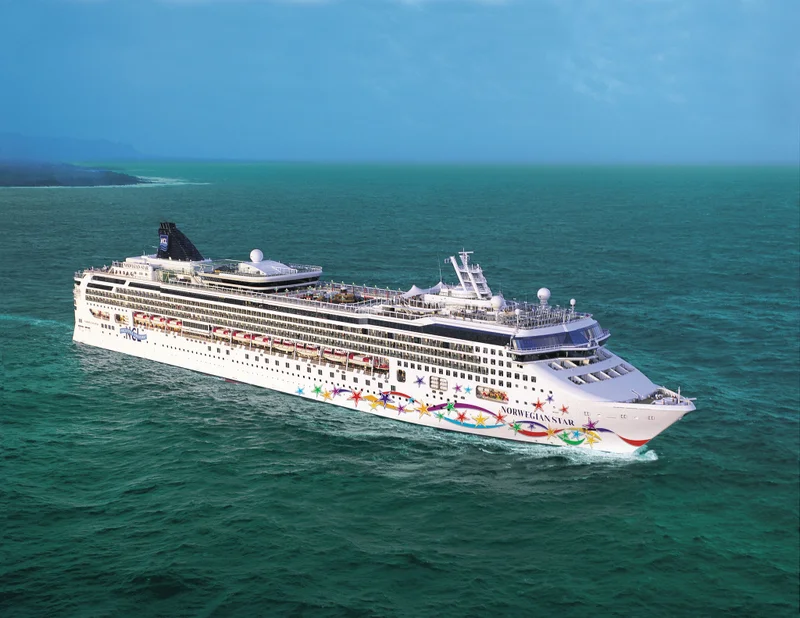
Built 2001
Santiago · Puerto Montt · Ushuaia · Elephant Island · Port Stanley · Puerto Madryn · Montevideo · Buenos Aires
Built 2009
Buenos Aires · Ushuaia · Cape Horn · Elephant Island · Port Stanley · Puerto Madryn · Montevideo
Built 2001
Buenos Aires · Montevideo · Puerto Madryn · Port Stanley · Elephant Island · Ushuaia · Puerto Montt · Santiago
Built 2001
Buenos Aires · Montevideo · Puerto Madryn · Port Stanley · Elephant Island · Ushuaia · Puerto Montt · Santiago
Built 2009
Buenos Aires · Punta del Este · Montevideo · Ushuaia · Cape Horn · Elephant Island · Port Stanley · Puerto Madryn
Built 2001
Santiago · Puerto Montt · Ushuaia · Elephant Island · Port Stanley · Puerto Madryn · Montevideo · Buenos Aires
Built 2001
Santiago · Puerto Montt · Ushuaia · Elephant Island · Port Stanley · Puerto Madryn · Montevideo · Buenos Aires
Built 2001
Buenos Aires · Montevideo · Puerto Madryn · Port Stanley · Elephant Island · Ushuaia · Punta Arenas · Puerto Montt · Santiago
Built 2009
Buenos Aires · Ushuaia · Cape Horn · Elephant Island · Port Stanley · Puerto Madryn · Montevideo
Built 2009
Buenos Aires · Ushuaia · Cape Horn · Elephant Island · Port Stanley · Puerto Madryn · Montevideo
You want the most kinetic penguin viewing of the day.
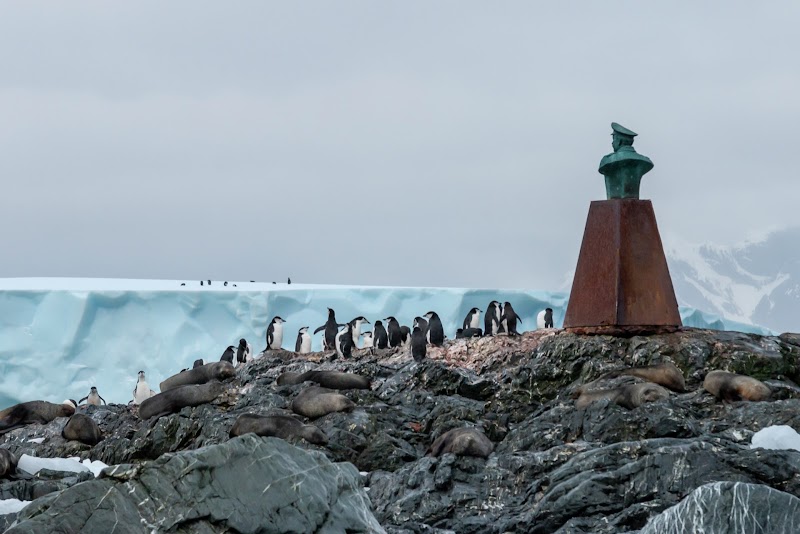
A Wildlife Viewing Cruise is the smartest bet for travelers who want range without forcing a landing. From a Zodiac, the day can shift from seals to seabirds to possible whale sightings, with icebergs doing a lot of visual work in the background. It is not a zoo, so patience matters; the best moments may arrive between the obvious ones. Choose this if you are comfortable with a loose plan and want Elephant Island as an ecosystem, not just a single named stop.
A Zodiac wildlife cruise can still feel substantial when beach landings are not possible.
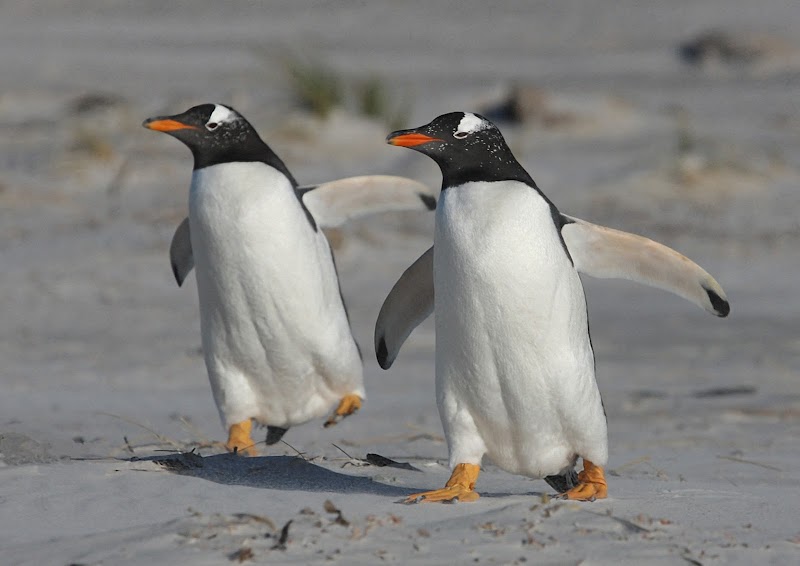
The Gentoo Penguin Rookery brings a different kind of charm from the chinstrap cliffs. Gentoos porpoise through the water and settle into nesting behavior that rewards slower watching, especially if a beach landing is possible. This is a strong pick for travelers who want animal behavior over big scenic statements. If your itinerary already includes chinstraps, the rookery still adds variety; if you only get one penguin-focused stop, choose based on whether you want cliffside scale or closer beach-level personality.
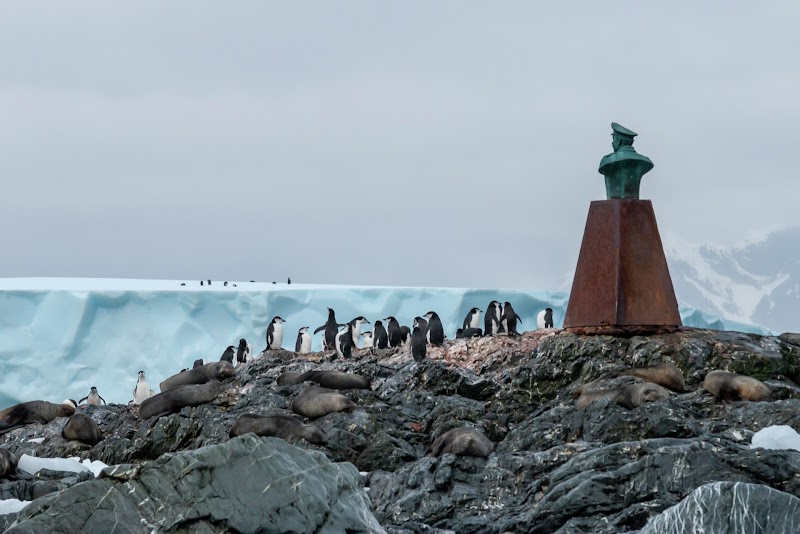
The Weddell Seal Haul-Out is quieter than the penguin colonies, but that is part of its appeal. Seals resting on ice floes create a still, almost minimalist scene, and the viewing is more about waiting than chasing. It suits travelers who like marine mammals, long-lens photography, and the softer pauses in a polar day. Do not make it your only priority if you need constant action, but as part of a Zodiac circuit it adds a calm counterpoint to the sharper drama of cliffs, birds, and bergs.
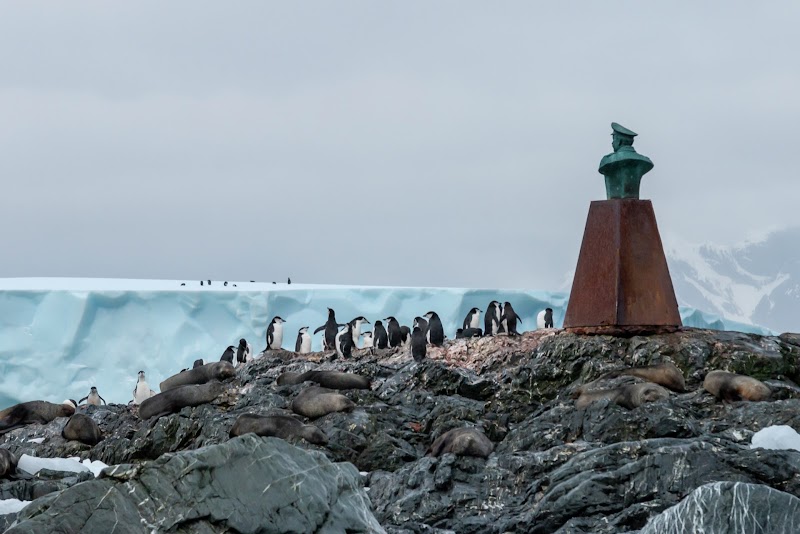
Iceberg Alley is the port's purest visual flex: tabular bergs carved into strange planes and edges, floating like temporary architecture. It is especially strong for photographers, but you do not need gear to understand the appeal. A slow drift here can be more memorable than a rushed landing because the scale keeps changing as the boat moves. If wildlife is quiet or conditions limit access elsewhere, this is the experience that can still make the call feel worth the itinerary slot.
Watch for shape, shadow, and scale rather than trying to capture every berg.
Spot plump seals basking on ice floes. Patient viewing. Serene marine mammal moment.
Drift among massive tabular bergs sculpted by wind. Photo heaven. Floating ice gallery.