International Waters
Cruises to Drake Passage
Drake Passage is not a port day to fill; it is a raw sea crossing where the ship itself becomes the lookout, classroom, and photo blind.
Upcoming visits
7
Best fare
$462 per night
Drake Passage is not a port day to fill; it is a raw sea crossing where the ship itself becomes the lookout, classroom, and photo blind.
Find Drake Passage on Google Maps before you plan the port day.
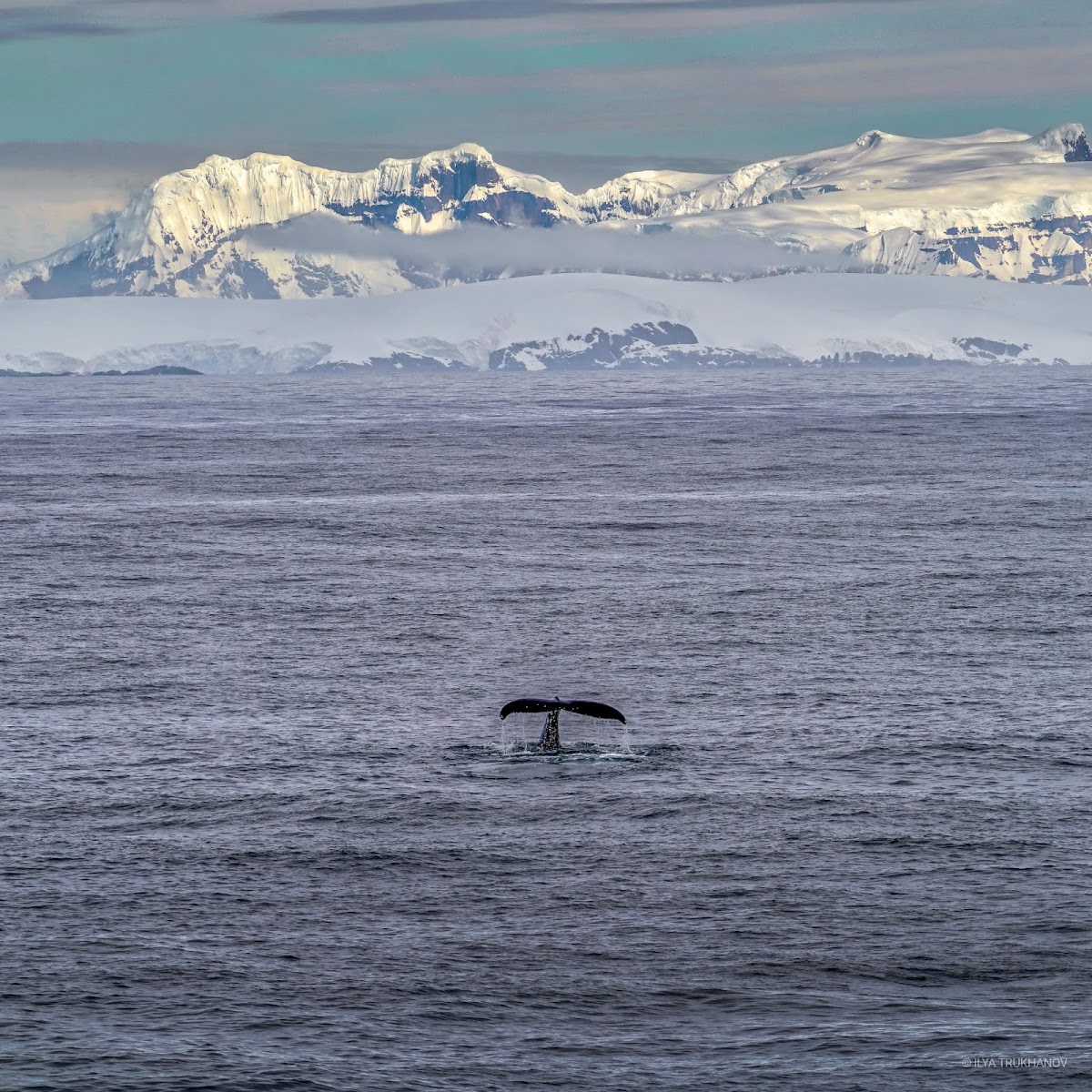
Drake Passage is the rare cruise call where getting off the ship is not the point. This is scenic cruising in international waters, built around the mood of the Southern Ocean: sometimes glassy enough to earn the nickname 'Drake Lake,' sometimes all slate water, wind, and motion. For passengers deciding if an itinerary is worth it, the appeal is less checklist sightseeing and more proximity to a place that feels genuinely remote. If you like your travel with edges, this stretch can be one of the most memorable parts of the route.
Plan it like a sea day with consequences. The best moments happen from decks, lounges, lecture rooms, and windows, and they reward people who pay attention: birders scanning for wings, photographers waiting for a clean horizon, weather nerds listening to the captain's updates. It is not ideal if your perfect port day means warm sand and independent wandering. It is excellent if you want Antarctica-adjacent atmosphere without needing a tender schedule to validate the day. Bring layers, keep binoculars close if you have them, and treat the crossing as part of the destination, not dead time between ports.
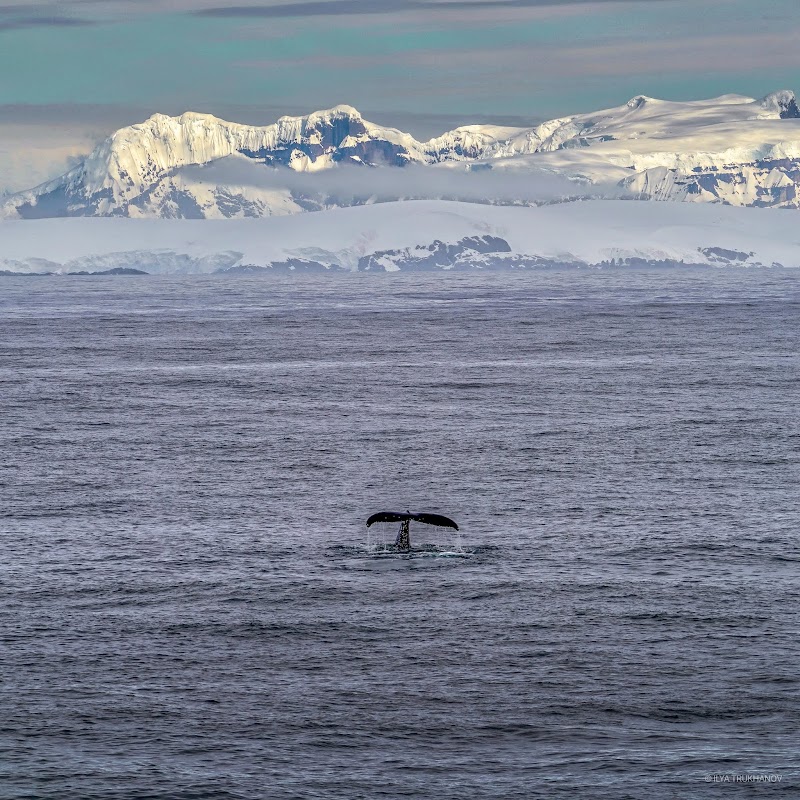
Southern Ocean Views are the main event here, even when they are doing two completely different things. On one crossing, the water may read as flat, cold, and strangely quiet; on another, it can look like a moving wall of gray. Either version is the point. This is the experience to prioritize if you booked the itinerary for scale, weather, and that hard-to-fake feeling of distance. Do not treat it as background while you scroll indoors. Give yourself real deck time, then rotate inside to warm up and watch the horizon from a window.
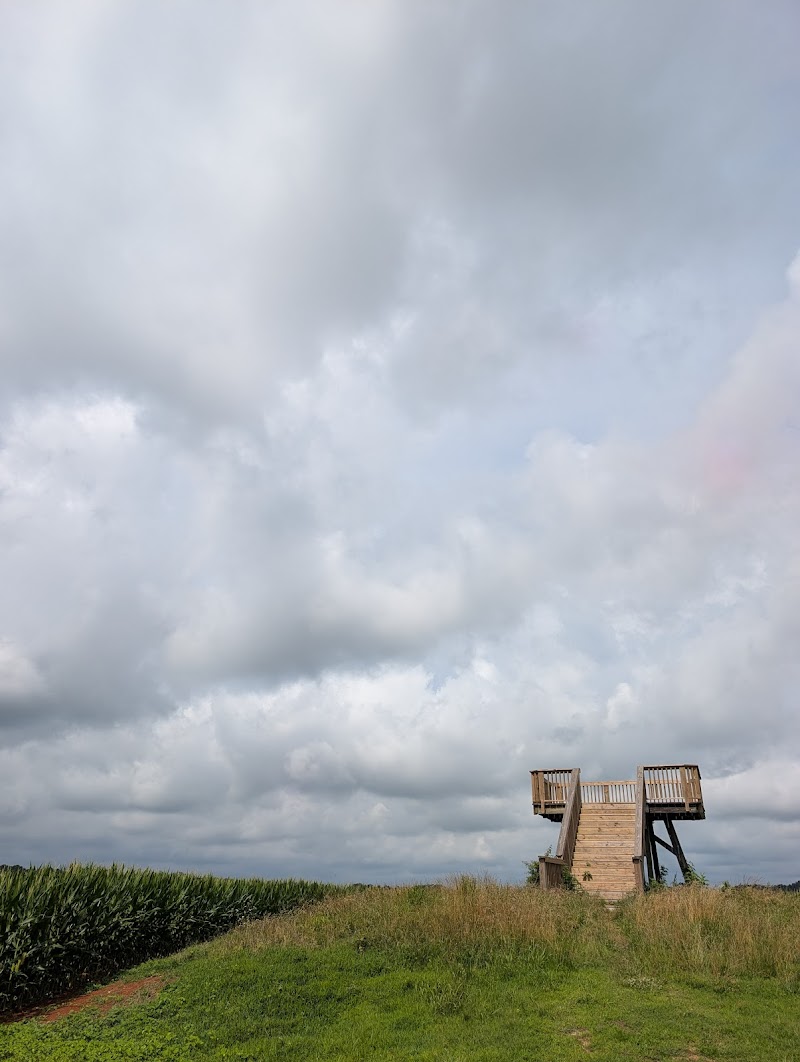
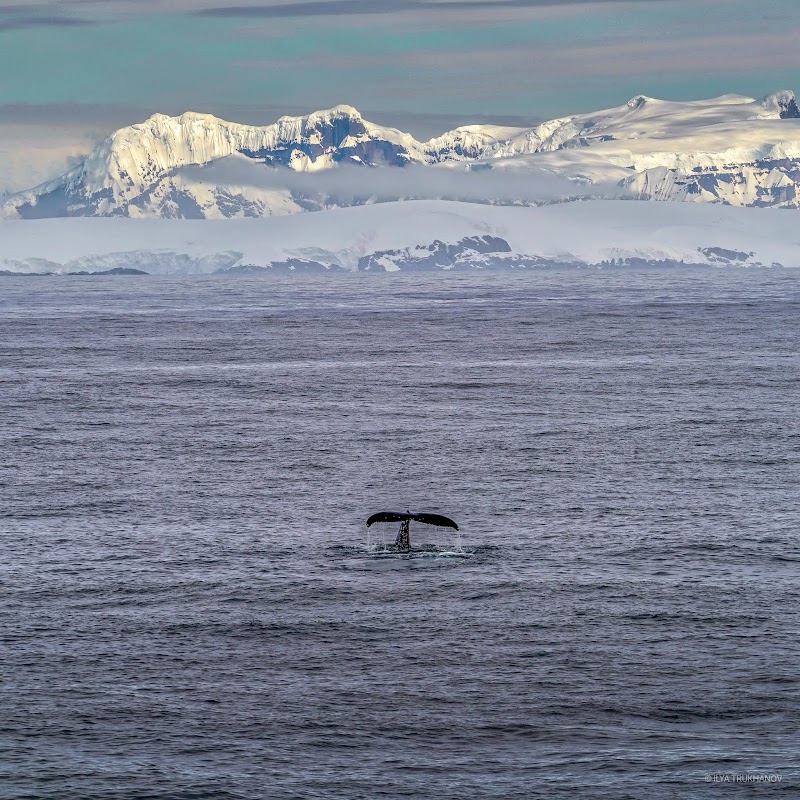
The Wildlife Observation Deck is where the crossing turns from scenery into a live watch. Albatross, whales, and penguins are the headline possibilities, but the better mindset is patience rather than a guaranteed checklist. This is especially worth prioritizing for travelers who get more excited by a real sighting than by a scheduled attraction. Dress for standing still in cold wind, because the best wildlife moments do not always happen when you are comfortable. If you only commit to one outdoor habit during the passage, make it frequent short deck checks with your eyes on the water and sky.
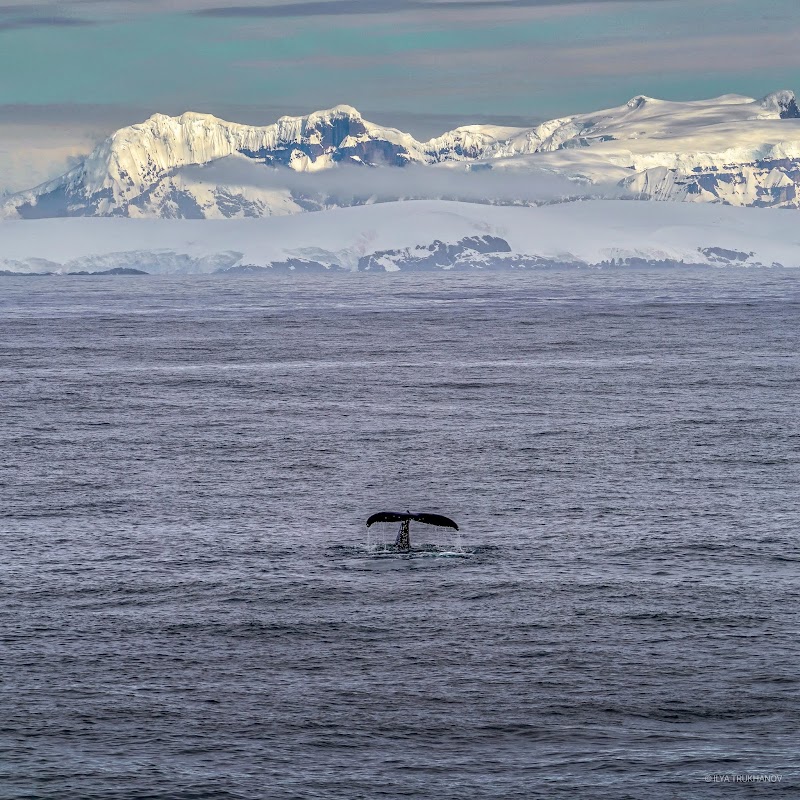
Panoramic stormy seas or flat calm 'Drake Lake'. Epic nature theater. Passage highlight.
Spot albatross, whales, and penguins from ship decks during crossing. Natural show. Bundle up.
Expert talks on Antarctic history, weather, wildlife onboard. Educational prep. Insightful.
Identify petrels and prions with onboard guides. Binocular essential. Avian ballet.
Current sailings visiting this port, sorted by the lowest tracked cabin price per night.
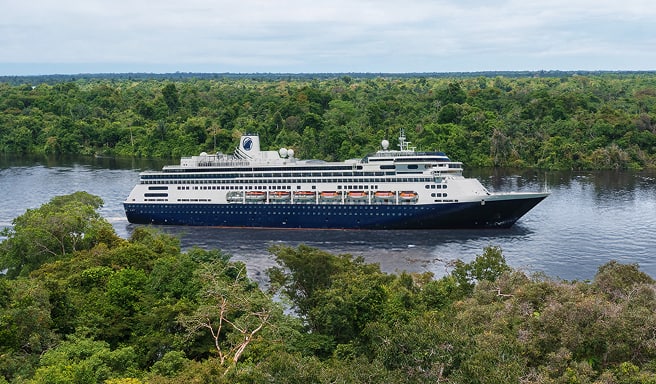
Built 1999
Fort Lauderdale · Barbados · Devil's Island · Icoaraci · Recife · Rio · Montevideo · Buenos Aires · Port Stanley · Drake Passage · Ushuaia · Beagle Channel · Punta Arenas · Strait of Magellan · Puerto Montt · San Antonio · Easter Island · Moorea · Tahiti · Bora Bora · Auckland · Tauranga · Wellington · Christchurch · Picton · New Plymouth · Sydney · Brisbane · Townsville · Cairns · Darwin · Slawi Bay · Bali · Singapore · Phuket · Colombo · Malé · Port Louis · Réunion (Le Port) · Port Elizabeth · Cape Town · Lüderitz · Walvis Bay · Takoradi · Abidjan · Praia · Mindelo · San Juan
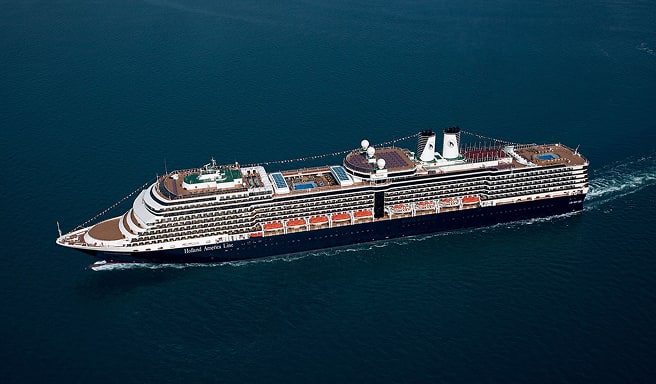
Built 2010
San Antonio · Puerto Montt · Puerto Chacabuco · Pío XI Glacier · Strait of Magellan · Punta Arenas · Cockburn Channel · Beagle Channel · Ushuaia · Port Stanley · Montevideo · Buenos Aires · Puerto Madryn · Drake Passage
Built 1999
Fort Lauderdale · Barbados · Devil's Island · Icoaraci · Recife · Rio · Montevideo · Buenos Aires · Port Stanley · Drake Passage · Ushuaia · Beagle Channel · Punta Arenas · Strait of Magellan · Puerto Montt · San Antonio
Built 1999
Fort Lauderdale · Barbados · Devil's Island · Icoaraci · Recife · Rio · Montevideo · Buenos Aires · Port Stanley · Drake Passage · Ushuaia · Beagle Channel · Punta Arenas · Strait of Magellan · Puerto Montt · San Antonio · Easter Island · Moorea · Tahiti · Bora Bora · Auckland · Tauranga · Wellington · Christchurch · Picton · New Plymouth · Sydney
Built 2010
Buenos Aires · Montevideo · Puerto Madryn · Port Stanley · Drake Passage · Ushuaia · Beagle Channel · Punta Arenas · Strait of Magellan · Puerto Chacabuco · Puerto Montt · San Antonio
Built 2010
Buenos Aires · Montevideo · Puerto Madryn · Port Stanley · Drake Passage · Ushuaia · Beagle Channel · Punta Arenas · Strait of Magellan · Puerto Chacabuco · Puerto Montt · San Antonio
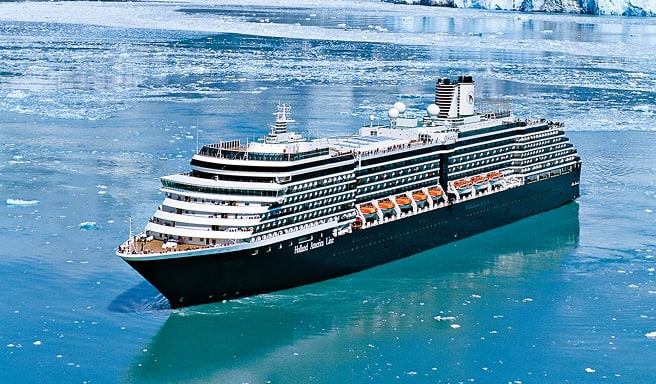
Built 2003
Buenos Aires · Montevideo · Puerto Madryn · Port Stanley · Drake Passage · Ushuaia · Beagle Channel · Punta Arenas · Strait of Magellan · Puerto Chacabuco · Puerto Montt · San Antonio
Drake Passage Lectures can make the difference between staring at a dramatic ocean and understanding why it feels so charged. Expert talks on Antarctic history, weather, and wildlife give the crossing context without turning the day into homework. They are a smart priority for first-timers, curious travelers, and anyone who wants the scenery to mean more than a weather report. Pair a lecture with time outside afterward; the information tends to sharpen what you notice. If conditions are rough or visibility is low, the onboard classroom becomes even more valuable.
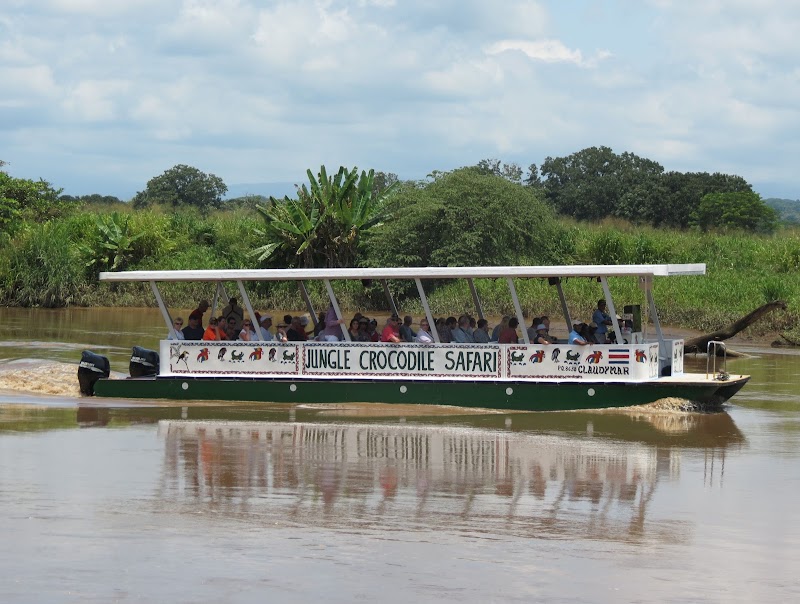
Bird Watching Tours are the most focused way to experience the passage if you are drawn to details. With onboard guides helping identify petrels, prions, and other seabirds, the sky becomes more than a blur of wings over gray water. This is a strong fit for patient travelers, wildlife people, and anyone who likes learning a place through small signs rather than big monuments. Binoculars matter here; without them, you will miss much of the nuance. Prioritize a guided session early so you can keep practicing on your own for the rest of the crossing.
The Captain's Drake Log gives the crossing a narrative spine. Daily updates on sea conditions and sightings help passengers understand what is changing outside the windows, and they can turn a vast stretch of water into a shared shipwide experience. This is not a substitute for going outside, but it is a useful compass for when to pay closer attention. It fits travelers who like the old-school rhythm of seafaring as much as the views themselves. Check in with it, then use the information to time your next deck visit or wildlife watch.
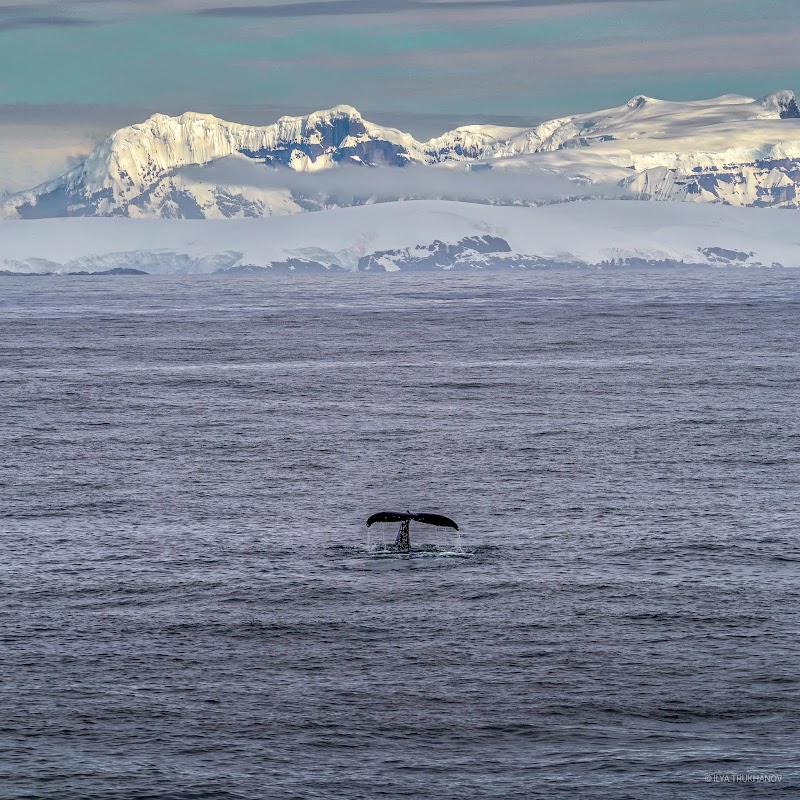
Photo Workshops are worth considering because Drake Passage is deceptively hard to photograph. Rough seas, low contrast, fast-moving wildlife, and wide horizons can make the most intense moments look flat on a phone or camera. A workshop gives you practical ways to frame the weather and react when wildlife appears. It is best for travelers who already know they will be shooting constantly, but it can also help casual photographers come home with images that feel less accidental. The priority is not perfect postcard clarity; it is capturing the scale, texture, and volatility of the crossing.
Daily updates on sea conditions and sightings. Community event. Nautical narrative.
Tips for capturing rough seas and wildlife. Creative outlet. Skill builder.