FR
Cruises to Devil's Island
Devil's Island is a compact, moody port where ruins, jungle paths, and hard-edged sea views do more than another standard beach day.
Upcoming visits
6
Best fare
$389 per night
Devil's Island is a compact, moody port where ruins, jungle paths, and hard-edged sea views do more than another standard beach day.
Find Devil's Island on Google Maps before you plan the port day.
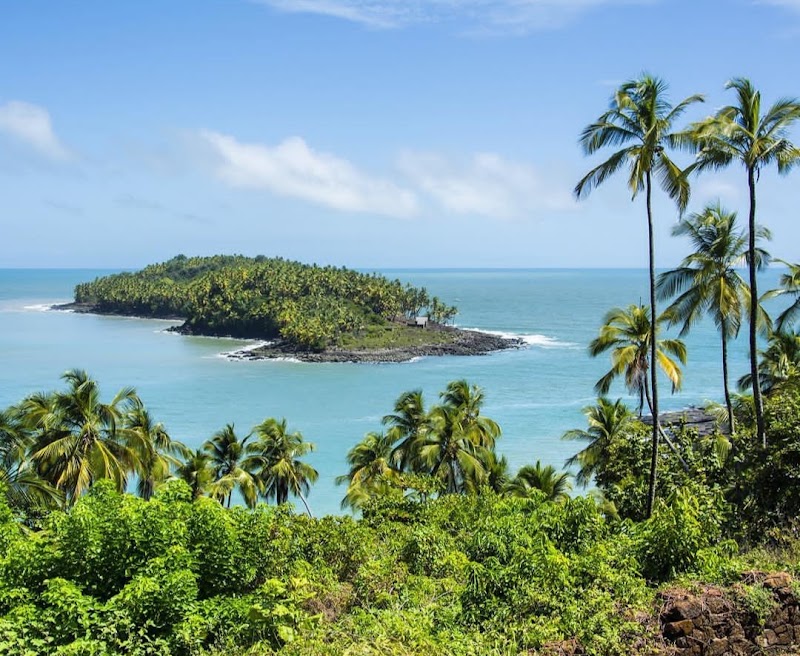
Devil's Island is not a typical easy-sell cruise stop, which is exactly the point. This corner of French Guiana trades polished port routines for penal colony ruins, jungle paths, peacocks, rocky ocean views, and small-island logistics. The day works best if you lean into the atmosphere instead of trying to turn it into a resort call. Come for history with real weight, a few strange details, and the feeling of being somewhere your friends probably have not been.
For a port day, the smart plan is focused rather than ambitious. Ile Royale is the practical anchor, with walking paths, beaches, ruins, and oddball extras like a banana museum. From there, decide whether your priority is the prison history, a viewpoint photo stop, a wildlife wander, or getting into the water at a calm cove or snorkeling spot. This is a place for travelers who like texture: crumbling walls, sea spray, animals in the trees, and enough rough edges to make the stop memorable.
The Ile Royale Island Tour is the best first move because it gives the day structure without locking you into one mood. You can walk between ruins, beaches, and shaded paths, with peacocks adding a surreal note to the landscape. The banana museum is the kind of offbeat detail that makes this port feel less scripted than bigger Caribbean stops. For cruise passengers, Ile Royale is the sensible anchor: start here, get your bearings, then decide whether to chase more history, water time, or quieter nature.
Start on Ile Royale if you want the widest mix of ruins, paths, beach edges, and odd little discoveries.
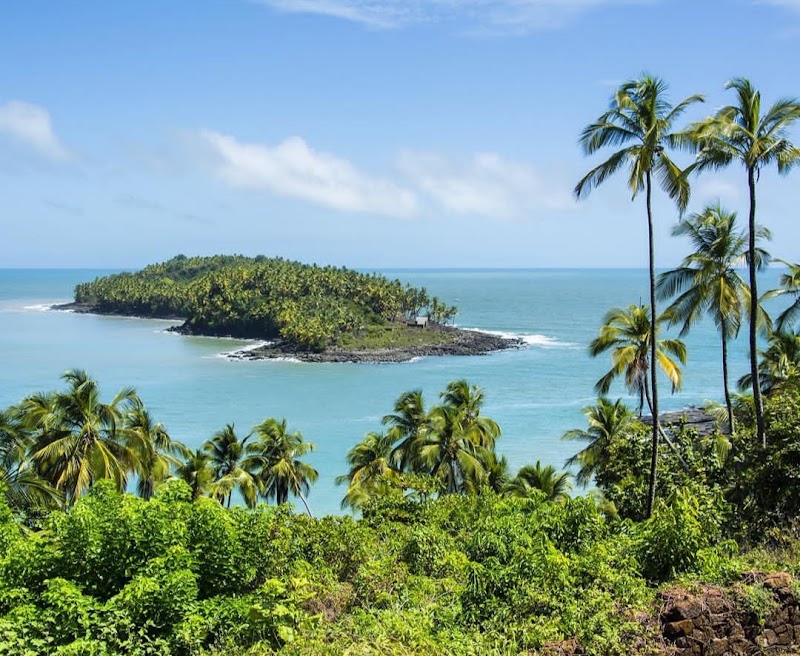
The Devil's Island Prison Ruins are the reason this port has such a hold on the imagination. Cells, the guillotine site, and solitary confinement areas turn the island's history into something physical and unsettling. A guided tour is worth considering if you want context instead of just photographing stone walls and moving on. This is not a light beach-day detour; it is the stop to prioritize if you are drawn to difficult history, abandoned places, and port calls that feel specific rather than interchangeable.
Walk paths among ruins, beaches, and peacocks on this main island. Banana museum quirky bonus. Ferry-hopping access.
Explore the infamous penal colony cells, guillotine site, and solitary confinement. Guided tours narrate dramatic history. Haunting landmark.
Iconic landing spot with ocean panoramas. Papillon escape lore. Photo essential.
Clear waters with corals and fish around the islands. Easy shore entry. Underwater paradise.
Current sailings visiting this port, sorted by the lowest tracked cabin price per night.
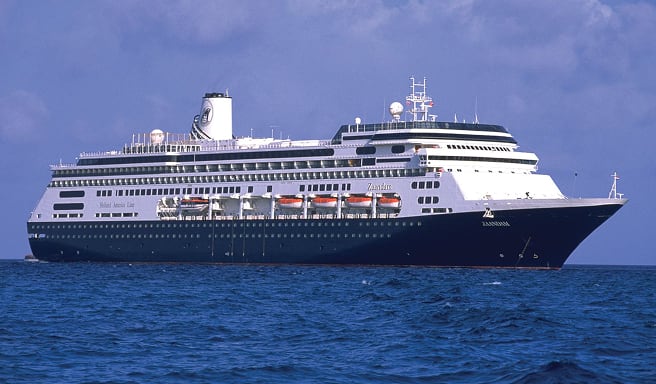
Built 2000
Fort Lauderdale · Grand Cayman · Panama Canal · Panama City · Manta · Salaverry · Lima · General San Martín · Coquimbo · San Antonio · Robinson Crusoe · Puerto Montt · Puerto Chacabuco · Pío XI Glacier · Strait of Magellan · Punta Arenas · Cockburn Channel · Beagle Channel · Ushuaia · Port Stanley · Puerto Madryn · Punta del Este · Montevideo · Buenos Aires · Santos · Abraão · Rio · Salvador · Recife · Fortaleza · Icoaraci · Devil's Island · Barbados · St. Lucia · St. Kitts · San Juan
Built 2000
Buenos Aires · Santos · Abraão · Rio · Salvador · Recife · Fortaleza · Icoaraci · Devil's Island · Barbados · St. Lucia · St. Kitts · San Juan · Fort Lauderdale
Built 1999
Fort Lauderdale · Barbados · Devil's Island · Icoaraci · Recife · Rio · Montevideo · Buenos Aires · Port Stanley · Drake Passage · Ushuaia · Beagle Channel · Punta Arenas · Strait of Magellan · Puerto Montt · San Antonio · Easter Island · Moorea · Tahiti · Bora Bora · Auckland · Tauranga · Wellington · Christchurch · Picton · New Plymouth · Sydney · Brisbane · Townsville · Cairns · Darwin · Slawi Bay · Bali · Singapore · Phuket · Colombo · Malé · Port Louis · Réunion (Le Port) · Port Elizabeth · Cape Town · Lüderitz · Walvis Bay · Takoradi · Abidjan · Praia · Mindelo · San Juan
Built 1999
Fort Lauderdale · Barbados · Devil's Island · Icoaraci · Recife · Rio · Montevideo · Buenos Aires · Port Stanley · Drake Passage · Ushuaia · Beagle Channel · Punta Arenas · Strait of Magellan · Puerto Montt · San Antonio
Built 1999
Fort Lauderdale · Barbados · Devil's Island · Icoaraci · Recife · Rio · Montevideo · Buenos Aires · Port Stanley · Drake Passage · Ushuaia · Beagle Channel · Punta Arenas · Strait of Magellan · Puerto Montt · San Antonio · Easter Island · Moorea · Tahiti · Bora Bora · Auckland · Tauranga · Wellington · Christchurch · Picton · New Plymouth · Sydney
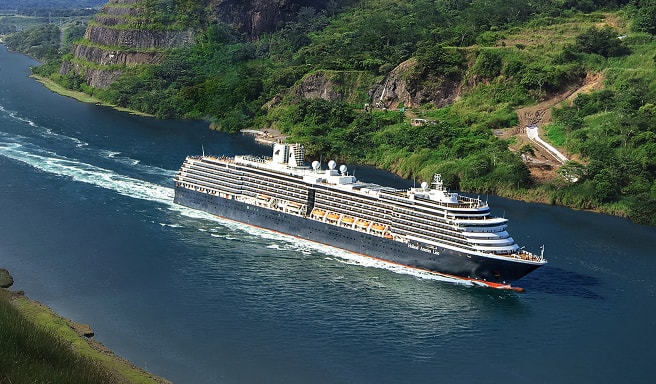
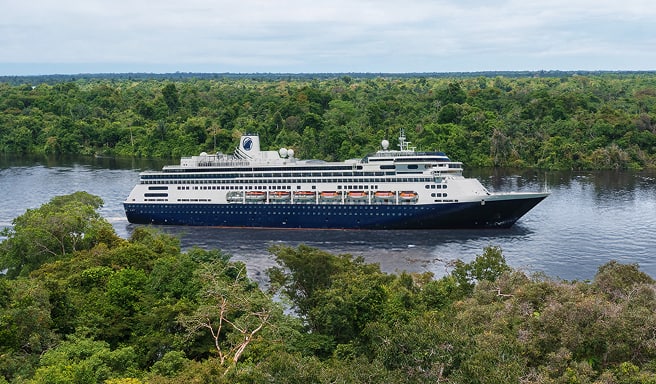
Built 2002
Fort Lauderdale · Half Moon Cay · St. Maarten · Martinique · Tobago · Barra Norte River · Macapá · Santarém · Boca da Valéria · Manaus · Parintins · Alter do Chão · Devil's Island · Barbados · St. Kitts · San Juan
The ruins land harder with context, so build in time to listen, read, and look closely.
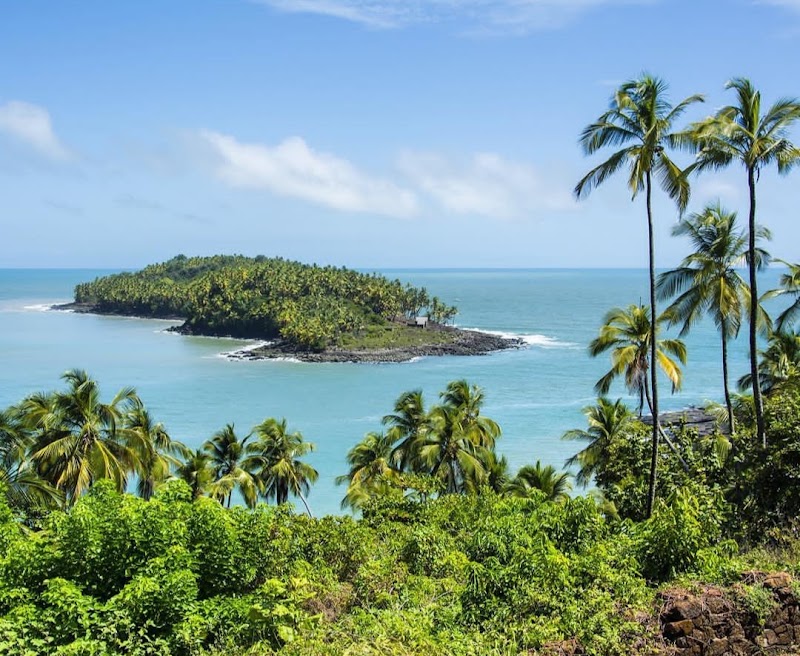
Le Levrier Jetty Viewpoint is a small stop with a big sense of place. The ocean panoramas make it one of the easiest visual wins of the day, especially if you want a clean image of the islands' rugged coastline rather than another path-through-ruins shot. The Papillon escape lore gives the viewpoint an extra charge, even if you are only there briefly. For cruise passengers juggling limited time, this works well as a quick pause between heavier history and whatever comes next.
If your day feels too history-heavy, this viewpoint resets the mood with open water and strong photos.
Snorkeling at Anse des Cocotiers is the port's clearest argument for packing swim gear. The draw is simple: shore entry, clear water, fish, and coral around the islands. It fits travelers who want an active break from ruins and walking paths, but it should be treated as a priority, not an afterthought. If snorkeling matters to you, plan the day around it and keep the rest lean. Trying to combine every historic site, wildlife walk, and water stop can make the port feel rushed.
Bring swim gear only if you are ready to give water time a real slot in the day.
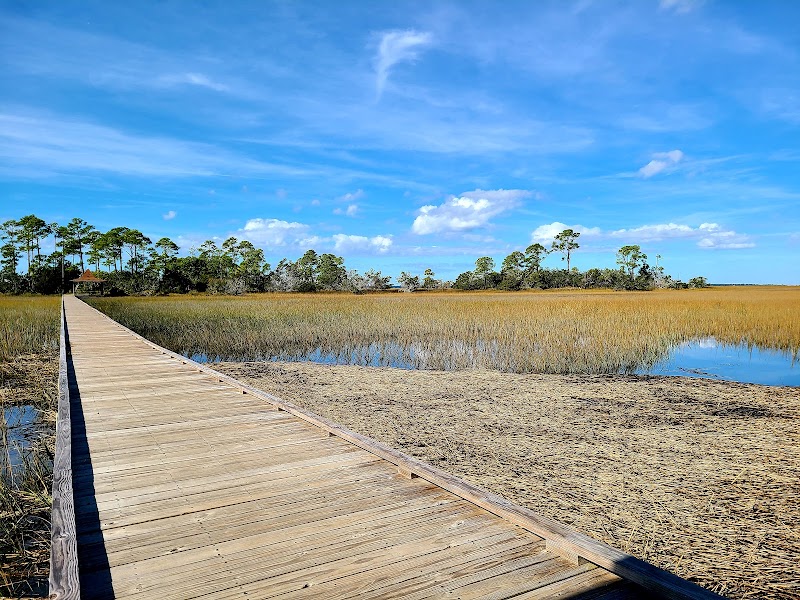
The wildlife spotting walks are a good reminder that this port is not only about its prison past. Self-guided jungle paths can bring monkeys, agoutis, and birds into the day, which gives the island a looser, more alive rhythm after the heavier historic stops. This is a strong fit for travelers who like walking, noticing details, and letting a port unfold without a rigid checklist. It is also a smart middle option if you are traveling with someone who wants nature while you still want ruins nearby.
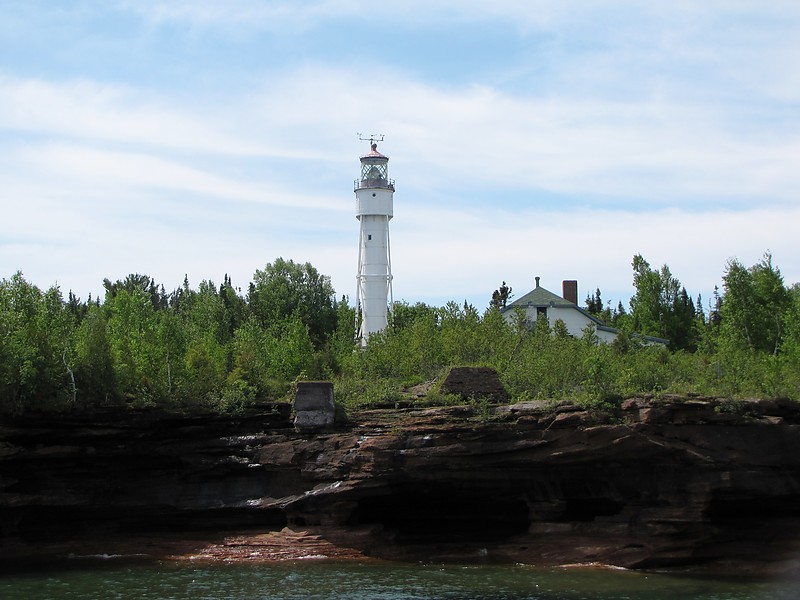
Saint-Joseph Island Lighthouse is the choice for travelers who would rather trade convenience for a quieter edge of the port. A short boat ride leads to a restored lighthouse trail with sea cliffs and a more solitary feel. It is not the default stop if you only want the headline history, but it can be the most rewarding move for repeat cruisers, photographers, and anyone drawn to remote viewpoints. Prioritize it when you are comfortable giving up some central island time for a more atmospheric side trip.
Secluded beach cove for swimming under palms. Tranquil escape. Hidden lagoon.
Monkeys, agoutis, and birds amid jungle paths. Self-guided nature. Untamed beauty.
Short boat to restored lighthouse trail with sea cliffs. Solitude and views. Remote gem.