CL
Cruises to Coquimbo
Coquimbo is a choose-your-lane port: beach path, hilltop cross, pisco and seafood, or a wildlife boat if you want the day to feel bigger.
Upcoming visits
11
Best fare
$171 per night
Coquimbo is a choose-your-lane port: beach path, hilltop cross, pisco and seafood, or a wildlife boat if you want the day to feel bigger.
Find Coquimbo on Google Maps before you plan the port day.
Coquimbo is best read as a coastal port with La Serena in its orbit, not as a city you need to conquer sight by sight. A strong day here can be as simple as walking or cycling the long Avenue del Mar, then trading salt air for a pisco tasting or a seafood lunch. If you want a single image to take home, the hilltop cross gives you the skyline moment. If your itinerary has already delivered enough plazas and churches, aim outward instead: the marine reserve adds seals, Humboldt penguins, and kelp forests to the story.
The catch is that Coquimbo rewards choosing early. Beach promenade, market flavors, garden downtime, hilltop views, and wildlife boats are not the same kind of day, and trying to mash them together will make the stop feel thinner. Prioritize based on your energy level and weather mood. Active travelers should look at the promenade or marine reserve first. View collectors and photographers should start uphill. Anyone craving a softer landing after several big sightseeing days can keep the plan local, edible, and low-friction. That restraint is the difference between a textured port call and a rushed checklist.
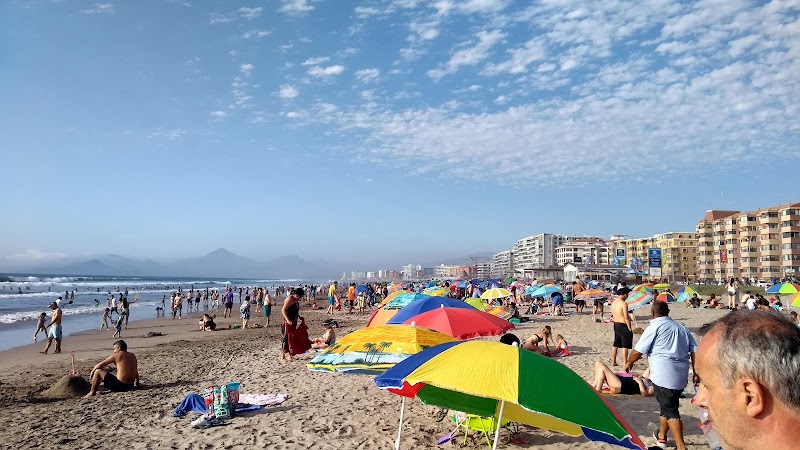
Avenue del Mar is the easiest way to make the port day feel coastal without overplanning it. The promenade runs along the ocean for 15 kilometers, with sculptures, hotels, and enough movement to keep a walk from feeling like filler. It is especially good if you have been stuck in transit mode and want fresh air more than another interior tour. Cyclists can turn it into an active half-day, while slower travelers can sample a stretch, pause often, and still feel like they saw the La Serena side of the call.
Travelers who want a scenic, flexible day with room to walk, cycle, and improvise.
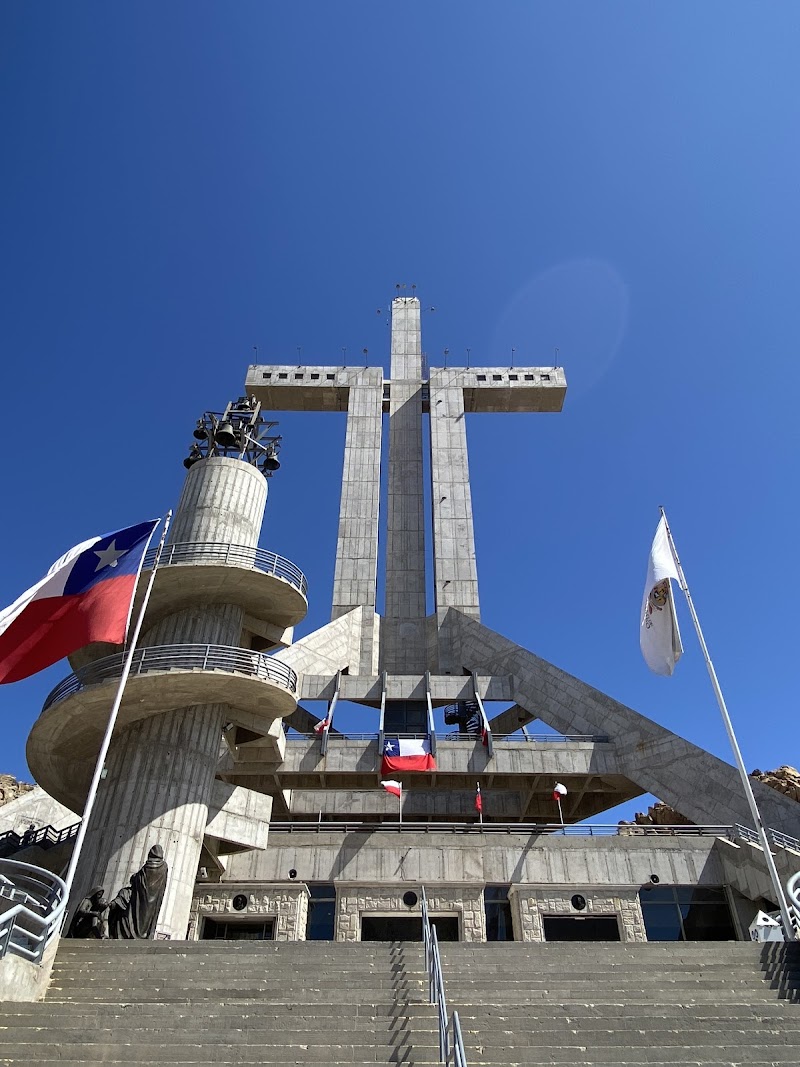
The Coquimbo Monument gives the port its most obvious visual punctuation: a giant cross and spheres set high on Cerro El Cross. The point is not subtlety; it is perspective. For cruise passengers, that makes it useful early in the day, when a hilltop view can help you understand the city, coastline, and scale of the stop before diving into something smaller. The funicular detail adds a bit of texture, too. Prioritize it if you collect city views or want one clear landmark photo rather than a string of minor stops.
Avenue del Mar: 15km oceanfront path with sculptures and hotels. Cycle or walk. Vibrant coastal.
Giant cross and spheres atop Cerro El cross. City views by funicular. Iconic symbol.
Massive hilltop concrete cross with interior museum. Peace vistas. Spiritual site.
Japanese gardens and flamingo aviary. Relaxed oasis. Botanical calm.
Current sailings visiting this port, sorted by the lowest tracked cabin price per night.
Built 2020
Los Angeles · Acapulco · Manta · Lima · Coquimbo · San Antonio
Built 2009
Los Angeles · Cabo · Huatulco · Puerto Quetzal · Manta · Lima · Coquimbo · Santiago
Built 2010
Vancouver · San Francisco · San Diego · Cabo · Huatulco · Puerto Quetzal · Puntarenas · Manta · Salaverry · Lima · General San Martín · Arica · Coquimbo · San Antonio · Puerto Montt · Puerto Chacabuco · Pío XI Glacier · Strait of Magellan · Punta Arenas · Cockburn Channel · Beagle Channel · Ushuaia · Port Stanley · Montevideo · Buenos Aires
Built 2010
San Diego · Cabo · Huatulco · Puerto Quetzal · Puntarenas · Manta · Salaverry · Lima · General San Martín · Arica · Coquimbo · San Antonio · Puerto Montt · Puerto Chacabuco · Pío XI Glacier · Strait of Magellan · Punta Arenas · Cockburn Channel · Beagle Channel · Ushuaia · Port Stanley · Montevideo · Buenos Aires
Built 2000
Fort Lauderdale · Grand Cayman · Panama Canal · Panama City · Manta · Salaverry · Lima · General San Martín · Coquimbo · San Antonio · Robinson Crusoe · Puerto Montt · Puerto Chacabuco · Pío XI Glacier · Strait of Magellan · Punta Arenas · Cockburn Channel · Beagle Channel · Ushuaia · Port Stanley · Puerto Madryn · Punta del Este · Montevideo · Buenos Aires · Santos · Abraão · Rio · Salvador · Recife · Fortaleza · Icoaraci · Devil's Island · Barbados · St. Lucia · St. Kitts · San Juan
Built 2010
Vancouver · San Francisco · San Diego · Cabo · Huatulco · Puerto Quetzal · Puntarenas · Manta · Salaverry · Lima · General San Martín · Arica · Coquimbo · San Antonio
Built 2010
San Diego · Cabo · Huatulco · Puerto Quetzal · Puntarenas · Manta · Salaverry · Lima · General San Martín · Arica · Coquimbo · San Antonio
Built 2003
San Antonio · Coquimbo · General San Martín · Lima · Salaverry · Manta · Panama City · Panama Canal · Grand Cayman · Fort Lauderdale
Built 2000
Fort Lauderdale · Grand Cayman · Panama Canal · Panama City · Manta · Salaverry · Lima · General San Martín · Coquimbo · San Antonio · Robinson Crusoe · Puerto Montt · Puerto Chacabuco · Pío XI Glacier · Strait of Magellan · Punta Arenas · Cockburn Channel · Beagle Channel · Ushuaia · Port Stanley · Puerto Madryn · Punta del Este · Montevideo · Buenos Aires
Built 2010
Buenos Aires · Montevideo · Port Stanley · Ushuaia · Beagle Channel · Punta Arenas · Cockburn Channel · Pío XI Glacier · Puerto Montt · San Antonio · Coquimbo · General San Martín · Lima · Salaverry · Manta · Panama City · Panama Canal · Grand Cayman · Fort Lauderdale
Built 2010
San Antonio · Coquimbo · General San Martín · Lima · Salaverry · Manta · Panama City · Panama Canal · Grand Cayman · Fort Lauderdale
Start here if visibility looks good and you want the port's signature skyline moment.
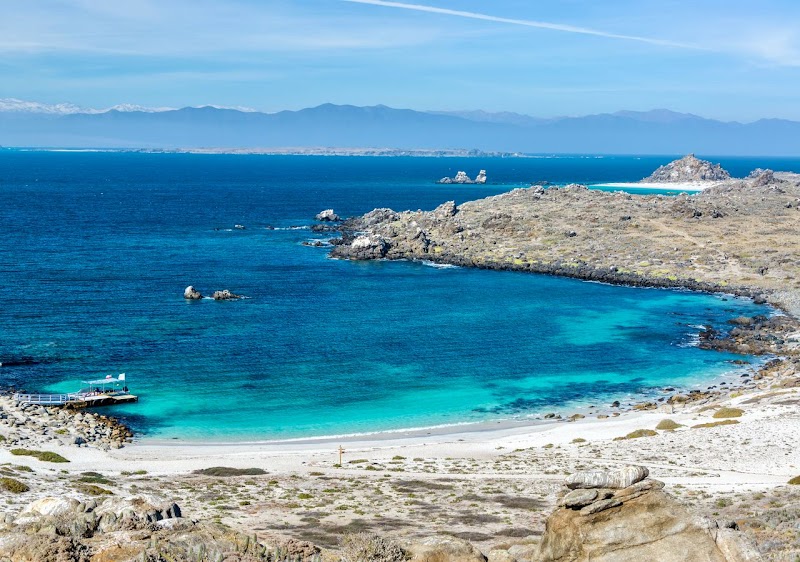
The Marine Coastal Reserve is the stop for travelers who would rather spend the day looking for wildlife than browsing around town. Boat outings focus on seal colonies and Humboldt penguins, with kelp forests adding a colder, wilder texture than a standard beach stop. Some plans include snorkeling, so this is best for passengers who are comfortable building the day around the water. Treat it as your main event, not an add-on. If wildlife is the reason you book South America itineraries, this is the Coquimbo option with the strongest story.
Wildlife watchers, confident water people, and anyone bored by another city loop.
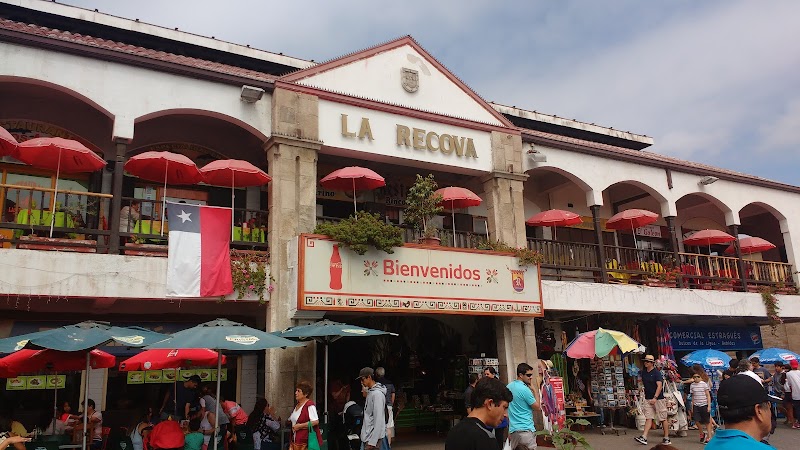
Bodega from La Recova works best as a flavor stop, not a box-ticking monument. The appeal is straightforward: a historic market setting, pisco tastings, and the option to turn lunch into part of the port experience with seafood. That makes it a smart counterweight to the promenade or hilltop cross, especially if you prefer your sightseeing with a table and a glass nearby. It fits travelers who want local texture without committing the whole day to a tour. Just keep expectations grounded: come for tastes, atmosphere, and a reset.
Combine with a lighter sightseeing plan rather than trying to squeeze it after a full wildlife day.
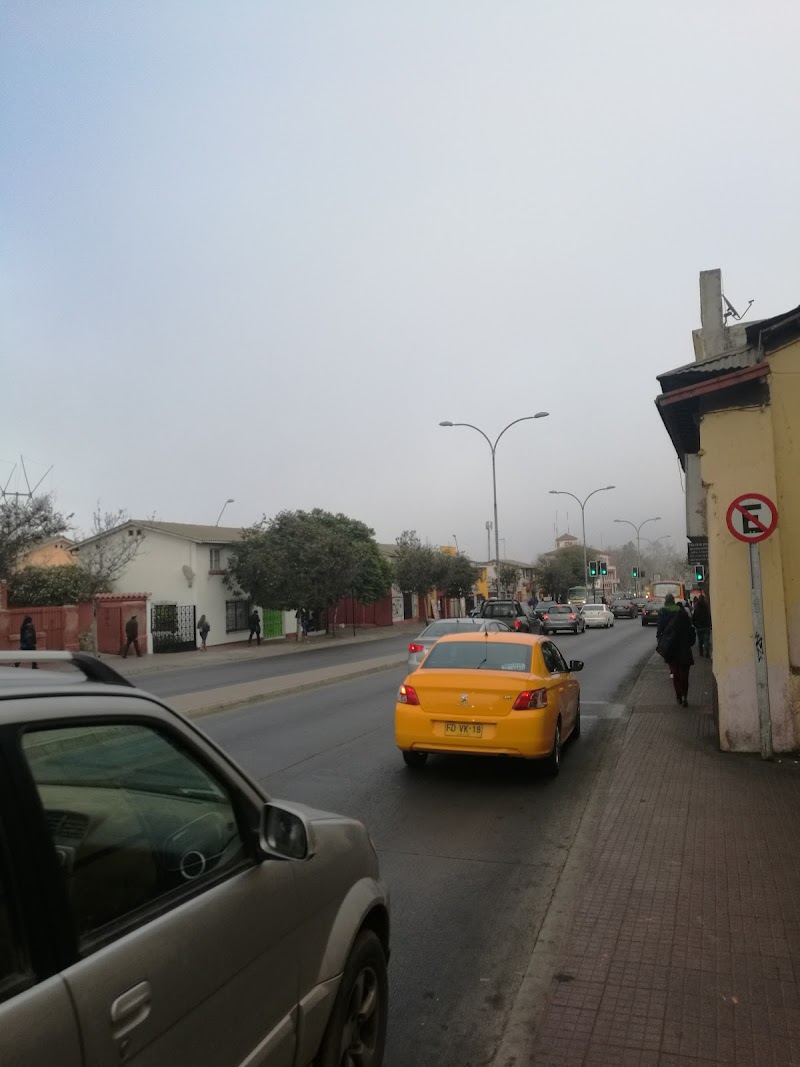
Gabriel Gonzalez Videla Park is the soft-focus option in the Coquimbo mix, with Japanese gardens and a flamingo aviary giving the day a quieter register. It is not the stop to choose if you need drama or a once-in-a-lifetime photo. It is the stop to choose when your itinerary has been full, your group has mixed energy levels, or you want a calm break between bigger moves. Pair it with food or a short coastal walk and it becomes a useful pressure valve rather than a detour.
Low-key travelers, mixed-age groups, and anyone who needs a gentler port day.
Historic market winery for pisco tastings. Seafood lunch. Local flavors.
Boat to seal colonies and Humboldt penguins. Snorkel kelp forests. Wildlife cruise.