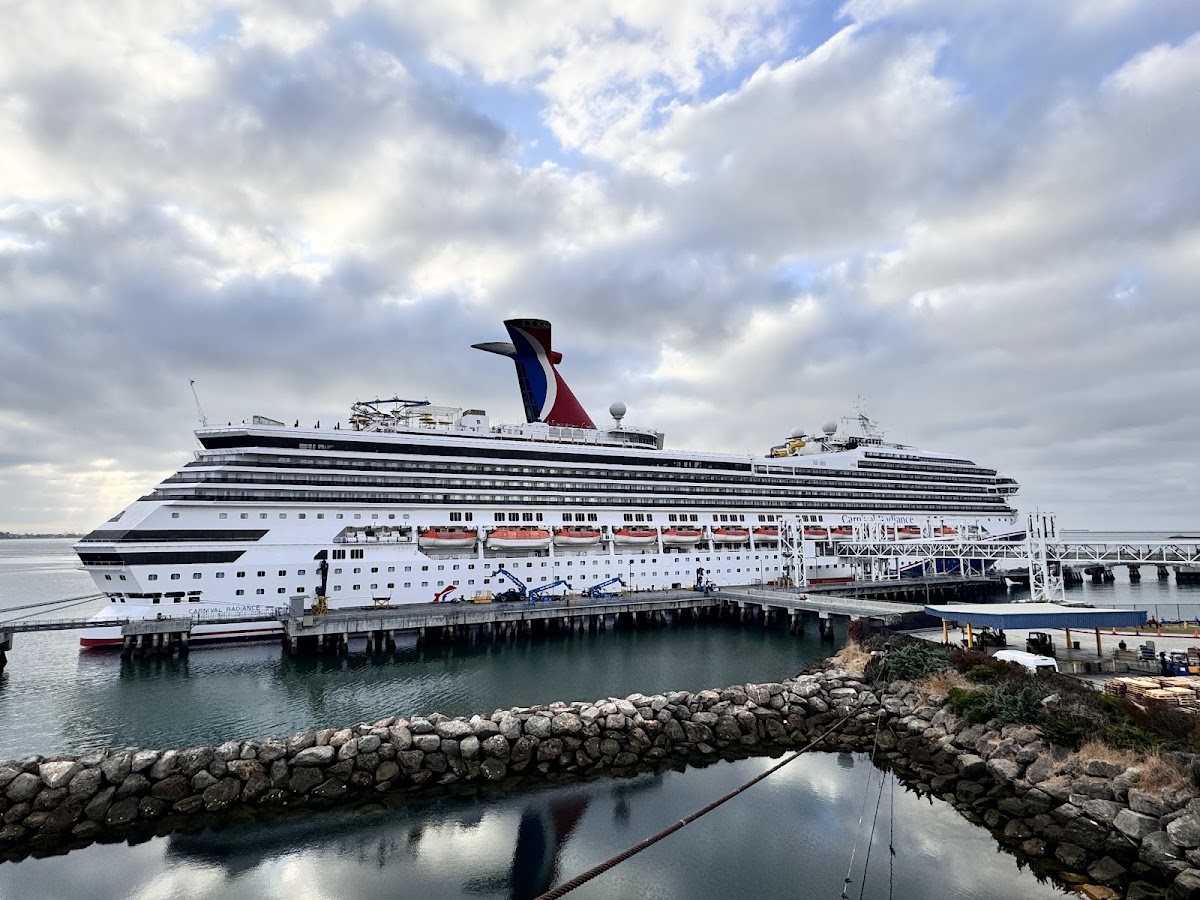
CL
Cruises to Cape Horn
Cape Horn is a high-drama cruise call where one exposed viewpoint, wildlife moment, or hard-earned walk can define the entire itinerary.
Upcoming visits
25
Best fare
$226 per night
Cape Horn is a high-drama cruise call where one exposed viewpoint, wildlife moment, or hard-earned walk can define the entire itinerary.
Find Cape Horn on Google Maps before you plan the port day.
Cape Horn is not a casual wander off the ship and see what happens kind of call. Its pull is bigger and stranger than that: albatross shapes, exposed cliffs, remote markers, and the psychological hit of being at the southern edge of the map. A good day here is not measured by how many stops you stack. It is measured by whether you choose the right kind of encounter, then give it room to feel wild instead of rushed properly.
For cruise passengers, the decision is whether this kind of stop fits your travel brain. If you want shopping streets and easy cafe hopping, Cape Horn will feel sparse. If you want a port that looks like a hard reset from the normal cruise rhythm, it can be the reason to book. Prioritize the monument if you want the icon, Wulaia Bay or the cliff trails if you want to move, and penguin viewing if wildlife is your whole personality for the day.
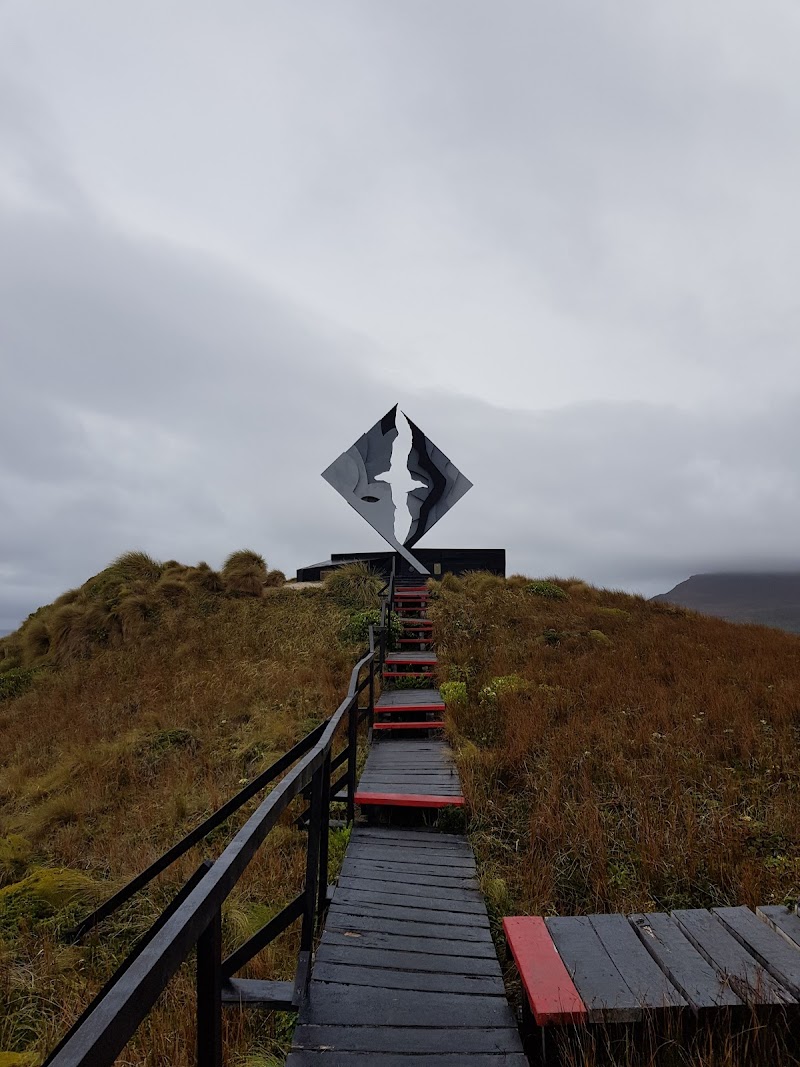
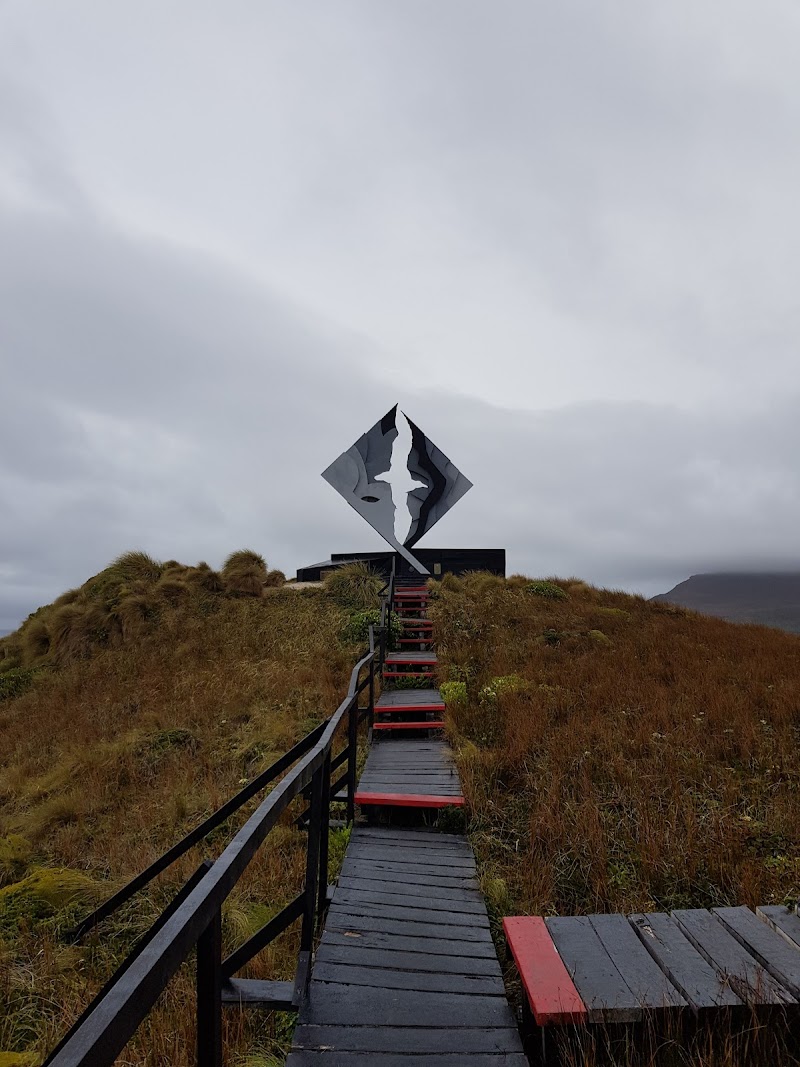
The Cape Horn Monument is the cleanest answer to the question, why are we here? The postcard plaque and albatross sculpture give the stop its visual signature, and for many cruisers that is enough: stand at the famous southern marker, take the wind in the face, and let the geography do the talking. Prioritize this if you want the symbolic Cape Horn moment without needing the most strenuous plan. It is also the best anchor for travelers who like their port days with a clear, photographable payoff.
The classic Cape Horn photo and the strongest sense of arrival.
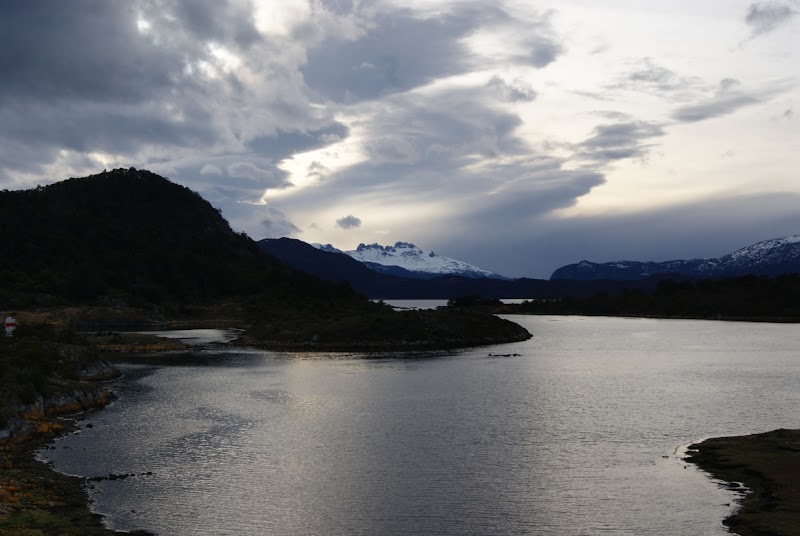
Wulaia Bay is the choice for passengers who want Cape Horn to be more than a viewpoint. The hike folds together native forest, lookout points, and a historic anchorage tied to Darwin's landing, so the payoff is both landscape and context. It suits active travelers who would rather earn the view than simply arrive at it. If your itinerary gives you a shot at this walk, treat it as a main event, not something to squeeze between softer stops.
Observe colony from trails, zodiac close. Rare sight. Antarctic birds.
Postcard plaque at world's southernmost point, albatross sculpture. End of world. Ultimate icon.
Trail to viewpoints, native forest, historic anchorage. Darwin landed. Dramatic walks.
Rugged paths with roaring sea views, windswept. Adventurer's trek. Exposed drama.
Current sailings visiting this port, sorted by the lowest tracked cabin price per night.
Built 2009
Santiago · Strait of Magellan · Punta Arenas · Ushuaia · Cape Horn · Puerto Madryn · Punta del Este · Montevideo · Buenos Aires
Built 2009
Buenos Aires · Montevideo · Port Stanley · Cape Horn · Ushuaia · Strait of Magellan · Punta Arenas · Puerto Madryn · Punta del Este
Built 2009
Buenos Aires · Montevideo · Cape Horn · Ushuaia · Strait of Magellan · Punta Arenas · Puerto Madryn · Punta del Este
Built 2009
Buenos Aires · Montevideo · Port Stanley · Cape Horn · Ushuaia · Strait of Magellan · Punta Arenas · Puerto Madryn · Punta del Este
Built 2009
Buenos Aires · Montevideo · Puerto Madryn · Cape Horn · Ushuaia · Punta Arenas · Strait of Magellan · Santiago
Built 2009
Buenos Aires · Montevideo · Port Stanley · Cape Horn · Ushuaia · Strait of Magellan · Punta Arenas · Puerto Madryn · Punta del Este
Built 2009
Buenos Aires · Montevideo · Port Stanley · Cape Horn · Ushuaia · Strait of Magellan · Punta Arenas · Puerto Madryn · Punta del Este
Built 2009
Buenos Aires · Montevideo · Port Stanley · Cape Horn · Ushuaia · Strait of Magellan · Punta Arenas · Puerto Madryn
Built 2009
Buenos Aires · Montevideo · Port Stanley · Cape Horn · Ushuaia · Strait of Magellan · Punta Arenas · Puerto Madryn · Punta del Este
Built 2009
Buenos Aires · Montevideo · Port Stanley · Cape Horn · Ushuaia · Strait of Magellan · Punta Arenas · Puerto Madryn · Punta del Este
Built 2009
Buenos Aires · Montevideo · Port Stanley · Cape Horn · Ushuaia · Strait of Magellan · Punta Arenas · Puerto Madryn · Punta del Este
Built 2009
Buenos Aires · Ushuaia · Cape Horn · Elephant Island · Port Stanley · Puerto Madryn · Montevideo
Cruisers who want a hike with scenery and historical context.
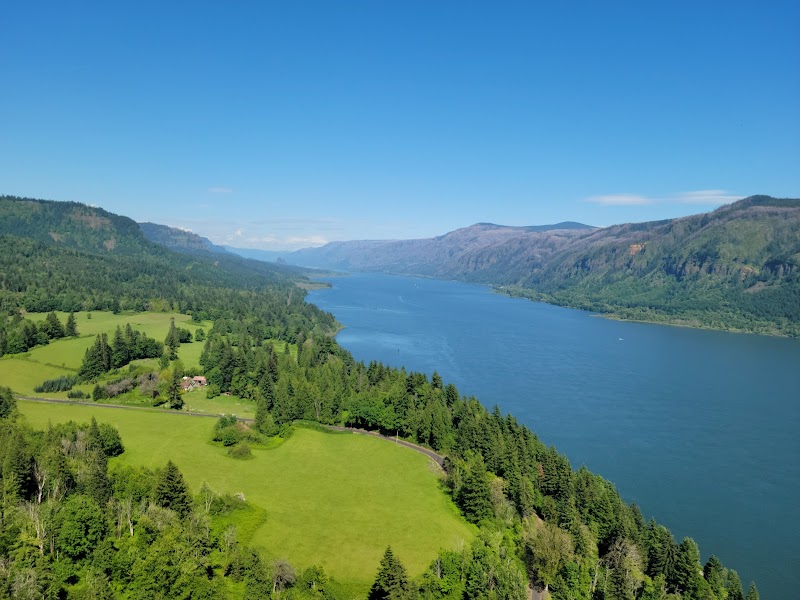
The Coastal Cliff Trails are for the person who reads 'windswept' as a feature, not a warning. These rugged paths trade comfort for roaring sea views and that exposed, end-of-the-continent feeling Cape Horn does so well. They are a smart priority if you want movement, scale, and photographs that actually look different from the rest of your camera roll. Skip the urge to overpack the day; this kind of walk is better when you have time to look up.
Active travelers who want raw coastline over a softer sightseeing loop.
King Penguin Viewing is the wildlife play, and it should sit near the top of the list for anyone who plans port days around animals rather than monuments. The experience is about observing a colony from trails, with zodiac access bringing the birds into closer focus when offered. It is rare, specific, and far more memorable than a generic nature stop. Build your day around it if Antarctic birdlife is the image you want to carry home.
Wildlife-first travelers and photographers who would trade a monument stop for birds.

The Yahgan People Museum adds human history to a place that can otherwise feel dominated by weather, cliffs, and ship lore. Outdoor canoe replicas and Indigenous history give the landscape a different frame: people survived here, traveled these waters, and left more than a backdrop for modern adventurers. This is a good priority for travelers who need cultural texture with their scenery. Pair it with a viewpoint or lighthouse stop if you want the day to feel less one-note.
Travelers who want local history alongside the big landscape moments.
Navegano Lighthouse is not just a beacon photo; it is a reminder that Cape Horn is a working edge, not a theme. The automated light station and weather exhibits make the remoteness feel practical, almost procedural, which is its own kind of drama. Choose this if you like maritime infrastructure, hard places, and stops that explain how people operate where the map gets thin. It is especially strong as a quieter counterpoint to the monument.
Maritime-history people and anyone drawn to remote outposts.
Outdoor indigenous canoe replicas, history. Native survivors. Cultural echo.
Automated light station, weather exhibits. Remote duty. Beacon outpost.
Brief dip in kelp beds, cold water critters. Unique ecosystem. Chilly thrill.