
CL
Cruises to Arica
Arica is a sharp-edged port day: ocean views from a cliff, ironwork architecture, and ancient desert culture without overpacking the stop.
Upcoming visits
4
Best fare
$370 per night
Arica is a sharp-edged port day: ocean views from a cliff, ironwork architecture, and ancient desert culture without overpacking the stop.
Find Arica on Google Maps before you plan the port day.
Arica is not a port that needs a huge checklist to feel worthwhile. Its strongest sights are visually direct: the big cliff above town, a seafront iron cathedral, dry valleys marked by older cultures, and a coast that can flip from urban edge to raw rock formations. For cruise passengers, that means the day can stay focused instead of turning into a marathon. Pick one headliner, add one cultural stop, and leave room for the kind of slow look around that makes a less-hyped South America port stick.
The best Arica plan depends on your appetite for heat, history, and scenery. If you want the clearest sense of place fast, start with Morro de Arica and San Marcos Cathedral. If you would rather trade city wandering for older stories, aim for the Valley of Azapa or the Chinchorro Culture Center. Beach people can keep the day looser, but Arica is more interesting when you pair the water with at least one landmark. This is a port for travelers who like texture over polish.

Morro de Arica is the sight that gives the port its shape. The lion-like cliff rises above the city with a cross at the summit, and the payoff is exactly what a cruise stop needs: a quick shift from street level to wide ocean and city views. Active travelers can treat the summit as a short hike, while anyone conserving energy can look for the easier cable car option. Prioritize it early if the weather looks clear, because it frames the rest of the day and makes Arica feel more dramatic than a simple seaside stop.
Start at the Morro if you want the strongest photo angle and a fast read on the city.

San Marcos Cathedral is a small but memorable counterpoint to the cliff. Its iron structure, linked to Eiffel design, gives it a different kind of presence from the stone churches many cruise passengers see elsewhere in South America. The seafront setting keeps it easy to fold into a city walk, and the colorful interior makes the stop feel worth more than a quick exterior photo. This is ideal for travelers who like architecture but do not want to spend the whole call inside museums. Pair it with Morro de Arica for a compact, high-impact route.
Lion-shaped cliff with cross summit hike or cable car, city/ocean views. Lighthouse history. Dramatic landmark.
Iron Eiffel-designed church with seafront location, colorful interior. Quick architectural stop. Unique engineering.
Iconic sea arch rock formation, birdwatching beach. Short drive north. Coastal wonder.
Archaeological petroglyphs, mummy museum. Ancient cultures tour. Pre-Inca secrets.
Current sailings visiting this port, sorted by the lowest tracked cabin price per night.
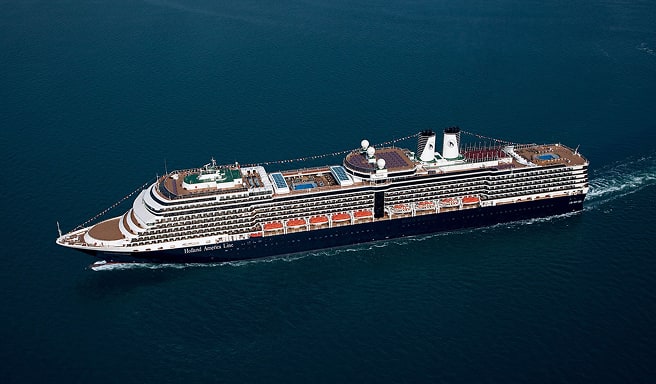
Built 2010
Vancouver · San Francisco · San Diego · Cabo · Huatulco · Puerto Quetzal · Puntarenas · Manta · Salaverry · Lima · General San Martín · Arica · Coquimbo · San Antonio · Puerto Montt · Puerto Chacabuco · Pío XI Glacier · Strait of Magellan · Punta Arenas · Cockburn Channel · Beagle Channel · Ushuaia · Port Stanley · Montevideo · Buenos Aires
Built 2010
San Diego · Cabo · Huatulco · Puerto Quetzal · Puntarenas · Manta · Salaverry · Lima · General San Martín · Arica · Coquimbo · San Antonio · Puerto Montt · Puerto Chacabuco · Pío XI Glacier · Strait of Magellan · Punta Arenas · Cockburn Channel · Beagle Channel · Ushuaia · Port Stanley · Montevideo · Buenos Aires
Built 2010
Vancouver · San Francisco · San Diego · Cabo · Huatulco · Puerto Quetzal · Puntarenas · Manta · Salaverry · Lima · General San Martín · Arica · Coquimbo · San Antonio
Built 2010
San Diego · Cabo · Huatulco · Puerto Quetzal · Puntarenas · Manta · Salaverry · Lima · General San Martín · Arica · Coquimbo · San Antonio
This is the architectural stop to choose if you want something distinctive without committing half the day.

The Valley of Azapa is the right move if you want Arica to feel less like a coastal pause and more like an entry point into the desert interior. The draw is archaeological: petroglyphs, ancient cultures, and a mummy museum that pushes the day beyond surface-level sightseeing. It fits curious travelers, history people, and anyone who would rather spend the stop learning than shopping or beach-hopping. Because it takes you away from the immediate waterfront, treat it as a main plan rather than an add-on after a long city route.
If you commit to the valley, keep the rest of the day simple so the port stop does not get rushed.

The Chinchorro Culture Center is for travelers who want the port's most specific cultural thread. Its displays and replicas focus on the Chinchorro mummies, often described as the world's oldest, which gives Arica a story you are unlikely to duplicate at the next stop. This is not the breeziest option, and that is the point. It works best for museum-minded cruisers, archaeology fans, or repeat South America travelers looking for something beyond plazas and viewpoints. Pair it with one outdoor sight to keep the day from feeling too enclosed.
This is the stop to prioritize if the ancient history matters more to you than beach time.

La Portada Natural Monument adds a wilder coastal angle to an Arica day. The sea arch is the point, but the setting also brings birdwatching and a beach landscape that feels more elemental than the city waterfront. Since it requires a drive north, it is best for passengers who are comfortable building the day around one scenic excursion rather than squeezing it between multiple town stops. Photographers and geology-curious travelers will get the most out of it. If your itinerary already has plenty of city days, this is the more cinematic choice.
Pick this when you want rock, surf, and open coast more than a tightly packed city walk.

El Agro Beach is the softer version of an Arica stop: sand, surf, and ceviche spots instead of museums and viewpoints. It suits travelers who want a reset day, especially on longer itineraries where every port can start to feel like a mission. The appeal is its more local, less staged energy, so do not expect a polished resort-style setup. It works best after you have already seen one landmark, or as the whole plan if your priority is to get off the ship, eat well, and stare at the water for a while.
Choose the beach when you need recovery time, not when you are trying to understand all of Arica.
World's oldest mummies displays, replicas. Cultural deep dive. Hidden ancient site.
Secluded sands, surf, ceviche spots. Relaxed local beach day. Undiscovered shore.
Nitrate era trains, desert rail history. Nostalgic exhibits. Industrial heritage.