AU
Cruises to Willis Island
Willis Island is less a classic port day than a rare, compact brush with science, seabirds, coral sand, and open-ocean isolation.
Upcoming visits
16
Best fare
$214 per night
Willis Island is less a classic port day than a rare, compact brush with science, seabirds, coral sand, and open-ocean isolation.
Find Willis Island on Google Maps before you plan the port day.
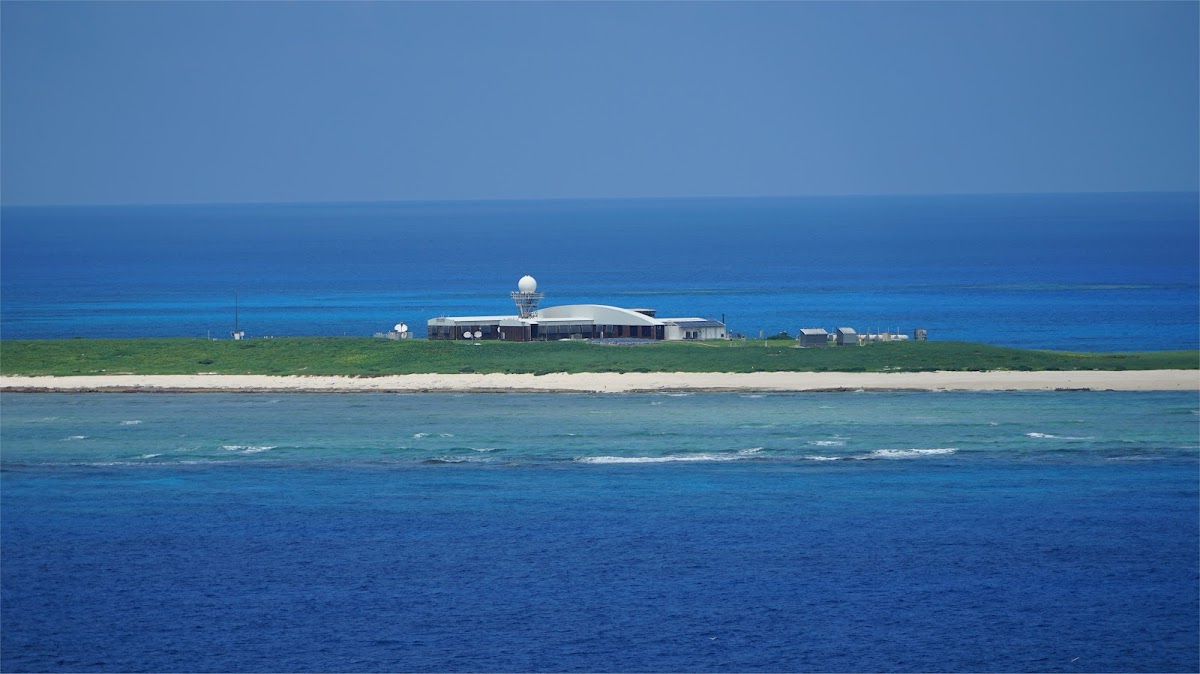
Willis Island is not trying to be a full-service port, and that is exactly the point. This small Australian coral cay rewards travelers who like their cruise stops a little strange, a little wild, and very specific. The appeal is not shopping streets or a packed sightseeing circuit; it is stepping onto bright sand, looking across a turquoise lagoon, and realizing the main landmark is a working weather station that helps read the sky. Treat it as a focused nature-and-science call rather than a choose-your-own-city day.
Because the island is compact, the best plan is to prioritize access over ambition. If there is a guided peek at the meteorological base, take it. If wildlife is active, give the shoreline time. If the water is open for a snorkel, do not overthink it. This is the kind of stop where small moments matter: a weather balloon rising, frigatebirds hanging in the wind, turtle tracks in the sand, shells along the beach. Bring patience, sun protection, and a willingness to let the island set the pace.
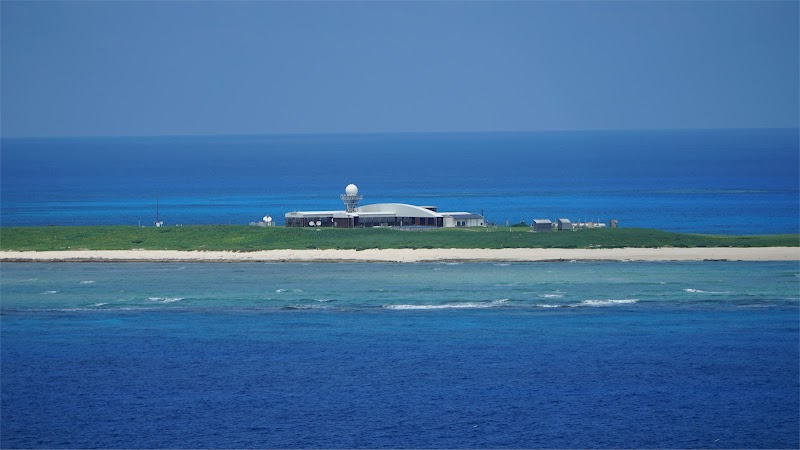
The Meteorological Station Tour is the most distinctive thing about Willis Island, because it turns a tiny coral cay into a working science stop. The Bureau of Meteorology base dates to 1921, and a short guided look can include radars, anemometers, and chats with staff about how weather data is gathered. For cruise passengers, this is the rare port activity that is both quick and genuinely specific to place. Prioritize it if you like behind-the-scenes infrastructure, oddball facts, or anything that makes the ocean feel less abstract.
If station access is available during your call, it is the experience that makes Willis Island feel unlike anywhere else.
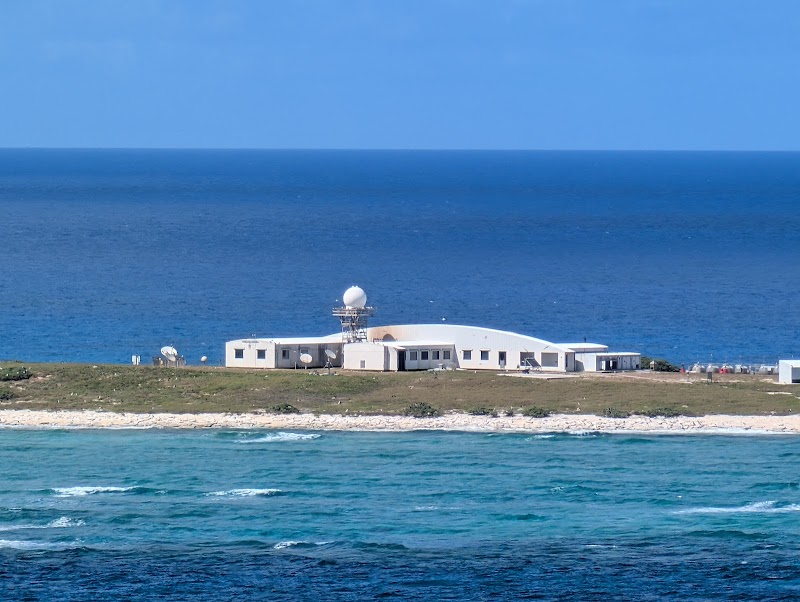
The Willis Island Beach Walk is the low-effort visual payoff: white sand, a turquoise lagoon, and the quiet scale of an uninhabited coral cay. This is not a beach day with a bar tab and a rented chair; it is more elemental than that. Use the shoreline stroll to reset after sea days, look for shells, and take in how exposed and remote the island feels. It fits travelers who want an easy landing and strong photos without turning the stop into a checklist.
Bureau of Meteorology base established 1921 with radars, anemometers, and staff chats. Learn weather forecasting 30-min guided peek. Unique scientific outpost.
Uninhabited coral cay with white sands and turquoise lagoon. Stroll shoreline spotting shells during tender landing. Remote paradise stop.
Watch magnificent frigatebirds soaring and nesting on cay edges. Binoculars recommended. Avian spectacle.
Observe protected turtles nesting or hatching seasonally on beach. Guided to minimize impact. Rare wildlife encounter.
Current sailings visiting this port, sorted by the lowest tracked cabin price per night.
Built 2002
Brisbane · Willis Island · Cairns · Airlie Beach
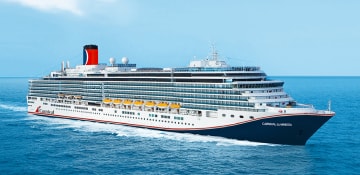
Built 2009
Brisbane · Airlie Beach · Cairns · Willis Island
Built 2009
Brisbane · Airlie Beach · Cairns · Willis Island
Built 2002
Brisbane · Willis Island · Cairns · Airlie Beach
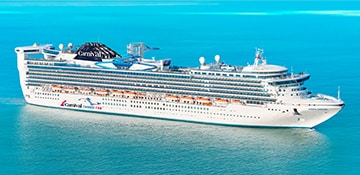
Built 2001
Sydney · Airlie Beach · Cairns · Willis Island
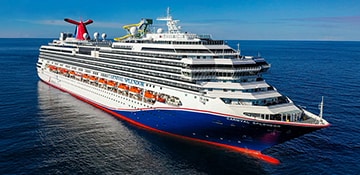
Built 2008
Sydney · Tangalooma · Airlie Beach · Cairns · Willis Island
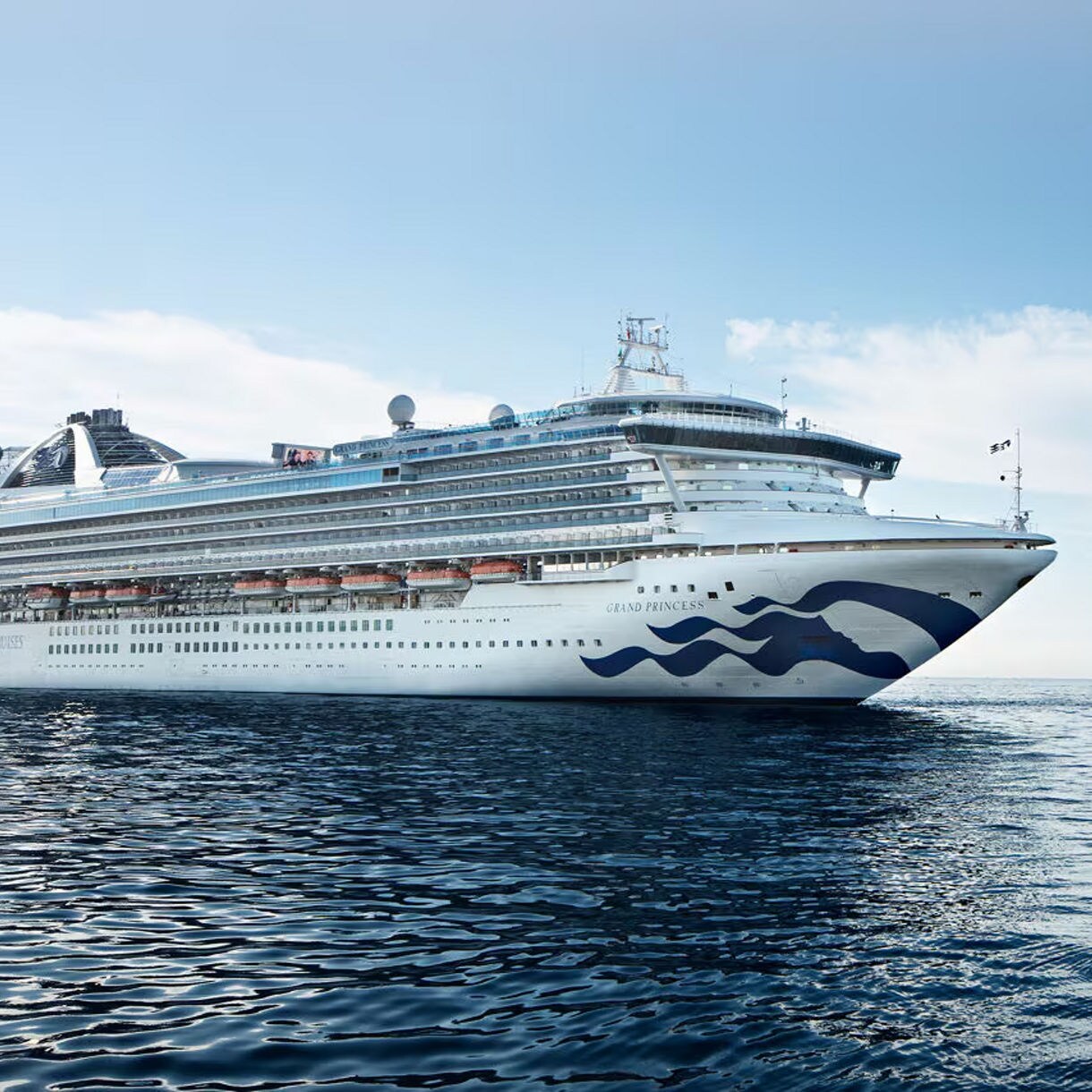
Built 1998
Brisbane · Townsville · Cairns · Willis Island · Airlie Beach
Built 2002
Brisbane · Airlie Beach · Cairns · Willis Island
Built 2009
Brisbane · Airlie Beach · Cairns · Willis Island
Built 1998
Brisbane · Airlie Beach · Townsville · Port Douglas · Cairns · Willis Island · Newcastle · Sydney
Built 2002
Brisbane · Willis Island · Cairns · Airlie Beach
Built 1998
Brisbane · Airlie Beach · Townsville · Port Douglas · Cairns · Willis Island
The shoreline is the simplest way to feel the remoteness of the island without needing a big excursion plan.
The Frigatebird Rookery gives Willis Island its most cinematic wildlife moment. Magnificent frigatebirds can be seen soaring and nesting along the cay edges, and the drama is in the movement: long wings, sharp silhouettes, and birds using the wind with almost no effort. Bring binoculars if you have them, because this is the kind of sight that rewards slowing down. It is best for birders, photographers, and anyone who would rather watch a real natural behavior than chase a manufactured port attraction.
Binoculars are worth the space here, especially if birdlife is high on your list.
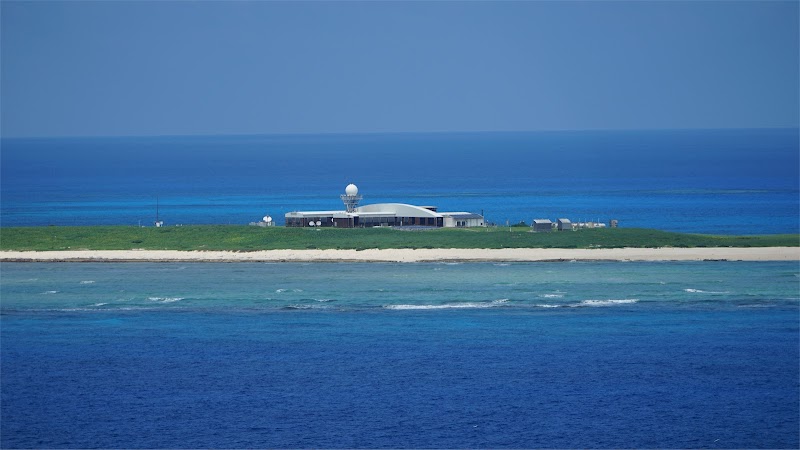
Green Sea Turtle Nesting is the kind of experience that sounds simple and is actually delicate. Turtles may be nesting or hatching seasonally on the beach, and any viewing should be guided and low-impact. That makes it a better fit for patient wildlife travelers than for anyone expecting guaranteed action on a schedule. If the opportunity appears, give it priority over another lap of the beach. Just keep the mindset respectful: the win is observing a protected natural cycle without getting in its way.
Seasonal turtle activity is a bonus, not an attraction to force. Follow guidance and keep distance.
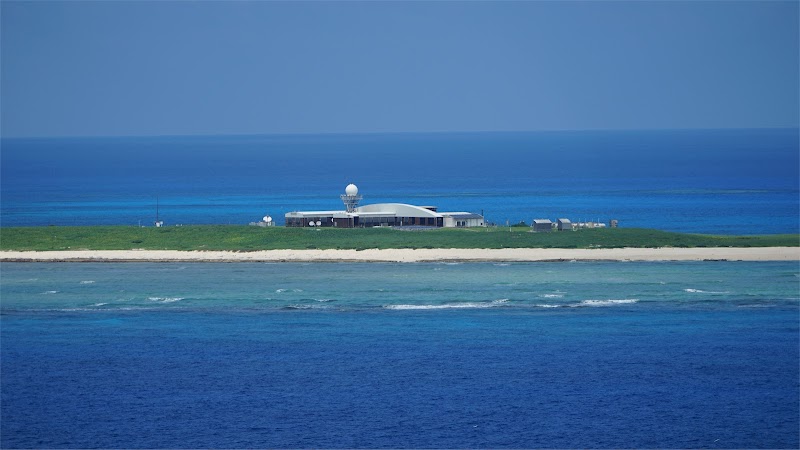
The Weather Balloon Launch Viewing is small, nerdy, and surprisingly memorable. Watching a balloon inflate and lift off from such a remote outpost makes the island's purpose click: data gathered here feeds a much wider forecasting picture. It is not a long activity, which is exactly why cruise passengers should keep an eye on the schedule if viewing is possible. Pair it with the meteorological station rather than treating it as a separate mission. This is for travelers who enjoy operational details as much as scenery.
A launch is brief, so it works best as part of a station-focused plan.
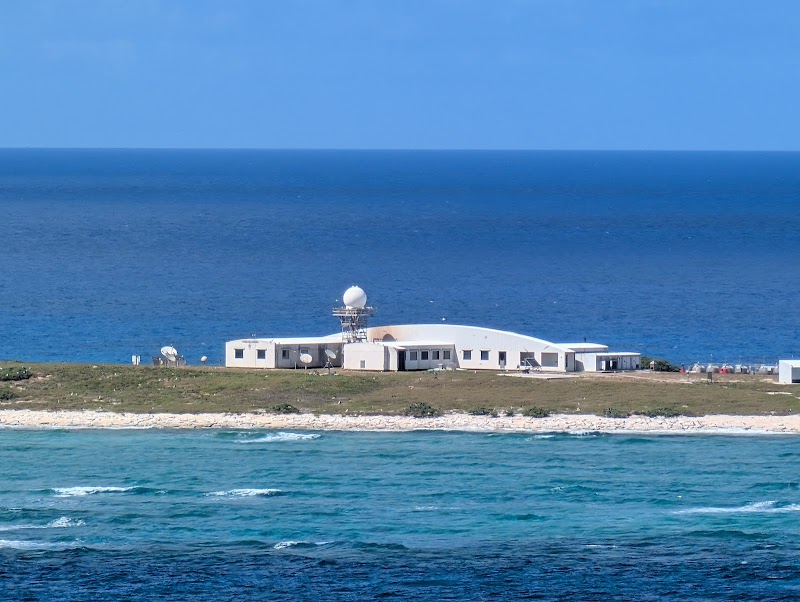
Snorkeling the Coral Lagoon adds an underwater layer to a stop that can otherwise feel mostly about sand and sky. The draw is shallow reef habitat with tropical fish, with gear typically handled through the ship for a compact dip. Think of it as a focused swim rather than an all-day reef expedition. It suits confident water lovers who want variety without overcommitting the whole call. If conditions and access make it possible, it pairs neatly with a beach walk and still leaves space for the station or wildlife.
Keep the snorkel short and intentional so it does not crowd out the island's rarer science and wildlife moments.
Daily launches tracked for global data; observe inflation and release. Geeky science moment. Operational highlight.
Shallow reefs teeming with tropical fish around the island. Gear from ship for 45-min dip. Underwater wonder off tender.