
CN
Cruises to Shanghai
Shanghai is a high-contrast port where the best day pairs one skyline hit with one older, slower corner of the city.
Upcoming visits
44
Best fare
$165 per night
Shanghai is a high-contrast port where the best day pairs one skyline hit with one older, slower corner of the city.
Find Shanghai on Google Maps before you plan the port day.
Shanghai can feel too big for a port day, which is exactly why it works best with a tight plan. The city gives you the visual punch quickly: the Bund's waterfront drama, Pudong's sci-fi towers, Nanjing Road's neon crowd flow. Then it lets you pivot into older textures at Yu Garden, a temple surrounded by high-rises, or art lanes with cafe stops. The mistake is trying to cover every famous name. Pick a neighborhood cluster, keep one big-view moment, and leave room for the kind of street-level wandering that makes Shanghai feel less like a checklist and more like a city.
For cruise passengers, Shanghai is worth booking when you want a port that feels genuinely urban rather than resort-shaped. Some highlights can sit close enough together for a compact day, while the canal-town option requires a more deliberate half-day commitment. Evening light changes the mood at the Bund and on Nanjing Road, but even a daytime call has enough architecture, shopping, gardens, and museums to fill the stop. Think of Shanghai less as a place to conquer and more as a set of sharp contrasts: old and new, quiet and crowded, polished and weird.

The Bund is the Shanghai move that makes sense even on a tight call. The waterfront promenade gives you the city's famous split personality: older colonial-era buildings on one side, glassy skyscrapers across the river on the other. If your ship docks at a pier where it is walkable, this is an easy early anchor; if not, it is still the obvious first priority. Go for the contrast, the skyline, and the sense of scale. If your time stretches into evening, the lights make the whole scene feel sharper.
First-timers, photographers, and anyone who wants Shanghai's skyline without overplanning.

Oriental Pearl Tower is Shanghai at its most recognizable: futuristic, slightly surreal, and built for the camera roll. The observation areas give you a 360-degree look over the city, while the glass-floor experience adds just enough nerves to make it more than a passive viewpoint. This is the right pick if you want a single, iconic tower moment and do not mind spending part of your port day indoors and above street level. Pair it with a waterfront walk rather than trying to stack every major skyscraper in the same stop.
Futuristic TV tower with observation decks and glass floor. 360° city views. Iconic skyline.
Iconic waterfront promenade contrasting colonial buildings with skyscrapers. Evening lights spectacular. Walkable from some piers.
Classical Chinese garden with pavilions, rockeries, and teahouse. Stroll amid 400-year history. Nearby bazaar.
Pedestrian shopping street with neon and brands. People-watch and snacks. Bustling energy.
Current sailings visiting this port, sorted by the lowest tracked cabin price per night.
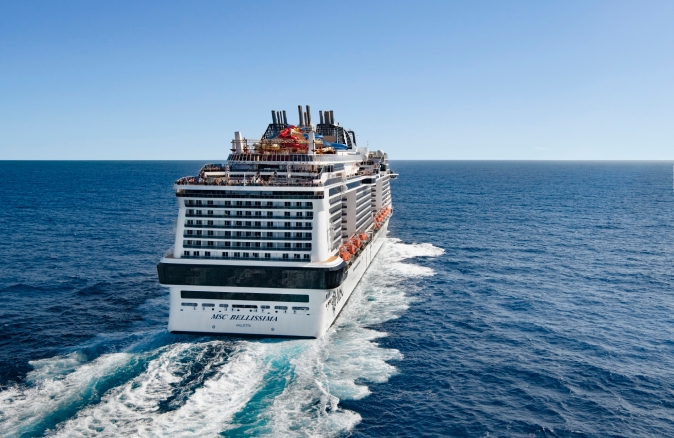
Built 2019
Keelung · Miyakojima · Tokyo · Shanghai
Built 2019
Tokyo · Shanghai
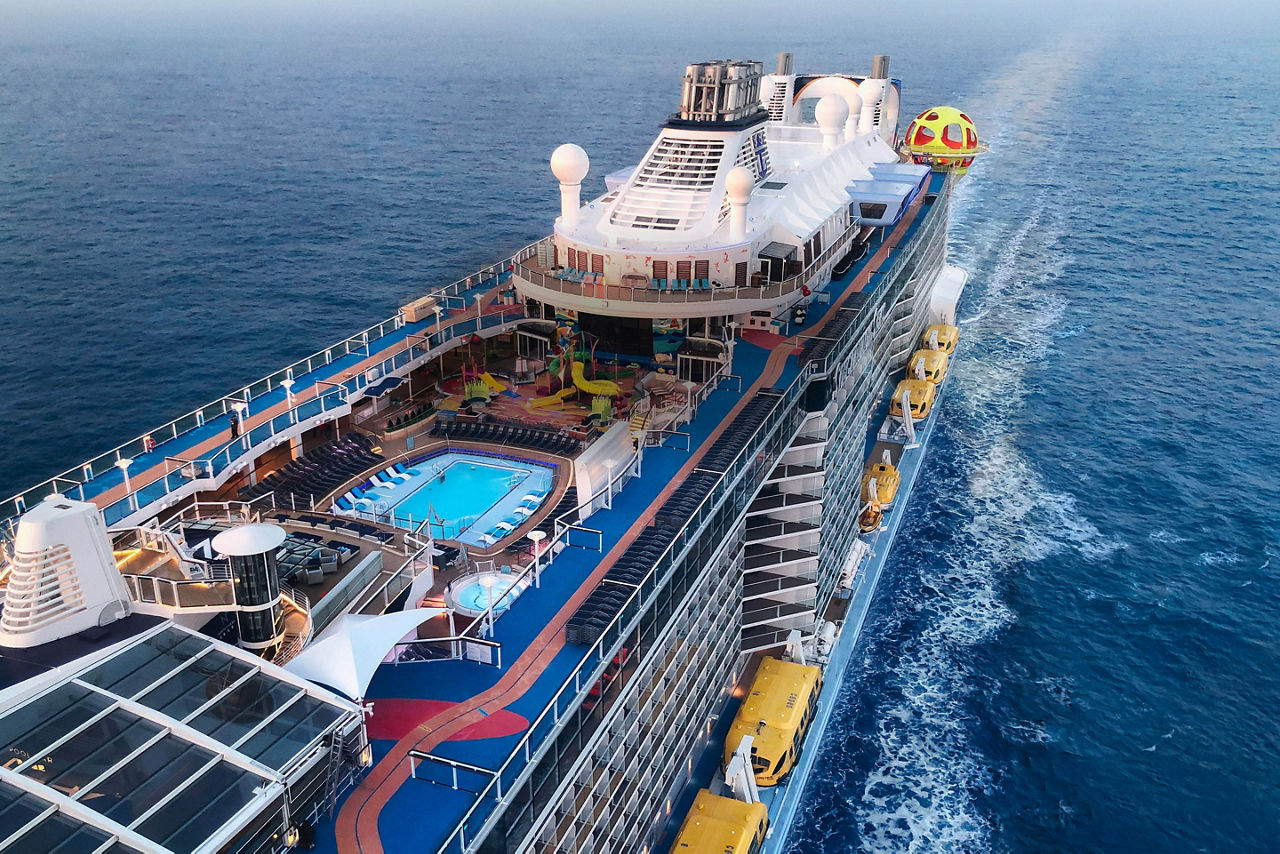
Built 2019
Shanghai · Nagasaki · Kagoshima
Built 2019
Shanghai · Gangjeong · Busan
Built 2019
Shanghai · Busan · Fukuoka
Built 2019
Shanghai · Fukuoka · Jeju
Built 2019
Shanghai · Gangjeong · Busan
Built 2019
Shanghai · Gangjeong · Busan · Sasebo
Built 2019
Shanghai · Gangjeong · Busan · Sasebo
Built 2019
Shanghai · Gangjeong · Busan · Naha
Built 2019
Shanghai · Naha
Built 2019
Shanghai · Busan
You want the most instantly recognizable Shanghai skyline experience.

Yu Garden changes the day from vertical to intimate. Instead of towers and traffic, you get pavilions, rockeries, a teahouse, and the layered detail of a classical Chinese garden with centuries of history behind it. It is especially useful for cruise passengers who want culture without committing to a long transfer. The nearby bazaar adds energy after the quieter garden paths, so the stop works as both a historical breather and a browsing break. If your Shanghai plan feels too dominated by glass and steel, put this near the top.
Travelers who want older Shanghai textures without leaving the city core.

Nanjing Road is not a quiet cultural deep dive, and that is the point. This pedestrian shopping street is about motion: brands, lights, snack stops, and a steady stream of people to watch. For cruise passengers, it works best as a flexible add-on rather than the whole reason to leave the ship. Drop in when you want a hit of modern Shanghai and an easy wander between more structured sights. It suits shoppers, snackers, and anyone who likes cities when they are loud, bright, and unapologetically commercial.
This is a high-energy wander, not a slow museum-style stop.

Shanghai Tower is the bolder observation-deck choice: China's tallest building, with a ride to the 118th floor that is part of the experience. It fits travelers who love engineering, heights, and the feeling of seeing a city as a full urban grid. The key is deciding whether you want this or Oriental Pearl Tower, because doing both can turn a port stop into a queue-and-elevator day. If modern architecture is your thing, Shanghai Tower feels less like a postcard and more like a statement.
Architecture fans and height-chasers who want a more modern tower experience.

Zhujiajiao Water Town is the Shanghai choice for travelers who want out of the metropolis for a few hours. About an hour away, the ancient canal town trades skyscrapers for bridges, boats, and a slower rhythm along the water. It can be a memorable contrast to the city, but it is not the casual extra you tack on after three other stops. Treat it as a half-day plan, especially if you like historic streets and canal views more than observation decks. On a short call, stay in Shanghai instead.
This is a commitment, not a quick detour.

Shanghai's smaller stops are where you tune the day to your taste. Tianzifang is the creative wander, with artsy lanes, galleries, cafes, and a French Concession setting that feels more lived-in than landmark-driven. Jing'an Temple offers a calmer Buddhist space set against the city's high-rise backdrop, while the Propaganda Museum is a niche indoor pick built around Mao-era posters. Each can make a smart final layer, but do not try to hit them all. Choose one based on your mood: design, calm, or historical edge.
Repeat visitors or travelers who prefer texture over another skyline view.
Tallest building in China—world's fastest elevator to 118th floor. Thrilling vistas. Modern marvel.
Ancient canal town 1hr away—boat rides, bridges. Half-day escape. Venice of China.
Artsy lanes in French Concession with galleries, cafes. Hipster vibe. Creative wander.
Buddhist temple amid skyscrapers. Incense and calm. Urban oasis.