NZ
Cruises to Wellington
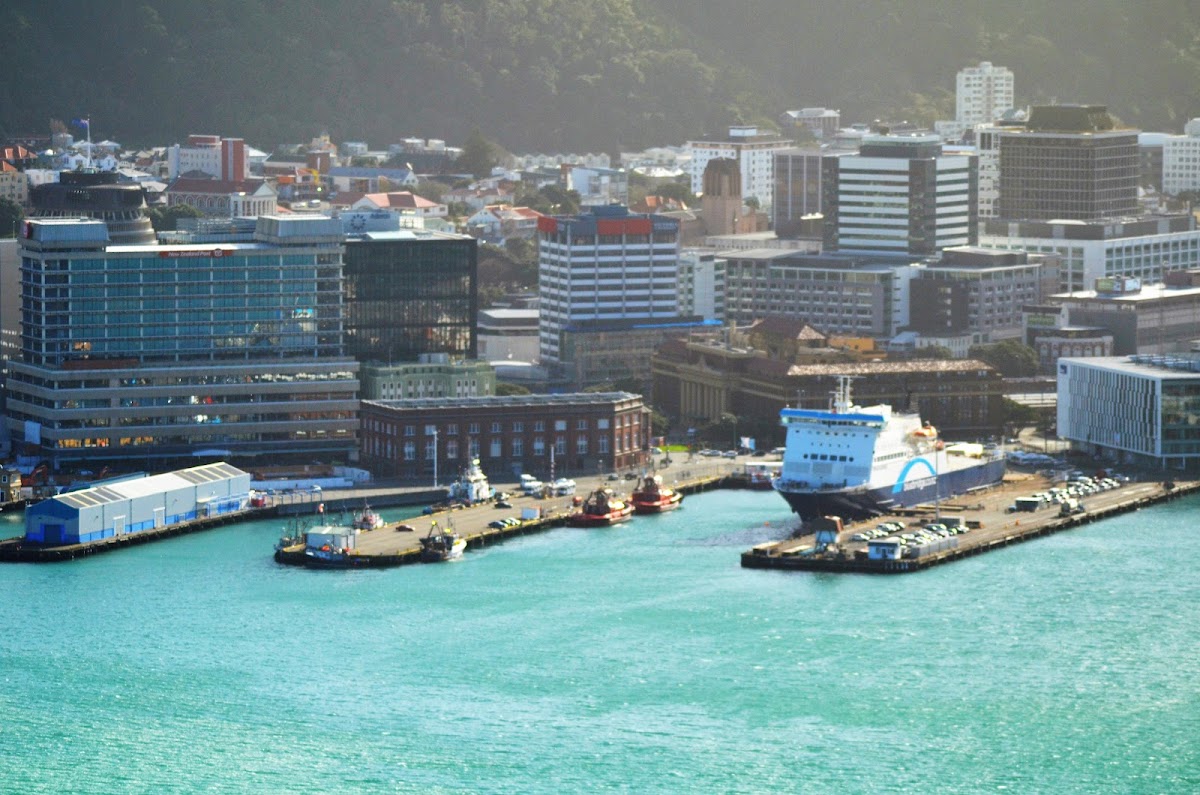
Wellington rewards a focused cruise day: waterfront culture, hilltop views, offbeat food streets, and nature close enough to keep the plan sane.
Upcoming visits
36
Best fare
$222 per night
Wellington rewards a focused cruise day: waterfront culture, hilltop views, offbeat food streets, and nature close enough to keep the plan sane.
Find Wellington on Google Maps before you plan the port day.
Wellington is one of those port calls where the best day is not necessarily the biggest one. The city gives cruise passengers a tidy set of choices: start on the waterfront with New Zealand's national museum, ride the red cable car toward the Botanic Gardens, snack and browse your way through Cuba Street, or commit to a more niche mission like Zealandia or Weta Workshop Cave. The trap is trying to stitch every icon together. Wellington is more satisfying when you pick a theme and leave space for the city to feel lived-in.
For a short call, the easiest win is a central loop: Te Papa, the cable car, the Botanic Gardens, and Cuba Street can make a full-feeling day without turning into a logistics contest. Travelers who care more about native wildlife, film craft, or astronomy should swap in one specialty stop and build around it. Wellington's appeal is not a single postcard view; it is the mix of smart museums, hill climbs, creative streets, and pockets of green that make the city feel sharper than its size.
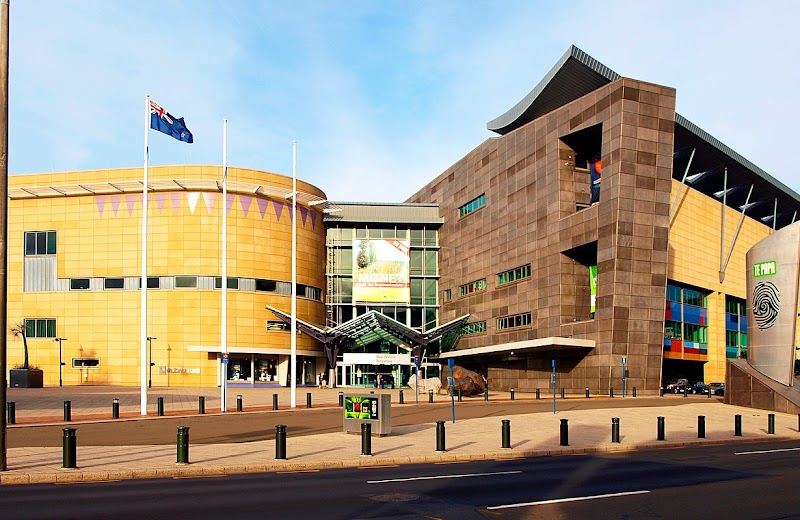
Te Papa is the most efficient first move in Wellington because it gives you substance without a complicated transfer. Set on the waterfront, New Zealand's national museum covers Maori culture, earthquakes, and the country's larger story through interactive exhibits that do not feel like a dusty obligation. It is also free to enter, which makes it an easy port-day hedge if weather or timing gets awkward. Give it two to three hours if you actually want to absorb it, not just prove you went. For first-timers, culture-minded travelers, or anyone avoiding a rushed coach tour, this is the safest bet.
Start here if you want a high-value Wellington day with minimal planning friction.
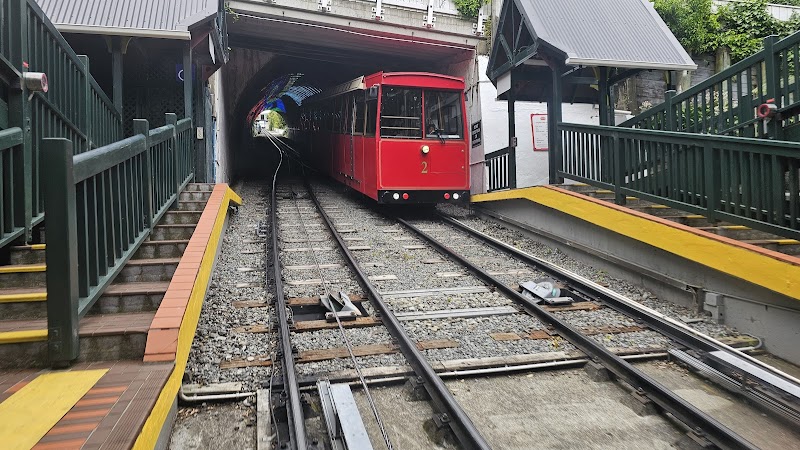
The Wellington Cable Car is short, photogenic, and genuinely useful, not just a cute red-car detour. The heritage funicular climbs toward Kelburn, giving you a quick city-view hit and an easy link into the Botanic Gardens. It works best as part of a route rather than a standalone achievement: ride up, take in the outlook, then walk into the gardens or connect your way back toward the waterfront. This is ideal for travelers who want the classic Wellington visual without spending the whole day chasing viewpoints. Buy a roundtrip only if you are sure you want to return the same way.
New Zealand's 'Museum of New Zealand'—interactive Maori culture, earthquakes. Waterfront free entry, 2-3 hrs. Cable car link.
Eclectic street art, cafes, buskers—boho vibe. Street food variety, shopping quirky. Bucket Fountain.
Lady Norwood Rose Garden, cable car lookout—picnic bliss. Easy paths, duck pond. Tree top walk.
Heritage funicular to Botanic Gardens—city views ascent. Roundtrip ticket, red cars cute. Kelburn terminus.
Current sailings visiting this port, sorted by the lowest tracked cabin price per night.
Built 2018
Sydney · Dunedin · Christchurch · Wellington · Tauranga · Bay of Islands · Auckland
Built 2018
Auckland · Bay of Islands · Tauranga · Napier · Wellington · Christchurch · Dunedin · Sydney
Built 2018
Sydney · Dunedin · Wellington · Picton · Bay of Islands · Tauranga · Auckland
Built 2008
Sydney · Wellington · Christchurch · Dunedin · Fiordland National Park
Built 2008
Sydney · Wellington · Christchurch · Dunedin · Fiordland National Park
Built 2018
Auckland · Bay of Islands · Tauranga · Picton · Christchurch · Wellington · Dunedin · Sydney
Built 2008
Sydney · Dunedin · Christchurch · Wellington · Picton · Tauranga · Auckland · Bay of Islands
Built 2008
Sydney · Dunedin · Christchurch · Wellington · Tauranga · Auckland · Bay of Islands
Built 2018
Sydney · Dunedin · Christchurch · Wellington · Tauranga · Bay of Islands · Auckland
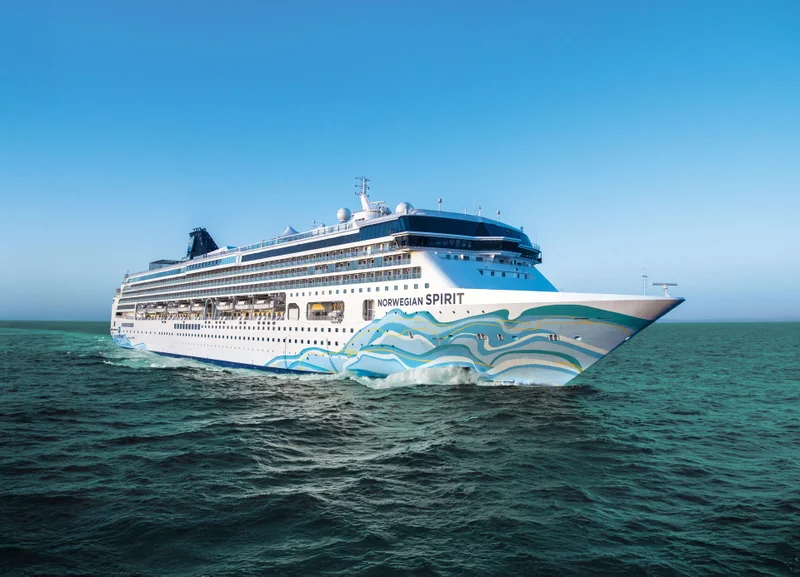
Built 1998
Sydney · Melbourne · Dusky Sound · Dunedin · Timaru · Wellington · Tauranga · Auckland
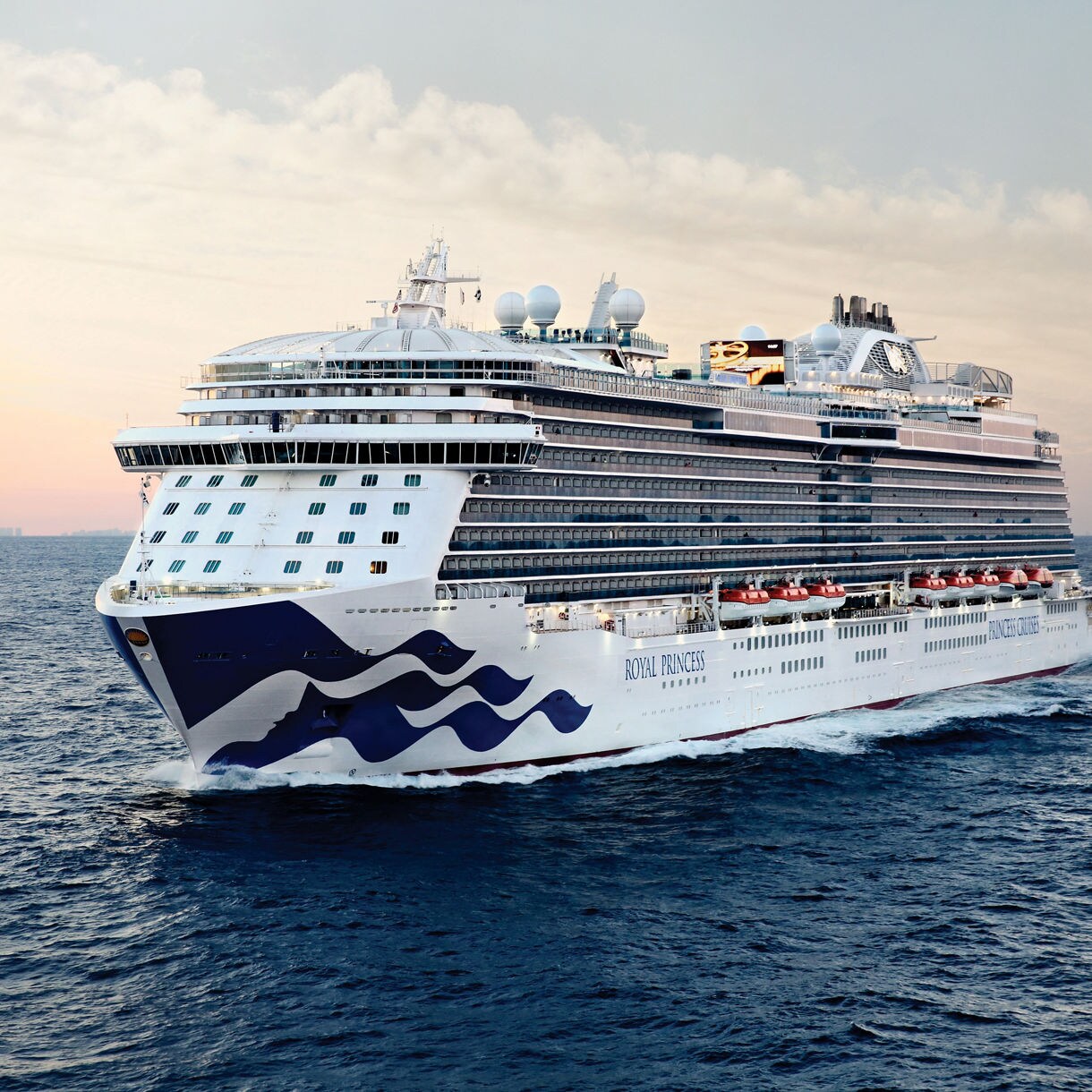
Built 2013
Sydney · Port Arthur · Hobart · Wellington · Picton · Napier · Tauranga · Bay of Islands · Auckland
Built 2018
Auckland · Bay of Islands · Tauranga · Wellington · Christchurch · Dunedin · Sydney
Cable car plus gardens gives you views and green space without overengineering the day.
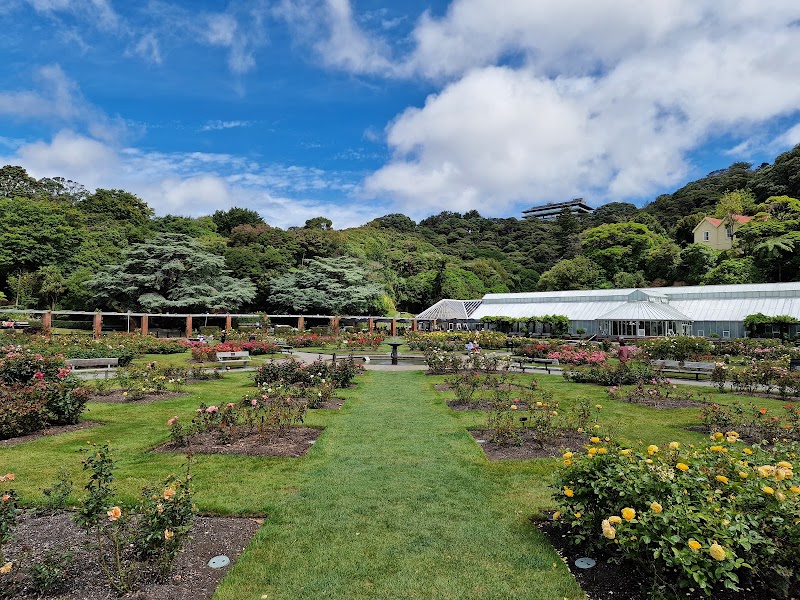
The Botanic Gardens are the place to slow the tempo after museums, crowds, or a morning of ship logistics. The appeal is gentle rather than blockbuster: easy paths, the Lady Norwood Rose Garden, a duck pond, a treetop walk, and picnic-friendly corners that feel like a reset button. Coming from the cable car lookout makes the stop feel natural, especially if you prefer walking downhill through greenery instead of bouncing between indoor sights. It suits couples, solo wanderers, and families who need a low-pressure stretch of the day. If you are short on time, treat it as a scenic connector, not a marathon.
Best when you want fresh air and views without committing to a full nature excursion.
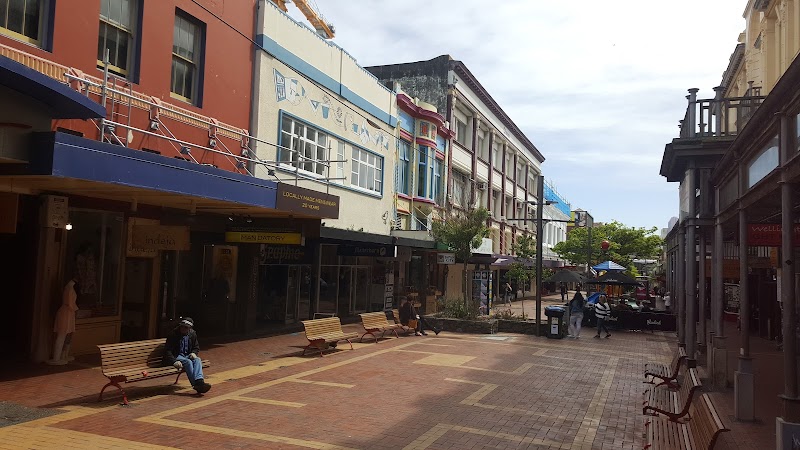
Cuba Street is where Wellington gets less polished and more fun. Expect street art, cafes, buskers, quirky shops, street food variety, and the oddball Bucket Fountain, which is exactly the kind of local texture that makes a port stop feel like more than a checklist. It is a strong late-morning or lunch anchor after Te Papa, or a looser afternoon plan if you would rather graze than sit through another scheduled tour. This is the pick for travelers who like neighborhoods, people-watching, and small discoveries. Do not rush it between two major sights; the point is to wander a little.
Go here when lunch, coffee, street art, and browsing sound better than another formal attraction.
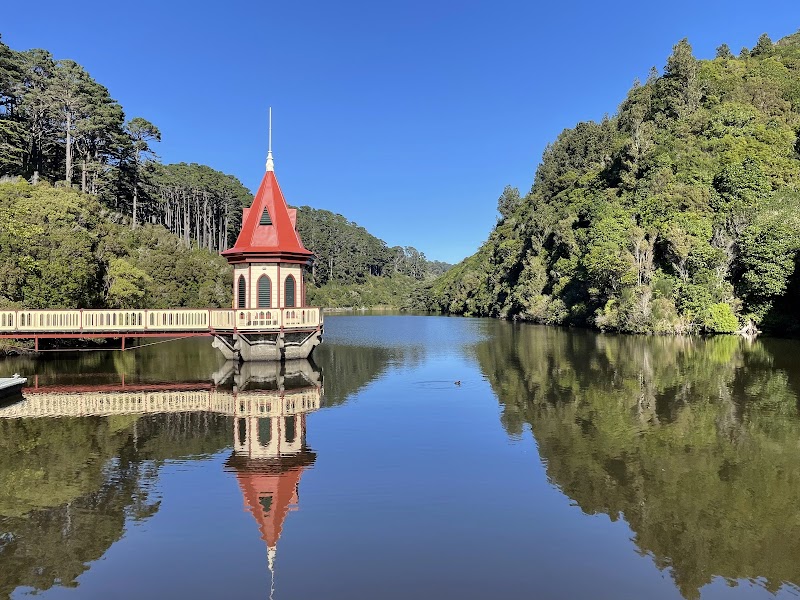
Zealandia Ecosanctuary is the nature-focused alternative to a standard city loop. The predator-free sanctuary is known for native birdsong, with glowworms and kiwi night walks part of its wider appeal. For cruise passengers, the key detail is that it is close enough to be realistic with planning; the shuttle is noted as about 10 minutes. Still, this is not a casual add-on after a packed museum morning. Go if native wildlife is your reason for being in New Zealand, and build the day around it. If your call is shorter, skip the temptation to squeeze it in and stay central instead.
Worth prioritizing for wildlife lovers, but it needs its own slot in the day.
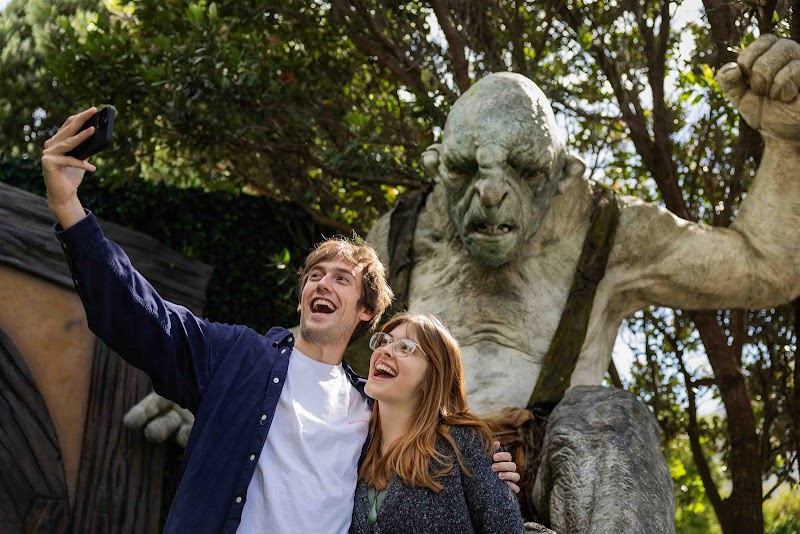
Weta Workshop Cave is for travelers who would rather see how fantasy worlds get built than browse another waterfront landmark. The draw is the behind-the-scenes craft: props, miniatures, armor, and designs tied to famous screen productions, especially Lord of the Rings. Because it sits in the airport area and uses a shuttle setup, it is best treated as a deliberate excursion, not something to tack onto an already full central itinerary. Fans will find it far more memorable than a generic city overview. Non-fans may be happier staying with Te Papa, Cuba Street, and the cable car.
If props, armor, and production craft excite you, make this the focus instead of a side quest.
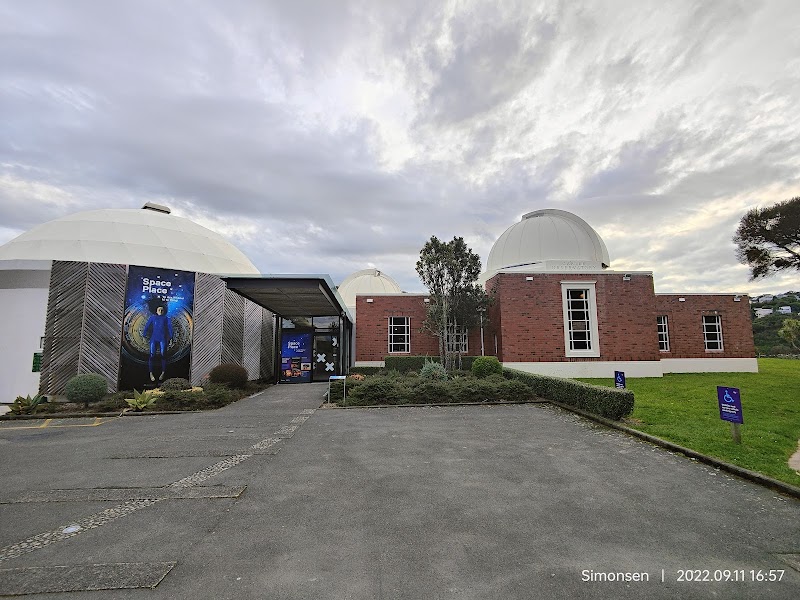
Carter Observatory sits on the edge of the Botanic Gardens, which makes it easy to fold into a cable car and gardens plan if your port timing and interests line up. Its strengths are astronomy rather than skyline chasing: planetarium shows, telescopes, Maori astronomy, and Southern Cross context. Because some of its most atmospheric programming is tied to night shows, cruise passengers should check whether it actually fits their time ashore before making it a must-do. During the day, it is a smart add for science-minded travelers or families who want something more focused than another cafe stop.
Great for astronomy fans, but some of the strongest programming depends on timing.
Native birdsong paradise—kiwi night walks. Shuttle 10-min, predator-free. Glowworms.
Lord Rings prop tour—miniatures, armor. Airport area shuttle, geek heaven. Unseen designs.
Planetarium stars, Southern Cross—night shows. Bot Gardens edge, telescopes. Maori astronomy.