JP
Cruises to Tsuruga
Tsuruga is a low-key Japan call where the best days pair Sea of Japan edges with temples, seafood, and one sharply chosen cultural stop.
Upcoming visits
1
Best fare
$288 per night
Tsuruga is a low-key Japan call where the best days pair Sea of Japan edges with temples, seafood, and one sharply chosen cultural stop.
Find Tsuruga on Google Maps before you plan the port day.
Tsuruga is the kind of Japan port that rewards a narrower plan. It is not trying to out-shout Kyoto or Tokyo, and that is the point: the day feels more local, with Sea of Japan scenery, temple grounds, seafood bowls, and small museums that lean into the port's own story. For cruise passengers, the win is not sprinting through a list. It is choosing one coastal experience, one cultural stop, and leaving space for lunch that actually tastes connected to where you docked.
Because the strongest sights are varied, Tsuruga works for different travel moods. Temple people can go quiet and contemplative, food travelers can build the day around the market, and anyone who needs air after too much ship time can head for the coast. The only bad plan is a scattered one. Treat Tsuruga as a port for texture rather than trophies: a pagoda, a dune walk, a railway museum with a serious human story, or a miniature collection weird enough to be memorable.
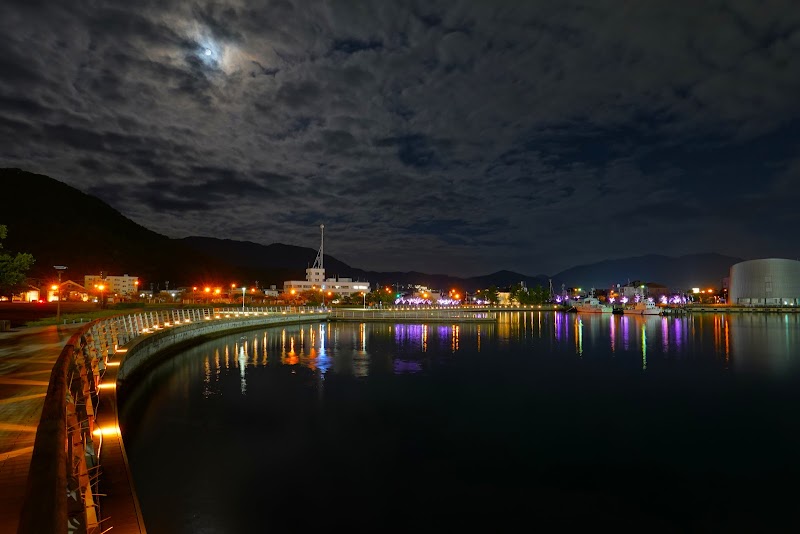
The Tsuruga Port Keta Coast Sand Dunes are the clearest argument for getting outside early. This is not a manic sightseeing stop; it is a place to walk, look out toward the Sea of Japan, and let the landscape do more than another monument would. The dunes fit travelers who want a visual reset after ship days, photographers chasing texture, or anyone who prefers wind and water over indoor exhibits. If you are building a simple half-day plan, pair the coast with seafood nearby and keep the rest light.
Cruisers who want air, views, and a low-friction start to the port day.
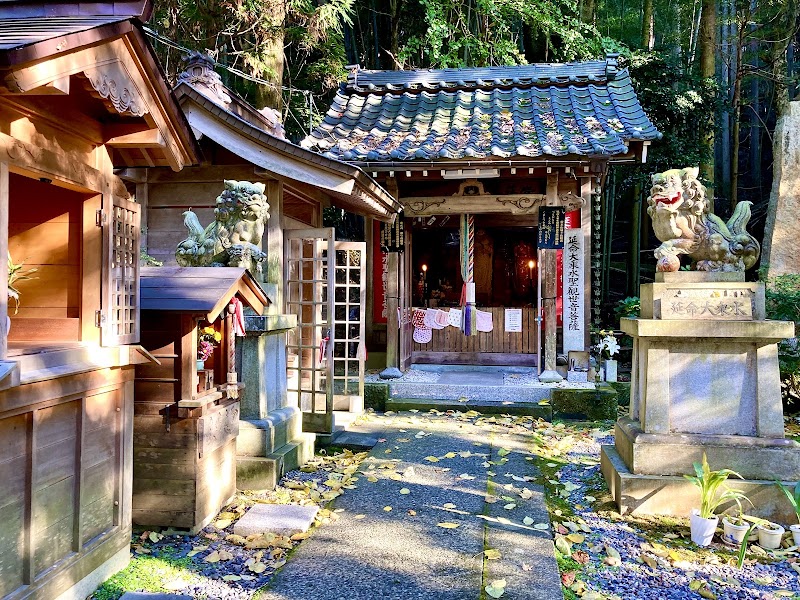
Kannon-ji Temple is the stop for passengers who want their Japan call to slow down. The five-story pagoda gives the day a strong visual anchor, but the real value is the atmosphere: Zen temple grounds, gardens, and the possibility of bell-ringing ceremonies if your timing lines up. It is a better fit for curious wanderers than for anyone trying to rack up major-name sights. Prioritize it when you want a calm cultural stop that feels grounded and photogenic without turning the port call into a lecture.
Historic Zen temple with five-story pagoda and serene gardens. Bell-ringing ceremonies. Peaceful spirituality.
Dramatic coastal dunes for walks and views of Sea of Japan. Fresh seafood nearby. Natural spectacle.
Vast temple grounds with libraries, bridges, caves. Hike trails. Cultural depth.
World's largest collection of miniature models, ships, foods. Whimsical fun. Quirky appeal.
Current sailings visiting this port, sorted by the lowest tracked cabin price per night.
You want one serene cultural anchor rather than a packed temple circuit.
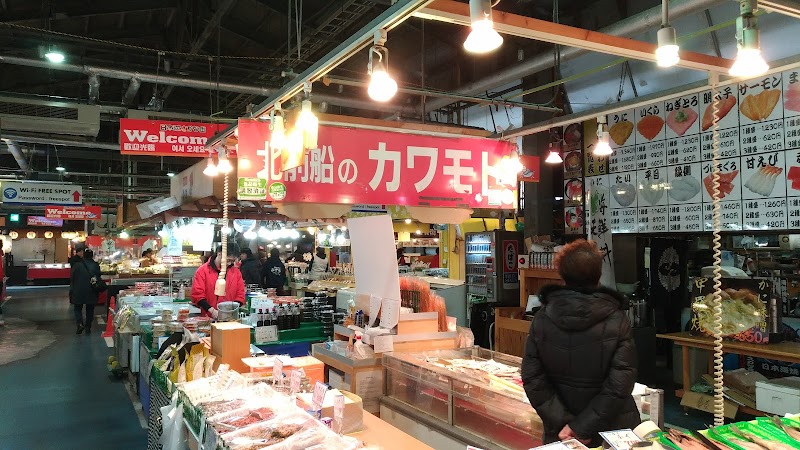
The Seafood Market is not just a refueling stop; for many passengers, it may be the most Tsuruga-specific part of the day. The appeal is direct and uncomplicated: sushi, kaisendon bowls, and hidden eateries tied to the working port around you. Food-focused travelers should protect time here instead of squeezing it between attractions. It also works as the social, easy middle of the day after a coast walk or temple visit. If you only do one casual stop, make it one that tastes like the place.
Do not let lunch become the thing you rush between photo stops.
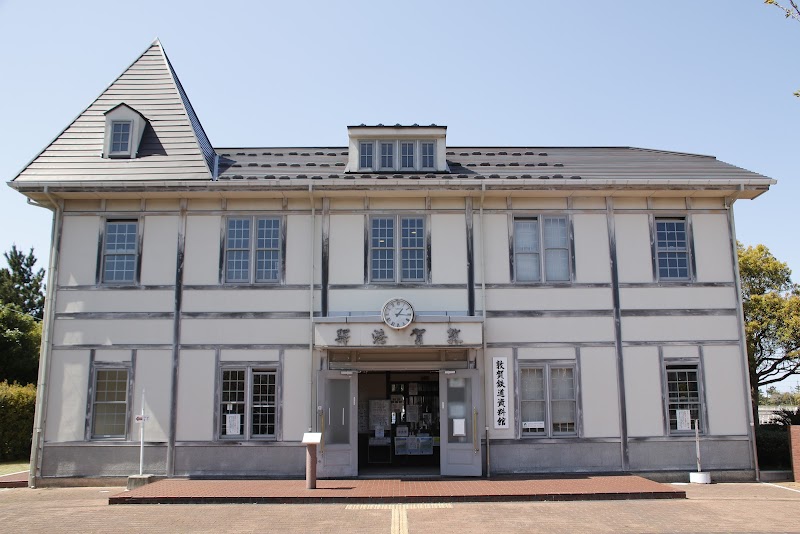
The Tsuruga Railway Memorial gives this port more emotional weight than you might expect from a quick cruise call. Its exhibits focus on wartime refugee rescues through Tsuruga Port, which makes it a strong choice for travelers who prefer specific local history over generic sightseeing. It is especially useful when the weather does not favor the coast, or when your group wants something meaningful but contained. Build it into the day if you like museums that explain why a port mattered, not just what it looked like.
A compact cultural stop with a story that belongs specifically to Tsuruga.
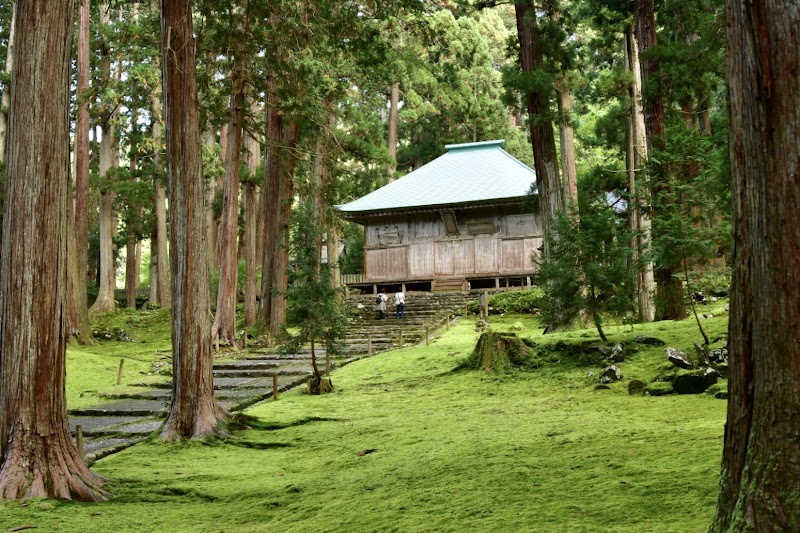
Heisen-ji Temple Complex is the deeper cut, and it should not be treated as a quick add-on. The grounds are extensive, with libraries, bridges, caves, and hiking trails, so the appeal is the layered experience rather than one fast photo. Choose it if you are the kind of traveler who would rather spend more time in one atmospheric religious site than bounce between smaller stops. For a cruise day, that means editing your plan around it. Pairing it with a relaxed meal makes more sense than stacking it with every other attraction.
This is for travelers comfortable giving one site a larger share of the day.
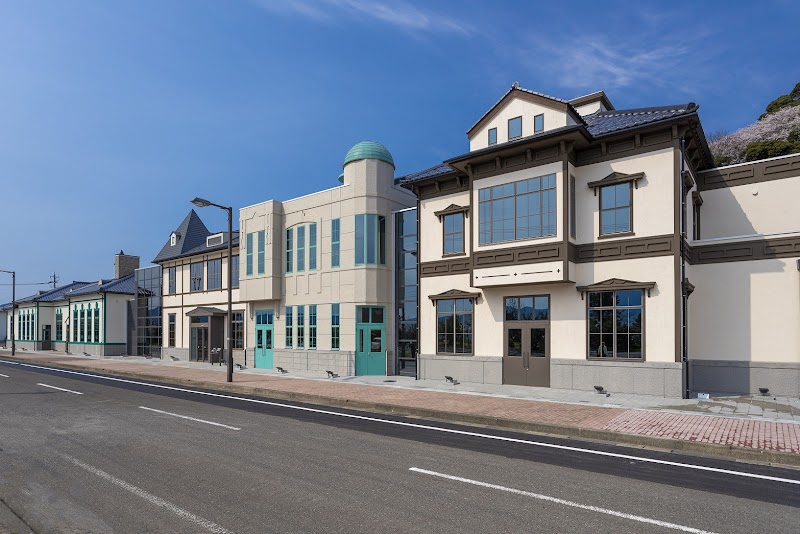
The Miniature Museum is the port's wildcard: models of ships, food, and other tiny worlds collected at serious scale. It is not the obvious pick for a first-timer chasing temples or coastlines, but that is exactly why it can work. Families, design nerds, and travelers who enjoy obsessive collections will get more out of it than expected. Consider it a smart second stop if you have already done the big mood-setting experience, or a weather-proof option when outdoor plans lose their appeal.
Travelers who like niche museums more than another standard viewpoint.
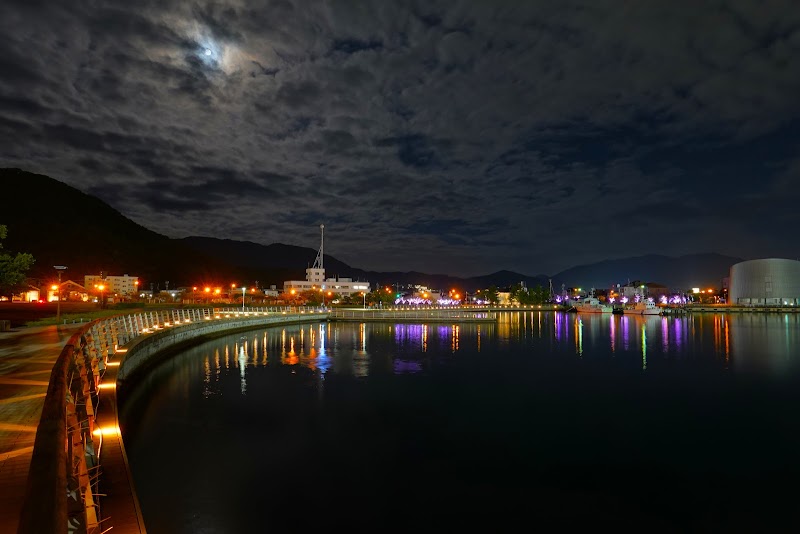
Takaya Kaigan suits the passenger who wants the port day to feel less managed. The draw is a scenic beach drive, coastal views, and the possibility of pairing the outing with nearby onsen if your plans and timing make sense. It is not the most museum-rich or history-heavy choice, but it gives the day a softer edge after several structured ports. Pick it when you want to see the shoreline without making the dunes your only outdoor plan, and when a slower coastal rhythm sounds better than another interior stop.
A good fit for cruisers who want scenery without overbuilding the day.
Museum on wartime refugee rescues via Tsuruga Port. Moving history exhibits. Unique story.
Ancient cliff Buddhas hidden in forest. Mystical hike. Off-path art.
Ultra-fresh sushi, kaisendon bowls direct from port. Foodie heaven. Hidden eateries.
Scenic beach drive with sunsets, onsen nearby. Relax coastal. Local escape.