JP
Cruises to Toyama
Toyama is a port for travelers who like their Japan day with sharp contrasts: mountain engineering, city culture, seafood, and a low-key coast.
Upcoming visits
3
Best fare
$332 per night
Toyama is a port for travelers who like their Japan day with sharp contrasts: mountain engineering, city culture, seafood, and a low-key coast.
Find Toyama on Google Maps before you plan the port day.
Toyama is not the loudest Japan cruise call, which is exactly why it can feel fresh. The port works best for travelers who want a day with a clear point of view: ride an electric train into Kurobe Gorge, keep things compact with a black castle and contemporary glass art, or aim for seafood and sea air near the coast. It is less about checking off famous-name sights and more about choosing the version of Toyama that fits your energy level.
The main decision is whether to go big or stay nimble. Kurobe Gorge Railway and the Tateyama Kurobe Alpine Route are the dramatic plays, with bridges, waterfalls, peaks, cable cars, and seasonal snow-wall scenery in the mix. City-focused travelers can build a tighter day around Toyama Castle, the Glass Art Museum, and local culture. If the ship schedule or your mood calls for something easier, Iwasehama Beach and seafood-focused stops keep the day grounded instead of overplanned.
Kurobe Gorge Railway is the Toyama choice for travelers who want the port call to feel different from a standard city stop. The electric train runs through Japan's deepest gorge, with bridges, waterfalls, and serious engineering doing most of the storytelling. Because tickets are noted from the port, it has the shape of a cruise excursion rather than a vague idea you hope works out. Prioritize it if landscapes matter more to you than museums or shopping, and do not try to cram it into an already busy city plan.
Travelers who want one memorable natural set piece instead of several smaller stops.
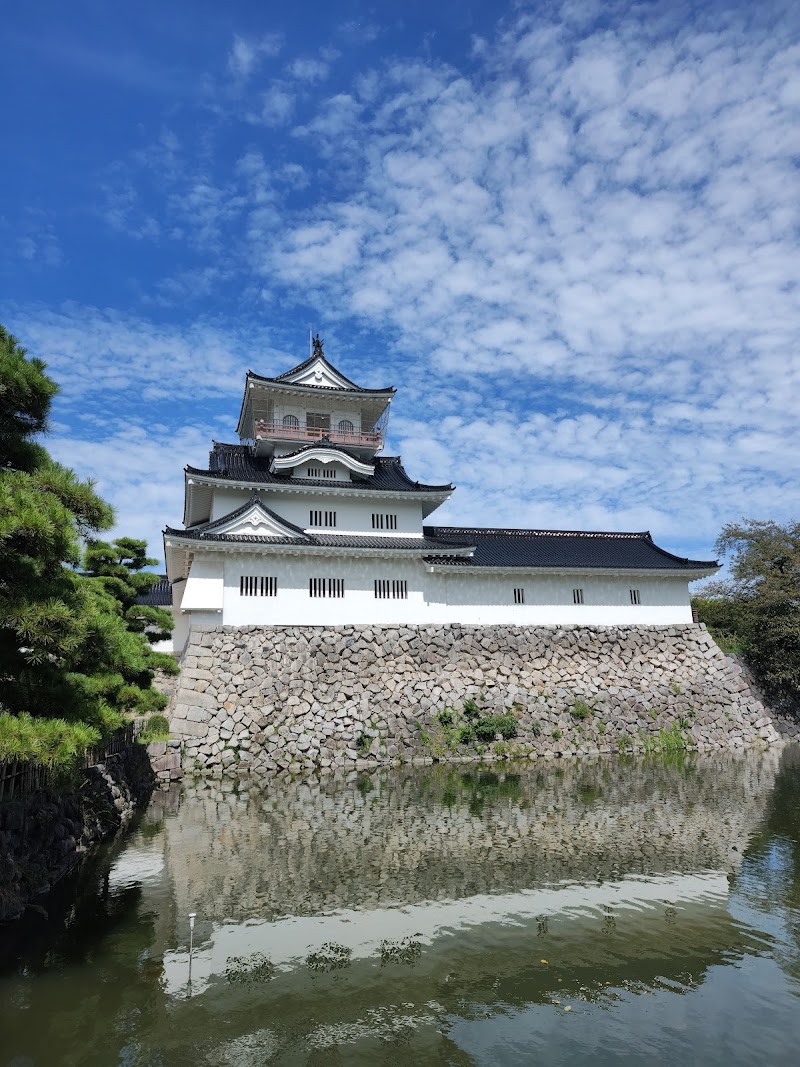
Toyama Castle is the cleanest answer if you want a photogenic stop without turning the day into a logistical puzzle. The reconstructed black castle, moats, and museum on samurai history give you a compact hit of Edo-era atmosphere in a central setting. It is especially useful for first-timers who want something clearly Japanese but manageable during a port call. Pair it with a cafe break, the Glass Art Museum, or a local museum, but let the castle be the anchor rather than just a quick photo on the way somewhere else.
Central, visual, and simple to combine with other city sights.
Scenic electric train through Japan's deepest gorge, bridges, waterfalls. Tickets from port. Engineering marvel.
Reconstructed black castle with moats, museum inside on samurai history. Central and photogenic. Edo era charm.
Wide beach with dunes, seafood BBQs. Summer fun. Port nearby.
Contemporary glass sculptures, workshops. Stunning displays. Modern art hit.
Current sailings visiting this port, sorted by the lowest tracked cabin price per night.
Built 2004
Tokyo · Toba · Nagasaki · Busan · Sakaiminato · Maizuru · Toyama · Sakata · Hakodate · Miyako · Hitachinaka
Built 2004
Tokyo · Yatsushiro · Busan · Nagasaki · Kagoshima · Beppu · Matsuyama · Kochi · Osaka · Tokushima · Mount Fuji · Toba · Sakaiminato · Maizuru · Toyama · Sakata · Hakodate · Miyako · Hitachinaka
Built 2004
Tokyo · Toba · Nagasaki · Busan · Sakaiminato · Maizuru · Toyama · Sakata · Hakodate · Miyako · Hitachinaka · Aomori · Muroran
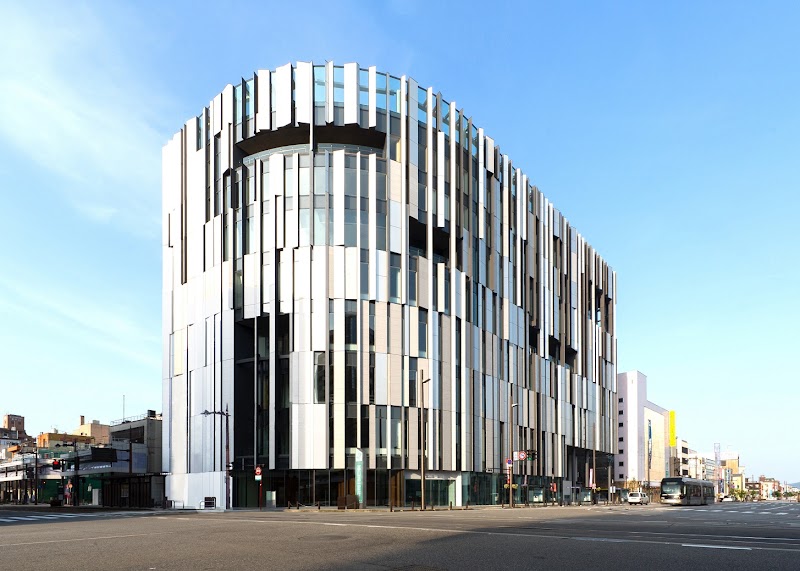
Toyama Glass Art Museum is the city stop for travelers who would rather see sharp contemporary work than another heritage site. The appeal is visual and immediate: glass sculptures, strong displays, and workshops that make the material feel alive instead of decorative. It works well after Toyama Castle because the contrast is part of the fun: old moats and samurai history, then polished modern art. If the weather is messy or you want a lower-strain port day, this is one of the best ways to keep the itinerary interesting indoors.
A smart choice when you want a culture day that is not dependent on clear weather.
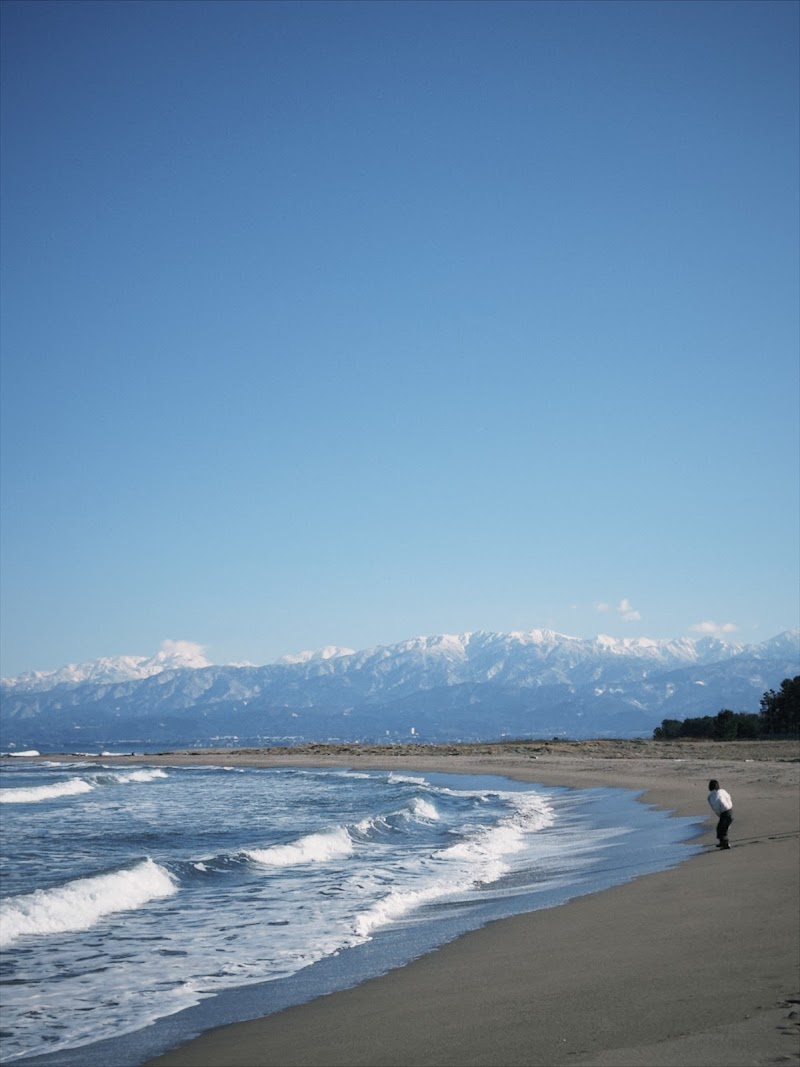
Iwasehama Beach is the move when you do not want every Japan port to become a race between museums and mountains. The beach is wide, with dunes and seafood BBQs giving it a casual summer feel, and it is noted as being near the port. This is not the choice for travelers chasing the most famous sight in Toyama. It is for people who want air, space, and a softer landing between bigger itinerary days. Build it as a simple coast stop, not as an add-on after an ambitious inland excursion.
A low-pressure coastal day, especially when you want fewer moving parts.
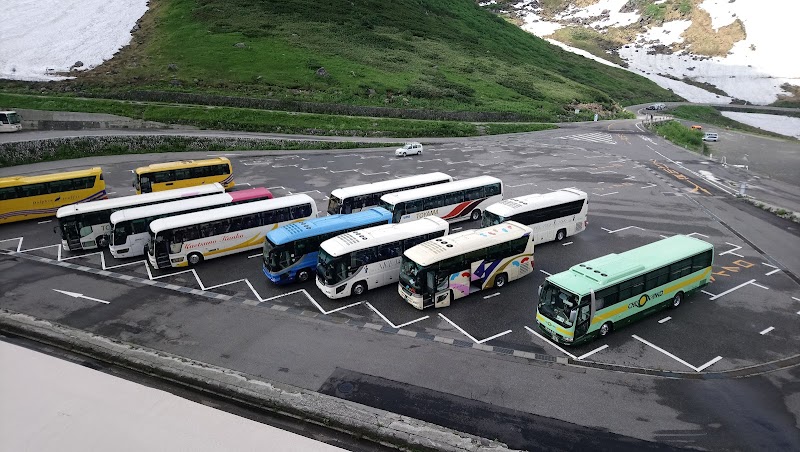
The Tateyama Kurobe Alpine Route is the high-drama option: cable cars, mountain peaks, and seasonal snow walls when conditions line up. It is also the kind of experience that needs structure, so organized tours matter here. Choose this if you are comfortable dedicating the day to an alpine itinerary and you care more about big scenery than flexibility. For a short or uncertain port call, it may feel like too much. For mountain-focused travelers, though, it can be the reason Toyama stands out on the route.
The snow-wall element is seasonal, so confirm what version of the route is actually operating.
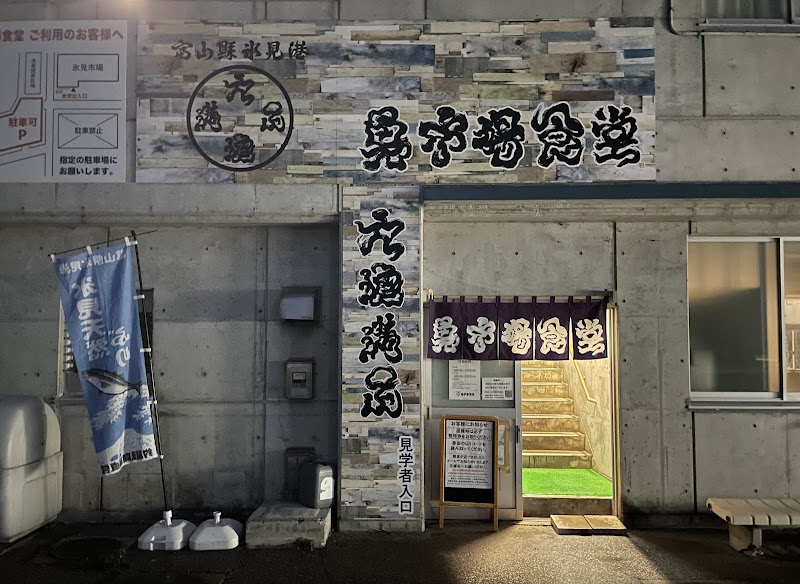
Himi Fish Market is for travelers who believe a port day should taste like the place, not just photograph well. The draw is fresh sushi, tastings, and the early-morning rhythm of auctions and vendors. It fits best if your schedule lines up with the market's livelier hours and you are willing to prioritize food over a more polished landmark circuit. Do not treat it as a generic souvenir stop. The point is the pace, the freshness, and the chance to make seafood the center of your Toyama day.
Seafood-first travelers and anyone who likes a working-market feel.
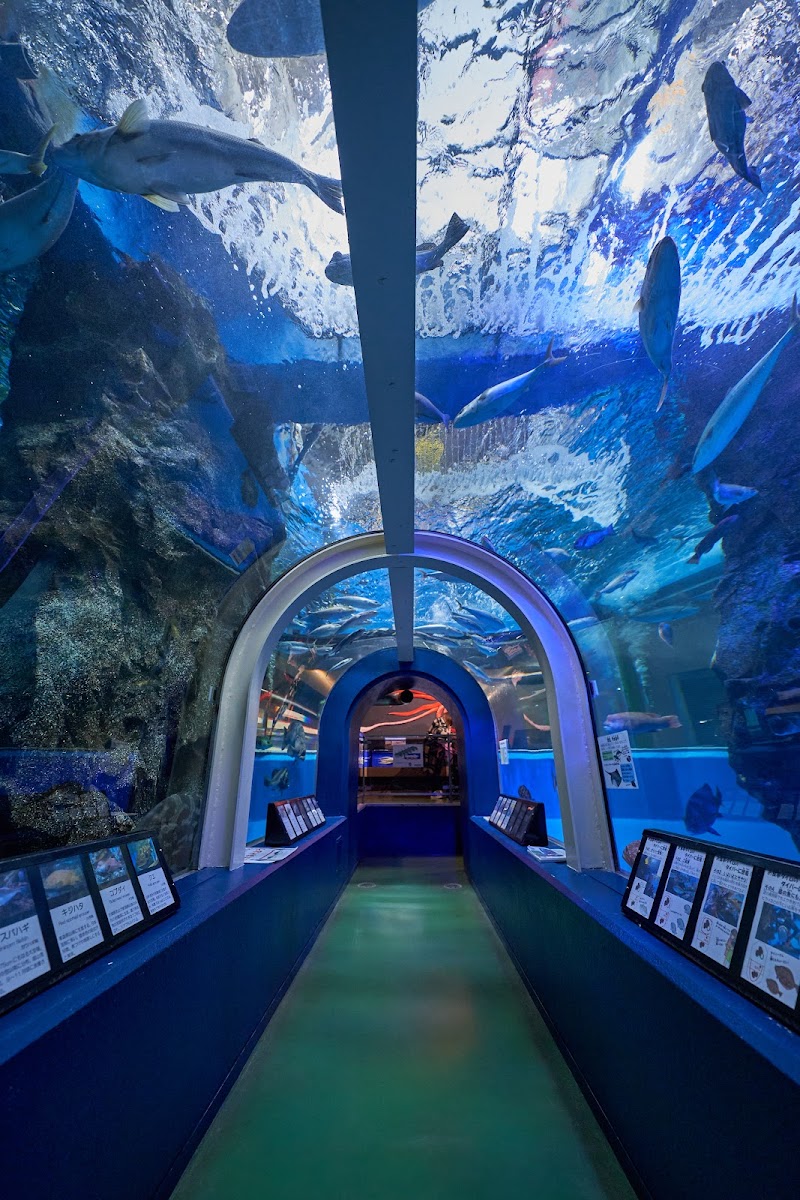
Uozu Aquarium gives Toyama a quieter family option beyond castles and long scenic excursions. Its plankton exhibits and transparent tunnel make it more specific than a generic aquarium stop, with enough quirk to keep curious adults engaged too. It is a good fit when younger travelers need something contained, visual, and not overly formal. If you are choosing between this and the bigger natural sights, be honest about the group: Kurobe and the Alpine Route are the showpieces, while Uozu is the easier, kid-friendly reset.
A contained stop with marine-life detail rather than a full-day adventure.
Cable cars over snow walls (seasonal), peaks. Organized tours. Alpine adventure.
Fresh sushi auctions, tastings. Early morning energy. Seafood paradise.
Plankton exhibits, transparent tunnel. Quirky marine life. Family fun.
Cherry blossoms, ponds, traditional gardens. Seasonal beauty. Peaceful retreat.