JP
Cruises to Tokushima
Tokushima is best for cruise travelers who want one strong cultural or natural hit instead of a checklist day.
Upcoming visits
8
Best fare
$340 per night
Tokushima is best for cruise travelers who want one strong cultural or natural hit instead of a checklist day.
Find Tokushima on Google Maps before you plan the port day.
Tokushima is not the loudest Japan port, which is exactly why it can work so well on a cruise itinerary. The city and surrounding area lean into things that feel specific to Shikoku: the start of the 88-temple pilgrimage, Awa dance, handmade paper, forest shrines, and the dramatic Naruto Whirlpools. A good port day here is less about covering maximum ground and more about choosing the version of Tokushima that matches your mood: spiritual, kinetic, scenic, crafty, or quietly odd.
The main planning mistake is treating Tokushima like a generic city stop. It has central cultural sights, but some of the most memorable experiences sit outside the standard wander-and-shop pattern. If the whirlpools are your priority, build the day around that spectacle. If you want a lower-friction plan, stay with Awa Odori Kaikan, the Bizan Mountain Ropeway, and castle-area green space. Travelers who like Japan beyond the biggest-name ports will probably find Tokushima more rewarding than expected.
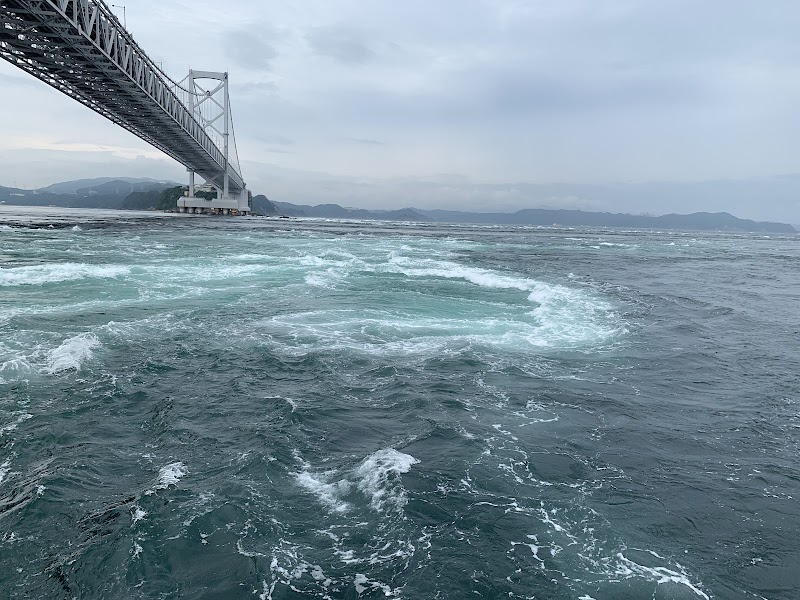
The Naruto Whirlpools are the stop to prioritize if you want the day to feel visually different from every other port on the itinerary. The draw is simple: powerful water movement near Uzushio Park bridge, with boat rides that put you close to the vortex action. This is the best fit for photographers, nature-first travelers, and anyone who would rather chase one strange phenomenon than spend the day indoors. Do not treat it as a casual filler; if whirlpools are the point, let them anchor the plan.
Travelers who want one dramatic natural sight and are willing to shape the day around it.
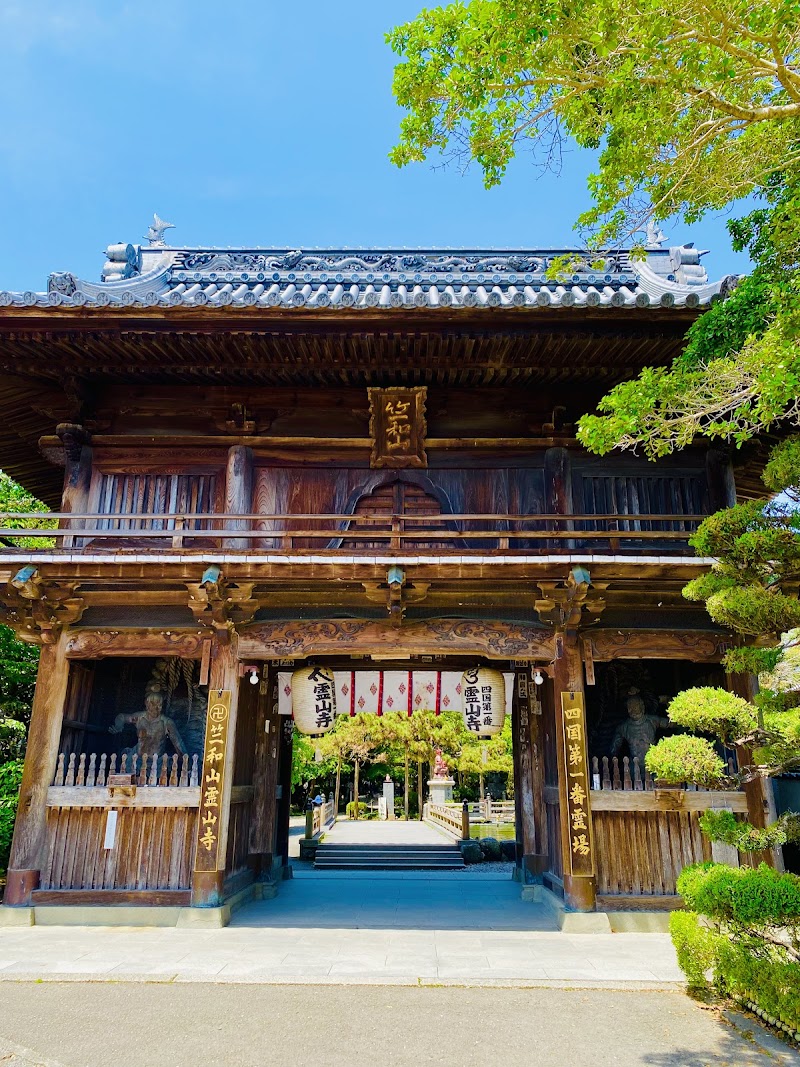
Ryozenji Temple matters because it is the first temple of the 88-site Shikoku pilgrimage, not just another pretty temple stop. For cruise passengers, that gives a short visit more context: you are stepping into the official beginning of a route that defines the island's spiritual geography. The pilgrim statues make the story visible even if you are only there briefly. It fits travelers who like ritual, symbolism, and calm spaces, and it pairs well with a day that is more reflective than adrenaline-driven.
First temple of 88 Shikoku pilgrimage. Pilgrim statue photos. Spiritual start.
World's largest whirlpools by Uzushio Park bridge. Boat ride into vortex. Thrilling spectacle.
Watch traditional Awa Dance performances daily. Join dances sometimes. Cultural highlight.
Cable car to summit with city views. Hike trails. Panoramas.
Current sailings visiting this port, sorted by the lowest tracked cabin price per night.
Built 2004
Tokyo · Yatsushiro · Busan · Nagasaki · Kagoshima · Beppu · Matsuyama · Kochi · Osaka · Tokushima · Mount Fuji · Toba · Sakaiminato · Maizuru · Toyama · Sakata · Hakodate · Miyako · Hitachinaka
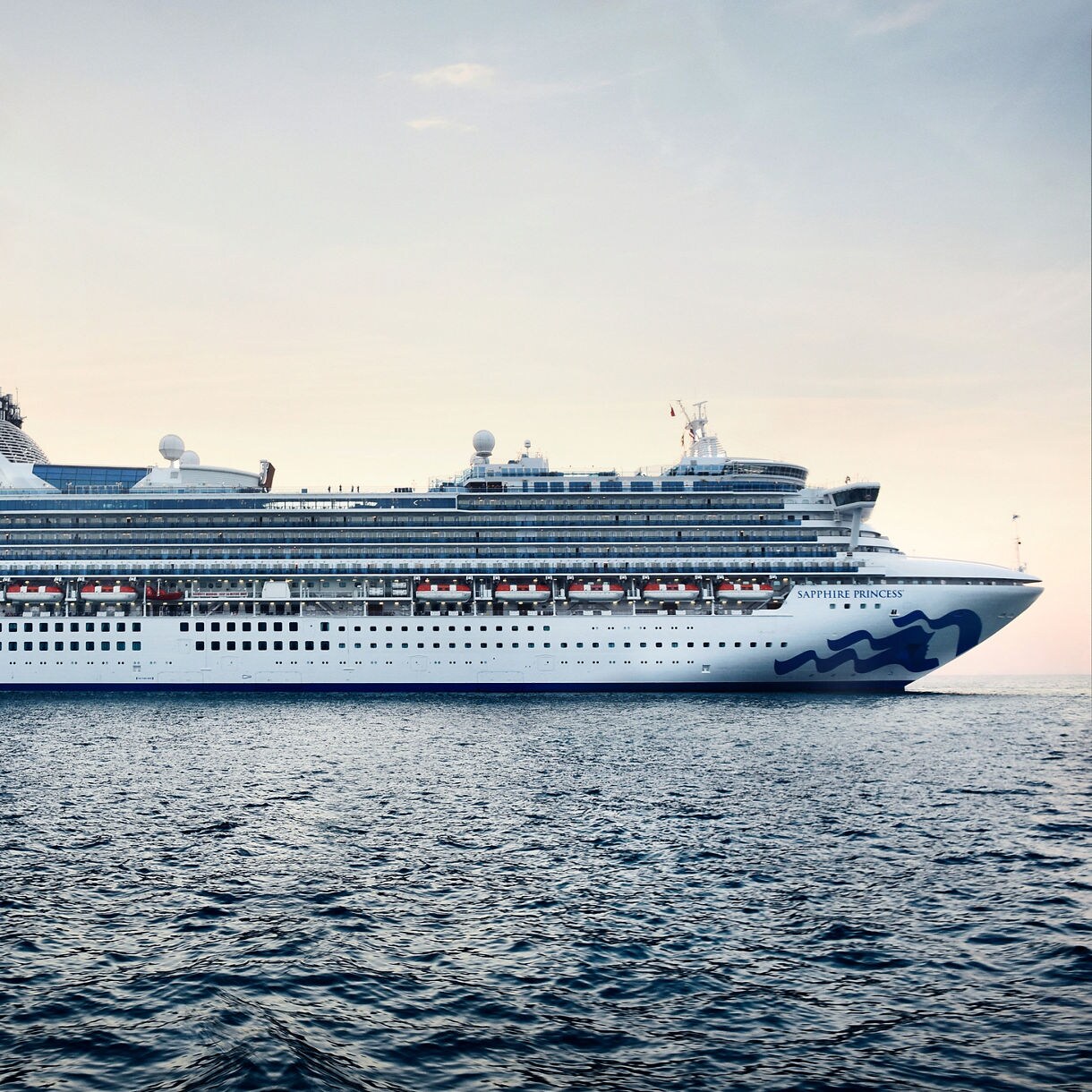
Built 2004
Tokyo · Nagoya · Toba · Tokushima · Kochi · Nagasaki · Busan · Kanmon Strait · Hiroshima · Beppu
Built 2004
Tokyo · Yatsushiro · Busan · Nagasaki · Kagoshima · Beppu · Matsuyama · Kochi · Osaka · Tokushima · Mount Fuji
Built 2004
Tokyo · Nagoya · Toba · Tokushima · Kochi · Nagasaki · Busan · Kanmon Strait · Hiroshima · Beppu · Wakayama · Kagoshima · Yatsushiro
Built 2004
Tokyo · Toba · Kochi · Busan · Nagasaki · Kagoshima · Matsuyama · Aburatsu · Kobe · Nagoya · Tokushima · Kanmon Strait · Hiroshima · Beppu
Built 2004
Tokyo · Beppu · Hiroshima · Kanmon Strait · Busan · Nagasaki · Aburatsu · Kochi · Kobe · Yatsushiro · Kagoshima · Matsuyama · Osaka · Tokushima · Mount Fuji
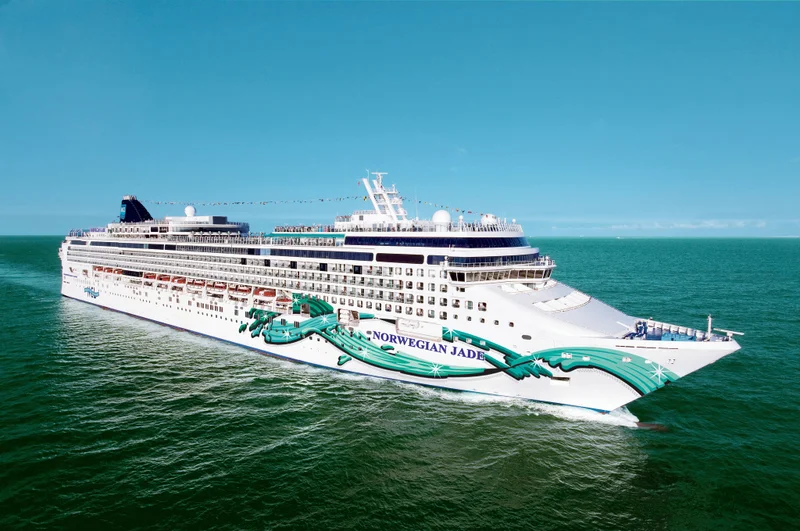
Built 2006
Seoul · Jeju · Nagasaki · Kagoshima · Hiroshima · Beppu · Tokushima · Nagoya · Mount Fuji · Tokyo
Built 2006
Tokyo · Mount Fuji · Nagoya · Tokushima · Kochi · Hiroshima · Kagoshima · Nagasaki · Jeju · Seoul
It gives Tokushima a clear Shikoku identity in a single, manageable temple visit.
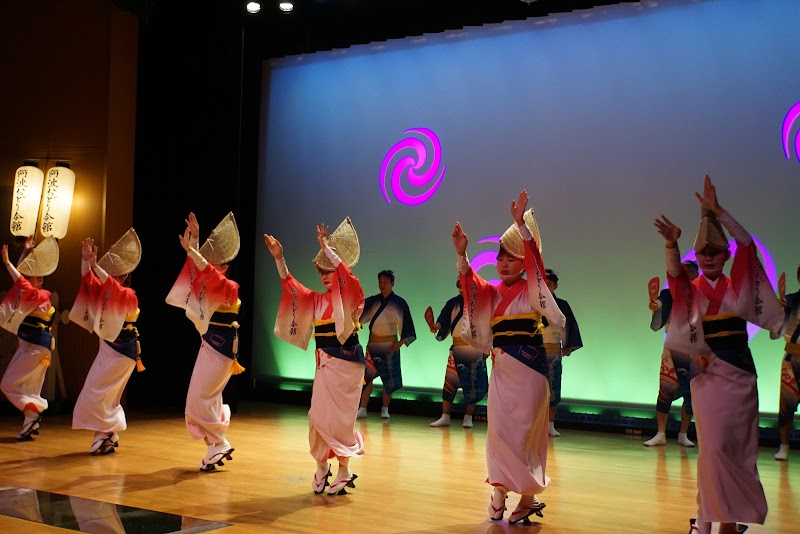
Awa Odori Kaikan is the easiest way to understand Tokushima's dance culture without needing to time your cruise around a festival. Performances happen daily, and visitors can sometimes join in, which makes the experience more alive than a display case. This is a strong choice for first-timers, families, and anyone who wants a cultural stop with rhythm and personality rather than a quiet museum hour. If your port day is short or you prefer to stay closer to the city experience, put this high on the list.
Pick this when you want local culture with energy, not just context.
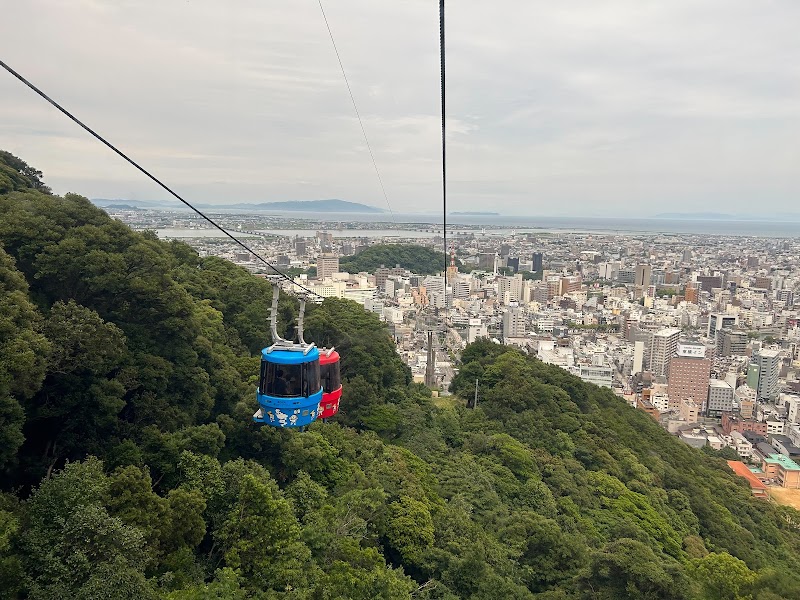
The Bizan Mountain Ropeway is the low-effort scenic play: a cable car up to summit views, with hiking trails if you want to stretch the stop into something more active. It is especially useful on a cruise day because it gives you a clean overview of Tokushima without requiring a complicated route. Go for the panorama, stay longer if the weather and your energy make the trails appealing. It works best for travelers who want a city view, a camera break, and a little altitude without committing to a full hike.
Awa Odori Kaikan or a central city plan, especially if you want variety without overloading the day.
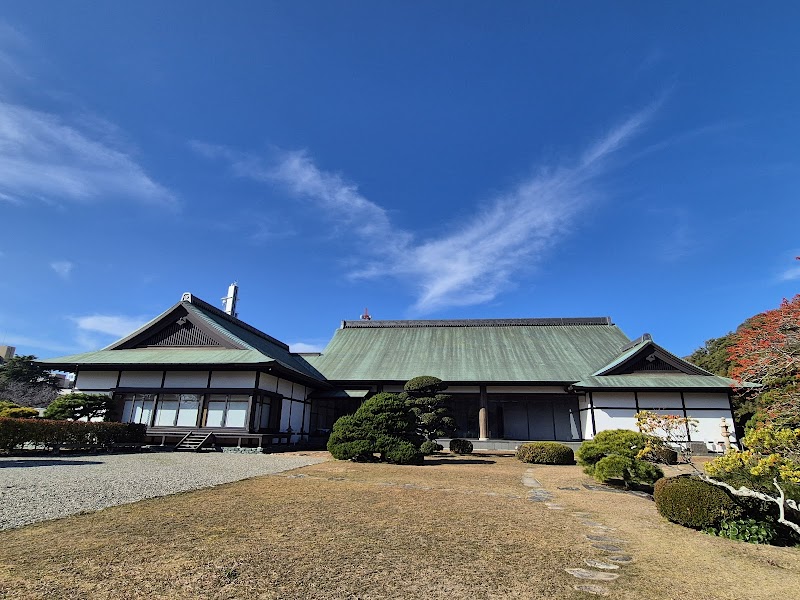
Tokushima Castle Museum is not the flashiest stop, but it is a practical one: castle ruins, samurai exhibits, and park space in a central-feeling setting. For cruise travelers, that makes it a smart reset between more scheduled experiences or a softer option if you do not want to chase the whirlpools. The park also has seasonal appeal when the cherry blossoms are out. Choose it if you like history with breathing room, or if your group needs a calmer hour that still feels rooted in the city.
A slower history stop when your day needs space instead of another transfer.
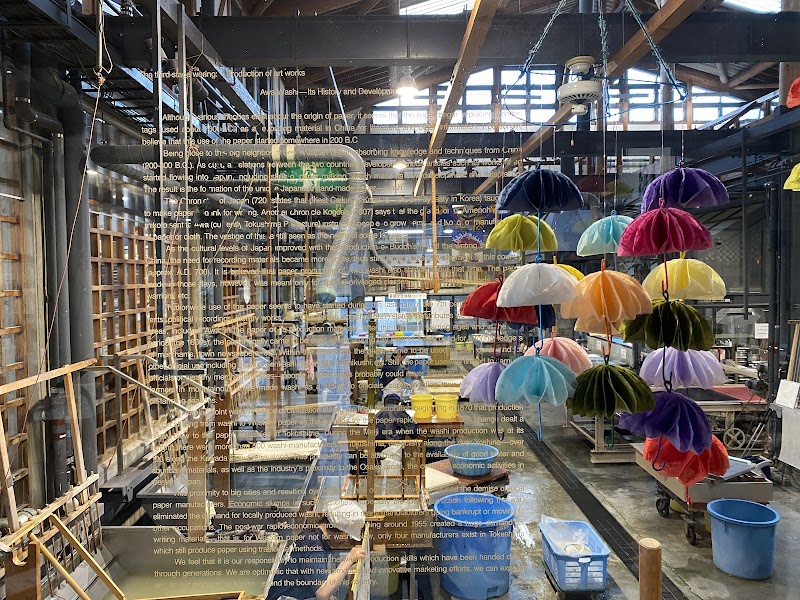
The Awa Washi Paper Museum is for travelers who would rather make something than simply look at something. Demonstrations show handmade washi paper traditions, and craft opportunities can turn the visit into a more tactile memory of Tokushima. It is not the obvious first stop if you only have appetite for one blockbuster attraction, but it is a smart pick for repeat Japan visitors, design-minded travelers, and anyone traveling with people who like workshops. Prioritize it when you want the day to feel personal and slower.
Save it for a craft-focused day, especially if you have already done the bigger scenic and temple stops.
Park with castle ruins and samurai exhibits. Cherry blossoms. Central spot.
Wooden doll museum and workshops. Folklore exhibits. Charming quirk.
Waterfall shrine with purification rituals. Mystical forest hike. Sacred site.
Zoo, aquarium, playgrounds. Family green space. Relaxed fun.