Egypt
Cruises to Suez Canal
The Suez Canal is a rare cruise call where the main event is the route itself, not a checklist of things to do ashore.
Upcoming visits
4
Best fare
$158 per night
The Suez Canal is a rare cruise call where the main event is the route itself, not a checklist of things to do ashore.
Find Suez Canal on Google Maps before you plan the port day.
A Suez Canal call is not a classic wander-off-the-ship port day. The point is the transit: slow, surreal movement through one of the world's most important waterways, with container ships, desert banks, and the Sinai mountains shifting in and out of view. If you book a sailing that includes it, plan to spend serious time outside on deck. This is a visual, logistical, and engineering experience first, with shore time and nearby sights playing a supporting role rather than trying to compete with the canal itself.
That said, the area around Ismailia and the canal has more texture than a quick glance suggests. You can lean into engineering with bridges and visitor-center exhibits, go softer with gardens and lake views, or take the archaeology lane with an offbeat underground site tied to Ramses II. The smartest plan depends on how your sailing handles the transit and stop. If time is tight, prioritize what is visible from the ship. If you have a guided excursion window, choose one focused detour instead of trying to turn this into a greatest-hits Egypt day.
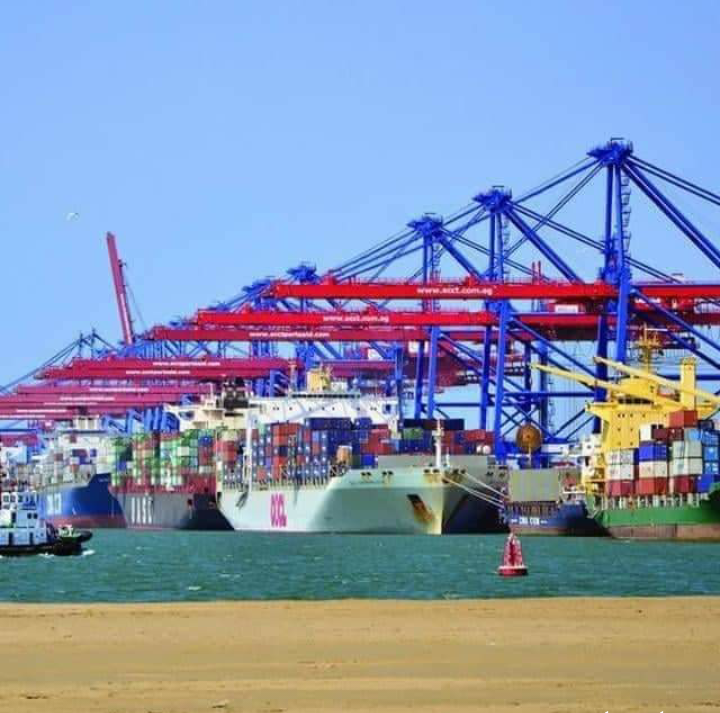
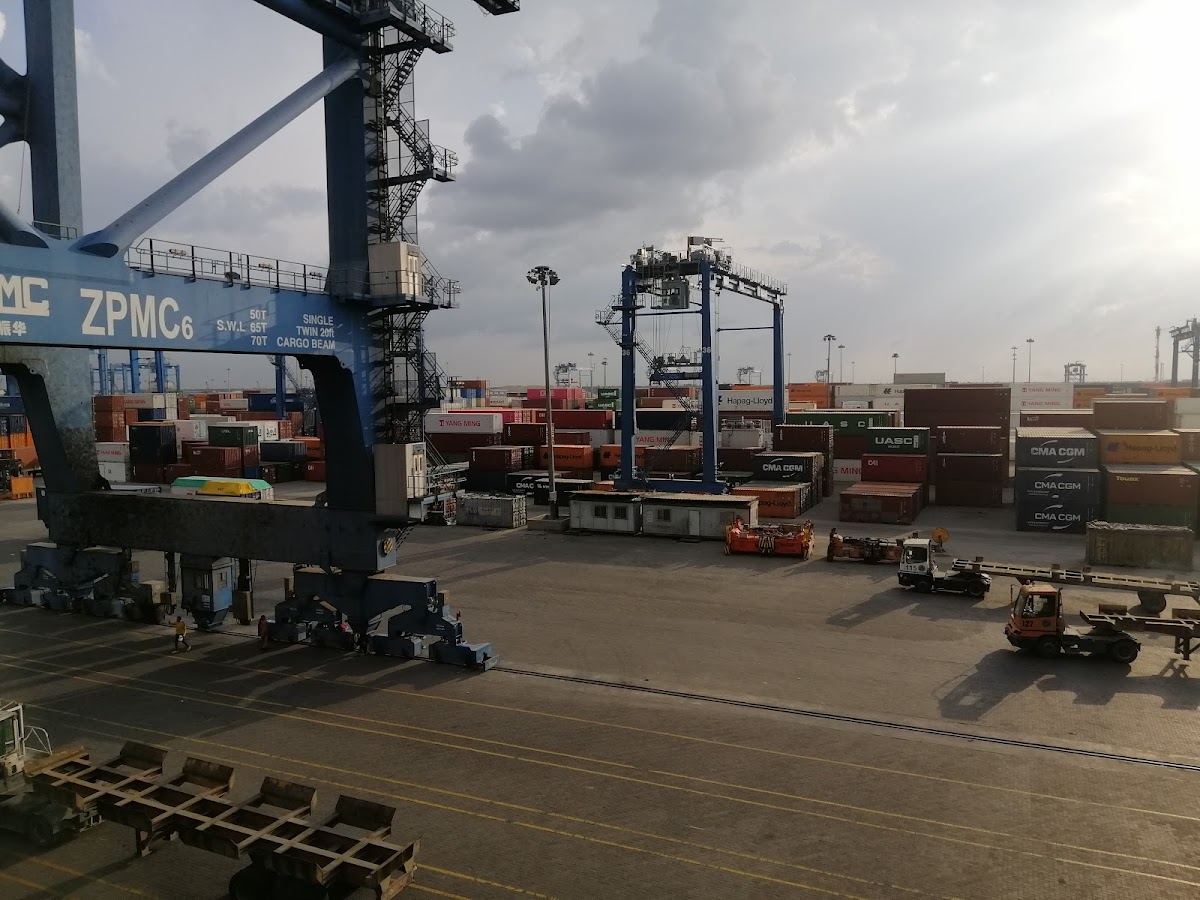
The Suez Canal Transit is the reason to care about this port on a cruise itinerary. It is not fast-moving spectacle; it is slow-burn scale. Watch huge ships move through the waterway linking the Mediterranean and Red Sea, listen for deck commentary, and keep your camera ready for the strange minimalism of ship, sand, and sky. This stop fits travelers who like infrastructure, geography, and the feeling of being somewhere consequential. Do not treat it as background while you sleep in. The best views may be the day itself.
Travelers who like big-picture geography, ship-watching, and slow cinematic views.
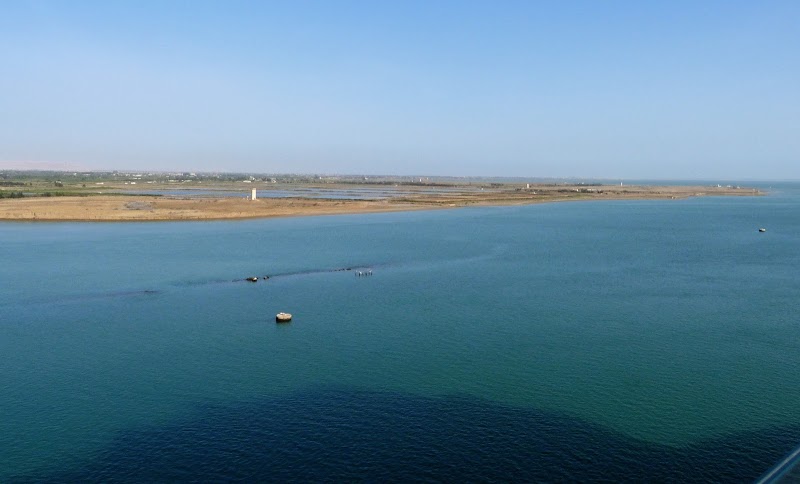
Great Bitter Lake changes the rhythm of the canal experience. Instead of narrow banks and constant forward motion, the landscape opens into a broad salty lake where convoys can be easier to observe and the mood gets quieter. It is a strong pick for passengers who enjoy watching patterns unfold: ships lining up, birds moving across the water, and the desert turning the whole scene spare and graphic. Flamingos are possible here, so binoculars are genuinely useful. If you only have energy for one low-effort viewing stretch, make it this one.
Vantage point over the canal entrance with views of shipping traffic and Sinai mountains. Photo ops galore. Short walk from docks.
Engineering marvel: watch massive ships pass through the vital waterway linking Mediterranean and Red Sea. Commentary from decks. The highlight of any visit here.
Expansive salty lake midpoint of canal; spot flamingos, observe convoys passing. Peaceful anchorage spot. Binoculars recommended.
Ancient rock-cut galleries carved for sacred bulls; underground historical site. Tour with guide. Offbeat archaeology.
Current sailings visiting this port, sorted by the lowest tracked cabin price per night.
Built 2001
Durban · Réunion (Le Port) · Port Louis · Antsiranana · Nosy Be · Port Victoria · Petra · Sharm el Sheikh · Suez Canal · Rhodes · Heraklion · Split · Venice
Built 2001
Durban · Réunion (Le Port) · Port Louis · Antsiranana · Nosy Be · Port Victoria · Petra · Sharm el Sheikh · Suez Canal · Rhodes · Heraklion · Split · Venice · Kotor · Brindisi
Built 2001
Cape Town · Durban · Réunion (Le Port) · Port Louis · Antsiranana · Nosy Be · Port Victoria · Petra · Sharm el Sheikh · Suez Canal · Rhodes · Heraklion · Split · Venice
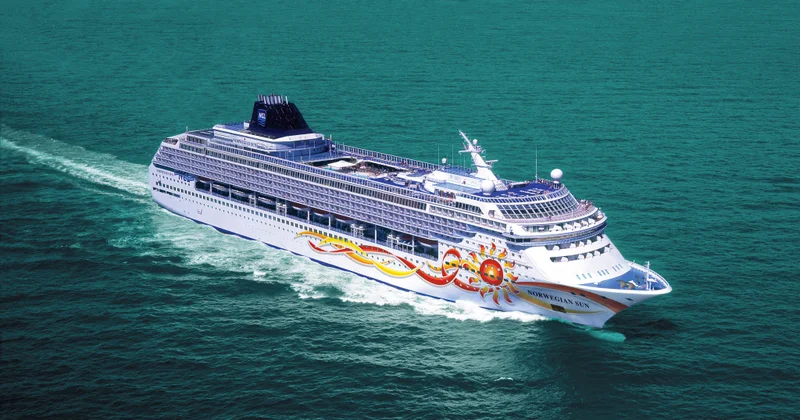
Built 2001
Athens · Rhodes · Limassol · Alexandria · Port Said · Suez Canal · Sokhna · Safaga · Sharm el Sheikh · Petra · Jeddah · Muscat · Doha · Abu Dhabi · Dubai
Binoculars help with both birdlife and ship traffic on the wider water.
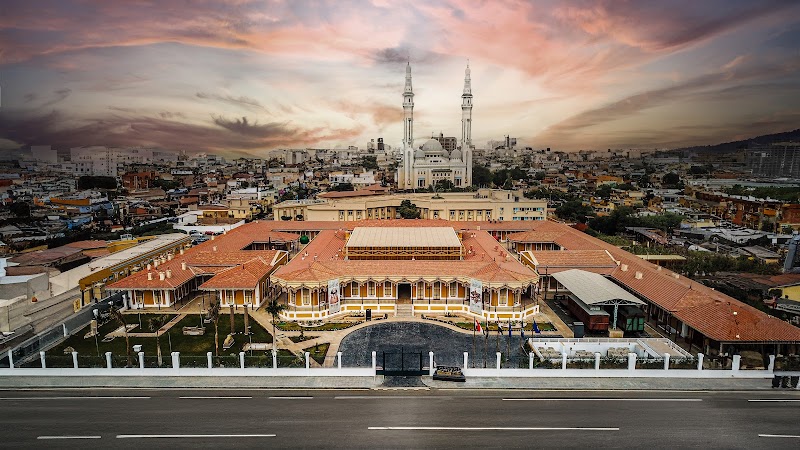
Ismailia Gardens & Canal Museum is the palate cleanser option: greenery, canal history, and a calmer town rhythm after hours of watching ships and sand. Because it is taxi-accessible, it makes sense for passengers who want a shore outing without committing to a heavy excursion. The gardens give you a relaxed walk, while the museum adds context to the waterway you have just been staring at from deck. This is not the biggest bragging-rights stop in Egypt, but it is practical, pleasant, and well matched to a mellow port window.
Choose this if you want shade, a stroll, and context without overplanning.
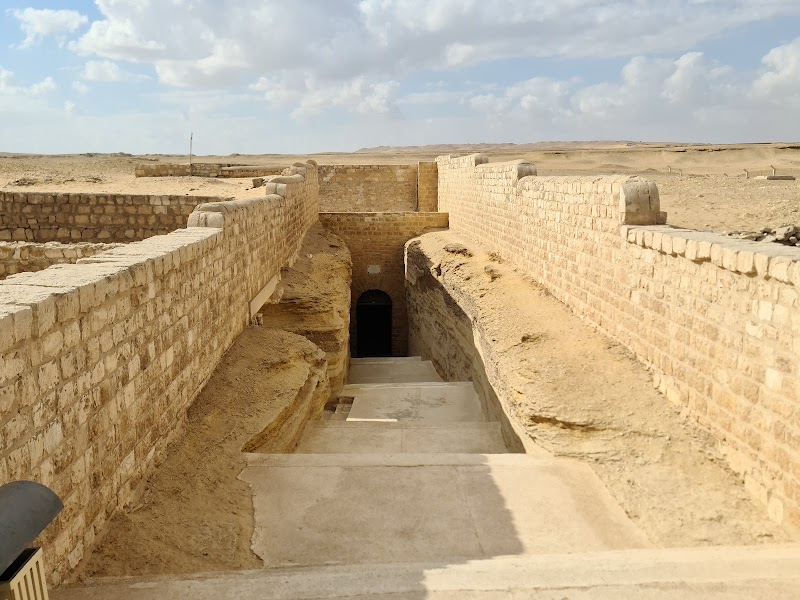
The Serapeum of Ramses II is the curveball for travelers who want ancient Egypt without defaulting to the most obvious icons. Its rock-cut underground galleries were carved for sacred bulls, which makes it a more specific and stranger historical stop than a generic ruins visit. Go with a guide, both for context and because this is not the kind of place where you want to freestyle the meaning of what you are seeing. It is best for archaeology-minded passengers who are willing to trade easy logistics for a more memorable, less standard story.
You would rather see a niche ancient site than do a light town wander.
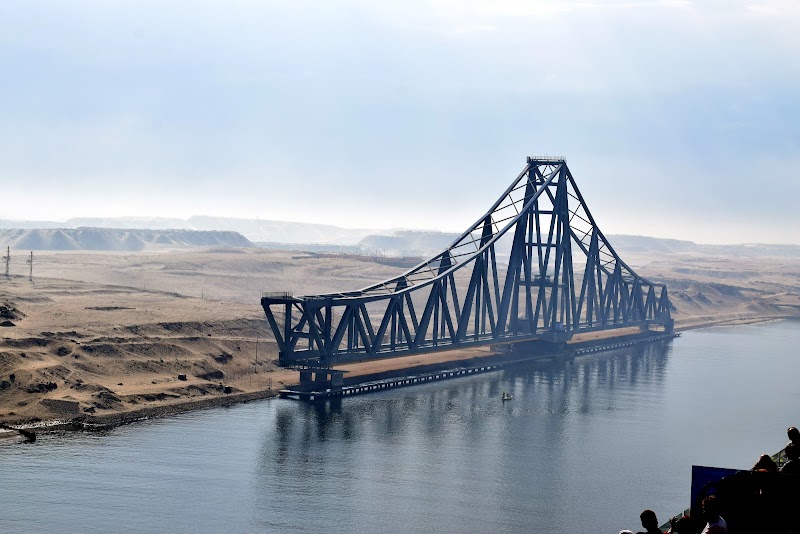
El-Ferdan Rail Bridge is one of those transit sights that rewards paying attention. The modern swing bridge adds a different kind of engineering drama to the canal: not just ships passing through water, but transport systems crossing over it. If timing lines up, seeing trains and ships share the same visual frame is exactly the sort of detail that makes this itinerary feel distinctive. It is not necessarily something to build a whole day around, but it is absolutely worth knowing about before you reach it so you are not inside at the wrong moment.
This is a transit sight, so timing matters more than planning a separate visit.
Port Tewfik Panorama is the simple visual win near the docks: canal entrance, shipping traffic, and the Sinai mountains in the distance. It works especially well if your call gives you limited time ashore or if you want a quick orientation before committing to anything farther away. The appeal is not complexity; it is perspective. You get the scale of the canal without needing a full tour, and the photo potential is obvious without being forced. For passengers who want to stretch their legs and still keep the ship close, this is the easy move.
A short-walk viewpoint is useful when the canal itself is the priority.
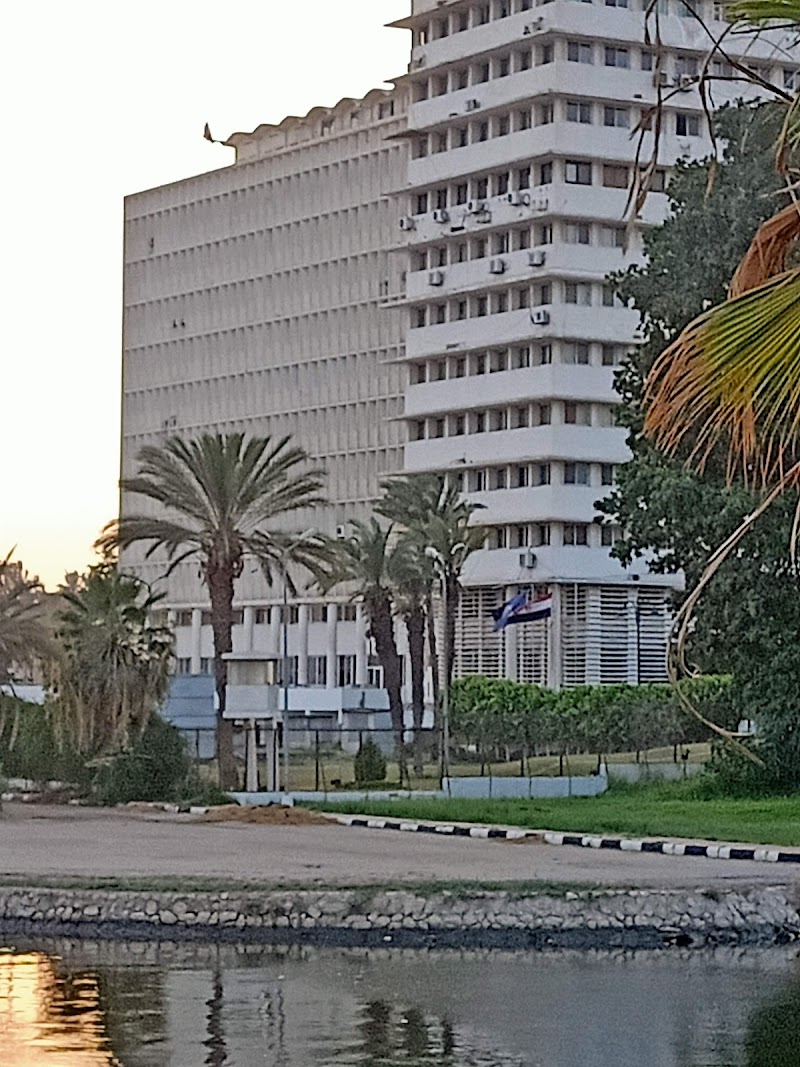
The Suez Canal Authority Visitor Center is for anyone who wants the transit to make more sense than a long line of ships. Exhibits on construction, models, and simulators turn the canal from scenery into a system, which is useful if you are traveling with curious friends, kids, or anyone who perks up at maps and machinery. Since it is described as free or low-cost and near the port, it can also be a smart add-on rather than a day-defining commitment. Pair it with a viewpoint for a tight, practical canal-focused plan.
Combine exhibits with a nearby viewpoint for a compact canal day.
Lush parks in Ismailia town with canal history museum and yacht club vibes. Relaxed stroll. Taxi-accessible.
Modern swing-bridge over canal; witness trains crossing above ships. Engineering curiosity. Visible during transit.
Military history area with views of canal and desert. Quiet spot for contemplation. Less-visited.
Exhibits on canal construction, models, and simulators. Insider engineering facts. Free or low-cost near port.