OM
Cruises to Muscat
Muscat rewards a focused port day: one major landmark, one atmospheric wander, and enough Omani texture to make the stop feel distinct.
Upcoming visits
1
Best fare
$488 per night
Muscat rewards a focused port day: one major landmark, one atmospheric wander, and enough Omani texture to make the stop feel distinct.
Find Muscat on Google Maps before you plan the port day.
Muscat is not a port where the best day is the busiest day. The city spreads its highlights across grand religious architecture, formal cultural spaces, old harbor views, market lanes, and a modern beach scene, so the smartest plan is to pick a clear rhythm before you leave the ship. Start with the Sultan Qaboos Grand Mosque if you want the signature image, then decide whether your second act is the Mutrah Souq, the opera house, Old Muscat photo stops, or a slower beach break.
What makes Muscat compelling on a cruise itinerary is the contrast. In one stop, you can move from carved stone and an enormous hand-woven carpet to spice stalls, palace gates, Portuguese-era forts, and a corniche walk. The catch is that dress codes and distances matter, especially if you are trying to visit religious or formal cultural sites. This is a port that suits travelers who like architecture, heritage, and controlled wandering more than a free-for-all party day.
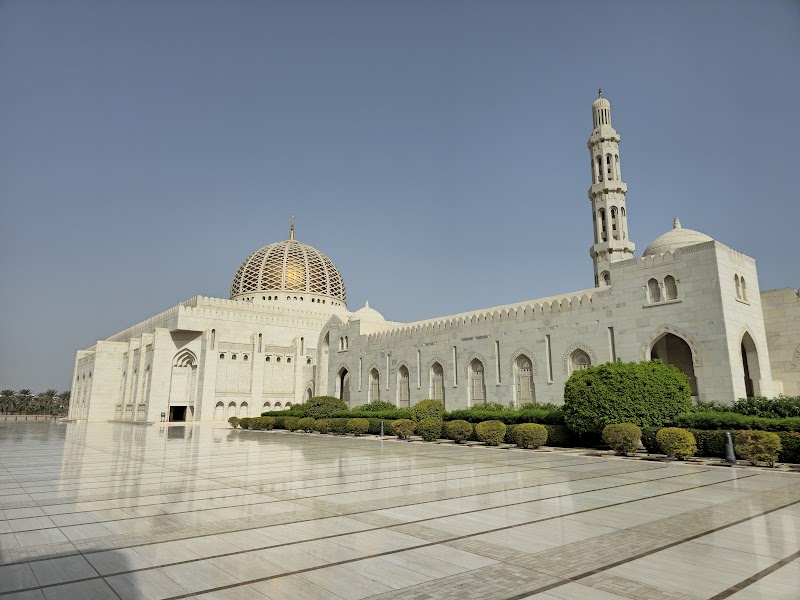
Sultan Qaboos Grand Mosque is the sight to prioritize if you want Muscat in one strong visual hit. It is about 20 minutes from the port, which makes it realistic as the first major stop rather than a distant gamble. The scale is the draw, especially the vast hand-woven carpet and the polished, highly ordered architecture. This is best for travelers who care about design, religious spaces, and photography with context. Dress modestly, and women should bring a headscarf; forgetting that detail can derail the visit fast.
Go early in your day plan and build the rest of the route around the mosque dress requirements.
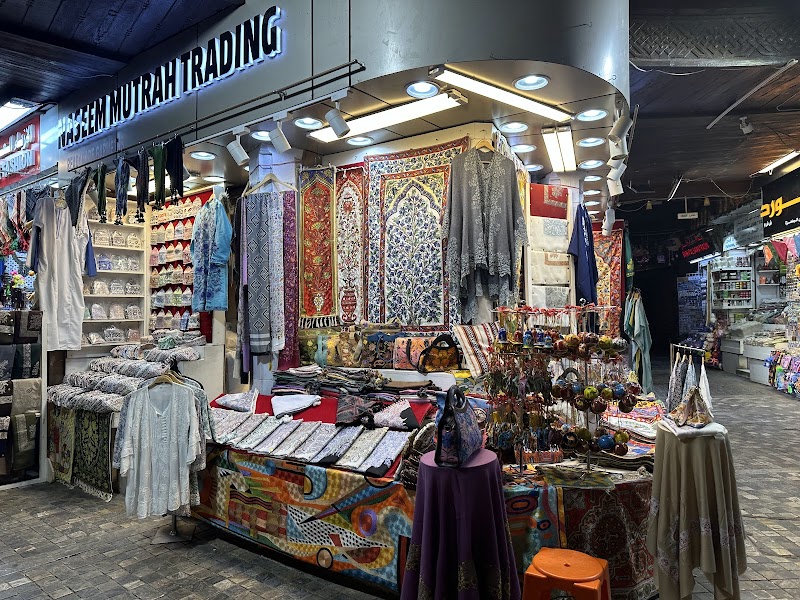
Mutrah Souq is the easiest way to add texture to a Muscat port day. The appeal is not simply buying something; it is the shift into narrow market energy, with spices, jewelry, and Omani crafts giving the stop a sensory edge after polished landmarks. It fits travelers who like bargaining, browsing, and a little unscripted movement. Because the corniche sits alongside it, this is also a smart choice if you want a market walk that can soften into a waterfront stroll instead of another transfer-heavy attraction.
Marvel at this architectural masterpiece with the world's largest hand-woven carpet. Dress modestly; women need headscarf. Iconic landmark, 20min from port.
Opulent Italianate opera house with guided tours of interiors. Cultural highlight. Dress code applies.
Bargain for spices, jewelry, and Omani crafts in this bustling market. Adjacent corniche for stroll. Essential souq experience.
Traditional Omani house museum with artifacts, costumes, and weapons. Beautiful gardens. Insight into heritage.
Current sailings visiting this port, sorted by the lowest tracked cabin price per night.
Leave room to browse slowly; the souq works better as a mood than as a checklist stop.
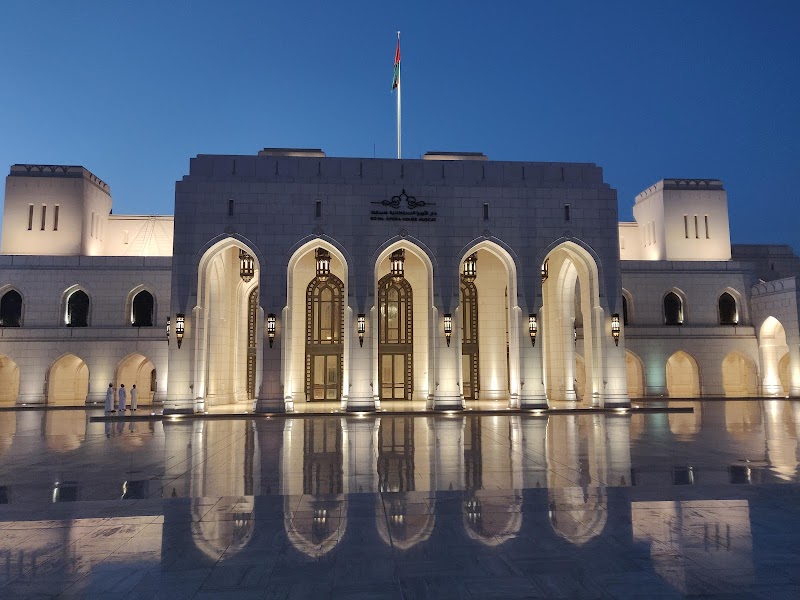
Royal Opera House Muscat is the move when you want a cultural stop that feels composed and architectural rather than chaotic. Guided tours of the interiors make it more than a drive-by facade, and the Italianate styling gives Muscat another visual register beyond mosques, markets, and forts. It is a strong fit for design people, music lovers, and anyone who prefers a curated indoor experience. There is a dress code, so pair it carefully with the mosque only if you are already dressed for more formal settings.
This is not the place to show up in beachwear after a swim stop.
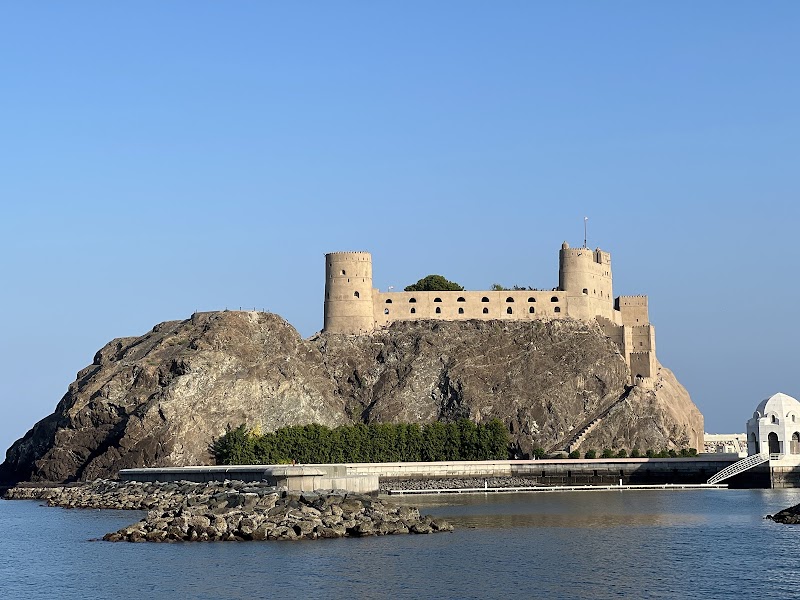
Al Jalali and Al Mirani Forts give Muscat a harder, more dramatic edge. These 16th-century Portuguese defenses overlook the harbor, so they are especially appealing if you want images with cliffs, walls, and sea rather than another interior tour. The climb makes them better for travelers who are comfortable adding some physical movement to the day. Prioritize the forts if your itinerary has been light on history or if you want a quick sense of Muscat as a guarded port city, not just a modern capital.
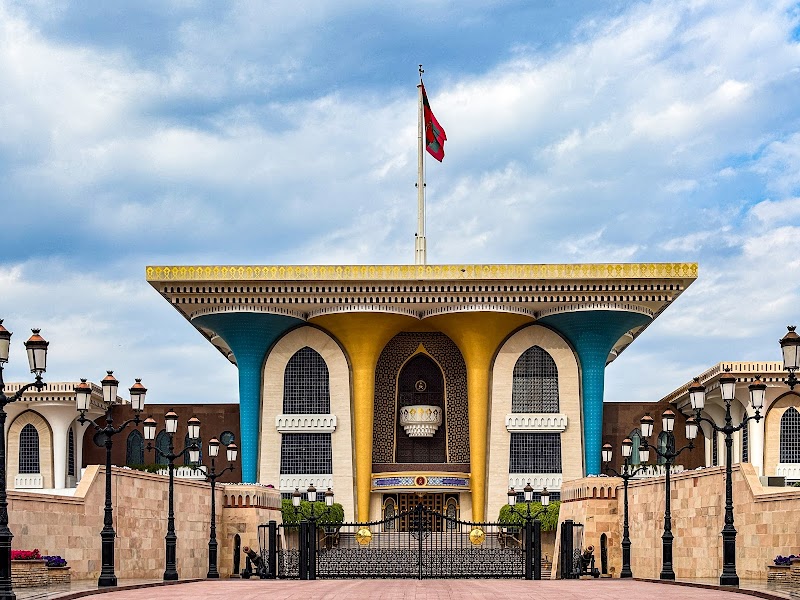
Al Alam Palace is not a long, immersive stop, and that is exactly how to use it. The colorful exterior and ceremonial gates make a clean photo moment, especially if you are building a route around Old Muscat visuals. It fits travelers who want the official face of the city without spending a lot of time inside museums or formal tours. Do not let it swallow your schedule; treat it as a punctuation mark between bigger priorities like the mosque, the souq, or the harbor forts.
Worth including for photos, but not strong enough to be the whole plan.
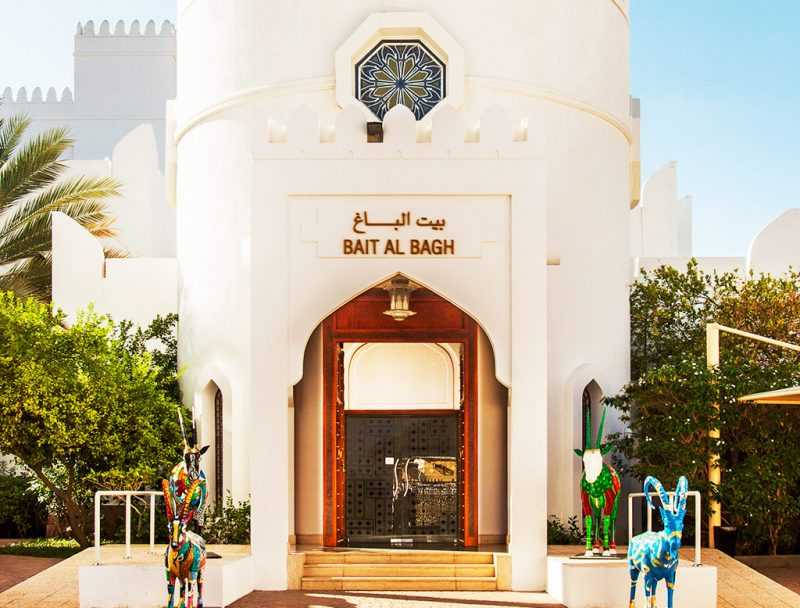
Bait Al Zubair Museum is the better choice when you want context instead of another exterior view. Set in a traditional Omani house, it brings together artifacts, costumes, weapons, and gardens, giving cruise passengers a more grounded read on local heritage. This stop fits history-curious travelers and anyone who wants an indoor break without defaulting to a generic shopping center. It is also a useful counterweight to the Grand Mosque: one shows national-scale architecture, while this museum works through smaller objects and domestic details.
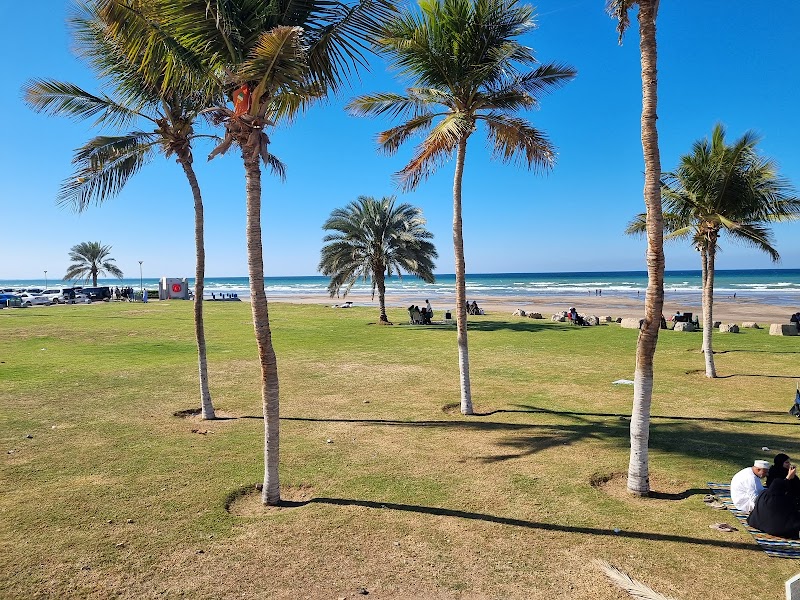
Qurum Beach is the reset button if you are not trying to turn Muscat into a full cultural sprint. The sandy shoreline, promenade cafes, swimming, and people-watching make it feel like a modern leisure stop rather than a heritage circuit. It is best for travelers who have already seen enough museums and monuments on the itinerary, or for anyone who wants a softer afternoon after the mosque or souq. Just be honest with your priorities: choosing the beach probably means skipping some of the deeper city stops.
Pair one major sight with beach time instead of trying to force in the entire city.
Relax on sandy beach with promenade cafes. Swim or people-watch. Modern leisure spot.
Climb to these 16th-century Portuguese forts overlooking the harbor. Great photo ops. Historic defenses.
Photo stop at the sultan's modern palace gates. Colorful exterior. Quick ceremonial site.
Military history from cannons to modern exhibits in old palace. Military buffs delight. Underrated gem.