GB
Cruises to South Queensferry
South Queensferry is a compact Scottish port day with one colossal bridge, proper village texture, and easy detours into estates and shoreline paths.
Upcoming visits
1
Best fare
$213 per night
South Queensferry is a compact Scottish port day with one colossal bridge, proper village texture, and easy detours into estates and shoreline paths.
Find South Queensferry on Google Maps before you plan the port day.
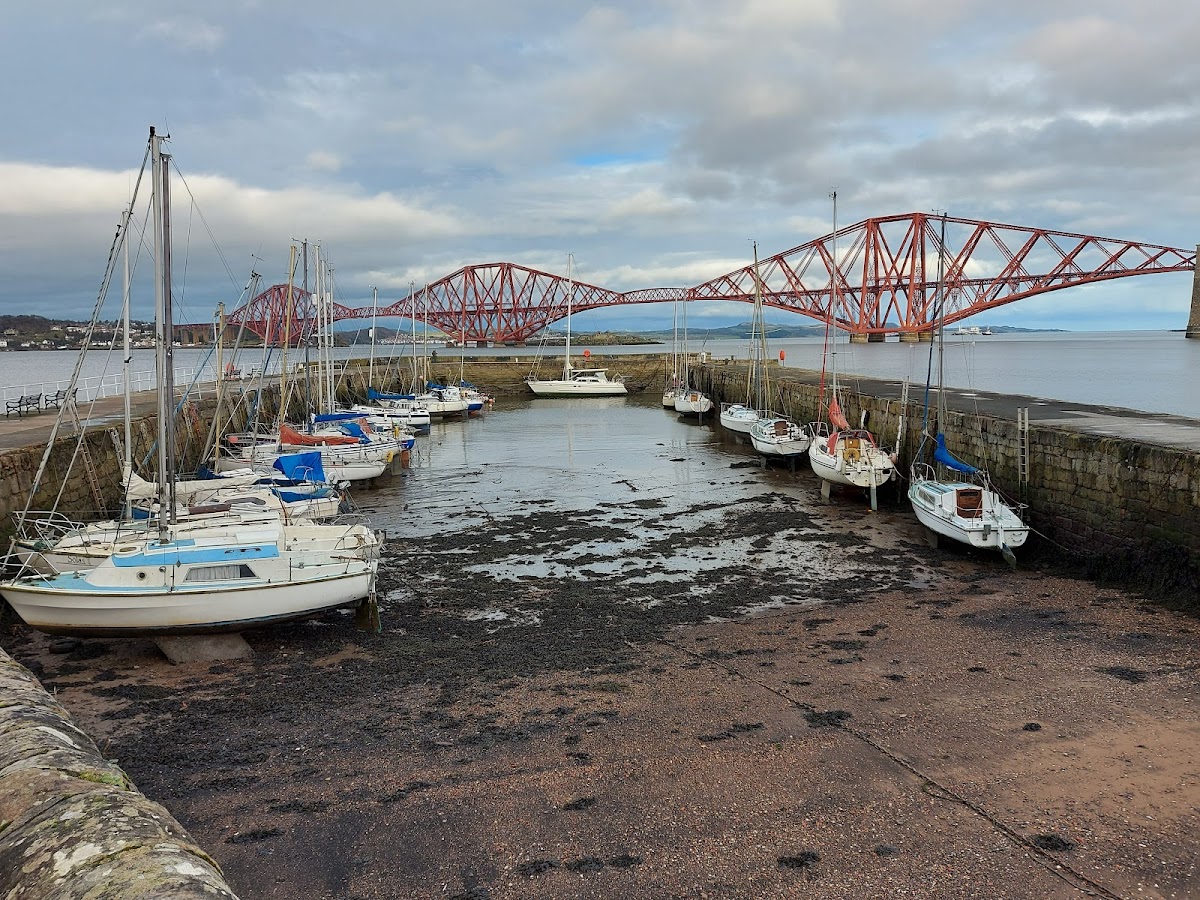
South Queensferry is not trying to be a greatest-hits city sprint, which is part of its appeal. The port sits on the Firth of Forth, where the red steel of the Forth Bridge dominates the skyline and gives the day an instant visual anchor. From there, you can keep things local: wander High Street, duck into a small museum, aim your camera at the bridges, or use the stop for a more polished estate visit. For cruise passengers, the payoff is that the good stuff is close, varied, and not dependent on an overpacked itinerary.
The trick is choosing the kind of port day you actually want before you step ashore. If the weather is clear, prioritize the bridge and viewpoints early. If you want shelter and story, fold in Queensferry Museum or an estate tour. If you are tired of bus logistics, High Street gives you pubs, seafood, historic texture, and Forth views in one compact sweep. South Queensferry works because it does not force a single personality on the call; it can be scenic, cultured, quiet, or snack-driven, depending on your energy.
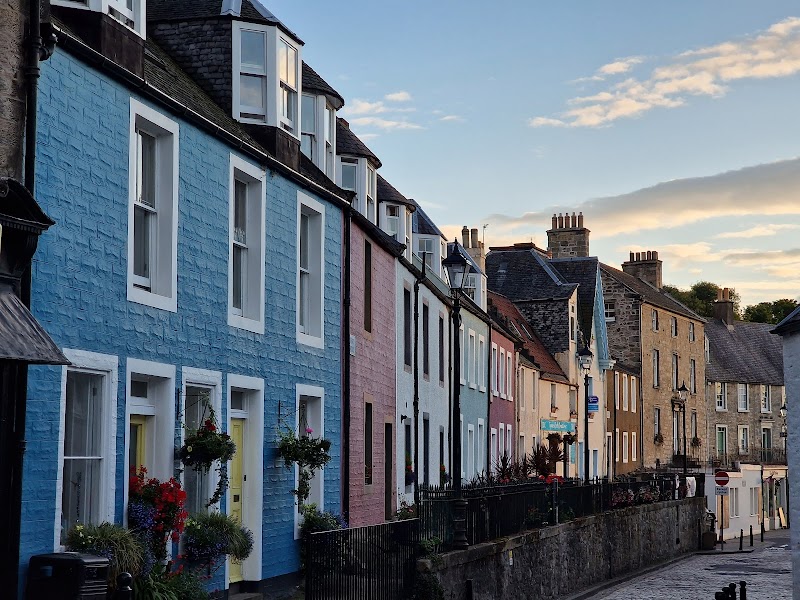
Start on South Queensferry High Street if you want the day to feel Scottish rather than scheduled. It is the easy local reset: old buildings, pubs, seafood spots, and views across the Forth without committing to a full excursion. For first-timers, this is also the best way to understand why ships call here instead of treating the port as only a transfer point. Pair it with the museum or a bridge viewpoint and you have a low-stress plan that still feels specific to the place.
Cruisers who want local texture, food stops, and Forth views without overplanning.
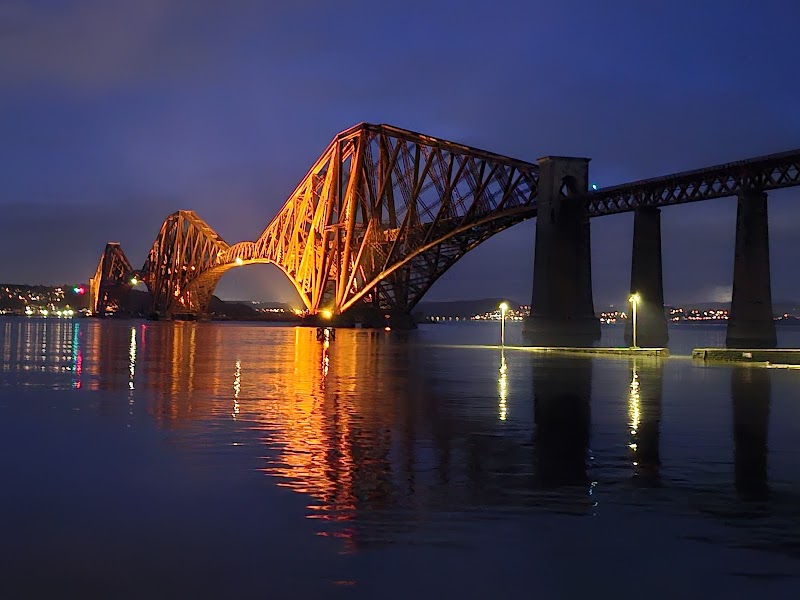
The Forth Bridge is the image you will remember: massive red cantilever steel thrown across the Firth of Forth, visible before you have done anything ashore. Because it is a UNESCO World Heritage railway bridge and a short shuttle from port, it is the obvious first priority for almost everyone, especially photographers and engineering nerds. Do not reduce it to a quick snap from the ship. Walk the nearby paths, give yourself a few angles, and let the scale do the work.
Charming coastal village street with historic buildings, pubs, and seafood spots. Wander for local flavor and Forth views. Authentic Scottish experience.
UNESCO World Heritage cantilever railway bridge, an engineering marvel over the Firth of Forth. Walk the paths for stunning views—visible from your ship. Short shuttle from port.
Grand 18th-century mansion with opulent interiors and vast gardens. Tour the state rooms and peacocks roam the grounds. Perfect half-day visit for history buffs.
Gothic Revival estate with art collection and gardens. Guided tours showcase family history. Less crowded than Hopetoun.
Current sailings visiting this port, sorted by the lowest tracked cabin price per night.
Clear weather makes the bridge and waterfront paths feel like the main event.
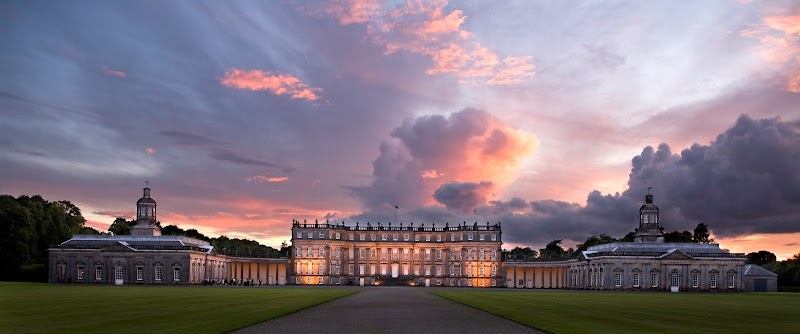
Hopetoun House is the choice for cruisers who want grandeur without turning the day into a city checklist. The 18th-century mansion brings opulent rooms, formal history, and broad gardens where peacocks roam, so it works best as a deliberate half-day rather than an add-on. History fans, architecture people, and anyone who likes estate-house drama should put it near the top. If your ideal port stop includes interiors, grounds, and a slower pace, this is the polished counterpoint to the windier shoreline sights.
History-focused travelers who would rather go deep on one estate than skim several stops.
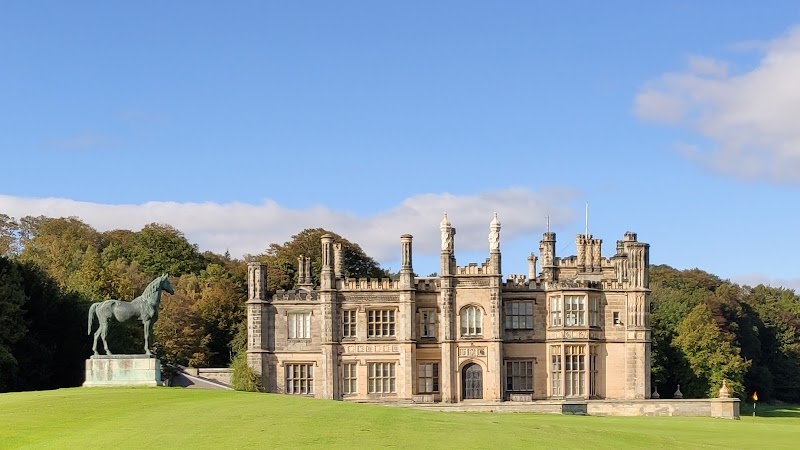
Dalmeny House is the quieter estate option, and that is its edge. The Gothic Revival setting, art collection, gardens, and guided family-history tours make it feel more intimate than a marquee mansion stop. Choose it if you are the traveler who prefers a good story and fewer crowds over the biggest name on the map. It is also a smart alternative when you want culture but do not want to spend the entire call chasing the most obvious photo.
Pick Dalmeny when you want estate atmosphere with a less obvious itinerary.
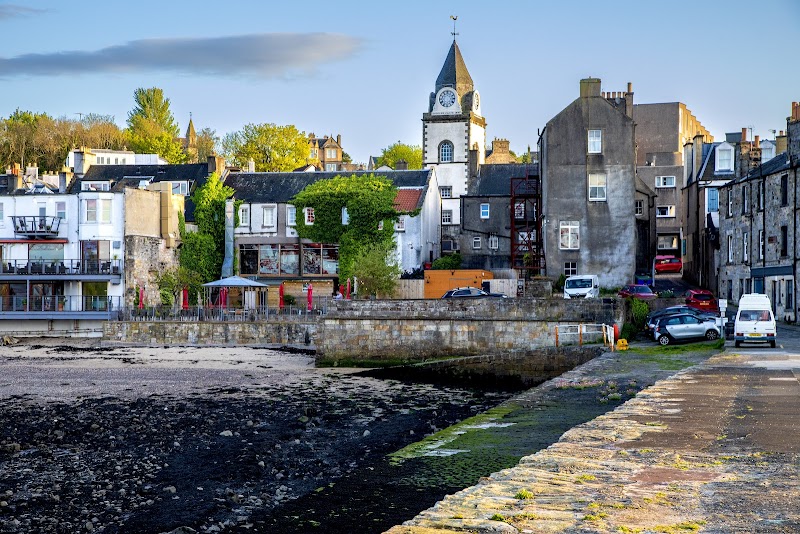
Queensferry Museum is not a day-maker, and that is exactly why it is useful. It is a quick, free stop that gives context on burgh life, ferry heritage, bridge building, and the maritime stories behind the waterfront you are walking through. Slip it between High Street and a Forth Bridge viewpoint, especially if the weather turns or you want substance without a long excursion. For curious travelers, it makes the port feel less like a pretty backdrop and more like a working place with memory.
Add it when you want context but do not want to lose the whole afternoon indoors.
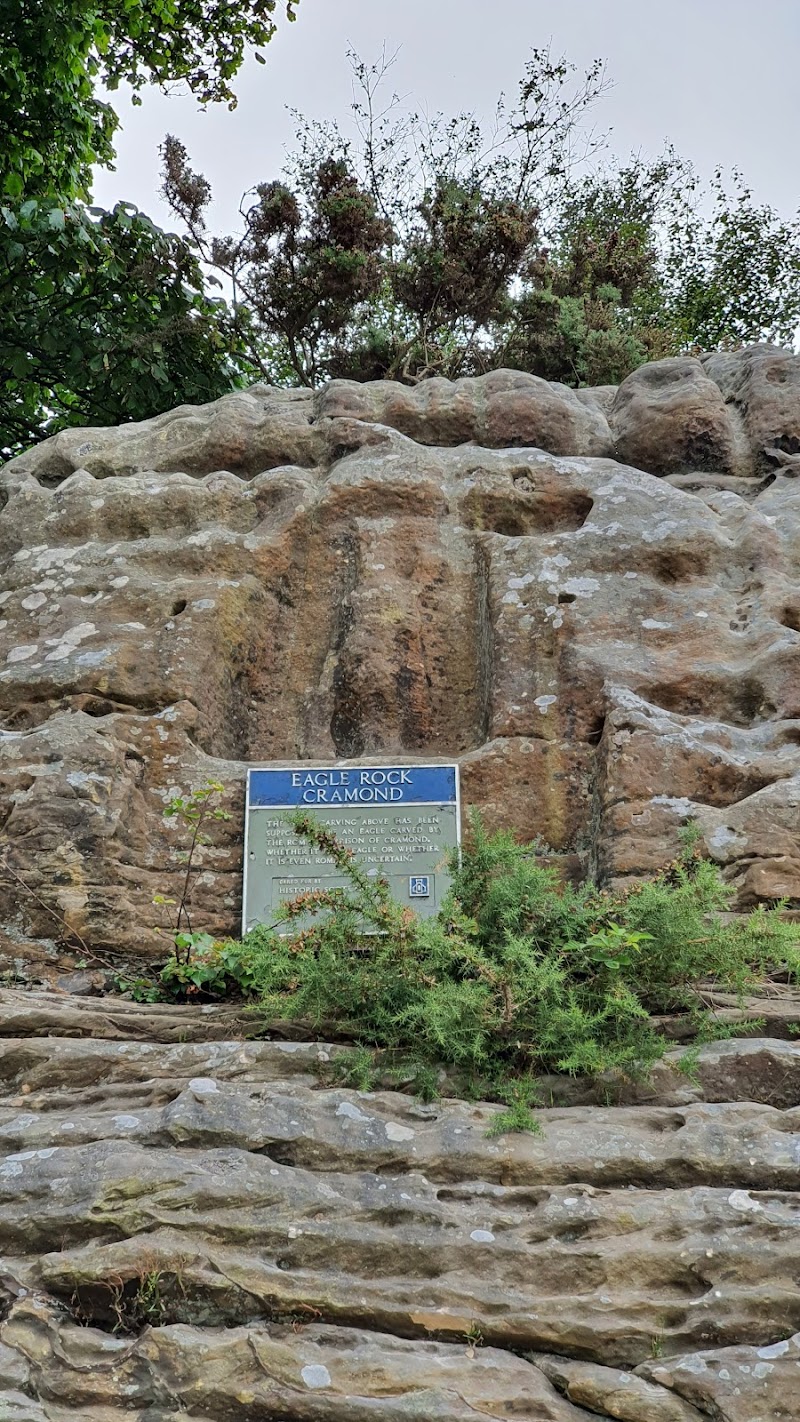
Eagle Rock viewpoint is for the person who will absolutely regret leaving without the bridge shot. The cliffside angle gives you broad views over the Firth of Forth, making it a sharper photo stop than simply pointing your camera from street level. It can be a short walk or drive, so it works as a flexible add-on rather than the spine of the whole day. Prioritize it when visibility is decent, your itinerary is light, and you want one clean visual payoff.
Worth the detour when you want a wider, more dramatic Forth Bridge frame.
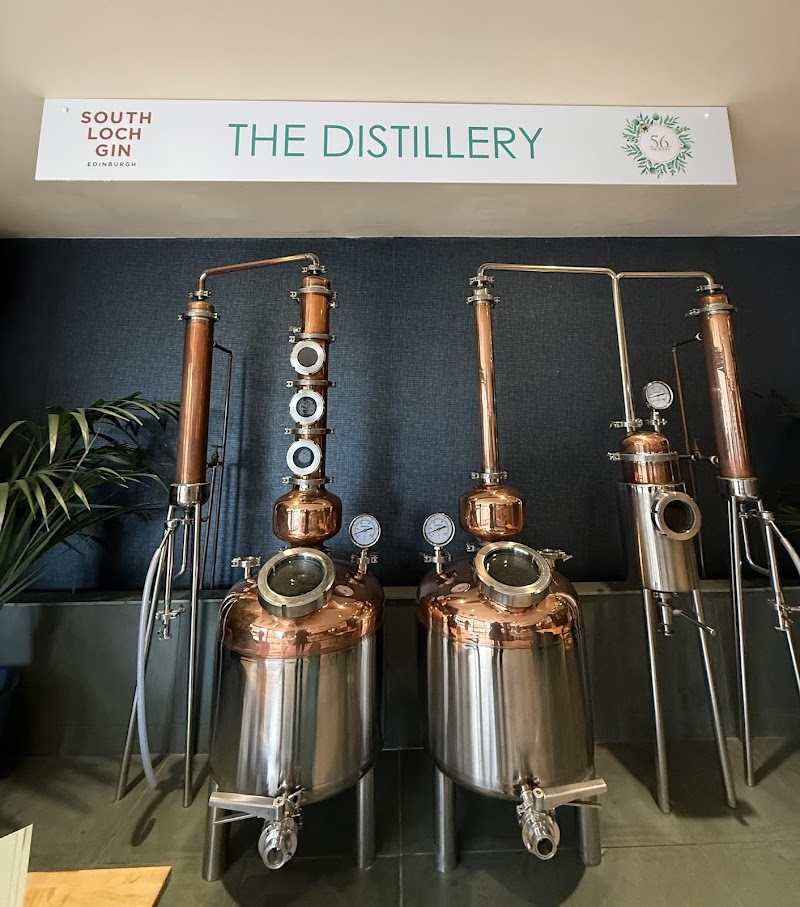
Lochrin Distillery Shop is the small, fun detour for cruisers who like their souvenirs drinkable. The appeal is not a sprawling distillery pilgrimage; it is a local gin tasting in a historic setting, with Forth-inspired spirits that tie the bottle back to the stop. Save it for after your walk or estate visit, when you want something social and compact. It is especially good for repeat Scotland visitors who would rather bring home a local flavor than another generic souvenir.
A compact tasting stop works well after views, walks, or estate time.
Local history museum on burgh life, bridge building, and maritime tales. Free entry, quick visit. Insight into ferry heritage.
Cliffside spot for panoramic Forth Bridge photos. Short walk or drive. Ideal for Instagram shots.
Quiet lane leading to secluded coves and walking paths. Beachcomb or picnic with sea views. Peaceful escape.
Ruins of 16th-century tower house by the shore. Explore at low tide for hermit history. Hidden historical gem.