NO
Cruises to Oslo
Oslo rewards a focused cruise day: roofline views, strange sculpture, medieval walls, and a waterfront that actually works between plans.
Upcoming visits
139
Best fare
$311 per night
Oslo rewards a focused cruise day: roofline views, strange sculpture, medieval walls, and a waterfront that actually works between plans.
Find Oslo on Google Maps before you plan the port day.
Oslo is one of those Northern Europe ports where the city feels designed for a clean, satisfying cruise day. You do not need to disappear into a long countryside excursion to make the stop count. The strongest version stays close to the water at first: the marble roof of the Oslo Opera House, the old stone presence of Akershus Fortress, and the polished waterfront around Aker Brygge. It is a city of sharp contrasts, with medieval walls, contemporary art, royal ceremony, and fjord views all competing for attention without requiring a chaotic plan.
The catch is that Oslo has more range than a short port call can comfortably absorb. Vigeland Sculpture Park, the Viking Ship Museum, and Holmenkollen Ski Jump are all worth considering, but they pull you away from the most compact central loop. Treat the day like a choose-your-own-priority map: architecture and waterfront for an easy urban stop, sculpture and Viking history for cultural weight, or Holmenkollen if you want the big panorama and ski-jump oddity. Oslo is not a checklist city on a cruise day. It is better when you pick a lane and leave space to look around.
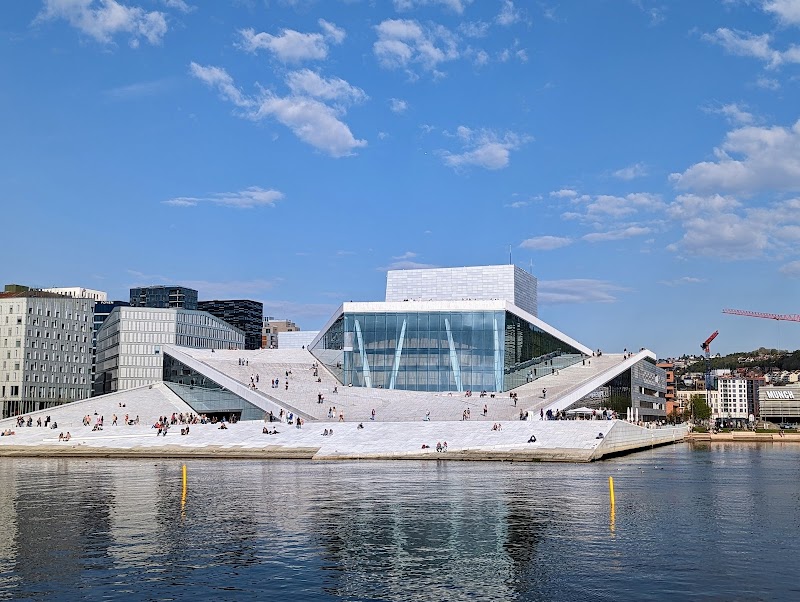
The Oslo Opera House is the rare landmark that works even if you never go inside. Its sloping marble roof is meant to be walked, giving cruise passengers an easy hit of modern architecture and fjord perspective near the port. This is the smart first stop if you want a visual anchor before deciding how ambitious to be. It fits architecture fans, photographers, and anyone who prefers a free exterior experience over a timed museum visit. Go early in your day if you can; it sets the tone for Oslo as clean-lined, public-facing, and very comfortable with the water.
Use the Opera House as your low-effort orientation point before committing to a bigger loop.
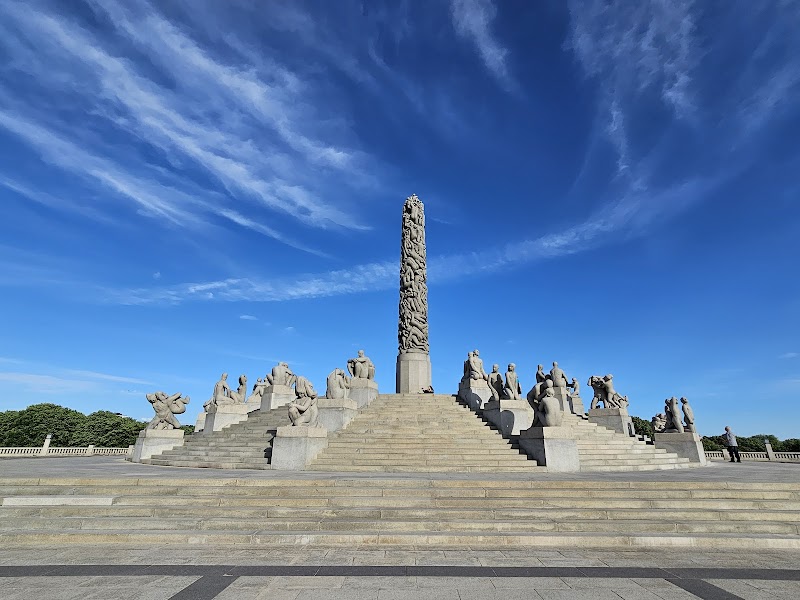
Vigeland Sculpture Park is not a polite little statue garden. Set inside Frogner Park, it is packed with more than 250 nude sculptures by a single artist, and the mood swings from tender to funny to deeply strange. For cruise passengers, the tram ride makes it a deliberate choice rather than a casual stumble, so prioritize it if you want Oslo at its most distinctive. It is especially good for travelers who like open-air art and do not want another indoor museum. Build the day around it rather than squeezing it between distant stops, because the pleasure is in wandering, not rushing past the bodies.
Walk the marble roof for fjord views; central landmark near port. Modern architecture icon. Free exterior.
250+ nude sculptures in Frogner Park; tram ride. World's largest by one artist. Whimsical wander.
Oseberg longships from 9th century; Bygdoy peninsula peninsula ferry/bus. Norse history highlight. Compact visit.
Waterfront promenade with shops and seafood; walkable. Modern Oslo vibe. Dining spot.
Current sailings visiting this port, sorted by the lowest tracked cabin price per night.
Built 2001
Southampton · Paris · Rotterdam · Amsterdam · Oslo · Copenhagen
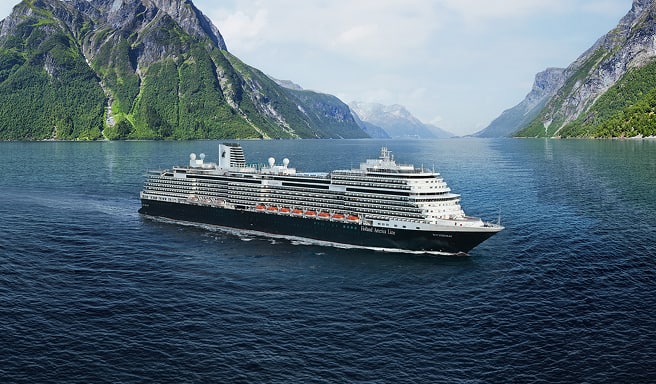
Built 2021
Fort Lauderdale · Bermuda · Falmouth · Portsmouth · Paris · Bruges · Rotterdam · Oslo · Mandal · Stavanger · Skjolden
Built 2001
Southampton · Paris · Bruges · Amsterdam · Oslo · Aarhus · Berlin · Hamburg · Copenhagen
Built 2001
Copenhagen · Gothenburg · Oslo · Hamburg · Amsterdam · Paris · Southampton
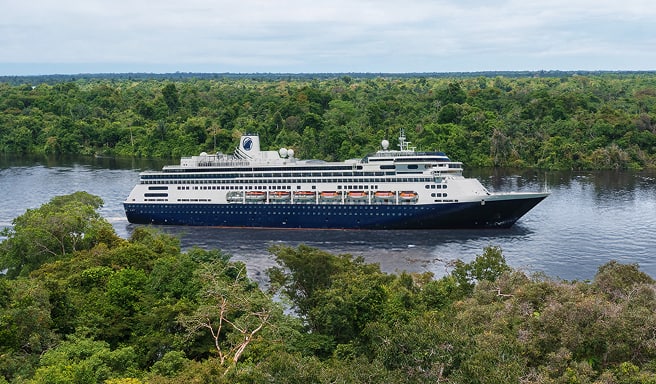
Built 1999
Rotterdam · Oslo · Copenhagen · Aarhus · Dover · San Juan · Fort Lauderdale
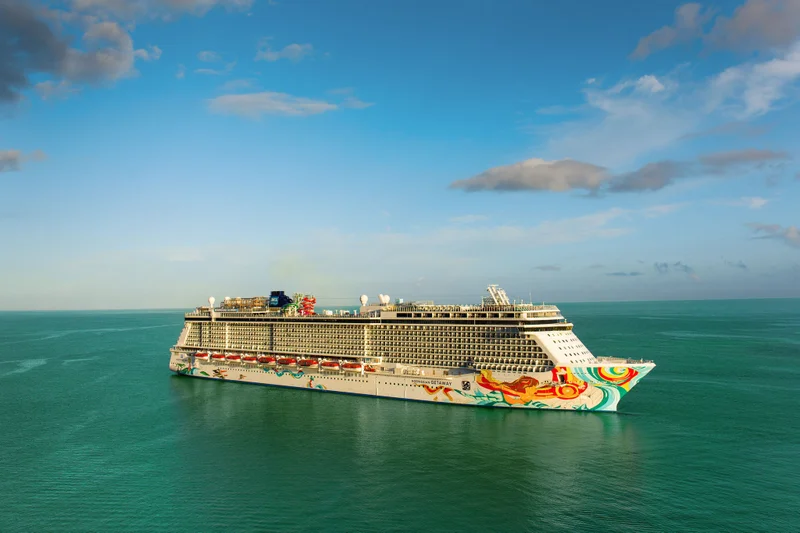
Built 2014
Copenhagen · Oslo · Berlin · Hamburg · Gdansk · Klaipeda · Stockholm · Tallinn · Helsinki
Built 2020
Amsterdam · Oslo · Stockholm · Tallinn · Helsinki · Visby · Copenhagen · Aarhus
Built 2020
Amsterdam · Oslo · Skagen · Stockholm · Tallinn · Helsinki · Copenhagen
Built 2020
Amsterdam · Oslo · Skagen · Stockholm · Tallinn · Helsinki · Copenhagen
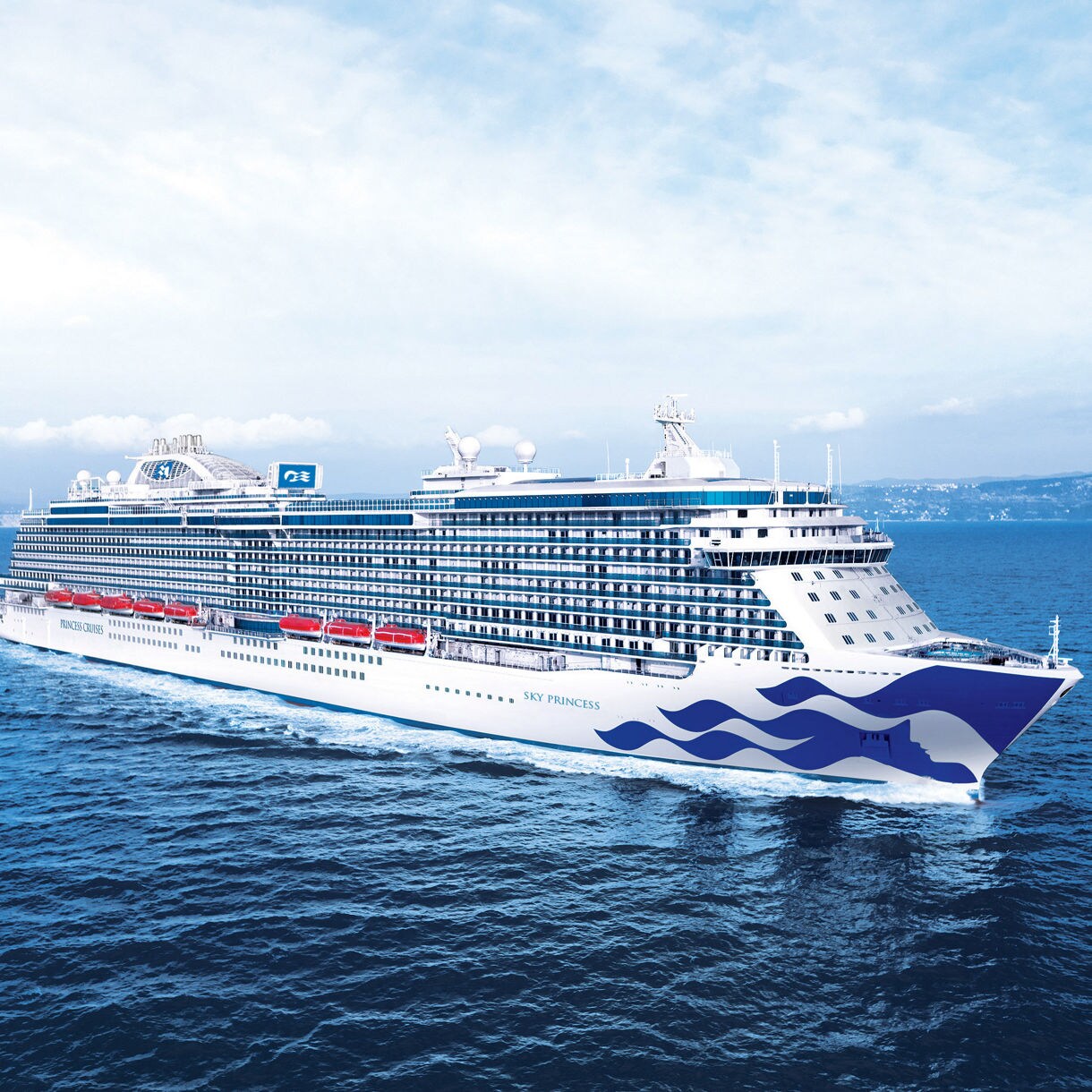
Built 2019
Southampton · Hamburg · Copenhagen · Skagen · Oslo · Rotterdam · Bruges · Paris
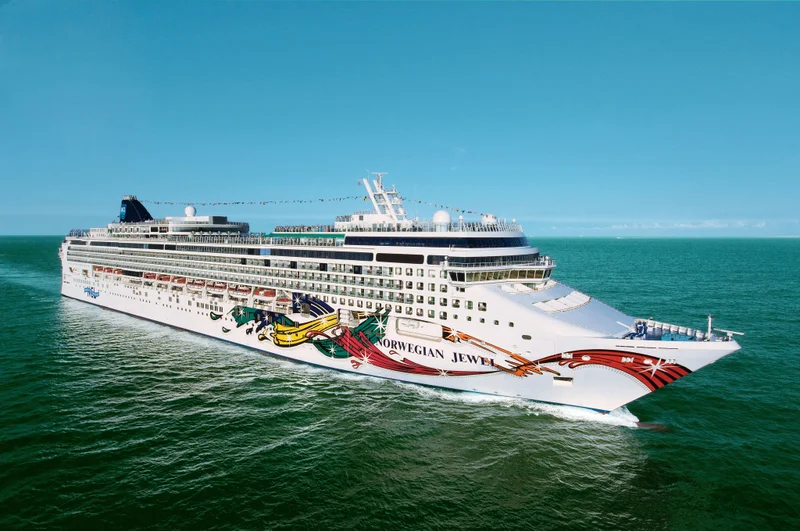
Built 2005
Copenhagen · Gothenburg · Oslo · Hamburg · Amsterdam · Bruges · Paris · Southampton
Built 2020
Amsterdam · Oslo · Skagen · Tallinn · Stockholm · Copenhagen
Ideal for open-air art lovers and travelers who want something unmistakably Oslo.
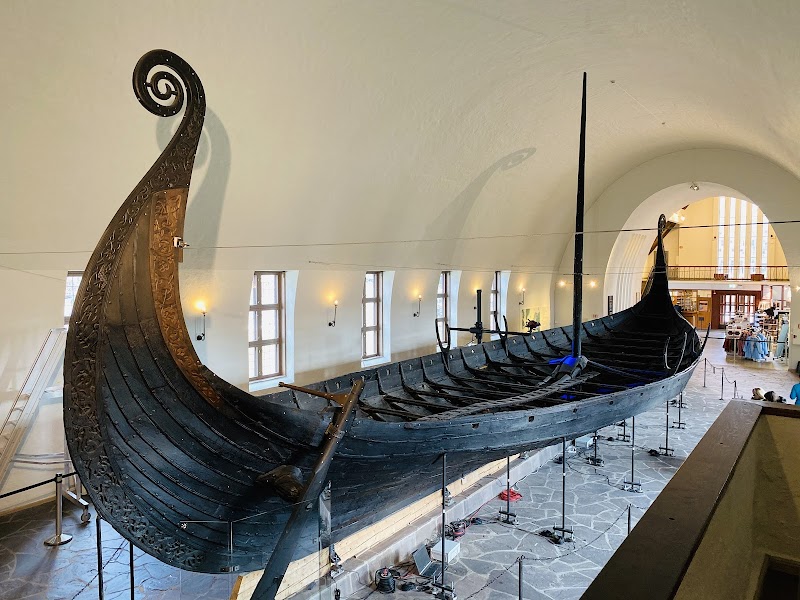
The Viking Ship Museum is the cleanest way to put deep Norse history into a cruise stop. Its headline draw is the Oseberg longship from the 9th century, and the visit is compact enough that it does not have to eat the whole day. The tradeoff is location: it sits on the Bygdoy peninsula, reached by ferry or bus, so you need to account for that move. This is a strong pick for history-focused travelers, families with curious kids, or anyone who wants one major museum rather than a scattershot city walk. Pair it with a simpler waterfront plan afterward.
Bygdoy takes intention. Do it for Viking history, not as an afterthought.
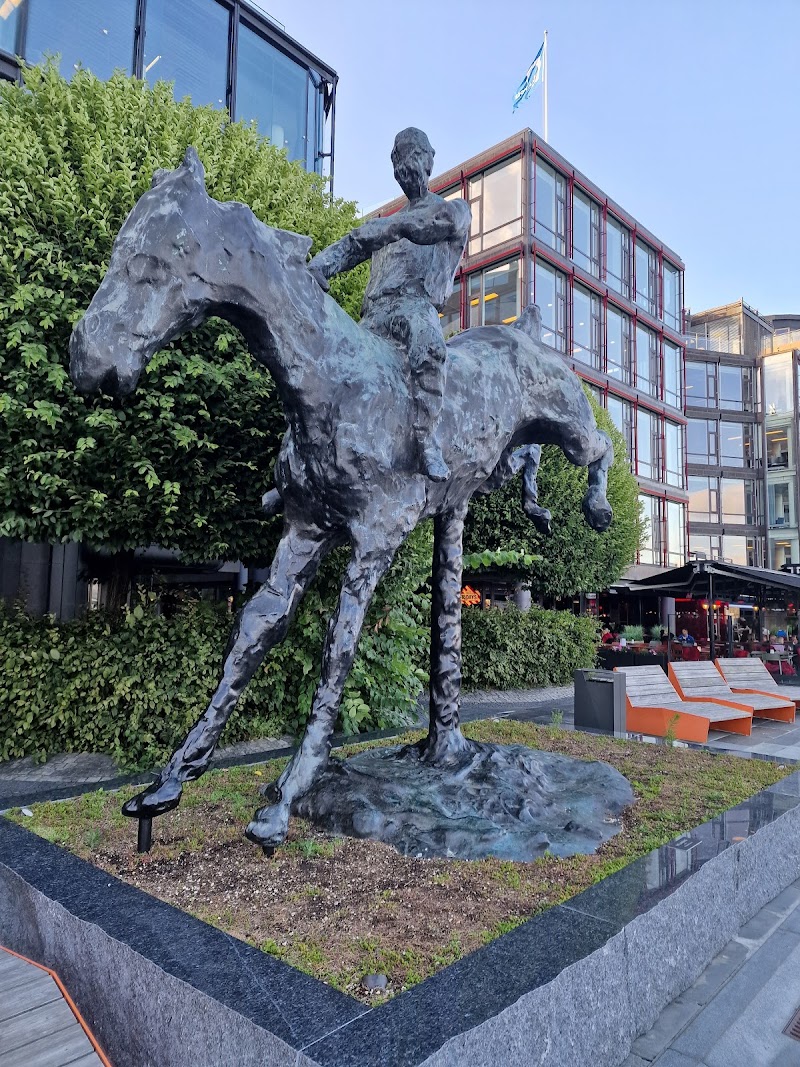
Aker Brygge is the place to let the day loosen up. The waterfront promenade brings together shops, seafood, and a more current Oslo mood, and it is walkable enough to work as a flexible buffer between bigger sights. This is not the stop to over-intellectualize; it is where you pause, eat, people-watch, and reset your pace. It fits travelers who want a city day without constant transit, or anyone traveling with a group that needs an easy meeting point. If your cruise call is short, Aker Brygge plus the Opera House and Akershus Fortress can make a strong low-stress route.
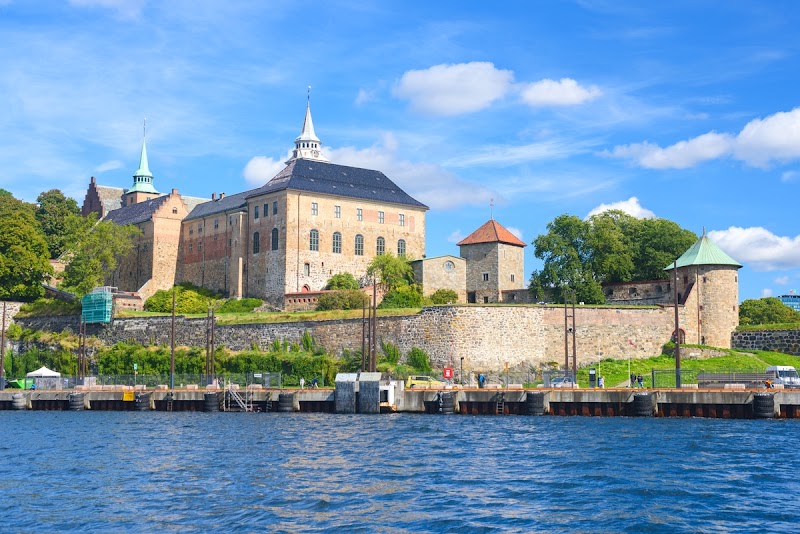
Akershus Fortress gives Oslo some grit after all that polished waterfront design. The medieval castle grounds are free to explore, with guards, stone walls, and city views that make it an easy historical stroll rather than a full excursion. It is a strong add-on for cruise passengers because it delivers atmosphere without a complicated plan. Go if you like castles, military history, or viewpoints, or if you want a central sight that balances the Opera House nicely. It is also a useful choice when the weather is decent and you would rather keep moving outdoors than commit to another ticketed stop.
Akershus is the central history stop that does not demand your whole port day.
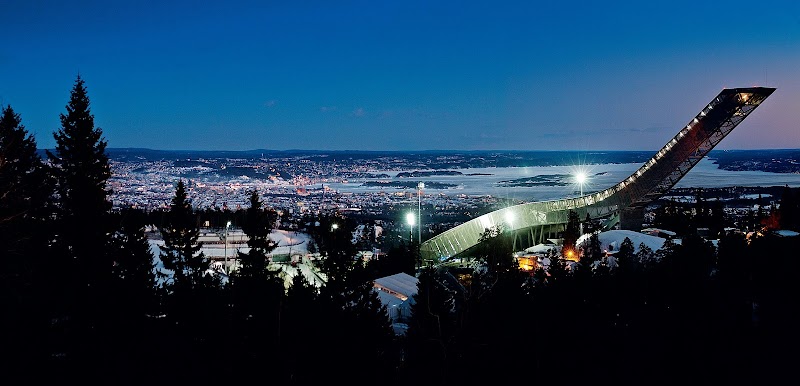
Holmenkollen Ski Jump is the bold, out-of-the-center choice. The jump tower is an Olympic-legacy landmark with a simulator and wide panorama, and it makes Oslo feel less like a capital checklist and more like a city built around winter sport and elevation. Because it sits on the outskirts and involves a bus ride, it is best for travelers who are happy to trade central convenience for one big visual payoff. Do not pair it with every other major sight unless your port time is generous. Pick it if you want the oddity, the view, and a different angle on Norway.
Medieval castle with guards; free grounds. City views. Historical stroll.
Neoclassical palace with changing guards; sloped walk. Public gardens pretty. Royal glimpse.
Iconic jump tower with simulator; outskirts bus. Olympic legacy. Panoramic.
Interactive exhibits in old train station; central. Peace laureates' stories. Thought-provoking.