JP
Cruises to Ishinomaki
Ishinomaki is best when you pick a lane: coastal scenery, temple calm, manga culture, seafood, or a wilder boat-and-island detour.
Upcoming visits
7
Best fare
$194 per night
Ishinomaki is best when you pick a lane: coastal scenery, temple calm, manga culture, seafood, or a wilder boat-and-island detour.
Find Ishinomaki on Google Maps before you plan the port day.
Ishinomaki is not a port that rewards a lazy "see everything" checklist. The good stuff sits in distinct moods: Matsushima Bay for the postcard-level coastal view, Zuigan-ji Temple for quiet structure and art, the Mangattan Museum for pop culture with local weight, and the fish market for a fast hit of everyday flavor. A cruise stop here can feel surprisingly varied, but only if you choose a clear anchor instead of bouncing between unrelated ideas.
The smartest plan depends on your tolerance for logistics. If you want the most visually memorable day, build around Matsushima Bay and nearby Zuigan-ji. If you are traveling with manga fans or want something less temple-and-scenery coded, stay closer to Ishinomaki's pop culture and seafood side. More adventurous passengers can look at boat tours to sea caves or a ferry to Kinkasan Island, but those should be treated as main events, not casual add-ons.
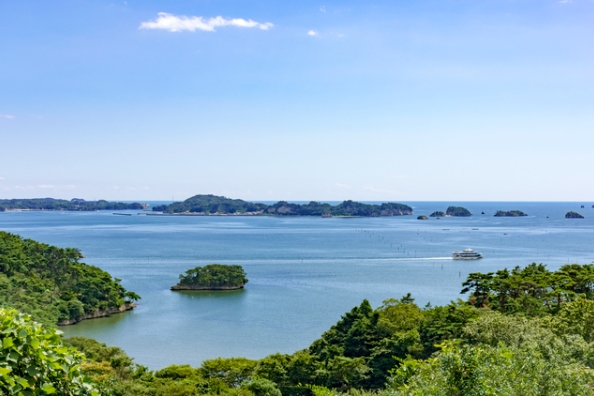
Matsushima Bay is the stop to prioritize if you want the day to look unmistakably Japanese coastal: pine-topped islets scattered across the water, best appreciated from a boat rather than a passing glance. It is the obvious choice for photographers, first-time visitors, and anyone who wants one big scenic memory from the call. Because the bay experience is about pacing and weather as much as sightseeing, do not cram it between too many other plans. Pair it with one nearby cultural stop and let the coastline carry the day.
Travelers who want the most visually distinctive port day.
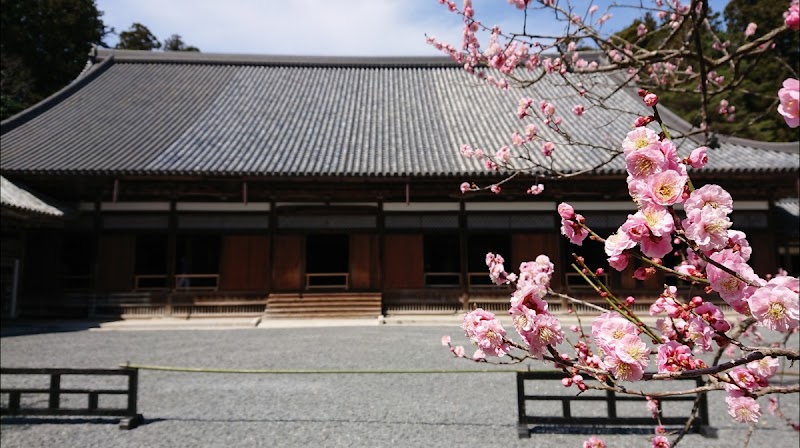
Zuigan-ji Temple gives a Matsushima plan the right counterweight: rock gardens, painted screens, and samurai Matsudaira tombs instead of another waterside photo stop. It fits travelers who like their port days quieter and more textured, especially if you are temple-curious but do not want a marathon of religious sites. The appeal is in the controlled calm: composed gardens, interior art, and a sense of old power held in restraint. If your sailing has several busy city ports, this is where you slow the tempo without making the day feel empty.
Zen rock gardens, painted screens. Samurai Matsudaira tombs. Serene elegance.
Giant manga statues, exhibits on creator Motoyasu. Pop culture fun. Quake recovery symbol.
260 pine-clad islets boat cruise, Japan's top scenic view. Haiku inspiring. Coastal masterpiece.
Fresh sashimi tastings, auctions. Seafood frenzy. Culinary dive.
Current sailings visiting this port, sorted by the lowest tracked cabin price per night.
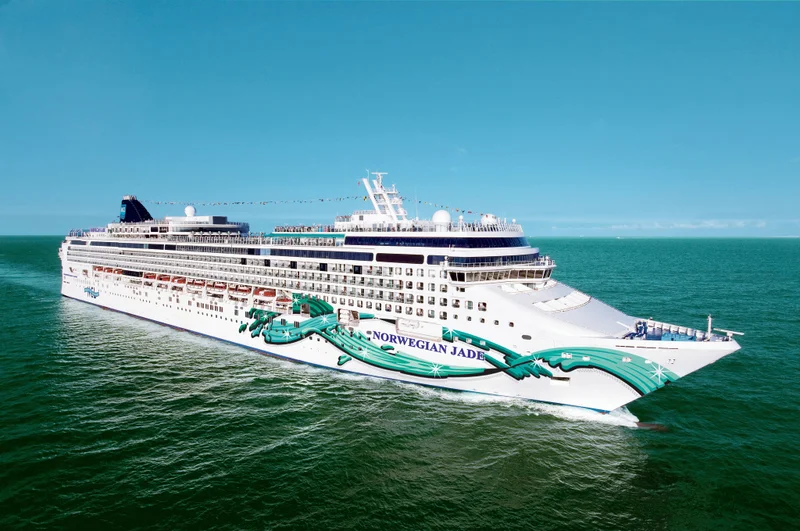
Built 2006
Tokyo · Ishinomaki · Hakodate · Hubbard Glacier · Icy Strait Point · Juneau · Skagway · Ketchikan · Vancouver
Built 2006
Tokyo · Ishinomaki · Hakodate · Icy Strait Point · Juneau · Skagway · Ketchikan · Vancouver
Built 2006
Tokyo · Mount Fuji · Nagoya · Kobe · Ishinomaki · Hakodate · Akita · Kanazawa · Maizuru · Seoul
Built 2006
Tokyo · Ishinomaki · Hakodate · Aomori · Akita · Niigata · Kanazawa · Busan · Shimonoseki · Hiroshima · Kochi · Osaka · Nagoya · Mount Fuji
Built 2006
Tokyo · Nagoya · Mount Fuji · Osaka · Kochi · Hiroshima · Kagoshima · Nagasaki · Busan · Sakaiminato · Kanazawa · Akita · Hakodate · Ishinomaki
Built 2006
Tokyo · Mount Fuji · Nagoya · Kobe · Beppu · Hiroshima · Kagoshima · Nagasaki · Busan · Kanazawa · Akita · Hakodate · Ishinomaki
Built 2006
Tokyo · Ishinomaki · Hakodate · Aomori · Akita · Sakata · Kanazawa · Busan · Shimonoseki · Hiroshima · Kochi · Osaka · Nagoya · Mount Fuji
Matsushima Bay plus Zuigan-ji makes the cleanest culture-and-scenery combo.
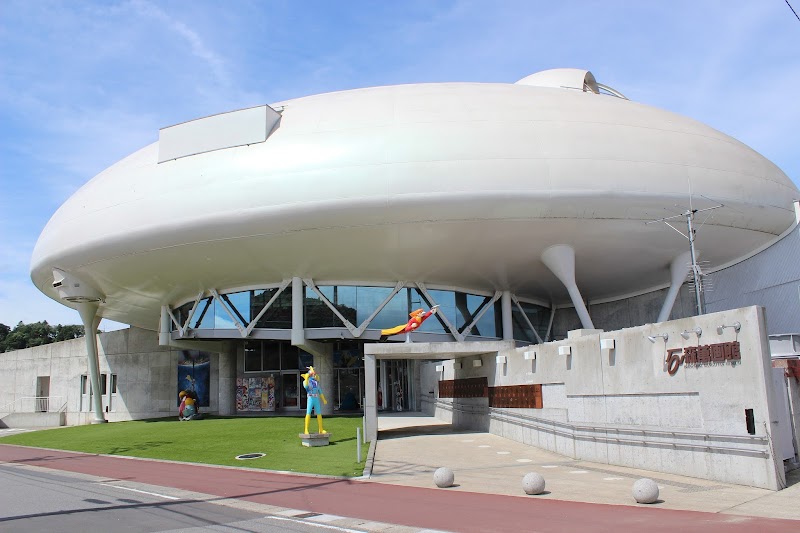
The Ishinomaki Mangattan Museum is the port's most personality-forward stop. Giant manga statues and exhibits tied to creator Motoyasu make it a strong pick for anime and manga fans, families, and anyone who would rather spend the day somewhere playful than solemn. It also carries a more serious layer as a local symbol of recovery after the quake, which keeps it from feeling like a throwaway novelty. Choose this if you want Ishinomaki itself to define the day, not just the famous scenery around it.
Manga fans, families, and travelers who want a local cultural curveball.
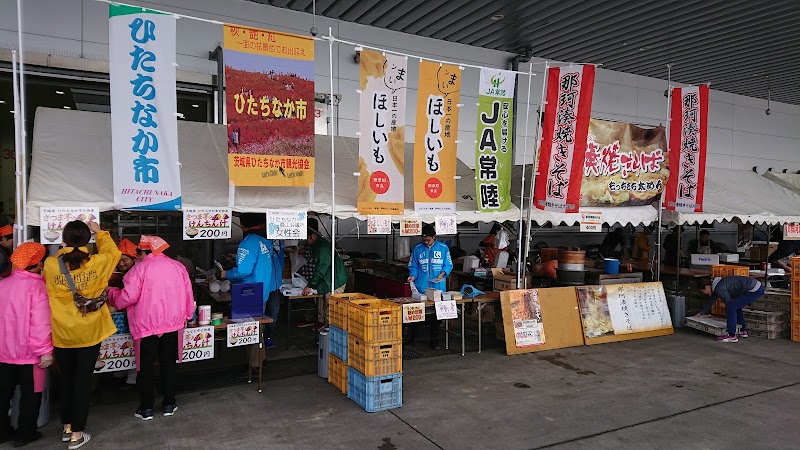
Ishinomaki Fish Market is not the polished, slow-lunch version of seafood. It is better as a direct dive into the port's working food culture, with auctions and fresh sashimi tastings giving the stop a bit of motion and edge. Food-focused passengers should consider it early in the day rather than as an afterthought, because markets tend to feel most alive when the trading energy is still present. It pairs well with the Mangattan Museum for a compact Ishinomaki-focused plan that avoids overextending the day.
Do the market when you want energy, not as a tired final stop.
Godica Cave is for passengers who would rather board a smaller boat than browse another museum. The draw is the mix of sea caves, stalactites, shrines, and tide-shaped atmosphere, which gives the day a more elemental feel. It is also the kind of excursion where timing matters: boat tours are less forgiving than a walk-up attraction, and conditions can shape the experience. Make it a priority only if the cave itself is the point of your day. As a backup plan squeezed between bigger stops, it is likely to feel rushed.
Best as a dedicated boat-tour day, not a filler activity.
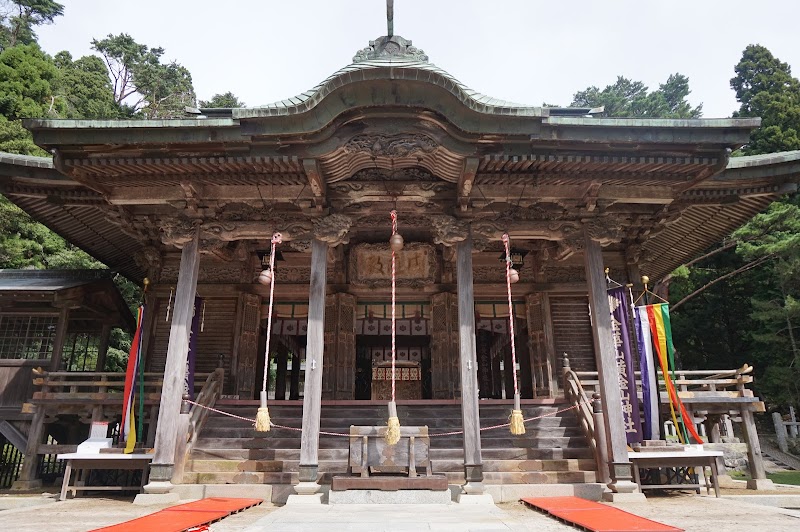
Kinkasan Island sounds like the romantic wild card: a ferry ride to a shrine island with deer and trails. That combination is exactly why it needs respect. This is not a casual "maybe after lunch" add-on for most cruise passengers; the ferry element means your schedule has to be built around it. It fits travelers who like sacred landscapes, wildlife, and a little separation from the standard port circuit. If you are risk-averse about getting back to the ship, choose a more contained plan around Ishinomaki or Matsushima instead.
You want the island to be the main story of the day.
Sea caves boat tour, stalactites, shrines. Mysterious tides. Cavern thrill.
Aquarium with whale skeletons, touch pools. Educational marine. Ocean insights.
Quiet sands, driftwood art. Relaxed walks. Local shore.
Deer-filled shrine isle ferry, trails. Sacred wildlife. Pilgrim isle.