JP
Cruises to Sakata
Sakata is a quieter Japan port where canals, rice-trade history, seafood, and small museums reward a focused, unhurried plan.
Upcoming visits
8
Best fare
$332 per night
Sakata is a quieter Japan port where canals, rice-trade history, seafood, and small museums reward a focused, unhurried plan.
Find Sakata on Google Maps before you plan the port day.
Sakata is not the Japan port for blockbuster skyline chasing, and that is exactly its appeal. A cruise stop here is more about texture: old merchant houses, canal-side warehouses, seafood counters, and a port-town rhythm that feels specific rather than staged. The strongest day is not a sprint through every listing. It is a tight route built around the citys rice-trade history, with one or two softer stops layered in for food, art, or a view over the water.
For cruise passengers, Sakata works best if you treat it as a place to read closely. The details are the point: warehouse lines reflected in canals, lacquerware in a quiet museum, a preserved Edo-period interior, a market breakfast that does not need a long explanation. If your itinerary already includes bigger cities, Sakata can be the reset button. If you want shopping malls and marquee attractions, it may feel understated. Choose it for craft, local flavor, and a slower kind of visual memory.
The Maiko Canal Boat Tour is the cleanest way to understand Sakata quickly. Instead of using your port time on a generic orientation loop, you get the city from the water, moving through historic canals edged by warehouse architecture. The traditional pole boat element gives it a strong sense of place without requiring much effort, which is useful on a cruise day when energy and timing matter. Prioritize this if you want the most visually immediate Sakata experience, especially if your ideal port stop includes history but not a museum-heavy schedule.
Start on the canal if you want Sakata to make visual sense fast.
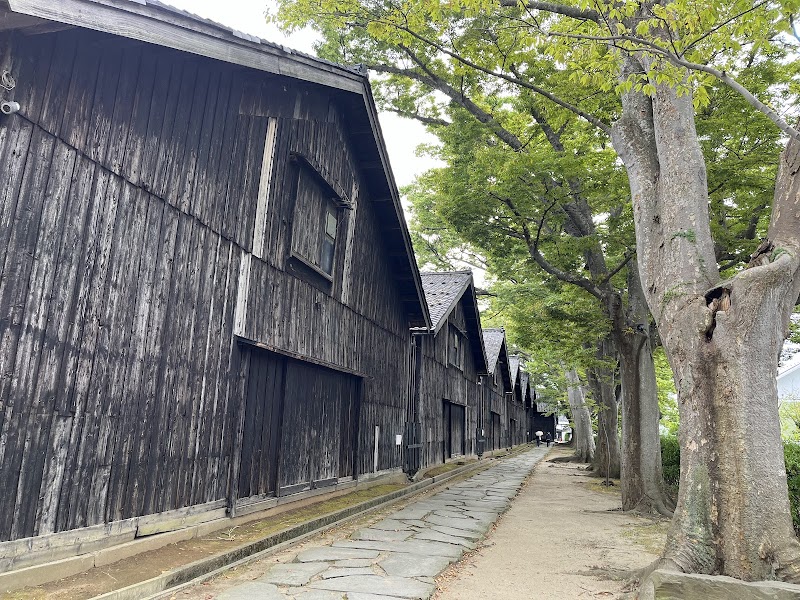
Sankyo Soko Rice Warehouse gives the port its industrial backbone. The restored warehouses now frame the story of the rice trade, which is the kind of local context that can turn a pretty stop into a memorable one. This is a smart pick for travelers who like working buildings, trade history, and places that photograph well without feeling overly polished. If your day is short, pair it with the canal boat rather than trying to add every cultural site in town. The warehouse setting is one of Sakatas clearest signatures.
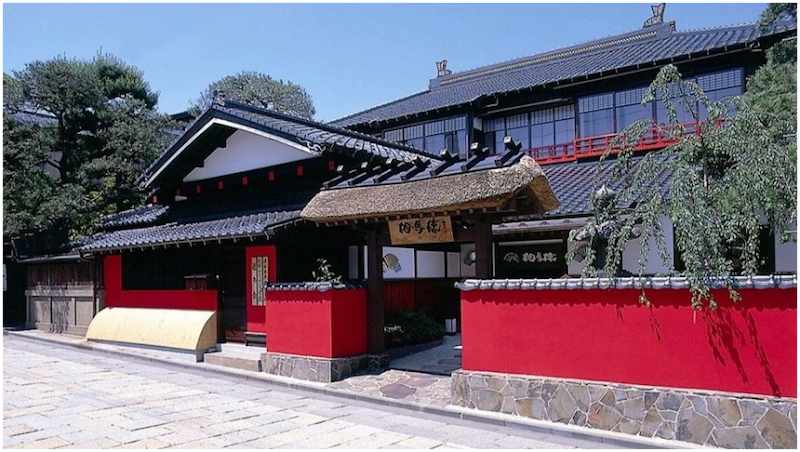
Edo-period merchant home preserved perfectly. Insight into samurai life. Historic must.
Scenic cruise through historic canals lined with warehouses. Traditional pole boat. Quintessential Sakata.
Restored warehouses now museums on rice trade. Climb for views. Industrial heritage.
Collection of local art and lacquerware. Peaceful viewing. Cultural hub.
Current sailings visiting this port, sorted by the lowest tracked cabin price per night.
Built 2004
Tokyo · Toba · Nagasaki · Busan · Sakaiminato · Maizuru · Toyama · Sakata · Hakodate · Miyako · Hitachinaka
Built 2004
Tokyo · Yatsushiro · Busan · Nagasaki · Kagoshima · Beppu · Matsuyama · Kochi · Osaka · Tokushima · Mount Fuji · Toba · Sakaiminato · Maizuru · Toyama · Sakata · Hakodate · Miyako · Hitachinaka
Built 2004
Tokyo · Toba · Nagasaki · Busan · Sakaiminato · Maizuru · Toyama · Sakata · Hakodate · Miyako · Hitachinaka · Aomori · Muroran
Built 2004
Tokyo · Aomori · Sakata · Kanazawa · Sakaiminato · Busan · Nagasaki · Kagoshima · Beppu · Kochi · Osaka · Mount Fuji
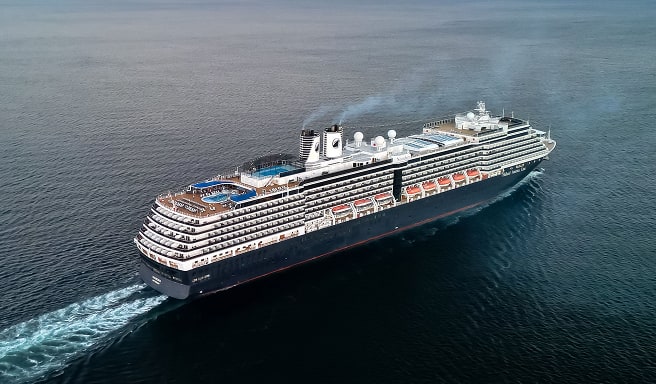
Built 2006
Tokyo · Kobe · Kochi · Kagoshima · Fukuoka · Sokcho · Kanazawa · Sakata · Hakodate · Aomori · Miyako · Kushiro · Kodiak · Sitka · Ketchikan · Prince Rupert · Seattle
Built 2006
Tokyo · Mount Fuji · Osaka · Hiroshima · Busan · Sakaiminato · Maizuru · Kanazawa · Hakodate · Miyako · Hitachinaka · Kobe · Kochi · Kagoshima · Fukuoka · Sokcho · Sakata · Aomori
Built 2006
Tokyo · Kobe · Kochi · Kagoshima · Fukuoka · Sokcho · Kanazawa · Sakata · Hakodate · Aomori · Miyako
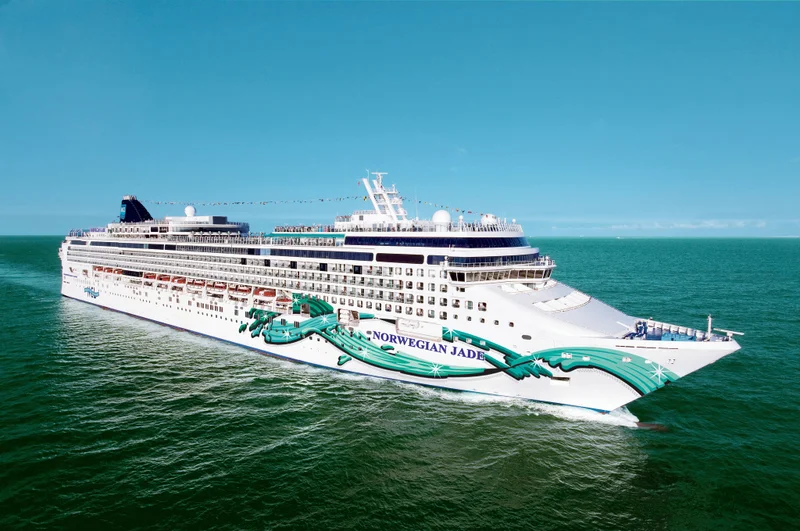
Built 2006
Tokyo · Ishinomaki · Hakodate · Aomori · Akita · Sakata · Kanazawa · Busan · Shimonoseki · Hiroshima · Kochi · Osaka · Nagoya · Mount Fuji
The warehouses are the stop for travelers who like commerce, craft, and place-specific architecture.
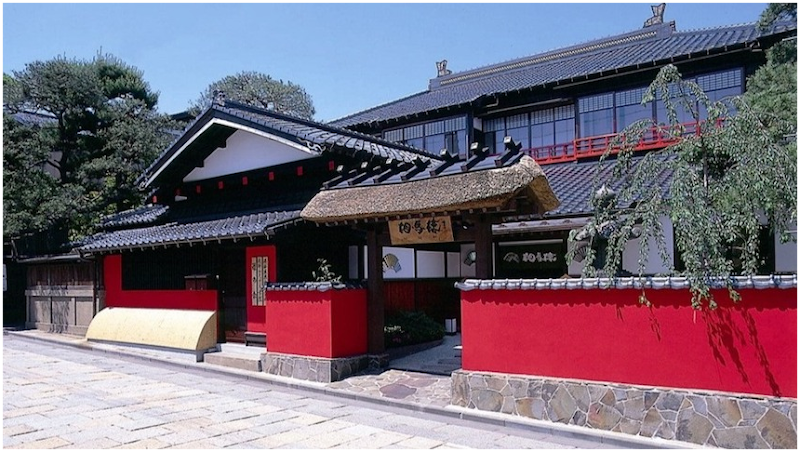
Sakata Kabanosuke House is for the traveler who would rather spend twenty thoughtful minutes inside a preserved home than browse another souvenir street. The Edo-period merchant house offers a close look at domestic space, social history, and the overlap of merchant and samurai-era culture. It is not a loud attraction, but that is its strength. Add it after the canal or warehouses if you want the day to move from exterior scenery into more intimate history. It is especially worth prioritizing for design-minded travelers and anyone interested in older Japanese architecture.
This is a detail-rich stop, not a spectacle. Give it attention or skip it.
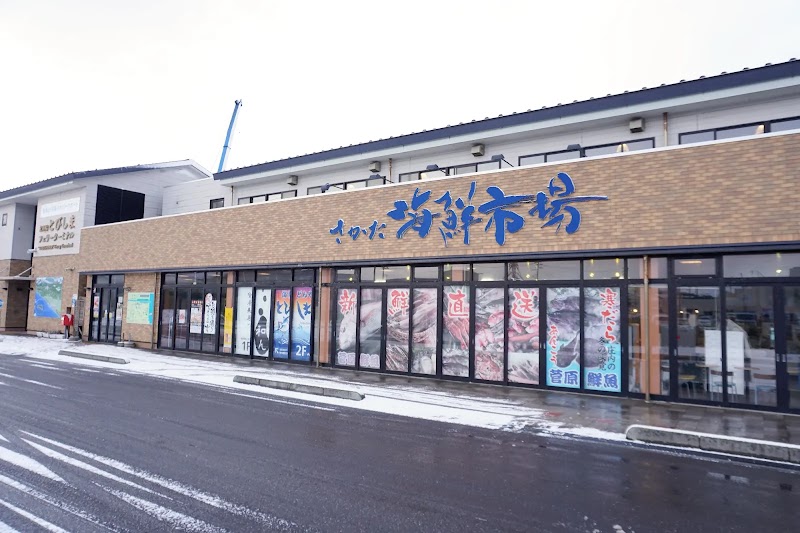
Sakata Seafood Market is the move if your favorite port souvenir is lunch. Fresh sushi and sashimi are the obvious pull, and the market format makes it easy to fold local flavor into the day without committing to a long formal meal. It fits food-focused travelers, solo wanderers, and anyone who wants a grounded break between heritage stops. Go in with a simple plan: eat something fresh, keep expectations practical, and then move on. If your itinerary is already heavy on sightseeing, this is the stop that makes Sakata feel lived-in.
Build in time for seafood if you want the day to feel local rather than checklist-driven.
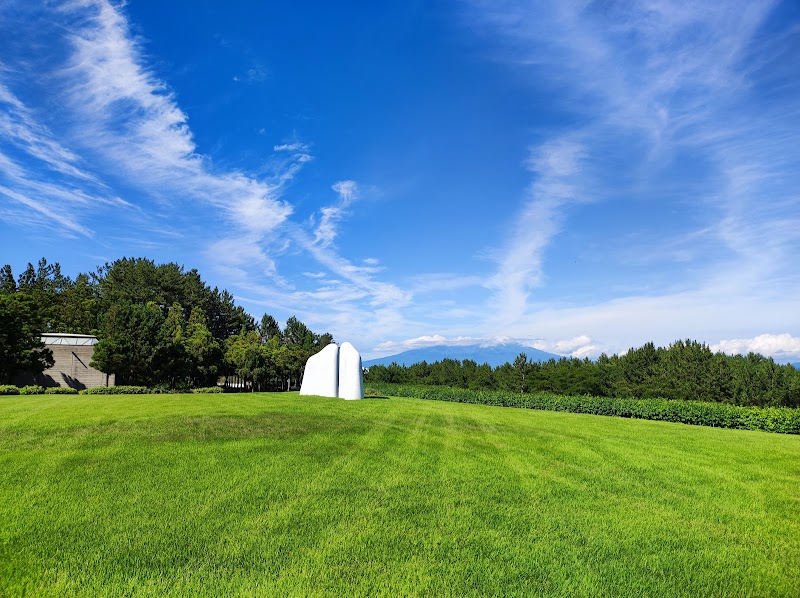
Sakata City Museum of Art is the right add-on when you want a quieter cultural layer. Its focus on local art and lacquerware gives the visit a different texture from the warehouses and market, and the viewing experience is better suited to travelers who enjoy slowing down rather than covering ground. This is not the first stop for a very short call, but it is a strong second-half choice if weather turns, crowds thin your patience, or you simply want Sakata through materials, craft, and regional taste instead of streetscapes alone.
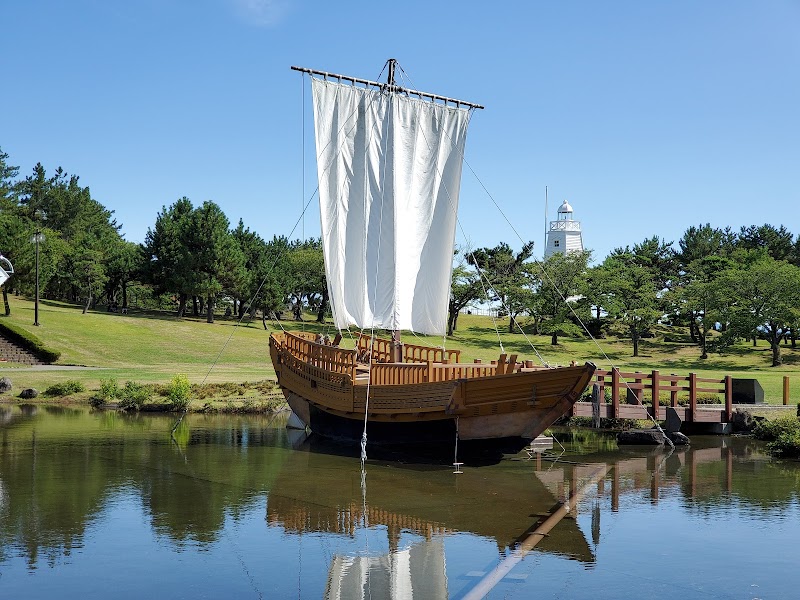
Hiyoriyama Park works best as a mood-setter or a final exhale. The draw is the view over the port and sea, with cherry blossoms adding seasonal pull when they appear. For cruise passengers, the value is simple: it gives you a wide-angle sense of where you have been, especially after a day spent in canals, warehouses, and interiors. Prioritize it if you want photos with space in them or if you prefer a scenic pause over another indoor stop. It is less about deep interpretation and more about perspective.
Use the park as a breather, especially after denser history stops.
Unique aquaculture center for Sohachi flounder tasting. Fresh seafood experience. Local specialty.
Ancient shrine with fox statues and forest path. Spiritual walk. Hidden sanctuary.
Fresh sushi, sashimi market breakfast. Local flavors quick. Food gem.
Cherry blossom viewpoint over port and sea. Seasonal beauty. Scenic overlook.