LV
Cruises to Riga
Riga rewards a tight port plan: medieval lanes first, then choose market food, ornate architecture, or a serious museum stop.
Upcoming visits
30
Best fare
$385 per night
Riga rewards a tight port plan: medieval lanes first, then choose market food, ornate architecture, or a serious museum stop.
Find Riga on Google Maps before you plan the port day.
Riga is one of those Northern Europe ports where a short call can still feel distinctive. The win is not distance; it is density. A walking-distance Old Town gives you cobblestones, medieval guild architecture, and a skyline of spires without needing to build the day around transfers. Then the city opens into very different lanes: a market inside old Zeppelin hangars, a serious Art Nouveau architecture walk, independence symbolism at the Freedom Monument, and museums that add weight beyond the postcard view. For cruise passengers, Riga works best when you choose a compact route and leave room to actually look up.
First-timers should start with the historic center, because it delivers the most Riga per hour and keeps your options open. The mistake is treating the city like a checklist: Old Town, market, cathedral, architecture district, museum, back to ship. That version turns a textured port into a blur. Instead, pick one anchor and one contrast. Pair Old Town with Central Market if you travel for food, or with the Art Nouveau District if you want the city's most visual surprise. Add a museum only if you are ready to slow down, because Riga rewards attention more than speed.
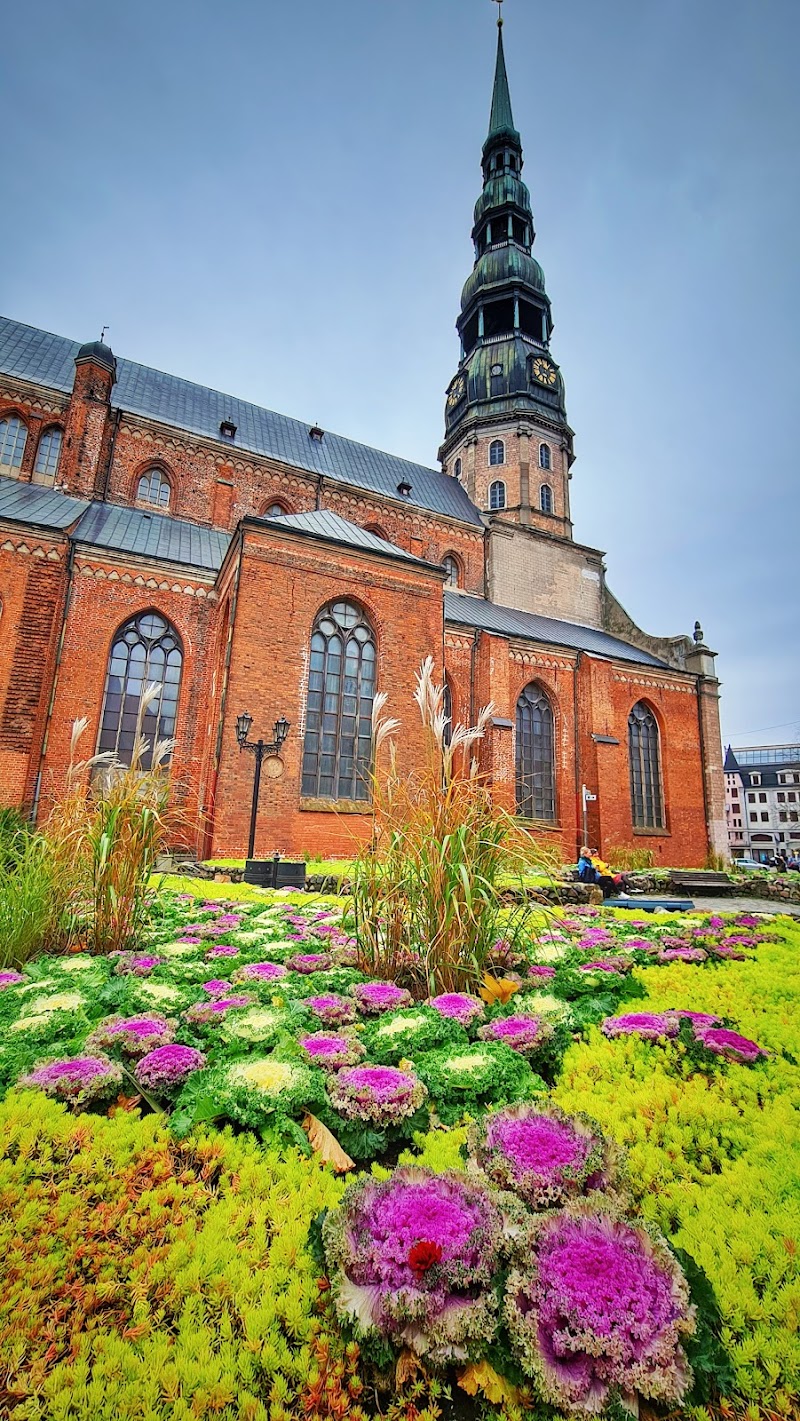
Riga Old Town is the port-day no-brainer, especially if you have never been to Latvia. The UNESCO-listed medieval center is walking distance, so it gives maximum payoff without a complicated plan: cobblestones, guild buildings, church spires, and the kind of street texture that makes a Northern Europe itinerary feel less polished and more lived-in. Do this first, before you get pulled toward markets or museums. It fits almost everyone, but it is especially strong for first-timers, photographers, and travelers who would rather wander than commit to a guided-heavy day.
Start here, then decide whether your second act is food, architecture, or a museum.
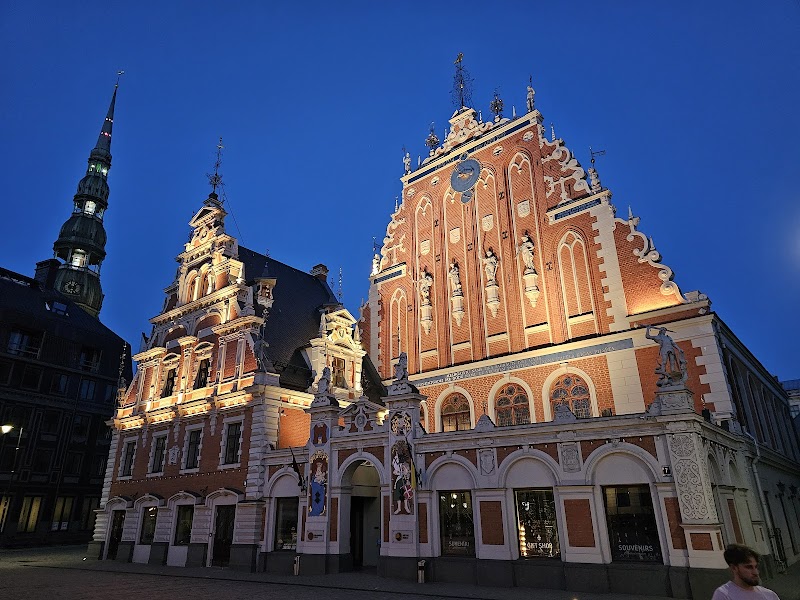
The House of the Blackheads is the facade you will remember after the day starts blending together. It is a rebuilt Renaissance landmark, dramatic in a way that does not need much explaining, and the museum inside gives the square a Hanseatic-history backbone if you want more than a photo stop. Prioritize it as part of an Old Town loop rather than as a standalone mission. It fits design-minded travelers, history-light travelers who still want context, and anyone who likes one major visual anchor in the middle of a walk.
UNESCO-listed medieval center with cobblestones, spires, and guilds. Walking distance.
Rebuilt Renaissance gem with museum on Hanseatic history. Stunning facade.
Massive 13th-century church with huge organ; acoustic concerts often.
Europe's largest market in Zeppelin hangars; food stalls galore.
Current sailings visiting this port, sorted by the lowest tracked cabin price per night.
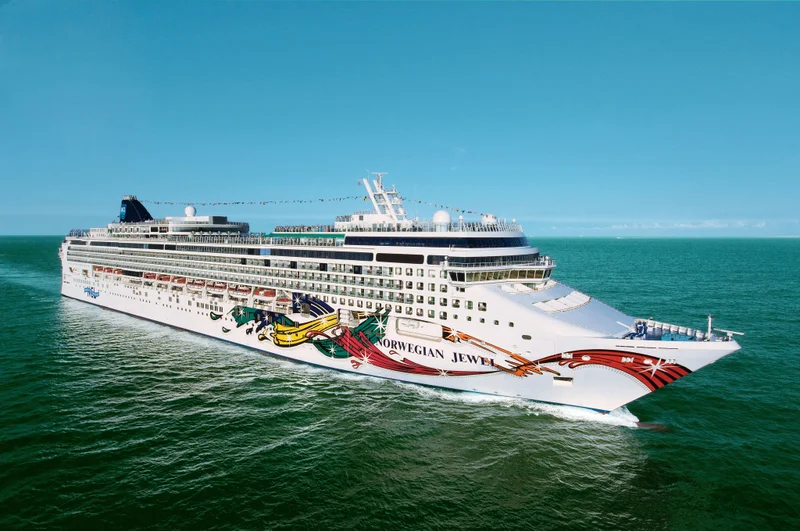
Built 2005
Helsinki · Tallinn · Stockholm · Riga · Berlin · Hamburg · Copenhagen
Built 2005
Helsinki · Tallinn · Stockholm · Riga · Berlin · Hamburg · Copenhagen
Built 2005
Copenhagen · Hamburg · Berlin · Gdansk · Klaipeda · Riga · Stockholm · Tallinn · Helsinki
Built 2005
Copenhagen · Gdansk · Berlin · Rønne · Klaipeda · Riga · Stockholm · Tallinn · Helsinki
Built 2005
Helsinki · Tallinn · Stockholm · Riga · Visby · Gdansk · Berlin · Hamburg · Copenhagen
Built 2005
Copenhagen · Berlin · Rønne · Gdansk · Riga · Stockholm · Tallinn · Helsinki
Built 2005
Helsinki · Tallinn · Stockholm · Riga · Berlin · Aarhus · Copenhagen
Built 2005
Helsinki · Tallinn · Riga · Klaipeda · Stockholm · Berlin · Copenhagen
Built 2005
Helsinki · Tallinn · Stockholm · Riga · Berlin · Hamburg · Copenhagen
Built 2005
Helsinki · Tallinn · Stockholm · Riga · Klaipeda · Gdansk · Berlin · Copenhagen
Built 2005
Copenhagen · Berlin · Klaipeda · Riga · Helsinki · Tallinn · Stockholm
Built 2005
Helsinki · Tallinn · Stockholm · Riga · Klaipeda · Gdansk · Rønne · Berlin · Copenhagen
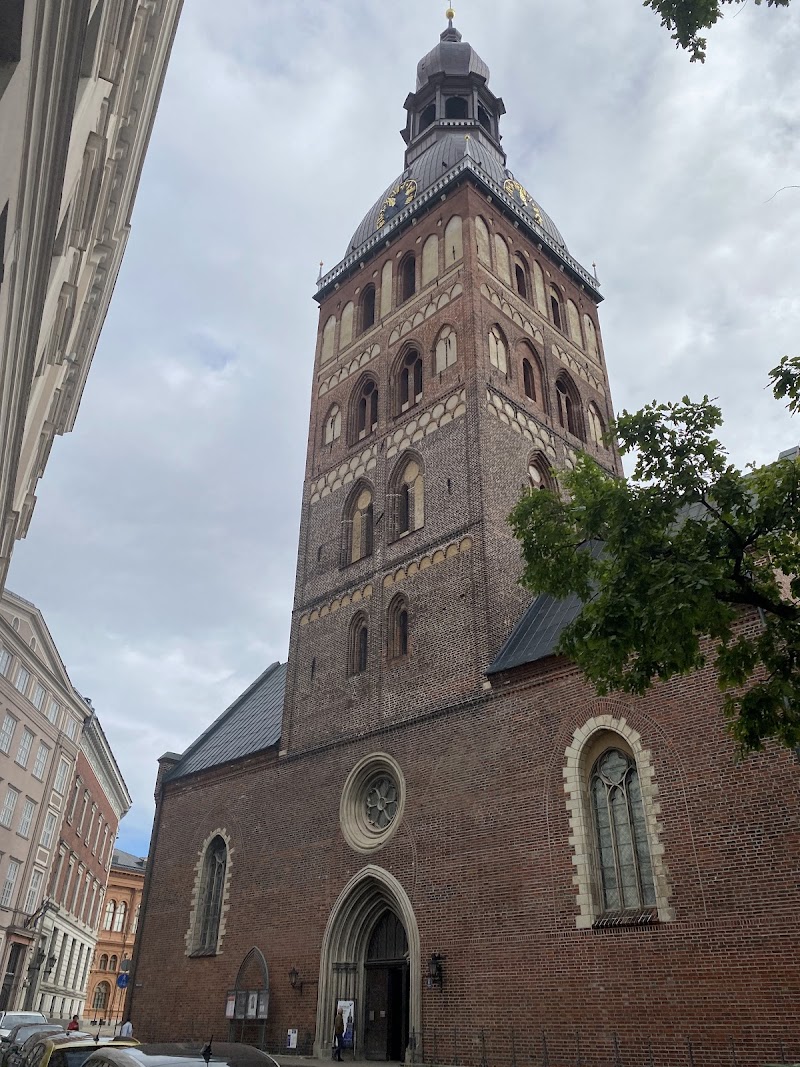
Riga Cathedral is where the city slows down. The 13th-century church has the scale you expect from a major old European cathedral, but the draw is also sound: its huge organ and frequent acoustic concerts make it feel less like another stone interior and more like a pause button. Cruise passengers should consider it when the day has become too street-level or weather turns messy. It is best for architecture fans, music people, and travelers who prefer one resonant interior over another round of exterior photos.
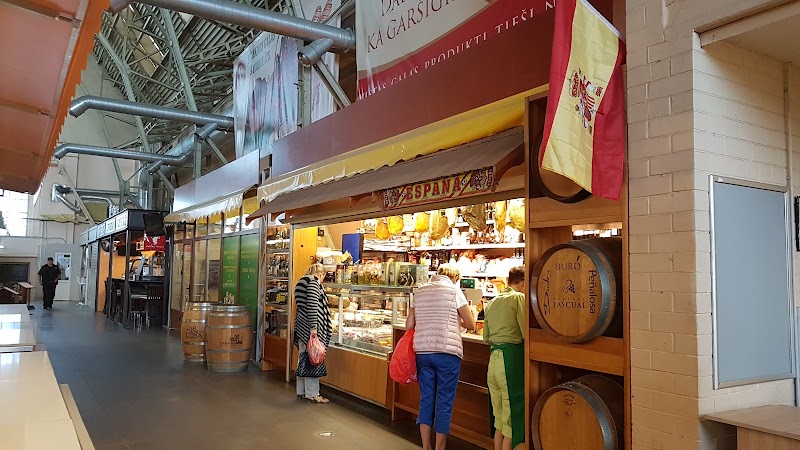
Central Market is the best way to make the port stop taste like Riga instead of just look like it. The setting is half the appeal: vast former Zeppelin hangars turned into Europe's largest market, with food stalls that make grazing feel like an actual plan. Go after Old Town if you want a sharper contrast, or make it your main move if you are more interested in local everyday energy than monuments. It fits snackers, market obsessives, and anyone who gets bored by pure sightseeing.
Choose the market when you want local texture without committing the whole day to a sit-down meal.
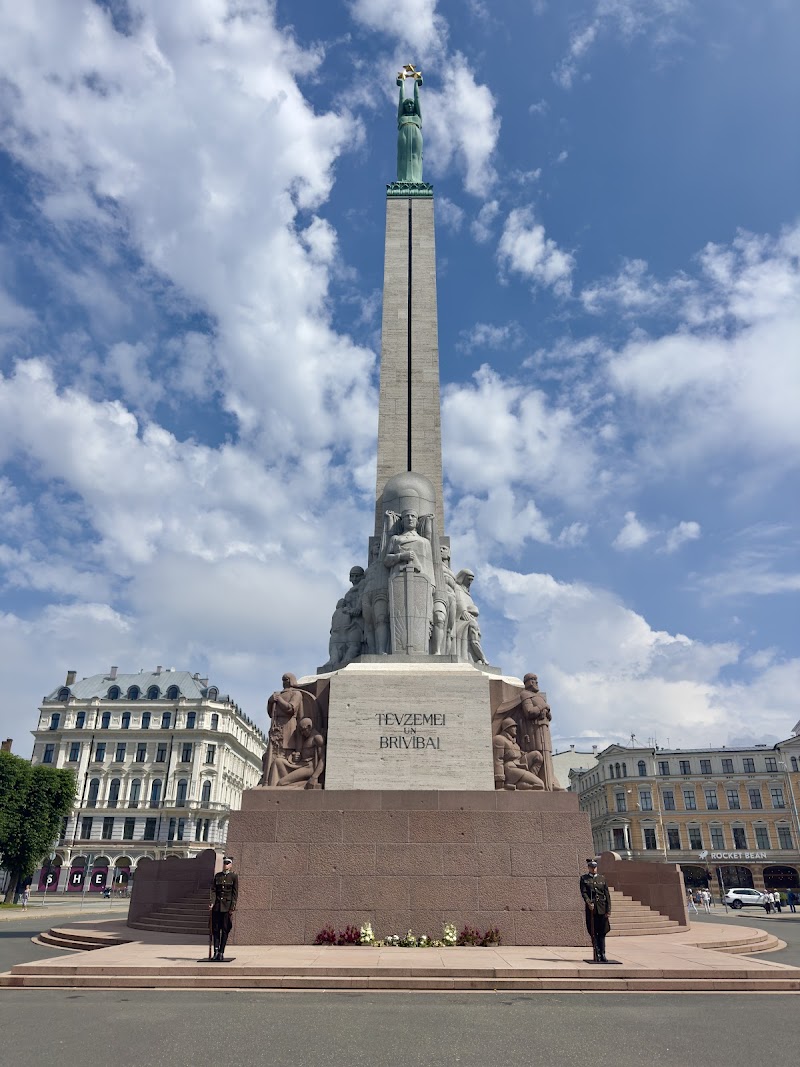
The Freedom Monument is a quick stop, but it should not be treated as filler. The 1935 statue, with its eternal flame, is one of Riga's clearest symbols of independence, so it adds political and emotional context to a day that might otherwise stay in pretty-building mode. You do not need to build the whole itinerary around it; use it as a deliberate pause between heavier sightseeing choices. It fits travelers who like civic history, clean symbolic landmarks, and a reminder that this city is not just a medieval set piece.
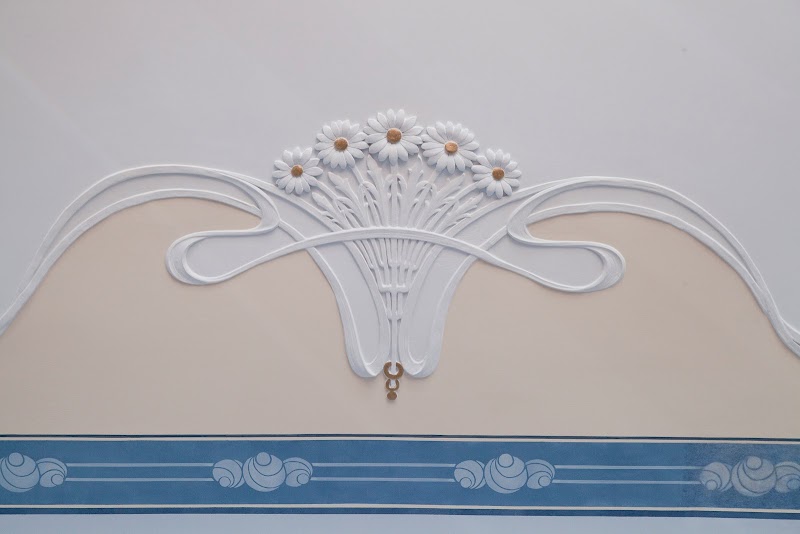
The Art Nouveau District is the move if your camera roll is already full of medieval streets and you want Riga's more unexpected face. The area is known for an unusually dense concentration of ornate buildings, and it works well as a self-guided architecture walk because the facades do most of the talking. Prioritize it over another museum if you like details, symmetry, strange faces, and decorative excess. It is less ideal for travelers who want sit-down attractions; the payoff comes from walking slowly and noticing the upper floors.
Old Town gives medieval Riga; the Art Nouveau District gives the city's decorative flex.
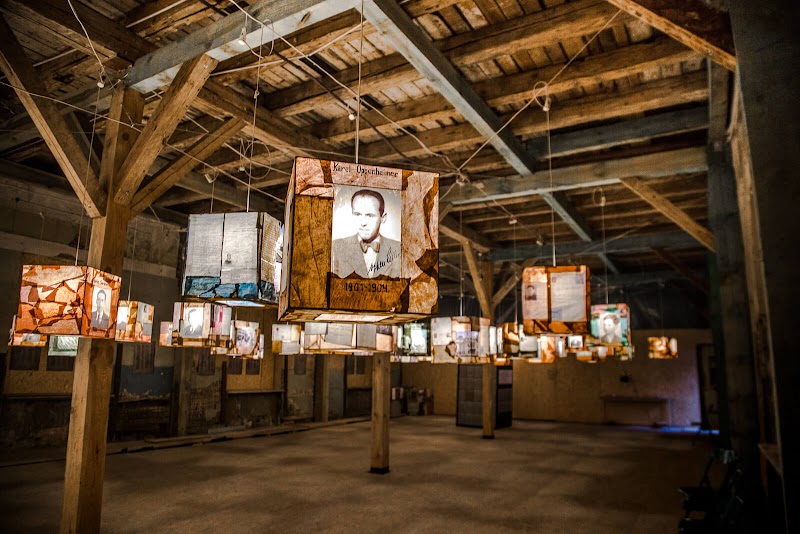
The Riga Ghetto Museum changes the emotional register of the day. Its focus on WWII history, housed in a restored building, makes it a more reflective choice than the city's classic port-stop hits. This is not the place to squeeze in just because it is on a list; give it enough attention or choose something lighter. It fits travelers who value historical depth and are comfortable letting a cruise day include harder material. Pairing it with Old Town creates a fuller, less surface-level version of Riga.
Iconic 1935 statue symbolizing independence; eternal flame.
World's densest collection of ornate buildings; self-guided architecture walk.
Contemporary Latvian glassworks in quiet gallery.
Sweet history of Latvia's iconic brand with tastings.