PG
Cruises to Rabaul
Rabaul is a port for travelers who want ash, steam, war history, and local texture more than a polished beach-day script.
Upcoming visits
10
Best fare
$315 per night
Rabaul is a port for travelers who want ash, steam, war history, and local texture more than a polished beach-day script.
Find Rabaul on Google Maps before you plan the port day.
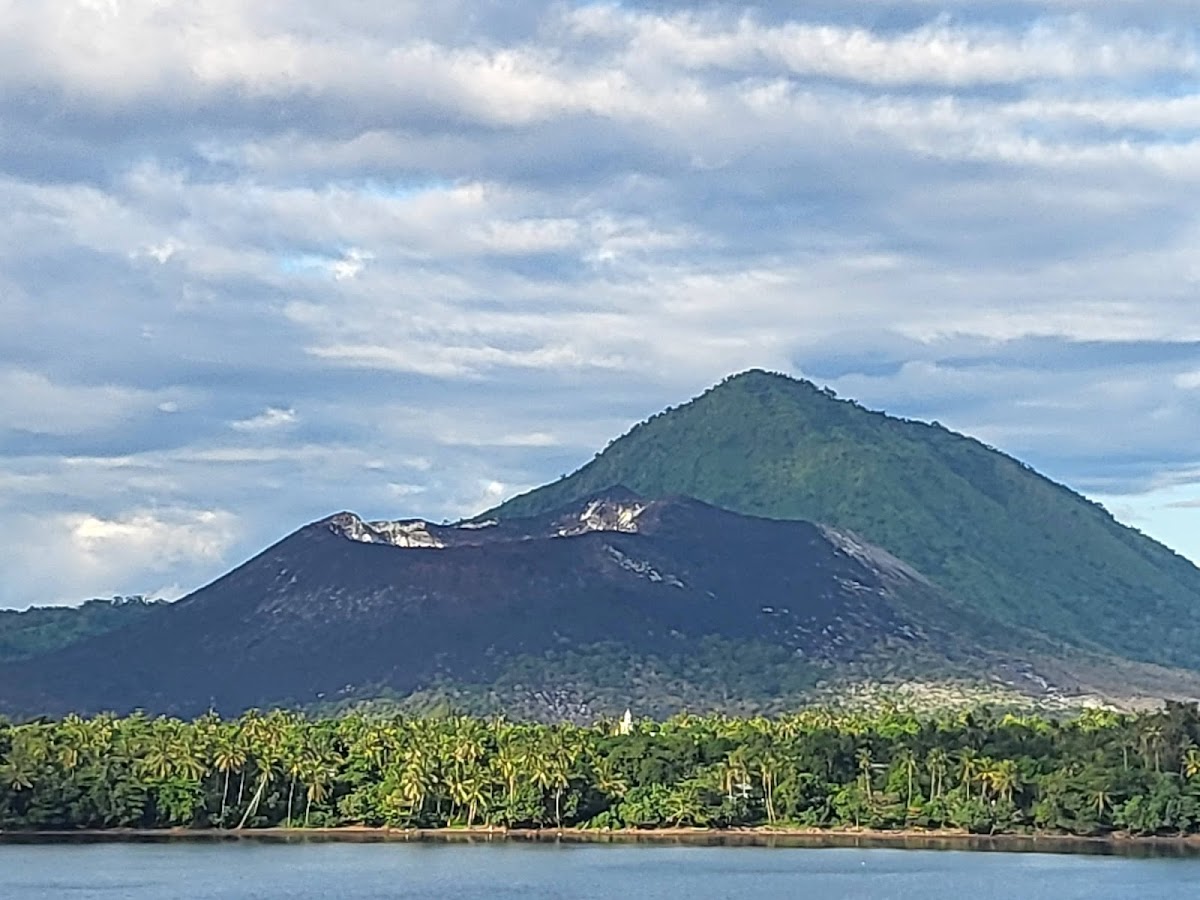
Rabaul is not a soft-focus island stop, and that is the point. The port sits in Papua New Guinea with a landscape shaped by volcanic force, wartime memory, markets, reefs, and thermal water. A good day here feels more textured than polished: steam rising from Tavurvur, black shorelines, underground passages, produce stalls, and Pacific battle relics. If you book for tidy resort energy, you may feel off-script. If you book for a place that looks and feels unlike the standard cruise circuit, Rabaul earns its slot.
The smartest approach is to pick one strong anchor, then add a second stop that matches your energy. Volcano views and WWII sites make the most sense for first-timers because they explain why Rabaul looks the way it does. Markets are better if you want a human-scale snapshot of daily life, while Black Beach and the hot springs turn the stop toward water and geology. This is not a port to overpack with random errands. Choose a lane, leave margin, and let the rough edges be part of the experience.
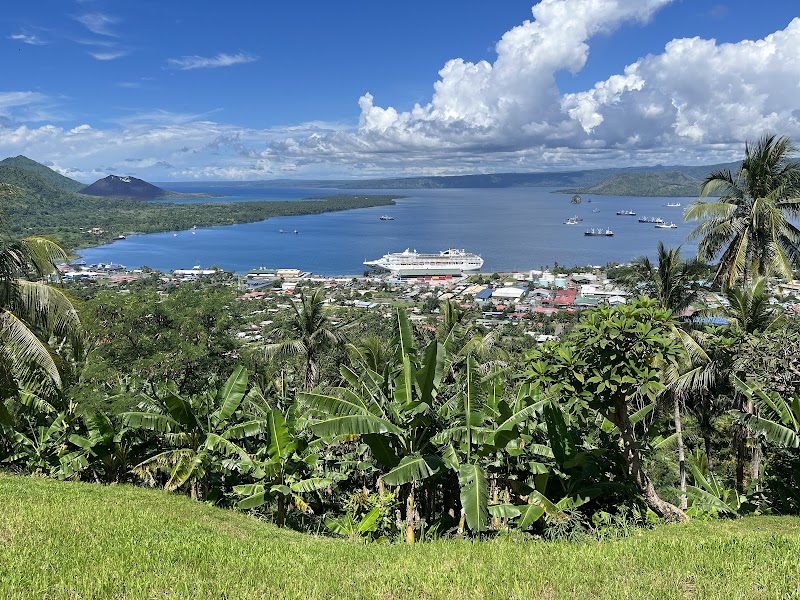
Make the Rabaul Volcano Observatory your first priority if you want the image that will define the port day. The draw is the view toward Tavurvur, an active cone that can send up steam and ash, with the 1994 eruption history giving the scene actual context. It is described as a short drive, which makes it a practical anchor rather than an all-day commitment. This stop fits photographers, geology nerds, and anyone who wants Rabaul to feel specific instead of interchangeable.
Volcano views give the rest of the port day its context.
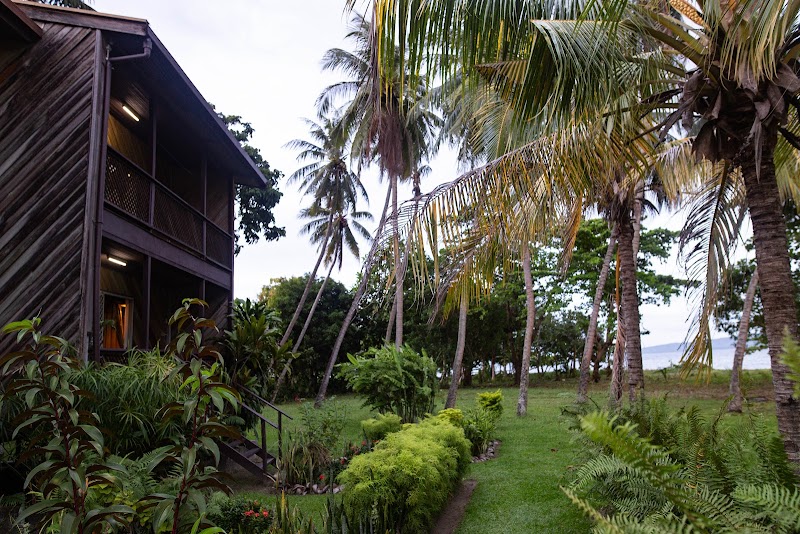
Pineapple Lodge Markets are the reset button after dramatic landscapes and war sites. Expect fresh produce, crafts, betel nut vendors, bargaining, and the kind of color that does not need a staged cultural show to make an impression. This is not the stop for passengers who want a controlled souvenir arcade. It works better for travelers who like watching a place move at its own pace. Keep it as a shorter add-on, not the whole plan, unless markets are your favorite way to read a port.
Overlook Tavurvur's active cone spewing steam/ash. Learn 1994 eruption history. Short drive for dramatic views.
Fresh produce, crafts, and betel nut vendors. Authentic PNG culture bargaining. Colorful local flavor.
Artifacts from WWI/WWII Pacific battles. Guns, flags, and photos. Quick history dive near port.
WWII underground bunkers carved by POWs. Creep through 500m passages with headlamps. Chilling war relic tour.
Current sailings visiting this port, sorted by the lowest tracked cabin price per night.
Built 2002
Fort Lauderdale · Cartagena · Panama Canal · Panama City · Puntarenas · Puerto Chiapas · Huatulco · Puerto Vallarta · Los Angeles · Hilo · Maui · Honolulu · Kauai · Pago Pago · Fiji · Dravuni Island · Port Vila · Luganville · Rabaul · Kiriwina Island · Alotau · Cairns · Airlie Beach · Brisbane · Sydney · Auckland · Tauranga · Christchurch · Dunedin · Hobart · Adelaide · Perth · Darwin · Bali · Lembar · Singapore · Phuket · Langkawi · Penang · Kuala Lumpur · Ho Chi Minh City · Cam Ranh · Ha Long Bay · Hong Kong · Keelung · Miyakojima · Kagoshima · Kochi · Osaka · Tokyo · Miyako · Kushiro · Anchorage · Sitka · Juneau · Ketchikan · Vancouver
Built 2002
Los Angeles · Hilo · Maui · Honolulu · Kauai · Pago Pago · Fiji · Dravuni Island · Port Vila · Luganville · Rabaul · Kiriwina Island · Alotau · Cairns · Airlie Beach · Brisbane · Sydney · Auckland · Tauranga · Christchurch · Dunedin · Hobart · Adelaide · Perth · Darwin · Bali · Lembar · Singapore · Phuket · Langkawi · Penang · Kuala Lumpur · Ho Chi Minh City · Cam Ranh · Ha Long Bay · Hong Kong · Keelung · Miyakojima · Kagoshima · Kochi · Osaka · Tokyo · Miyako · Kushiro · Anchorage · Sitka · Juneau · Ketchikan · Vancouver
Built 2002
Los Angeles · Hilo · Maui · Honolulu · Kauai · Pago Pago · Fiji · Dravuni Island · Port Vila · Luganville · Rabaul · Kiriwina Island · Alotau · Cairns · Airlie Beach · Brisbane · Sydney · Auckland
Built 2002
Los Angeles · Hilo · Maui · Honolulu · Kauai · Pago Pago · Fiji · Dravuni Island · Port Vila · Luganville · Rabaul · Kiriwina Island · Alotau · Cairns · Airlie Beach · Brisbane · Sydney
Built 2002
Los Angeles · Hilo · Maui · Honolulu · Kauai · Pago Pago · Fiji · Dravuni Island · Port Vila · Luganville · Rabaul · Kiriwina Island · Alotau · Cairns · Airlie Beach · Brisbane · Sydney · Auckland · Tauranga · Christchurch · Dunedin · Hobart · Adelaide · Perth · Darwin · Bali · Lembar · Singapore
Built 2002
Los Angeles · Hilo · Maui · Honolulu · Kauai · Pago Pago · Fiji · Dravuni Island · Port Vila · Luganville · Rabaul · Kiriwina Island · Alotau · Cairns · Airlie Beach · Brisbane · Sydney · Auckland · Tauranga · Christchurch · Dunedin · Hobart · Adelaide · Perth · Darwin · Bali · Lembar · Singapore · Phuket · Langkawi · Penang · Kuala Lumpur · Ho Chi Minh City · Cam Ranh · Ha Long Bay · Hong Kong · Keelung · Miyakojima · Kagoshima · Kochi · Osaka · Tokyo · Miyako · Kushiro · Anchorage · Sitka · Juneau · Ketchikan · Vancouver
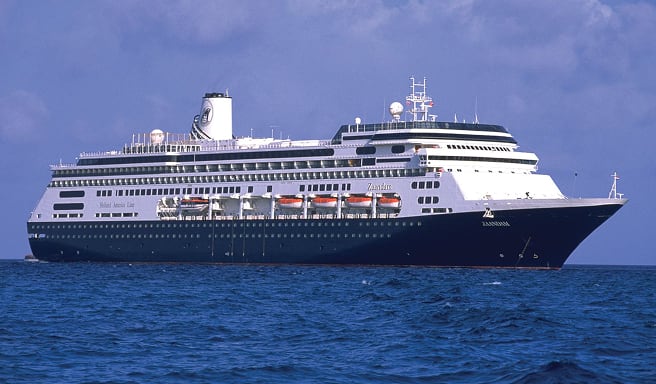
Built 2000
San Diego · Maui · Kona · Honolulu · Pago Pago · Apia · Fiji · Lautoka · Lifou · Nouméa · Mystery Island · Port Vila · Honiara · Rabaul · Alotau · Kiriwina Island · Cairns · Ribbon Reef · Darwin · Broome · Exmouth · Perth · Albany · Adelaide · Kangaroo Island · Melbourne · Hobart · Port Arthur · Sydney · Milford Sound · Dunedin · Timaru · Wellington · Tauranga · Auckland · Bay of Islands · Nuku'alofa · Bora Bora · Raiatea · Moorea · Tahiti · Fakarava · Nuku Hiva
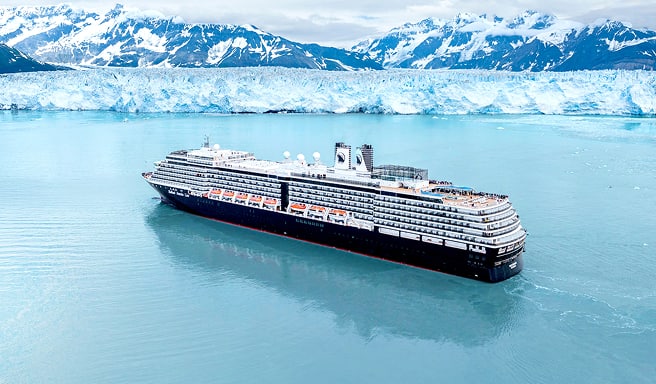
Built 2004
Sydney · Tangalooma · Townsville · Cairns · Alotau · Kiriwina Island · Rabaul · Honiara · Santo · Port Vila · Mystery Island · Lautoka · Fiji · Nuku'alofa · Bay of Islands · Auckland · Tauranga · Napier · Wellington · Picton · Christchurch · Dunedin · Hobart · Melbourne
Built 2004
Sydney · Tangalooma · Townsville · Cairns · Alotau · Kiriwina Island · Rabaul · Honiara · Santo · Port Vila · Mystery Island · Lautoka · Fiji · Nuku'alofa · Bay of Islands · Auckland
Built 2002
Honolulu · Kauai · Pago Pago · Fiji · Dravuni Island · Port Vila · Luganville · Rabaul · Kiriwina Island · Alotau · Cairns · Airlie Beach · Brisbane · Sydney
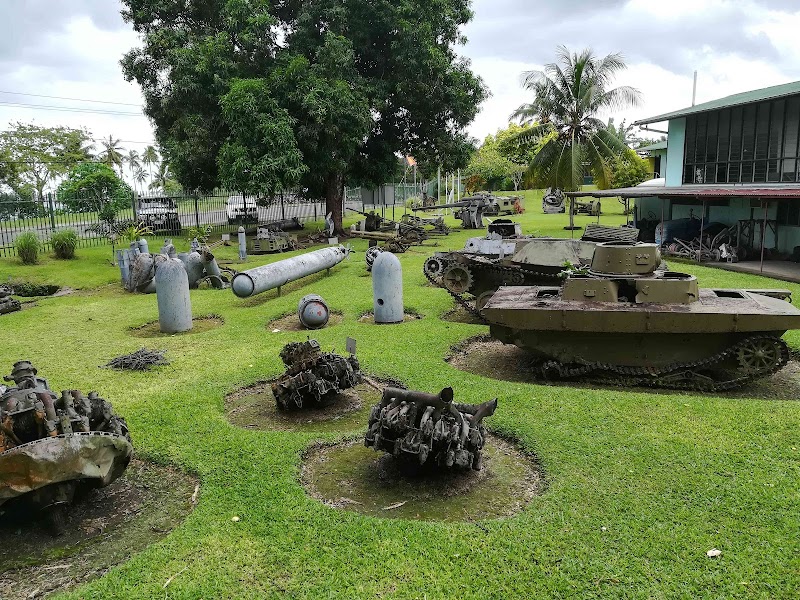
The Kokopo War Museum is a compact way to connect Rabaul with the Pacific war story. Its artifacts span WWI and WWII, including guns, flags, and photos, so the experience is more direct than decorative. Because it is noted as near the port, it is a smart choice when you want history without turning the entire day into a lecture. Pair it with the volcano overlook for a balanced route: one stop explains the land, the other explains some of the human history layered onto it.
Volcano Observatory plus Kokopo War Museum gives a strong first-timer route.
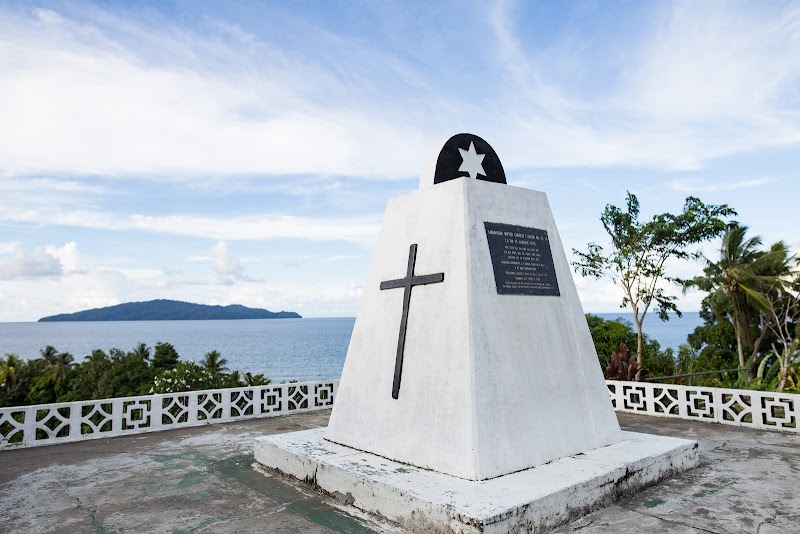
The Japanese Tunnels are the most intense history stop in the mix. These WWII bunkers were carved by POWs, and the experience involves moving through roughly 500 meters of underground passage with headlamps. That is not casual sightseeing, and it should not be treated like a quick photo stop. Choose it if you are comfortable with dark, enclosed spaces and want a colder, more physical encounter with wartime Rabaul. If your group is mixed on tight spaces, the museum may be the easier history choice.
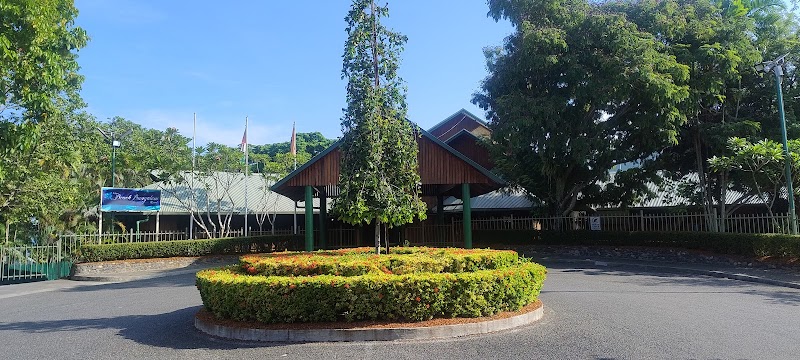
Black Beach Snorkeling is the water option with Rabaul fingerprints all over it. The shore is ashy, the reef is vibrant, and the presence of WWII wrecks keeps the swim tied to the port's history rather than turning it into a generic beach break. Easy shore entry makes it especially appealing if you want time in the water without building the whole day around a boat trip. Prioritize it if snorkeling is your default move, but you still want the stop to feel anchored in this place.
Black Beach is the swim stop that still feels unmistakably Rabaul.
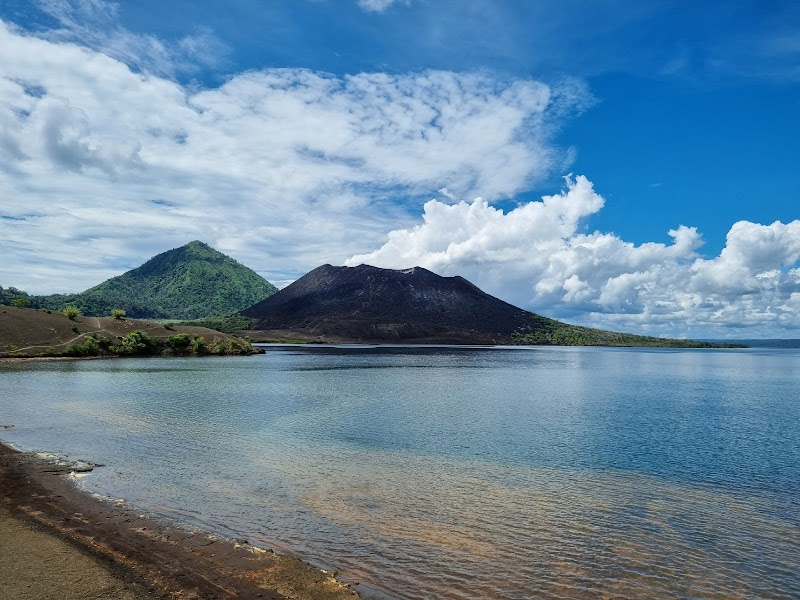
Rabaul Hot Springs turn the volcanic setting into something slower. The thermal pools sit in Simpson Harbor, so the appeal is less about checking off a major sight and more about being in warm mineral water with volcanic scenery around you. This is a strong second stop after a hike or viewpoint, especially for travelers who want the day to loosen up instead of becoming a chain of museums and transfers. It is probably not the single must-do, but it is a very Rabaul way to recover.
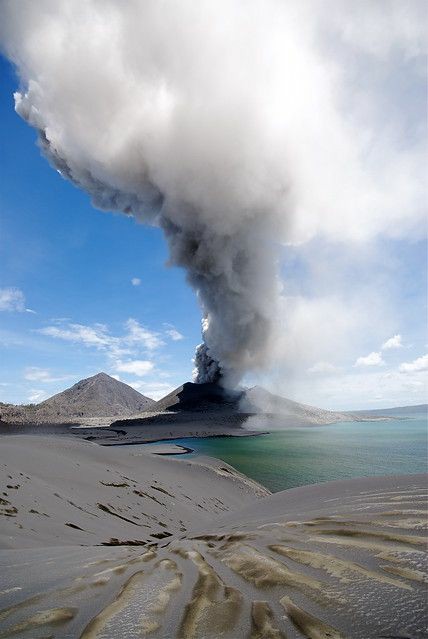
Tavurvur Mud Crabs are for passengers who want lunch to become the story. The experience centers on harvesting and cooking volcano mud crabs on beach barbecues, which gives you seafood, landscape, and a hands-on activity in one hit. It is a better fit for curious eaters than for travelers who just want a fast meal between sights. If your port style is usually markets and local food over monuments, this is one of the more distinctive ways to spend time around Rabaul.
Ashy shores to vibrant reefs with WWII wrecks. Easy shore entry. Underwater history.
Thermal pools in Simpson Harbor for soothing soak amid volcanic scenery. Relax post-hike. Natural spa experience.
Harvest and cook volcano mud crabs on beach BBQs. Unique culinary adventure. Fresh seafood feast.