JP
Cruises to Otaru
Otaru rewards cruise passengers who like a compact port day with texture: canals, old warehouses, glass shops, music boxes, and coastal views.
Upcoming visits
1
Best fare
$182 per night
Otaru rewards cruise passengers who like a compact port day with texture: canals, old warehouses, glass shops, music boxes, and coastal views.
Find Otaru on Google Maps before you plan the port day.
Otaru is one of those cruise stops where the best plan is not necessarily the biggest one. The port's appeal is in its scale and detail: a canal lined with old warehouses, preserved streets with glass studios and cafes, a museum filled with music boxes, and quick cultural detours that explain why this small Hokkaido city looks the way it does. It is a good fit for travelers who would rather build a sharp half-day route than spend the stop chasing a checklist.
The obvious move is to anchor the day around Otaru Canal and Sakaimachi Street, then choose one extra depending on your mood: the Otaru Music Box Museum for something charming and hands-on, Herring Mansion for local history, Nitori Art Museum for glass and design, or Otaru Aquarium if you are traveling with kids. Otaru does not need to be overplanned, but it does reward a little editing. Pick a lane, leave room to wander, and let the city stay small enough to enjoy.

Otaru Canal is the image most cruise passengers have in mind, and it earns the attention. The old warehouse edges give the waterfront a harder, more industrial look than a polished postcard district, which is exactly why it photographs well. A simple stroll works if you want a low-effort port day, while a canal boat ride adds a more intentional view of the warehouses and water. If your time is limited, start here before drifting into nearby shopping streets or museums.
Use the canal to set the pace, then build the rest of the day around nearby streets and small museums.
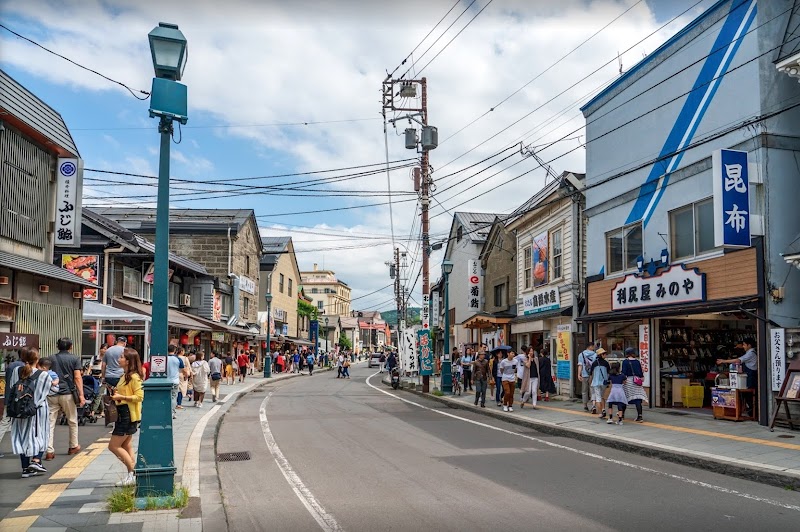
Sakaimachi Street is where Otaru turns from scenic into tactile. The preserved Meiji and Taisho era buildings give the street a period look without making it feel frozen, and the glassworks and cafes make it easy to slow down without wasting the port call. This is the best area for travelers who like browsing with a point: Otaru glass is the souvenir to look for, and the architecture adds context while you move between shops. Pair it with the canal for the cleanest first-time route.
World's largest collection of music boxes in a historic building. Hands-on displays and customization shops. Charming for all ages on short port calls.
Picture-perfect canal lined with warehouses, lit up in winter. Stroll or take a cruise boat for romantic views. Top photo op for cruise visitors.
Restored 19th-century home of herring baron with period furnishings. Insights into fishing boom history. Quick cultural dive.
Preserved street of Meiji-Taisho era buildings with glassworks and cafes. Shop for Otaru glass souvenirs. Quintessential canal town vibe.
Current sailings visiting this port, sorted by the lowest tracked cabin price per night.
Shoppers, casual wanderers, architecture fans, and anyone who wants a compact Otaru sampler.
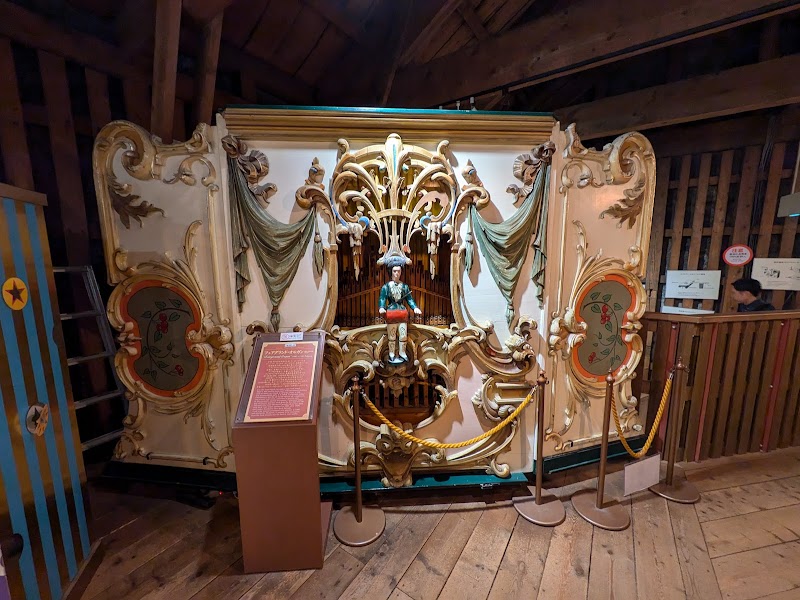
The Otaru Music Box Museum sounds niche until you realize it is exactly the kind of place that works on a cruise day: self-contained, atmospheric, and easy to enjoy without a long backstory. Its historic building and large collection of music boxes give it visual character, while hands-on displays and customization shops keep it from feeling like a passive browse. It is especially strong for families, couples, and travelers who want something more specific than another souvenir stop. Prioritize it if you like whimsical objects with craftsmanship behind them.
You want a short indoor stop that still feels distinctly Otaru.
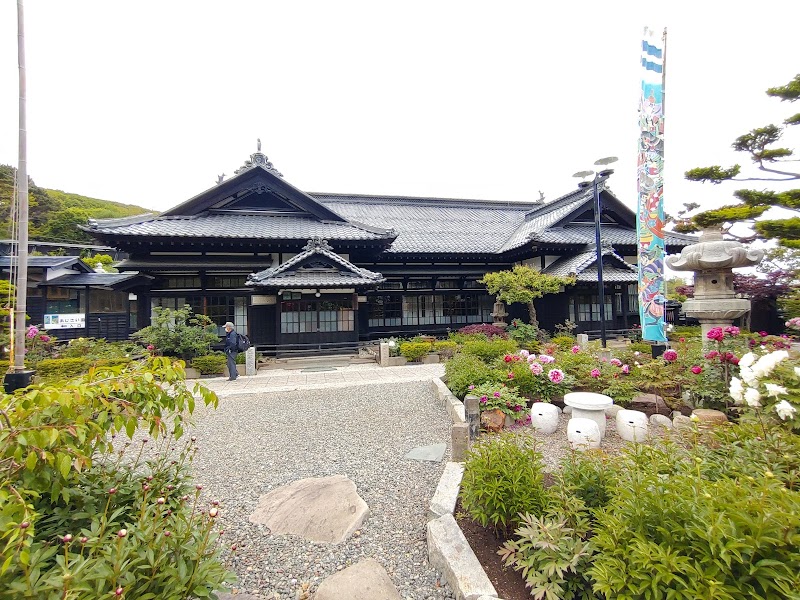
Herring Mansion is the stop for travelers who want Otaru to be more than canals and shopping. The restored 19th-century home of a herring baron uses period furnishings to sketch the city's fishing boom history, which helps explain the wealth and waterfront character behind the pretty surface. It is a quick cultural dive rather than an all-day museum commitment, so it fits well after the canal if you like social history and old houses. Skip it only if your priority is pure strolling or kid-focused entertainment.
This is the better pick if you want context instead of another retail stop.

Otaru Aquarium makes sense when the port day needs to work for kids or anyone who wants a break from old streets and museum rooms. Its focus on marine life from Hokkaido waters gives it a local angle, and seal shows add an easy crowd-pleaser. Because it is more of a standalone outing than a quick browse, treat it as a deliberate choice rather than something to tack on casually. If your group wants nature, animals, and a less shopping-heavy day, it can justify shifting time away from the town-center circuit.
Better as a main family stop than as a rushed add-on.
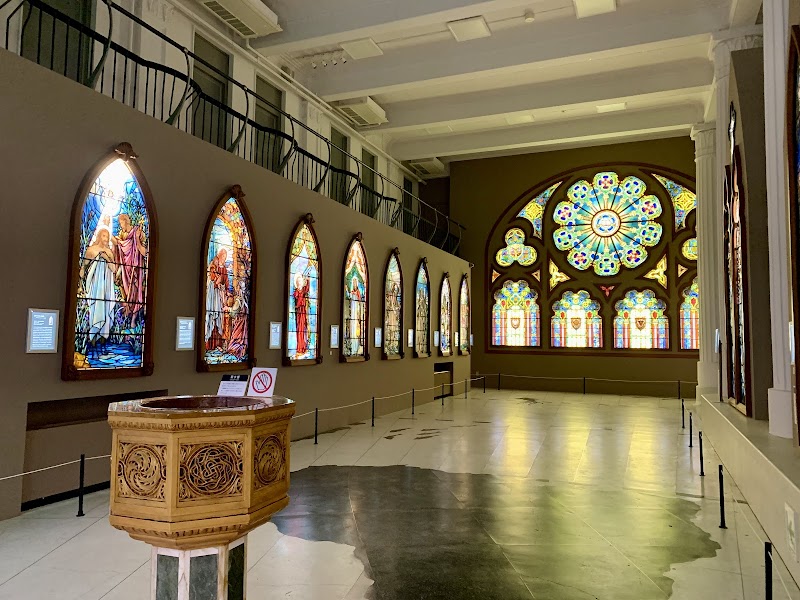
Nitori Art Museum is the refined alternative to the more obvious Otaru stops. Its glass art and installations make sense in a city known for glasswork, but the mood is quieter and more gallery-driven than Sakaimachi Street's shopfront energy. It is a strong pick for travelers who like design, local craft, and indoor spaces that feel curated rather than crowded with souvenirs. If this is your first time in Otaru, do the canal and Sakaimachi first; then use this as the upgrade if art is your travel language.
Design-minded travelers who want Otaru's glass culture in a more polished setting.
Marine life from Hokkaido waters, seal shows. Family-friendly. Nearby nature touch.
Glass art museum with stunning installations by local artist. Interactive exhibits. Elegant hidden gallery.
Historic lighthouse with panoramic sea views. Short hike or drive. Scenic overlook gem.
Ancient railway tunnel now hiking trail with history markers. Easy coastal walk. Offbeat adventure.