JP
Cruises to Omaezaki
Omaezaki is best for cruise travelers who want coastal Japan without the big-city checklist: lighthouse views, tea hills, surf, seafood, and a slower pace.
Upcoming visits
1
Best fare
$273 per night
Omaezaki is best for cruise travelers who want coastal Japan without the big-city checklist: lighthouse views, tea hills, surf, seafood, and a slower pace.
Find Omaezaki on Google Maps before you plan the port day.
Omaezaki is not a port built around blockbuster urban sightseeing, and that is the point. This is a Pacific-facing stop where the day works best when you lean into the coast: a white lighthouse above the water, surf rolling in, fishing-port seafood, and a hot spring soak if you want the gentlest possible reset. It is a good fit for travelers who like texture over trophies, and for repeat Japan cruisers who do not need another crowded city sprint.
The main decision is whether to make the coast your anchor or use the call to reach into Shizuoka tea culture. The lighthouse is the cleanest first choice for a short, visual port day, while a tea plantation visit gives the stop a stronger sense of place. Add a seafood market, beach watch, waterfall walk, or onsen only if it matches your mood. Omaezaki rewards a focused plan; try to stack too much and you miss the quiet, wind-cut appeal that makes it different.
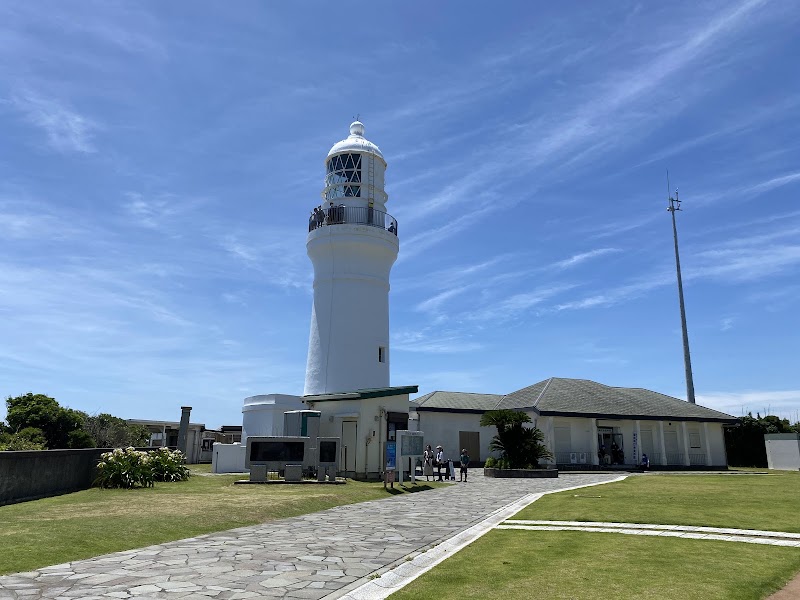
Cape Omaezaki Lighthouse is the obvious first stop, but not in a boring way. Japan's oldest Western-style lighthouse gives the day a strong visual center: clean lines, open Pacific views, and a nautical landmark that feels tied to the port rather than dropped onto an itinerary. The museum inside the tower base adds just enough context without turning the visit into a lecture. If you only want one reliable Omaezaki memory, make it this: wind, sea, and the lighthouse standing above the cape.
Start with the lighthouse if you want the most iconic, least complicated Omaezaki stop.
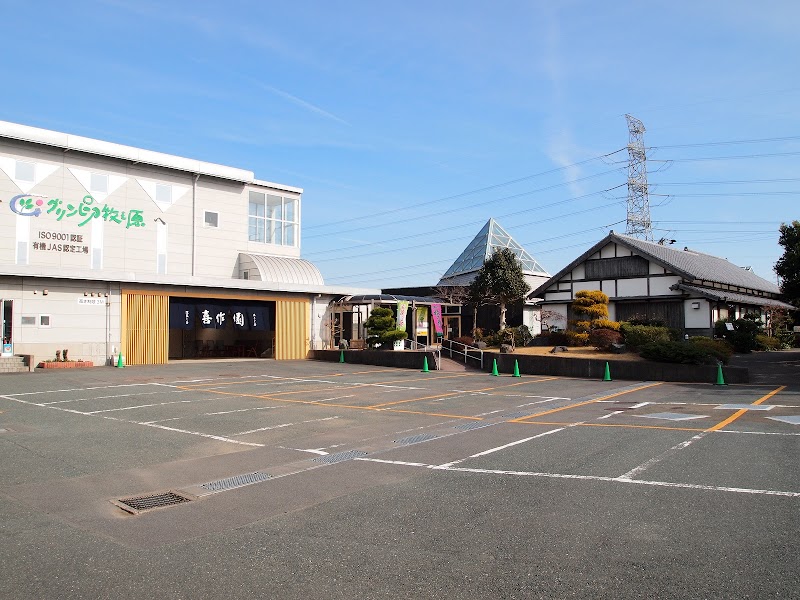
A green tea plantation tour is the pick when you want the port to feel distinctly local rather than purely scenic. The appeal is tactile: walking through rolling tea hills, seeing how leaves are handled, and tasting the region through something quieter than a souvenir run. Picking sessions and factory visits, when available, make this especially good for travelers who like food culture with a process behind it. Prioritize it over beach time if you are more interested in Shizuoka's agricultural identity than another coastal viewpoint.
Japan's oldest Western-style lighthouse with stunning Pacific views. Museum inside tower base. Iconic nautical landmark.
Waterfall trails in Minami-Sanriku park-like area? Wait, short forest paths to cascades. Nature refresh.
Walk rolling tea hills, picking and tasting sessions. Factory visits. Shizuoka tea culture.
Soak in seaside hot springs with ocean vistas. Day-use facilities. Relaxing onsen experience.
Current sailings visiting this port, sorted by the lowest tracked cabin price per night.
Tea country is the smartest choice if you want Omaezaki to feel specific to this part of Japan.
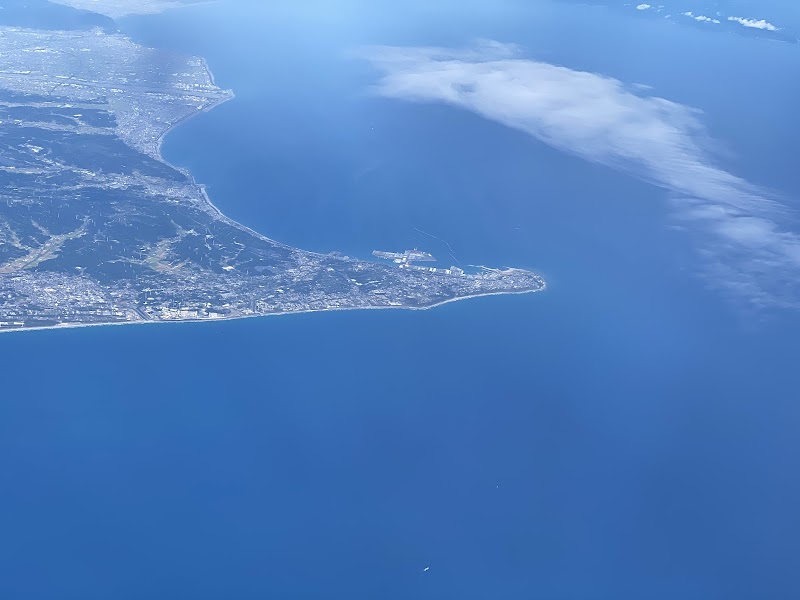
Omaezaki has real surf energy, which gives the waterfront a different mood from a standard cruise beach stop. The beach is known for serious breaks, so even non-surfers can make it a worthwhile pause just to watch the sets roll in and see the local scene at work. Lessons can make sense for active travelers, but only if the logistics line up cleanly with your time ashore. Otherwise, treat it as a visual add-on after the lighthouse, not the entire plan.
Surf time is best when you plan it deliberately, not as a last-minute filler.
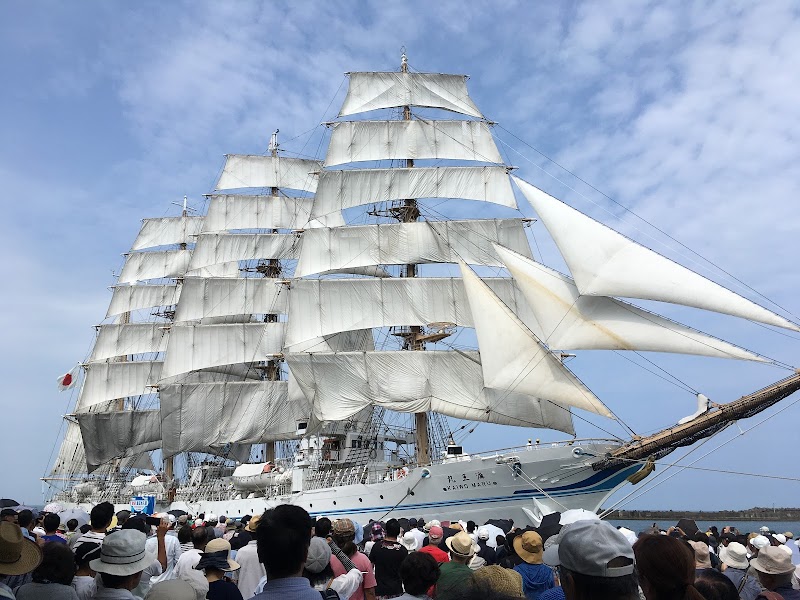
Shirasu Fishing Port is the kind of small food stop that can make a short call feel less generic. The draw is shirasu, the tiny translucent fish tied to the local seafood scene, plus the simple pleasure of eating near working harbor life instead of defaulting to whatever is closest to the ship. This is not a grand market marathon; think of it as a lunch or snack anchor. Pair it with the lighthouse or surf beach for a coastal day that feels grounded and unfussy.
Use Shirasu Fishing Port as a lunch stop, especially if you are keeping the day coastal.
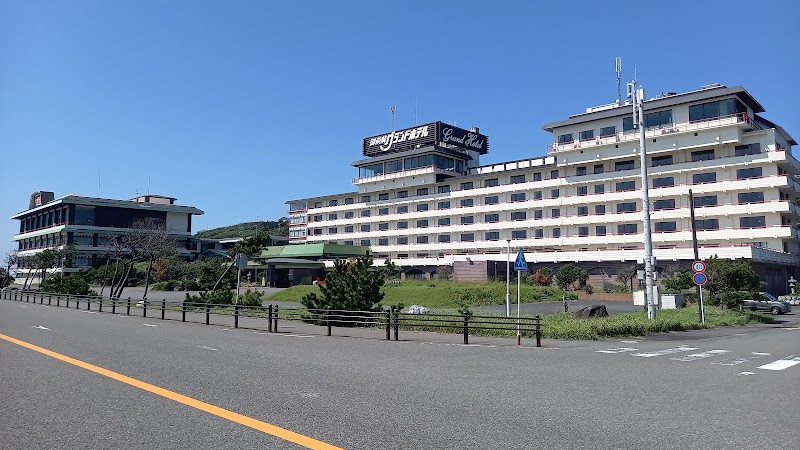
Omaezaki Onsen is for the cruiser who has had enough temples, transfers, and timed photo stops. The appeal is simple: seaside hot springs, ocean views, and day-use soaking that turns the port into recovery time. It is a better fit for travelers who already know they enjoy onsen etiquette and do not need a packed sightseeing list. If this is your first and only call in the area, the lighthouse or tea tour has broader payoff; if your itinerary is busy, the onsen may be exactly the right kind of nothing.
Pick the onsen when rest matters more than checking off another sight.
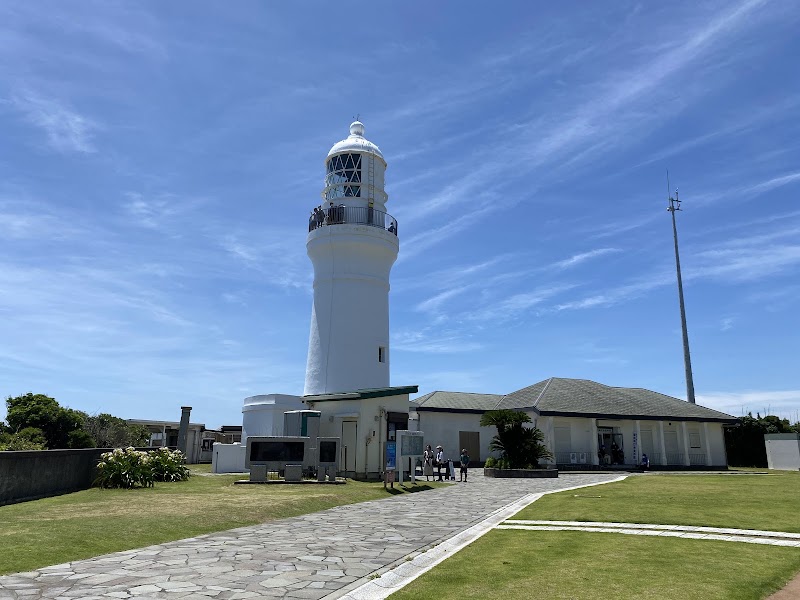
The Udon Falls Hike adds a forested counterpoint to Omaezaki's ocean-heavy identity. Short paths to cascades make it appealing if you want movement without committing the whole day to a strenuous outing. It is especially useful for travelers who get restless on bus-based tours and want a nature break that feels cooler, quieter, and more inward-looking than the cape. Prioritize it after you have decided whether the lighthouse or tea plantation is your main event; this is a mood enhancer, not the headline.
Choose the falls when you want a compact walk rather than another viewpoint.
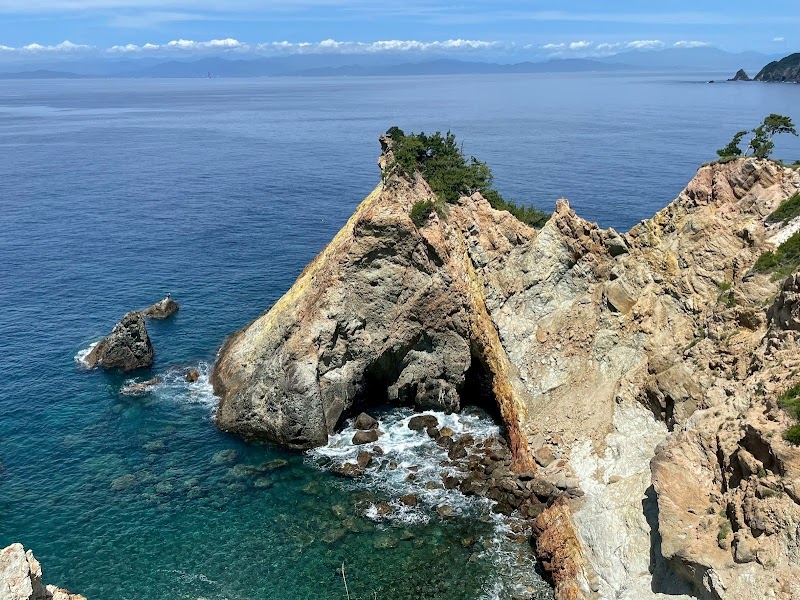
Nishiizu Nakayama Rock is the specialist pick: basalt formations, coastal caves, and sea views for travelers who genuinely like landscapes shaped by geology. It is visually different from the lighthouse and surf beach, with more of a rugged-coast curiosity than a classic postcard feel. Because it is narrower in appeal, it should not beat the lighthouse for a first-time Omaezaki plan. But if rock formations, caves, and unusual coastlines are your thing, this is the stop that gives the day an edge.
Make this a priority only if coastal geology is part of the reason you travel.
Ancient lava molds from Hojo eruption. Guided walks. Volcanic history site.
Unique basalt formations, caves along coast. Sea views. Geological curiosity.
World-class breaks at Omaezaki for lessons or watching. Pro spots. Surf mecca vibe.
Fresh seafood market with tiny translucent fish. Dockside eats. Culinary harbor gem.