JP
Cruises to Niigata
Niigata is a choose-your-own-tempo port: stay urban for markets and heritage streets, or spend the day chasing Sado Island's rougher edge.
Upcoming visits
8
Best fare
$360 per night
Niigata is a choose-your-own-tempo port: stay urban for markets and heritage streets, or spend the day chasing Sado Island's rougher edge.
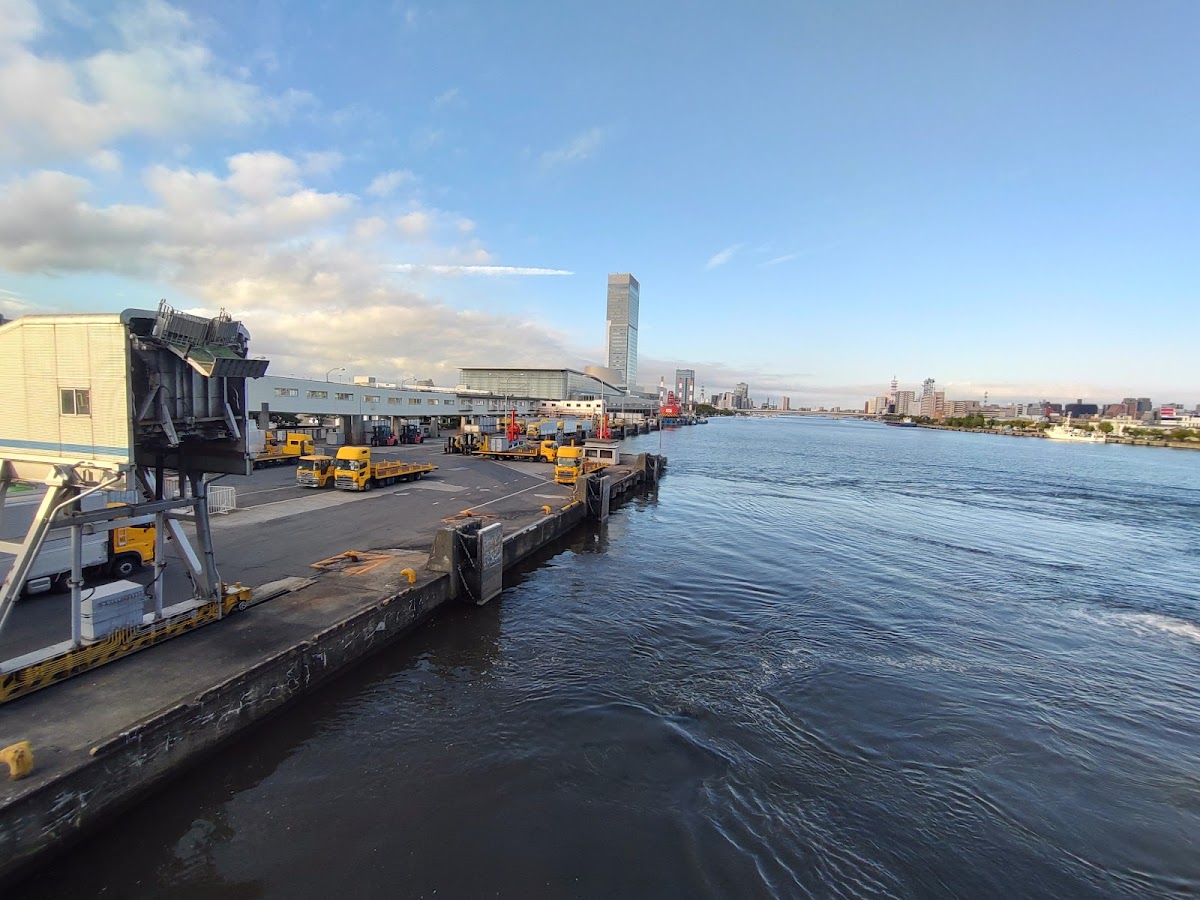
Find Niigata on Google Maps before you plan the port day.
Niigata is not the Japan port that tries to overwhelm you at first glance, which is exactly why it can work well on a cruise itinerary. The day is less about checking off famous icons and more about choosing a mood: seafood bowls and market energy, quiet gardens, older streets with machiya houses and canals, or a full-day reach toward Sado Island. It suits travelers who like texture over spectacle, and who do not mind building a day around a few strong stops instead of a frantic greatest-hits circuit.
The key is being honest about time. Sado Island is the big swing, with ferry time, gold mine history, taiko culture, and rugged coastline all bundled into a day-trip mindset. If that feels too tight, Niigata itself has enough to fill a port call without stress: Furumachi for atmosphere, Hakusan Park for breathing room, the Northern Culture Museum for period architecture and gardens, and Nippo Market when lunch is the real priority. This is a port where the best plan is edited, not overloaded.
The Sado Island Ferry Excursion is the most ambitious version of a Niigata day. It is built for travelers who would rather trade an easy city wander for a bigger narrative: old gold mines, taiko drum culture, and a rougher coastline across the water. Treat it as the anchor for the entire port call, because the ferry makes it a commitment. If your ship time is limited or you dislike clock-watching, stay in Niigata. If the timing lines up, Sado gives the port a much wilder, more memorable edge.
Travelers who want one bold excursion instead of several smaller city stops.
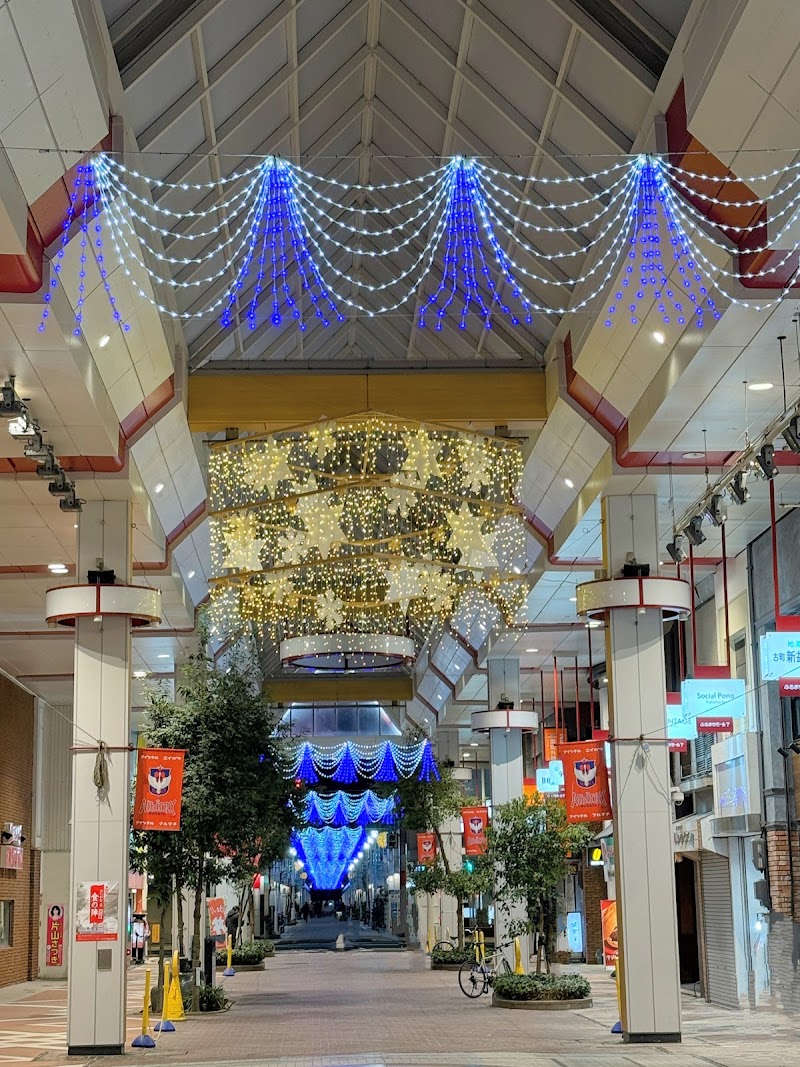
Furumachi Geisha District is the right move when you want Niigata to feel specific, not interchangeable. The draw is a slower walk through traditional machiya houses, canal-side pockets, and the lingering shape of the city's geisha culture. It is not a high-adrenaline stop, and that is the point. Pair it with a market lunch or a garden stop and it becomes the atmospheric middle of the day. This fits culture-first travelers, photographers, and anyone who prefers neighborhoods with patina over another museum-heavy schedule.
Day trip to gold mines, taiko drums, rugged coast. Cultural isle. Epic ferry.
Traditional machiya houses, canals. Historic walk. Geisha glimpse.
Cherry blossoms, koitoi shrine, ponds. Seasonal beauty. Relaxed green.
Old samurai residences, gardens. Edo period life. Timeless estate.
Current sailings visiting this port, sorted by the lowest tracked cabin price per night.
Built 2004
Tokyo · Miyako · Hakodate · Aomori · Akita · Niigata · Kanazawa · Sakaiminato · Busan · Nagasaki · Mount Fuji · Muroran · Kagoshima
Built 2004
Tokyo · Toba · Wakayama · Kochi · Kagoshima · Yatsushiro · Busan · Kanmon Strait · Hiroshima · Miyako · Hakodate · Aomori · Akita · Niigata · Kanazawa · Sakaiminato · Nagasaki · Mount Fuji
Built 2004
Tokyo · Miyako · Hakodate · Aomori · Akita · Niigata · Kanazawa · Sakaiminato · Busan · Nagasaki · Mount Fuji
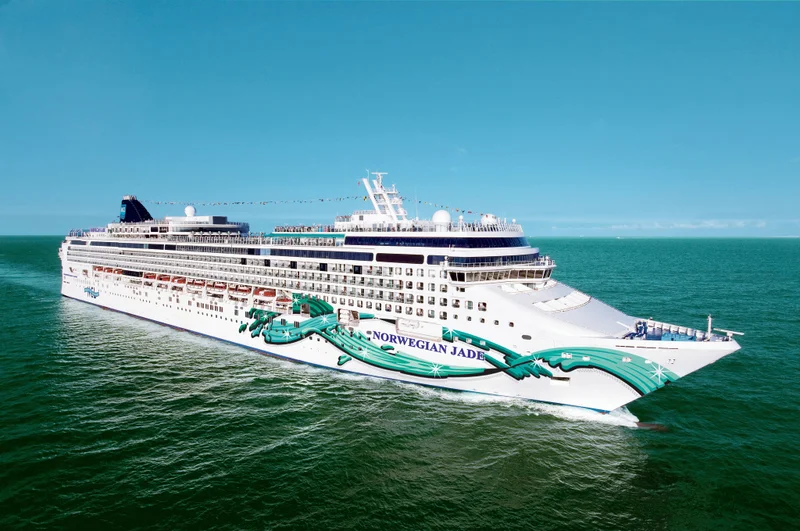
Built 2006
Seoul · Sakaiminato · Niigata · Akita · Aomori · Hakodate · Nagoya · Osaka · Mount Fuji · Tokyo
Built 2006
Tokyo · Ishinomaki · Hakodate · Aomori · Akita · Niigata · Kanazawa · Busan · Shimonoseki · Hiroshima · Kochi · Osaka · Nagoya · Mount Fuji
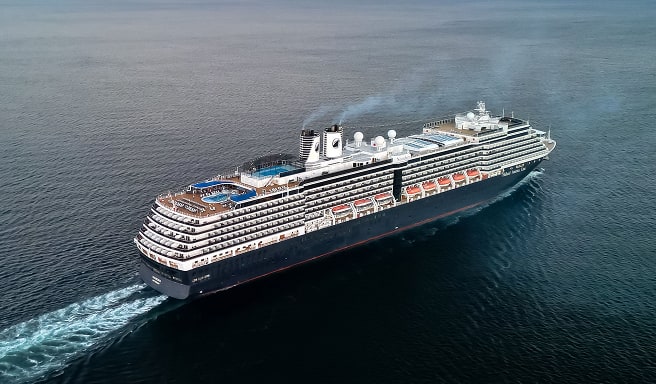
Built 2006
Tokyo · Mount Fuji · Osaka · Kochi · Fukuoka · Yeosu · Maizuru · Niigata · Hakodate · Aomori · Miyako
Built 2006
Tokyo · Mount Fuji · Osaka · Hiroshima · Busan · Sakaiminato · Maizuru · Kanazawa · Hakodate · Miyako · Hitachinaka · Kochi · Fukuoka · Yeosu · Niigata · Aomori
Built 2006
Tokyo · Mount Fuji · Osaka · Kochi · Fukuoka · Yeosu · Maizuru · Niigata · Hakodate · Aomori · Miyako · Hiroshima · Nagasaki · Busan · Shanghai · Hong Kong
Keep this unhurried; Furumachi works best as a walk, not a drive-by.
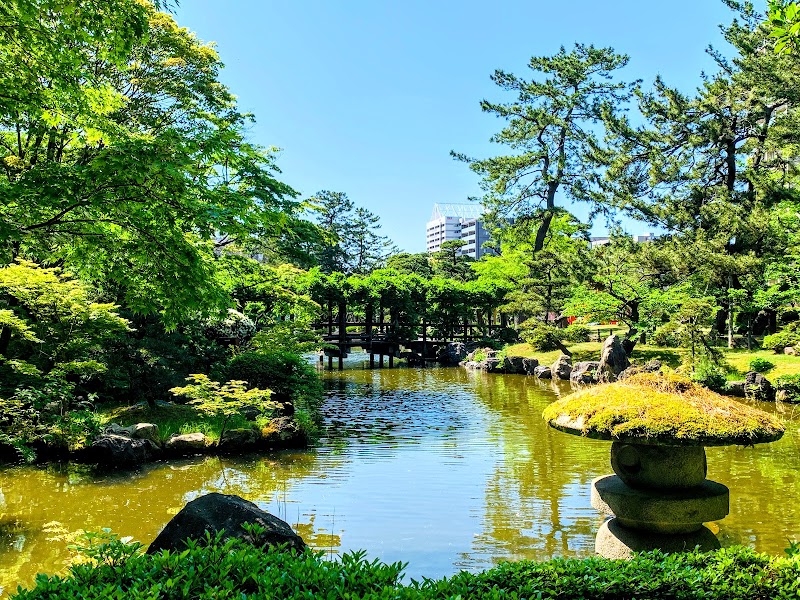
Hakusan Park is the low-friction choice when your itinerary has been heavy on transport, crowds, or long excursions. Ponds, shrine scenery, and seasonal blossoms give it a softer kind of payoff: less about one dramatic sight, more about letting the day breathe. It is especially useful as a counterweight to a food-focused stop at Nippo Market or a historic walk through Furumachi. Prioritize it if you want a calm, photogenic break that still feels rooted in the city rather than a generic patch of green.
Good for a relaxed port day, a scenic pause, or a less crowded-feeling plan.
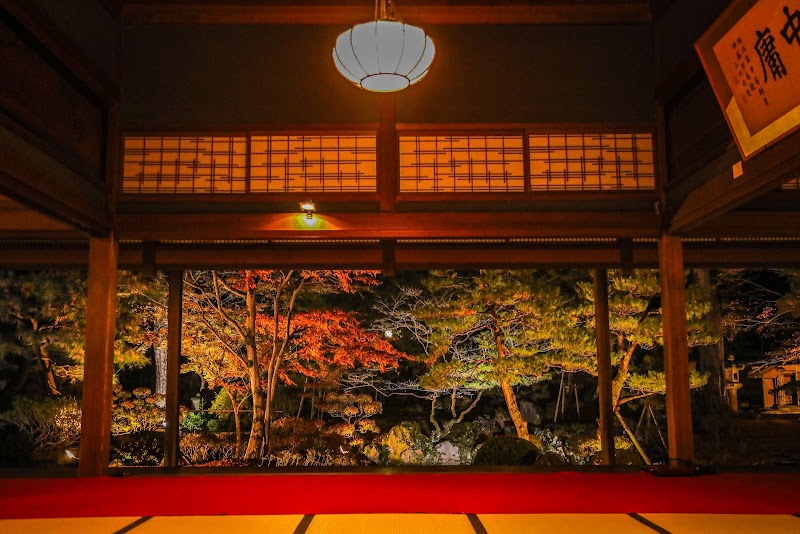
The Northern Culture Museum is the pick for travelers who want Niigata's history in a more immersive setting. Old samurai residences, Edo-period life, and cultivated gardens make it feel more substantial than a quick landmark stop. It is a smart choice if you are skipping Sado Island but still want the day to have a clear cultural anchor. Build the rest of the itinerary around it rather than squeezing it between too many stops; the value here is in looking closely, not just saying you went.
You want architecture, gardens, and historical context in one stop.
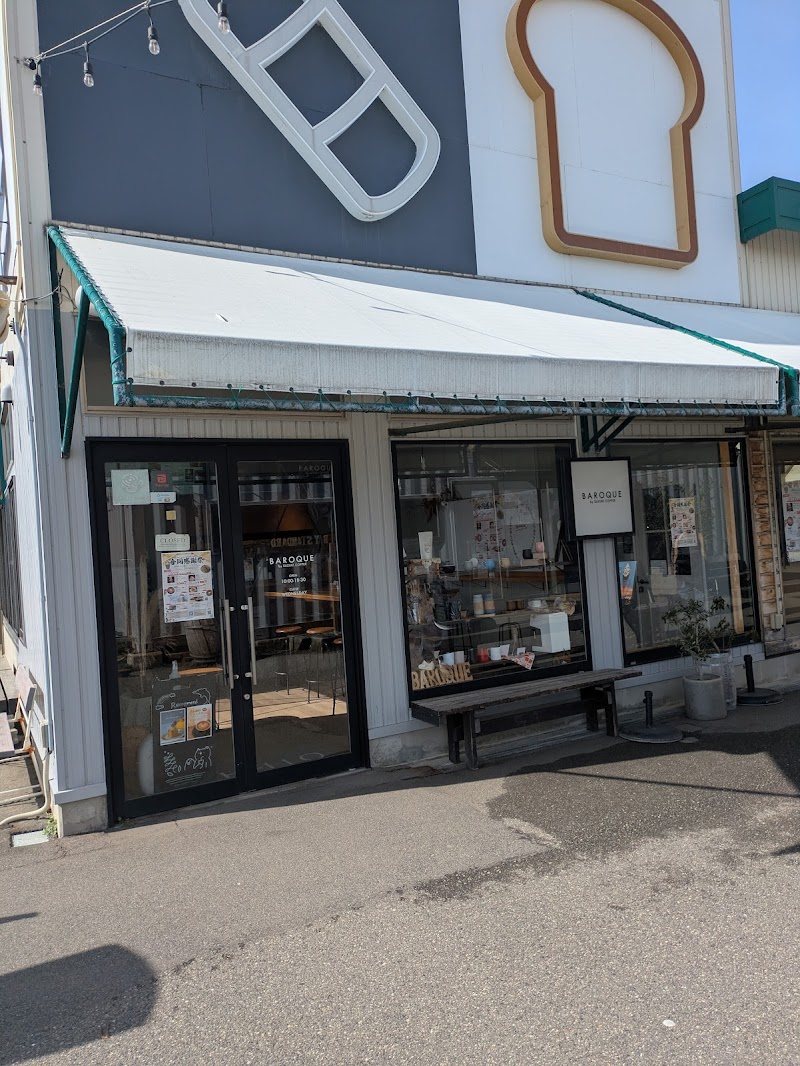
Nippo Market is the easiest argument for keeping your Niigata day simple: fresh seafood, food stalls, and kaisen-don bowls do not need much explanation. This is the stop for travelers who measure a port by what they ate, not how many sights they stacked. It also plays well with nearby-feeling urban exploration, because a market visit gives the day a natural center of gravity. Do not treat it as filler between museums; if seafood matters to you, let the market be the main event.
Come hungry and build the day around a seafood lunch rather than a snack stop.
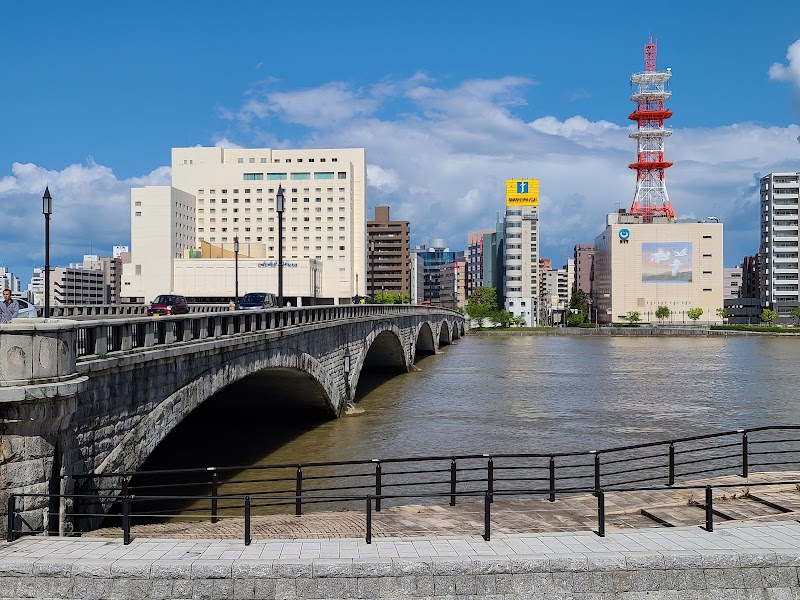
Bandai Bridge is not the kind of stop that needs to dominate your day, but it gives Niigata a strong visual punctuation mark. The stone arches and river setting make it an easy scenic pause, especially if you are already shaping a city-based route. If your call runs into the evening, its lit-up look adds another reason to swing by. Think of it as a smart connector: useful for photos, a sense of place, and a breather between heavier cultural or food stops.
A short scenic stop that gives the city route a sharper visual memory.
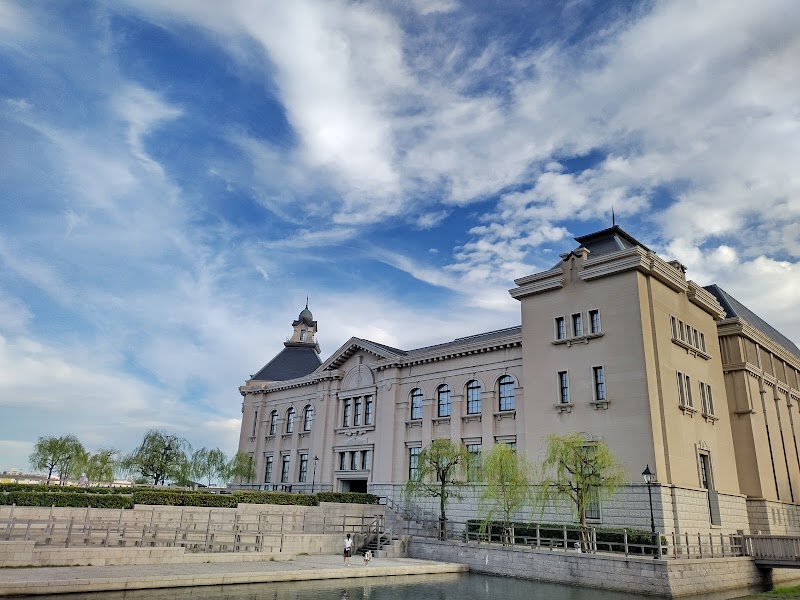
Minatopia Nihonkai Pavilion is a niche but useful option, especially when you want a port stop that connects directly to Niigata's maritime side. Sea of Japan exhibits and aquarium-style touch elements make it more interactive than a simple walk, so it can work well for families or travelers who like local context without committing to a long excursion. It is not the first pick if you only have time for one major stop, but it is a practical add-on when weather, energy, or timing pushes you indoors.
A weather-friendly maritime stop for families or curious slow travelers.
Elegant 1590 stone arch bridge lit at night. River scenic. Historic span.
Fresh seafood, kaisen-don bowls. Food stalls. Savor spot.
Igloo village, snow slides. Icy fun. Seasonal chill.
Sea of Japan exhibits, aquarium touch. Maritime niche. Wave wonder.