JP
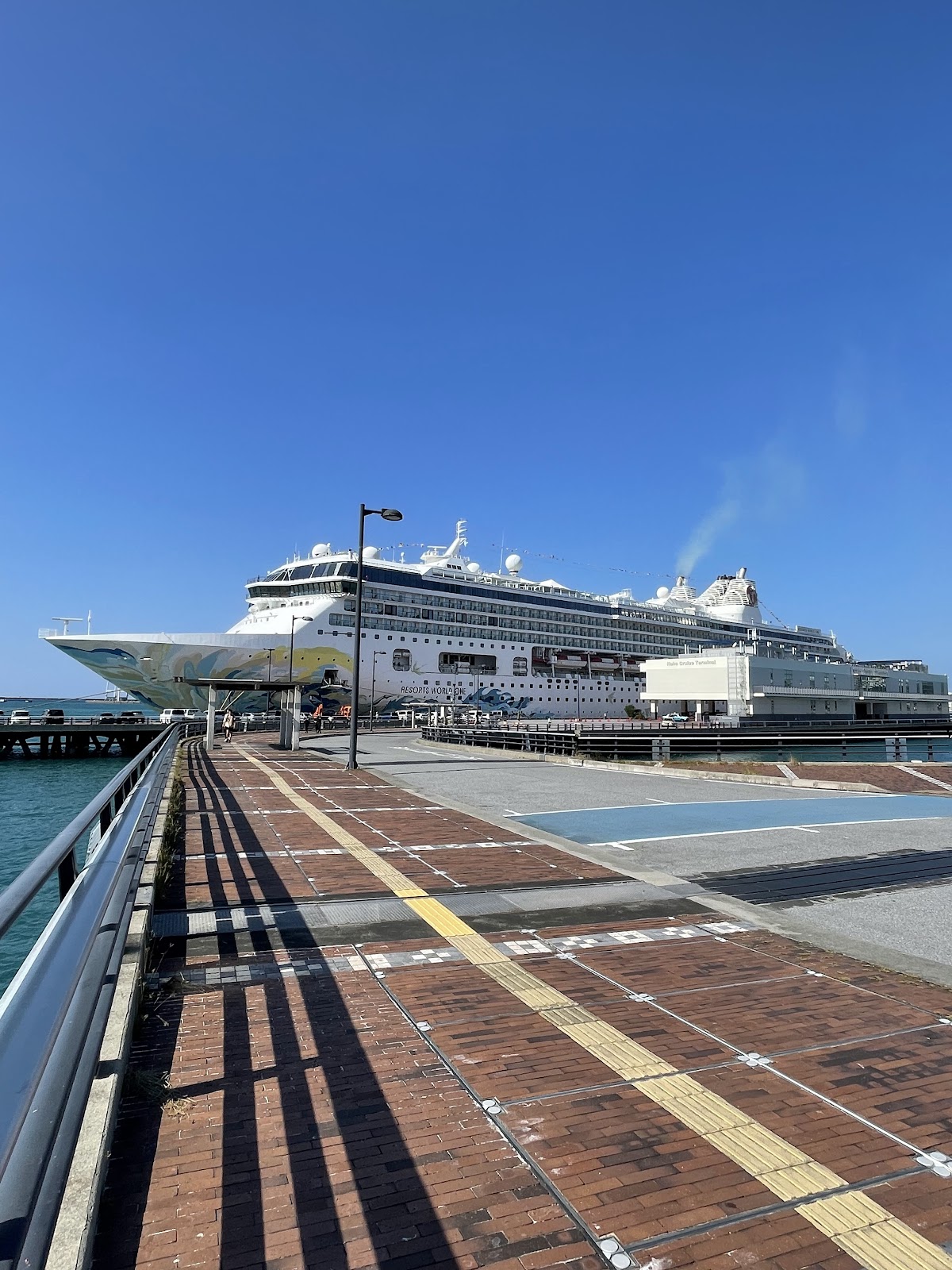
Cruises to Naha
Naha makes a compact Okinawa day feel layered: castle views, street food, ceramics, quiet gardens, and beach time without leaving the city.
Upcoming visits
49
Best fare
$188 per night
Naha makes a compact Okinawa day feel layered: castle views, street food, ceramics, quiet gardens, and beach time without leaving the city.
Find Naha on Google Maps before you plan the port day.
Naha works well as a cruise port because the best choices do not all point in the same direction. You can make the day about Ryukyu history at Shuri Castle, stay close to the terminal for Kokusai-dori snacks and shopping, or slow the pace with pottery lanes, gardens, and a quick urban beach break. It is not a port where you need to chase a far-flung checklist to feel like you did something real.
The smartest Naha plan is built around one anchor and a couple of nearby add-ons. History people should put Shuri Castle first and use the shuttle option from port. Food and shopping travelers can keep the day mostly walkable around Kokusai-dori, Tsuboya Yachimun Street, and Makishi. If heat, rain, or low energy enters the chat, the museums and gardens give the day structure without turning it into a forced march.
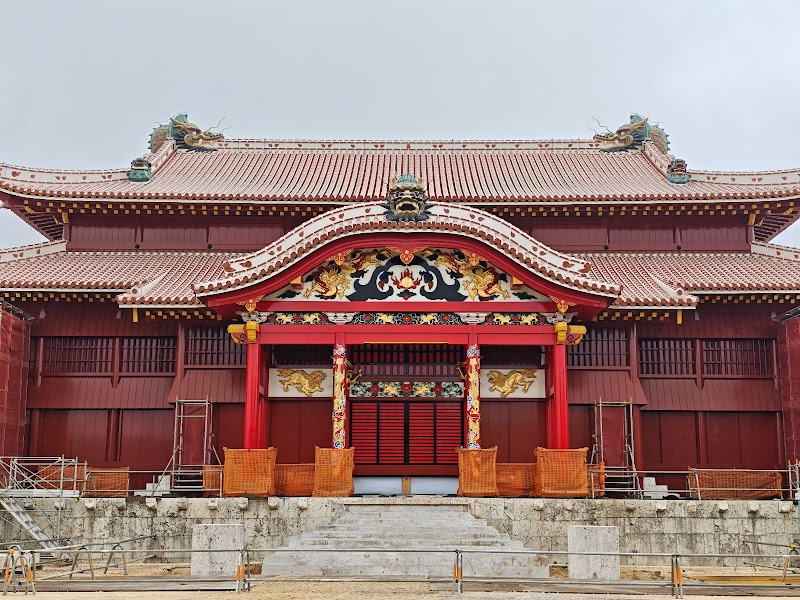
Shuri Castle is the stop to prioritize if you want Naha to feel distinctly Okinawan rather than like a generic city call. The UNESCO Ryukyu Kingdom fortress brings red-tiled walls, broad views, and a rebuilt presence that makes the site visually memorable even on a tight port day. Because there is a shuttle bus from the port, it is realistic for cruise passengers who do not want to spend the whole stop negotiating transport. Go early if it is your main event, then leave time for food or shopping back in town.
History travelers, first-time visitors, and anyone who wants one signature Okinawa sight.
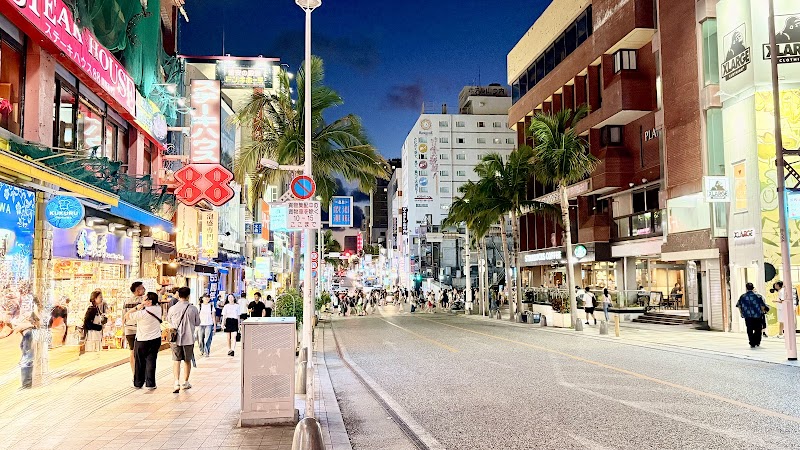
Kokusai-dori is the practical answer for passengers who want maximum texture with minimum logistics. The long shopping boulevard sits close to the terminal and packs in souvenirs, food stalls, and street performers, so it can carry a casual half day on its own. This is where to try taco rice, sample awamori if you are not rushing back to the ship, and pick up Okinawan gifts without building a complicated route. It can feel busy, but that is part of the point: this is Naha in motion, not a sealed-off attraction.
You want food, shopping, and people-watching without committing to a major excursion.
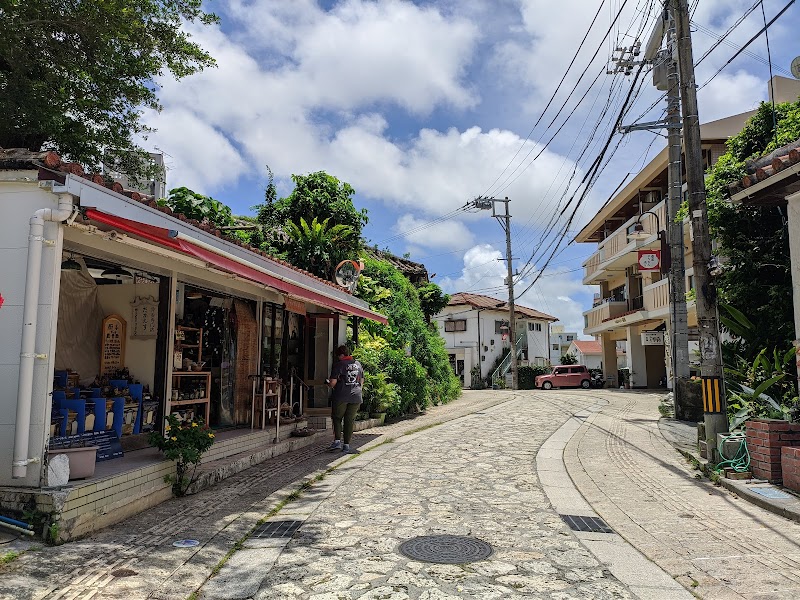
Tsuboya Yachimun Street is the more considered shopping move. Instead of grabbing the loudest souvenir on Kokusai-dori, come here for Okinawan ceramics, small shops, and the kind of craft district that rewards slowing down. The red pottery gives you something tactile and place-specific to bring home, and artisan demos add context if you like seeing how things are made. It fits travelers who would rather browse than bargain, and it pairs naturally with a Kokusai-dori plan because you are staying in the same general urban rhythm.
You only want beach time or big-ticket landmarks. This is a quiet, browse-heavy stop.
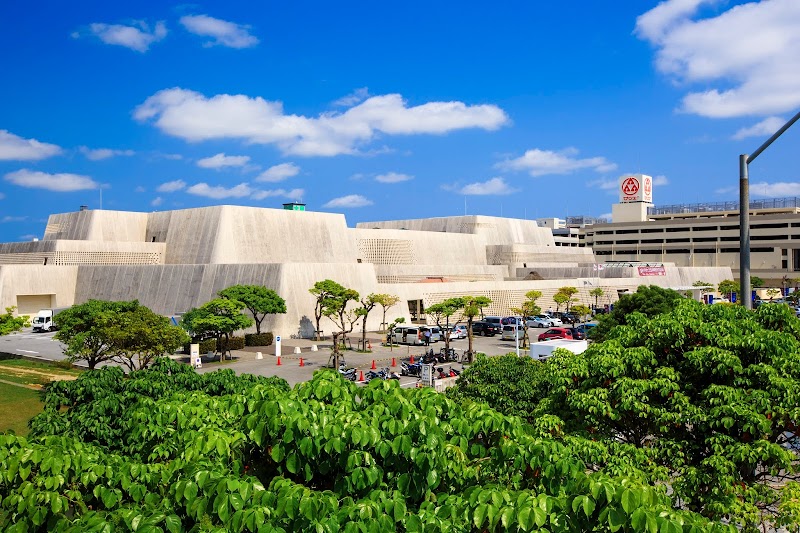
The Okinawa Prefectural Museum is the port-day reset for travelers who like their sightseeing with context. Its modern exhibits cover Ryukyu culture, World War II, and Okinawa's natural history, so it helps explain why this island feels culturally different from mainland Japan. It is also air-conditioned, which matters more than people admit on a packed cruise day. Choose it if weather gets messy, if you are traveling with mixed interests, or if you want a quieter alternative to shopping streets without giving up on substance.
A strong rainy-day or hot-day option that still feels connected to Okinawa.
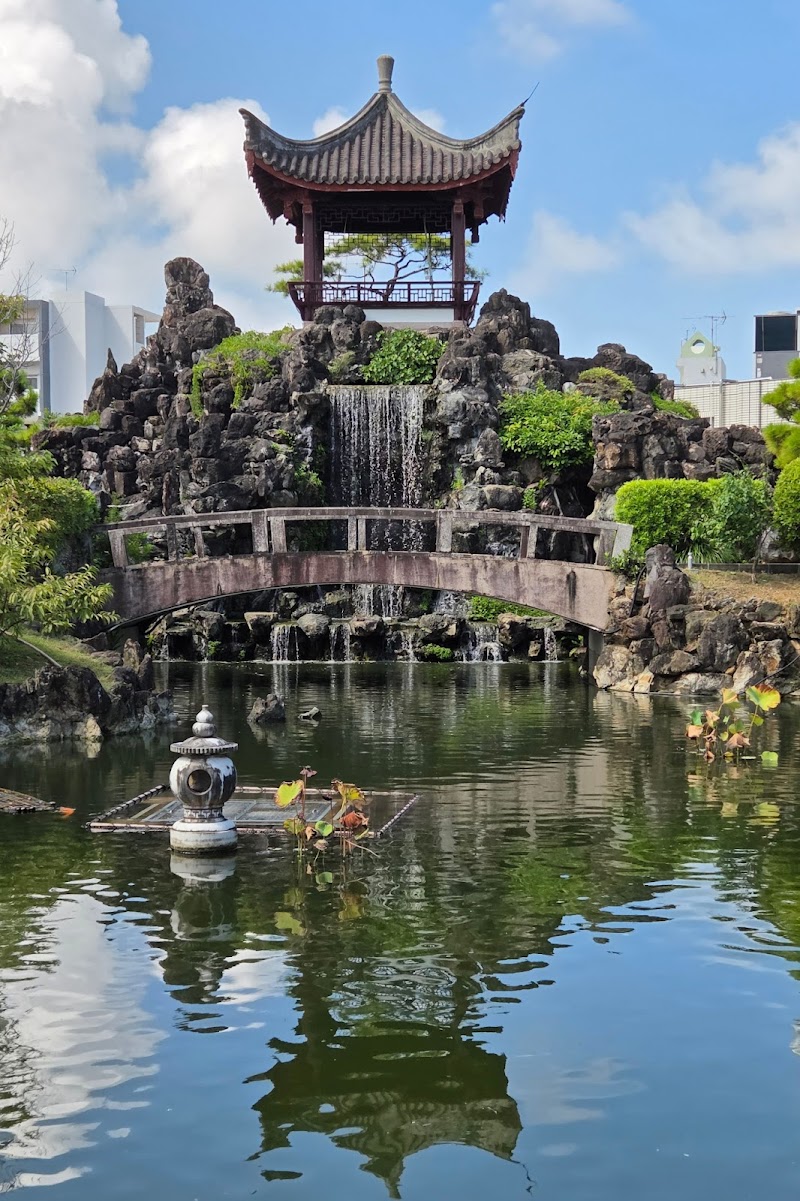
Fukushu-en Chinese Garden is not the biggest stop in Naha, but it may be the one you appreciate most between louder plans. The Suzhou-style pavilions, ponds, and garden framing make it a calm, photogenic pause when Kokusai-dori starts to feel too dense. It is best treated as an add-on rather than the whole day: a place to reset, take a few strong photos, and change the mood before heading back to food, shopping, or the ship. For couples and solo wanderers, it is an easy win.
Come for reflections, pavilions, and a calmer visual break from the city streets.
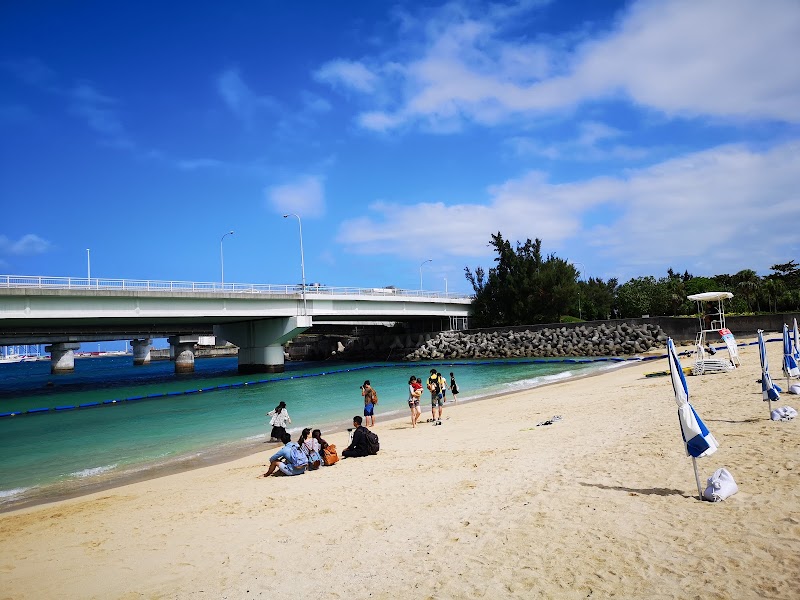
Naminoue Beach is the easy beach option, not the epic island escape. That is exactly why it matters for cruise passengers. You can swim, sit by the water, or grab a quick coastal breather with shrine views without reshaping the entire day around sand. It fits travelers who want to say they touched the Okinawan shoreline but still care about getting back for food, shopping, or a museum. If your dream is a full beach-club day, look elsewhere; if you want a simple reset, this does the job.
A short beach break before or after a city-focused Naha plan.
UNESCO Ryukyu Kingdom fortress with red-tiled walls and panoramic views; recent rebuild shines. Shuttle bus from port. Must for history buffs.
3km shopping boulevard with Okinawan souvenirs, food stalls, and buskers. Try taco rice or awamori. Steps from terminal.
Traditional pottery district; browse/shops for red Okinawan ceramics. Artisan demos. Authentic crafts.
Duty-free luxury shopping for brands and local pearls. Tax savings for cruisers. Connected to Kokusai.
Current sailings visiting this port, sorted by the lowest tracked cabin price per night.
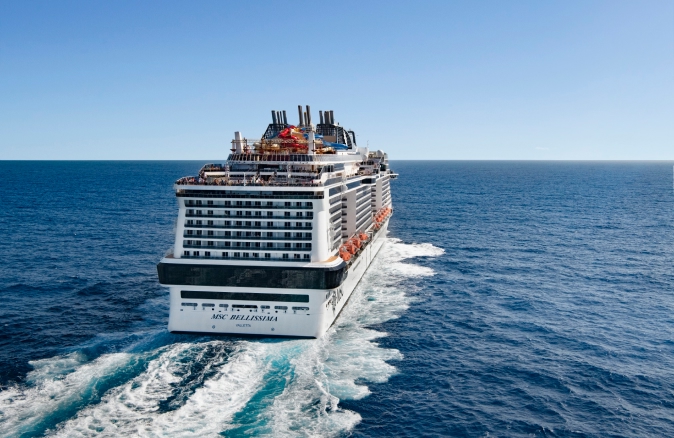
Built 2019
Keelung · Miyakojima · Naha · Ishigaki
Built 2019
Keelung · Miyakojima · Naha · Ishigaki
Built 2019
Naha · Ishigaki · Keelung · Miyakojima
Built 2019
Keelung · Miyakojima · Naha · Ishigaki
Built 2019
Keelung · Miyakojima · Naha · Ishigaki
Built 2019
Keelung · Miyakojima · Naha · Ishigaki
Built 2019
Keelung · Miyakojima · Naha · Ishigaki
Built 2019
Naha · Ishigaki · Keelung · Miyakojima
Built 2019
Naha · Ishigaki · Keelung · Miyakojima
Built 2019
Naha · Ishigaki · Keelung · Miyakojima
Built 2000
Tokyo · Nagoya · Osaka · Naha · Keelung · Hong Kong · Chan May · Singapore
Built 2019
Naha · Ishigaki · Keelung · Miyakojima
Modern exhibits on Ryukyu culture, WWII, and nature. Interactive and air-conditioned. New facility.
Mini Suzhou-style garden with pavilions and koi ponds. Serene contrast to bustle. Photo haven.
Urban beach with shrine views; swim or relax. Quick escape. Sunset spot.
Poignant WWII museum on sunken ship tragedy. Quiet reflection. Educational.