JP
Cruises to Nagoya
Nagoya is best as a choose-your-lane port: heritage, transport tech, or sleek city design, all without pretending you can see everything.
Upcoming visits
23
Best fare
$230 per night
Nagoya is best as a choose-your-lane port: heritage, transport tech, or sleek city design, all without pretending you can see everything.
Find Nagoya on Google Maps before you plan the port day.
Nagoya is not the loudest Japan port, which is exactly why it can make a good cruise stop. The city is practical, layered, and visually sharper than it first appears: gold-topped castle roofs, a shrine hidden in deep green forest, bullet trains lined up like design objects, and a glassy spaceship hovering over a shopping complex. It suits travelers who like their port days structured but not overstuffed. Instead of chasing every famous Japan image in one go, Nagoya gives you a day of specific contrasts: samurai-era symbolism, industrial genius, and modern urban polish.
The smartest Nagoya plan starts with a theme. History people should pair Nagoya Castle with Atsuta Jingu Shrine or the Tokugawa Art Museum. Families and transport nerds can build the day around SCMAGLEV and Railway Park, with the Toyota Commemorative Museum as the more grown-up industrial counterpart. If you want a lighter city hit, Oasis 21 and Nagoya TV Tower with Hisaya-odori Park deliver the most immediate photos without requiring a museum mood. The port is worth booking if you enjoy cities that reveal themselves through a few well-chosen stops rather than one obvious headline attraction.
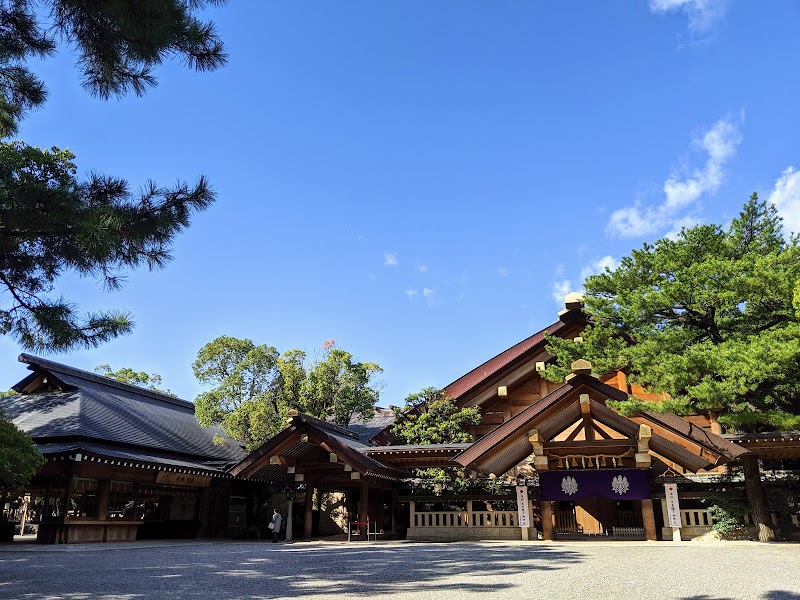
Atsuta Jingu Shrine is the best first pick for travelers who want Nagoya to feel older, calmer, and more ritual than skyline. Its forested setting changes the tempo of a cruise day fast, especially if your itinerary has been heavy on busy cities. The shrine is tied to an imperial sword and has a solemn atmosphere that rewards slower walking, not checklist energy. Prioritize it if you like sacred spaces, tree cover, and cultural weight over big visual spectacle. It also pairs well with a second heritage stop, as long as you resist turning the day into a race.
Travelers who want a quieter, more contemplative Japan port day.
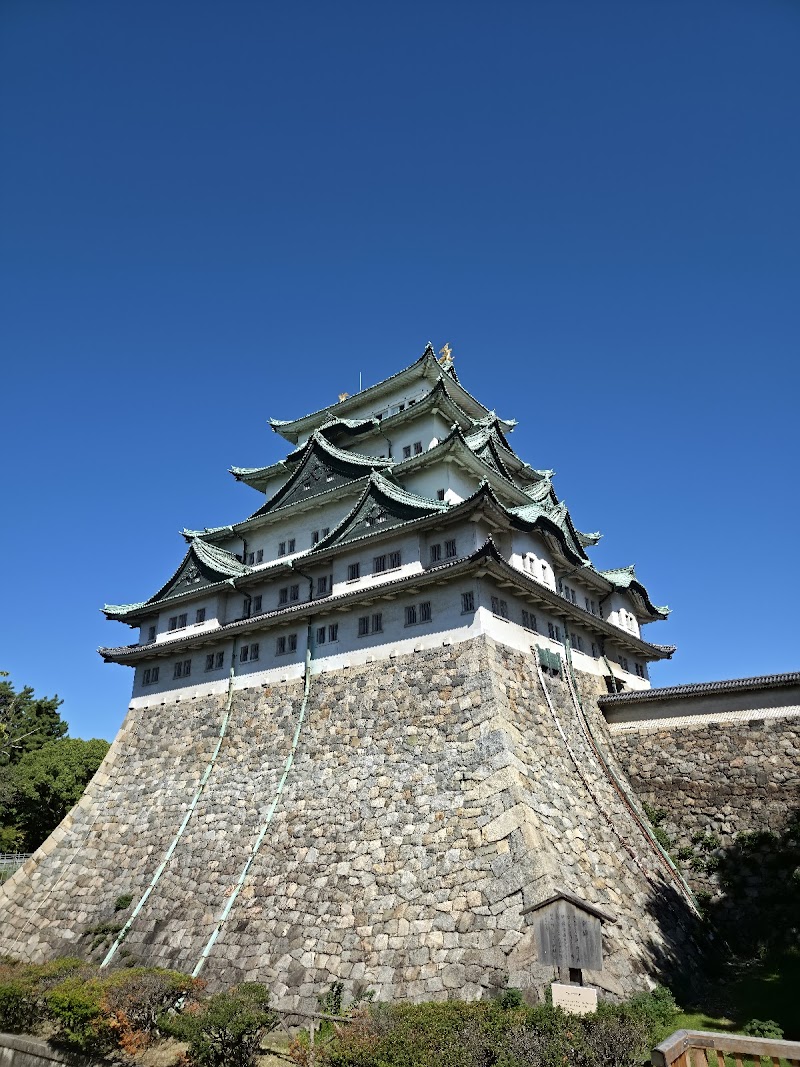
Nagoya Castle is the citys most straightforward cruise-day icon: broad park walks, formal architecture, and those gold shachihoko guardians catching the eye from the roofline. It works because you do not need specialist knowledge to enjoy it, but there is enough detail to keep history-minded travelers engaged. The restored palace interiors add a crafted, decorative layer beyond the exterior photos. In sakura season, the surrounding grounds become the obvious slow-walk choice. If you only want one heritage stop, make it this; if you want the day to feel deeper, pair it with Atsuta Jingu rather than adding another city viewpoint.
Golden shachihoko guardians, palace interiors restored post-quake. Sakura spot. Park walks.
Imperial sword shrine in vast forest; solemn rituals. Japan's holiest. Tranquil.
Bullet trains, maglev simulators, Thomas Land for kids. Tech wonder. Family hit.
Industrial tech history, working looms/assembly lines. Insightful. Near station.
Current sailings visiting this port, sorted by the lowest tracked cabin price per night.
Built 2000
Tokyo · Nagoya · Osaka · Naha · Keelung · Hong Kong · Chan May · Singapore
Built 2008
Tokyo · Nagoya · Kobe · Naha · Jeju · Yatsushiro · Mount Fuji
Built 2004
Tokyo · Nagoya · Toba · Tokushima · Kochi · Nagasaki · Busan · Kanmon Strait · Hiroshima · Beppu
Built 2004
Tokyo · Nagoya · Toba · Tokushima · Kochi · Nagasaki · Busan · Kanmon Strait · Hiroshima · Beppu · Wakayama · Kagoshima · Yatsushiro
Built 2004
Tokyo · Toba · Kochi · Busan · Nagasaki · Kagoshima · Matsuyama · Aburatsu · Kobe · Nagoya · Tokushima · Kanmon Strait · Hiroshima · Beppu
Built 2006
Seoul · Sakaiminato · Niigata · Akita · Aomori · Hakodate · Nagoya · Osaka · Mount Fuji · Tokyo
Built 2006
Hong Kong · Shanghai · Kagoshima · Nagasaki · Fukuoka · Kochi · Osaka · Mount Fuji · Tokyo · Busan · Hiroshima · Nagoya
Built 2006
Tokyo · Mount Fuji · Osaka · Kagoshima · Nagasaki · Busan · Fukuoka · Hiroshima · Kochi · Nagoya
Built 2006
Tokyo · Mount Fuji · Nagoya · Osaka · Kochi · Hiroshima · Shimonoseki · Nagasaki · Jeju · Sasebo
Built 2006
Tokyo · Mount Fuji · Osaka · Kagoshima · Nagasaki · Busan · Fukuoka · Hiroshima · Kochi · Nagoya · Seoul · Jeju
Built 2006
Tokyo · Mount Fuji · Nagoya · Kobe · Ishinomaki · Hakodate · Akita · Kanazawa · Maizuru · Seoul
Built 2006
Tokyo · Mount Fuji · Nagoya · Osaka · Kochi · Hiroshima · Kagoshima · Nagasaki · Jeju · Seoul
High, especially for first-time visitors to Nagoya.
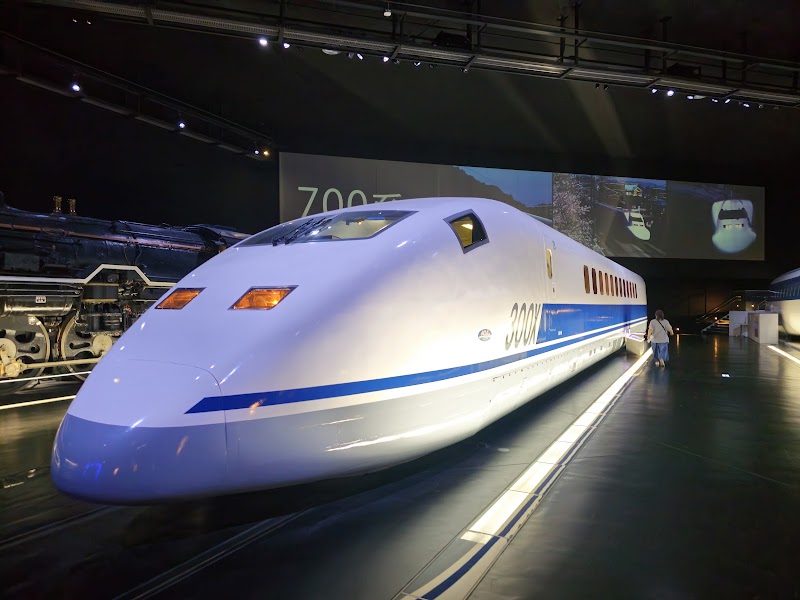
SCMAGLEV and Railway Park is where Nagoya stops being subtle. Bullet trains, maglev exhibits, simulators, and kid-friendly Thomas Land elements make it one of the clearest choices for families, train fans, and anyone who prefers engineering over temple fatigue. It is also a good reminder that Japan's visual culture is not only shrines and castles; speed, precision, and transport design are part of the story too. Build around it rather than treating it as a quick add-on, because the appeal is in lingering with the machines and the hands-on pieces. For multigenerational groups, this may be the easiest consensus pick.
Families, rail fans, and travelers who want hands-on tech instead of another historic site.
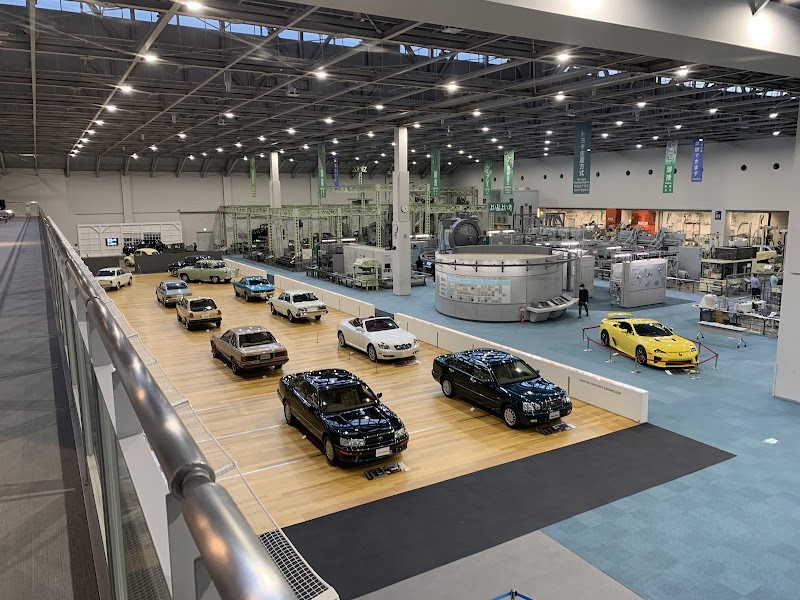
The Toyota Commemorative Museum is the smarter pick for travelers who like understanding how a city works. Its focus on industrial technology, working looms, and assembly-line history gives Nagoya a context that a castle alone cannot. This is not a passive display-case stop; the moving machinery is the point, and it makes the citys manufacturing identity feel tangible. Because it is noted for being near a station, it can fit well into a practical day plan, but do not treat it as filler. Choose it over a second heritage stop if your ideal port day includes design, process, and real-world invention.
Combine with SCMAGLEV and Railway Park for a tech-focused Nagoya day.
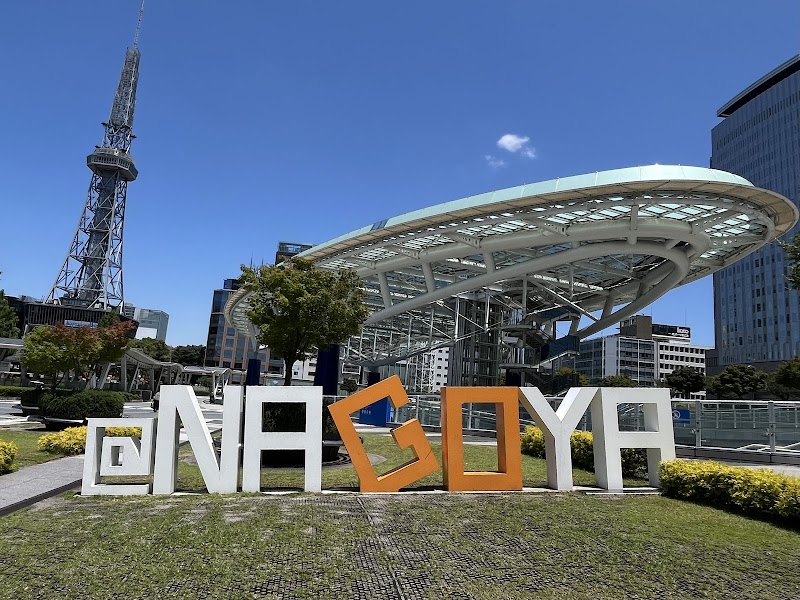
Oasis 21 is the stop for travelers who want one unmistakably modern Nagoya image. The rooftop water spaceship structure feels more sci-fi civic plaza than standard mall, with shopping tucked below and city views built into the experience. It is not the deepest cultural stop on the list, but it is visually efficient, which matters on a port day. Use it as a lighter reset between museums or as the centerpiece of an urban walk if you are not in the mood for a full heritage itinerary. It suits photographers, design fans, and anyone who wants a quick hit of present-day Nagoya.
A short, design-forward stop with easy visual payoff.
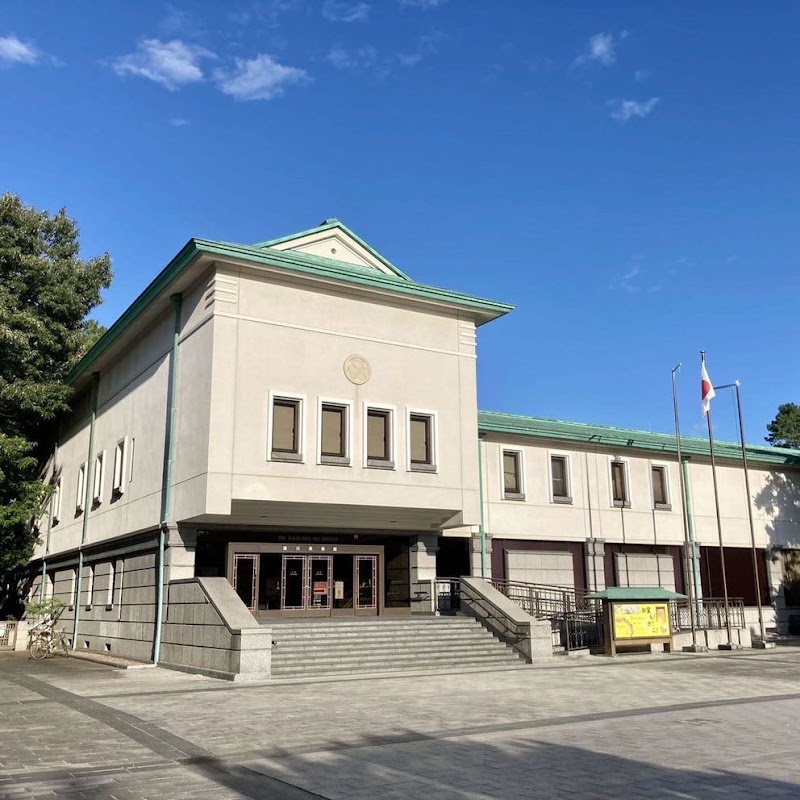
The Tokugawa Art Museum is the antidote to a rushed, surface-level port day. Its samurai treasures, Noh screens, and Japanese garden lean elegant rather than blockbuster, which makes it best for travelers who already know they enjoy museums. This is where Nagoya turns quieter and more finely textured, with Edo-period taste replacing big exterior spectacle. It is not the first recommendation for kids who need constant movement, but it is a strong choice for art lovers or repeat Japan visitors who want more than the obvious castle stop. Prioritize it when quality of attention matters more than quantity of stops.
Art-focused travelers and repeat visitors looking for a more nuanced Nagoya.
Futuristic spaceship structure with rooftop 'water spaceship' views. Shopping below. Iconic photo.
Tower views of city/green lung park with fountains, events. Urban oasis.
Porcelain factory gardens, museum, craft experiences. Pretty china.
Samurai treasures, Noh screens in Japanese garden. Edo elegance.