JP
Cruises to Muroran
Muroran rewards cruise passengers who like rugged viewpoints, harbor texture, and a port day that feels specific rather than overproduced.
Upcoming visits
5
Best fare
$178 per night
Muroran rewards cruise passengers who like rugged viewpoints, harbor texture, and a port day that feels specific rather than overproduced.
Find Muroran on Google Maps before you plan the port day.
Muroran is not the Japanese port where you try to cram in a famous-city checklist. Its strongest moments are visual and local: a red lighthouse above the ocean, city lights across the bay, a forested waterfall, and small harbor scenes that feel tied to daily life rather than staged for visitors. That makes it a good fit for travelers who want a different rhythm from temple-heavy or shopping-heavy port days. The best plan is simple: choose one big viewpoint, add either nature or food, and leave enough room for weather and timing to shape the day.
The main decision is whether your call allows for an evening view. Muroran Night View is one of the port's signature experiences, but it only makes sense if the ship schedule cooperates. If not, build the day around Earth Cape and Zeniya Lighthouse, then layer in Yorite Waterfall or the Muroran Earth Science Museum depending on your energy level. This is a port where scenery does a lot of the work, so prioritize places with a clear payoff over trying to touch every pin on the map.
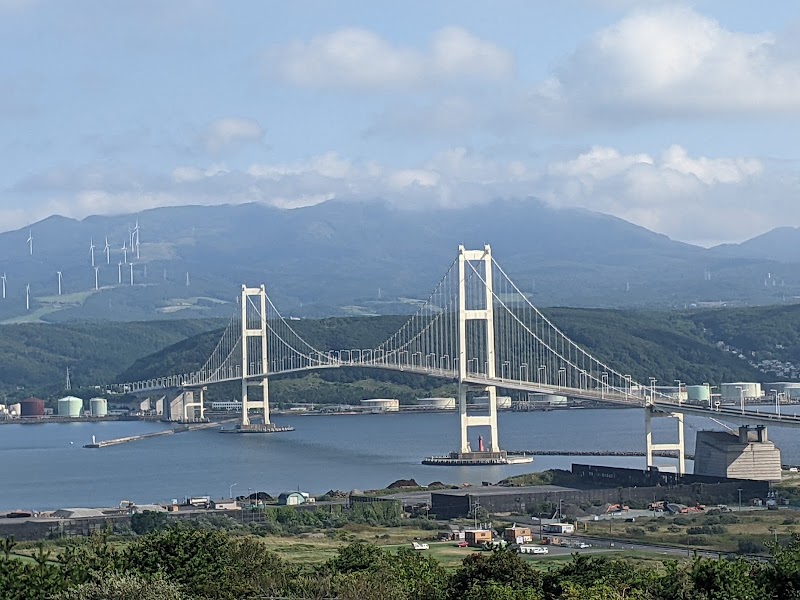
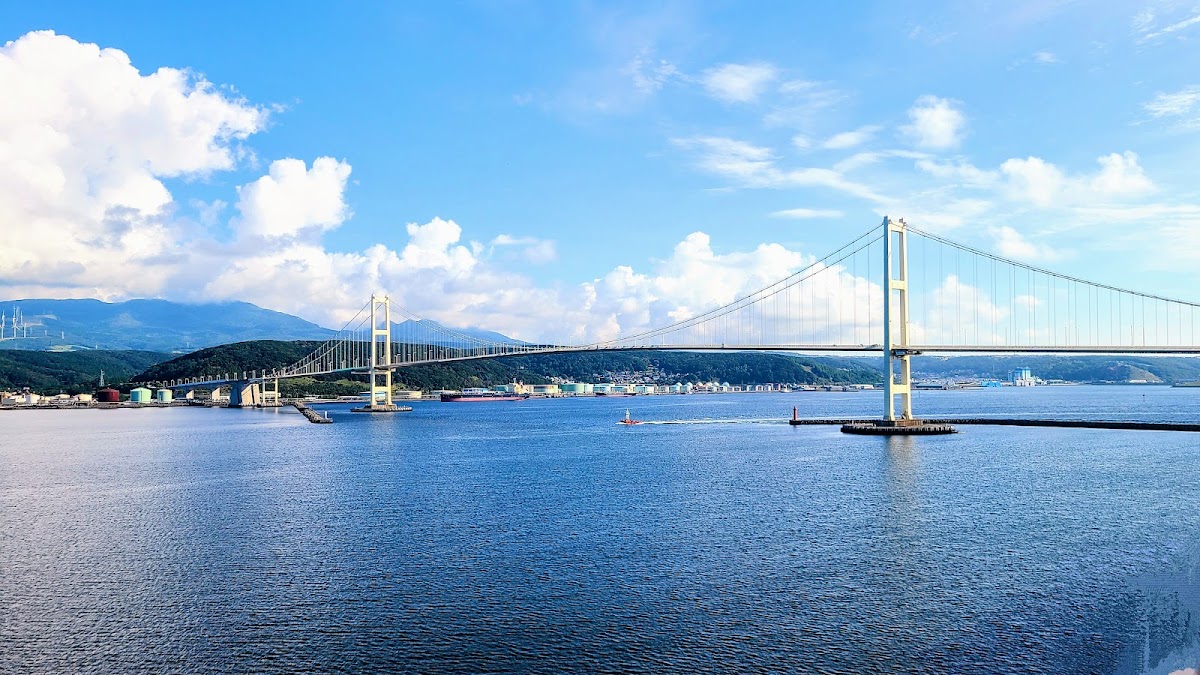
Muroran Night View is the port's most cinematic play if your call runs late enough. From Cape Chikiu, the city lights and bay reflections create the kind of wide, graphic scene that actually feels worth building a plan around. It is best for photographers, couples, and anyone who prefers one memorable viewpoint to a rushed string of stops. The catch is timing: for a standard daytime call, do not force it. Treat it as a priority only when the ship schedule gives you a realistic evening window.
Save Muroran Night View for calls that extend into the evening; otherwise, choose the cape by day.
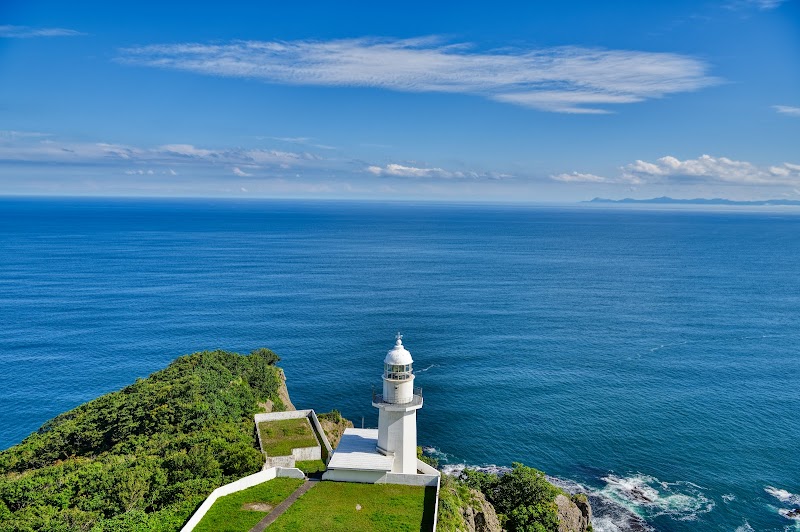
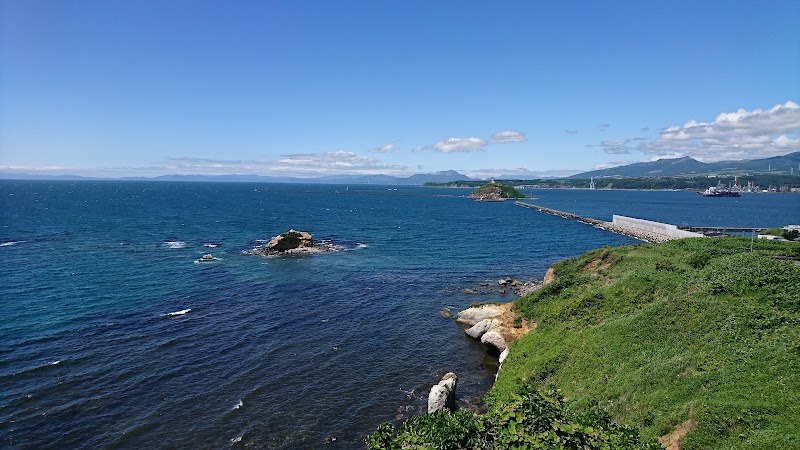
Zeniya Lighthouse is the easiest yes in Muroran if you want a strong sense of place without overcomplicating the day. The red lighthouse on Earth Cape gives the stop a clean visual anchor: ocean, trail, sky, and a bold splash of color. It works well for first-time visitors, casual walkers, and travelers who want photos that do not look like every other port. If you only have time for one outdoor stop, this is a smart pick because the reward is immediate and the setting carries the experience.
One of Japan's top 3 nightscapes from Cape Chikiu. City lights and bay sparkle. Evening must-see.
Iconic red lighthouse on Earth Cape with trails. Ocean panoramas. Classic photo spot.
Scenic falls in forested park, short hike. Refreshing nature break. Industrial contrast.
Volcanic rocks, minerals from local area. Interactive geology. Educational fun.
Current sailings visiting this port, sorted by the lowest tracked cabin price per night.
Built 2000
Vancouver · Muroran · Hakodate · Mount Fuji · Tokyo
Built 2018
Vancouver · Muroran · Akita · Hakodate · Tokyo
Built 2000
Tokyo · Aomori · Hakodate · Muroran · Vancouver
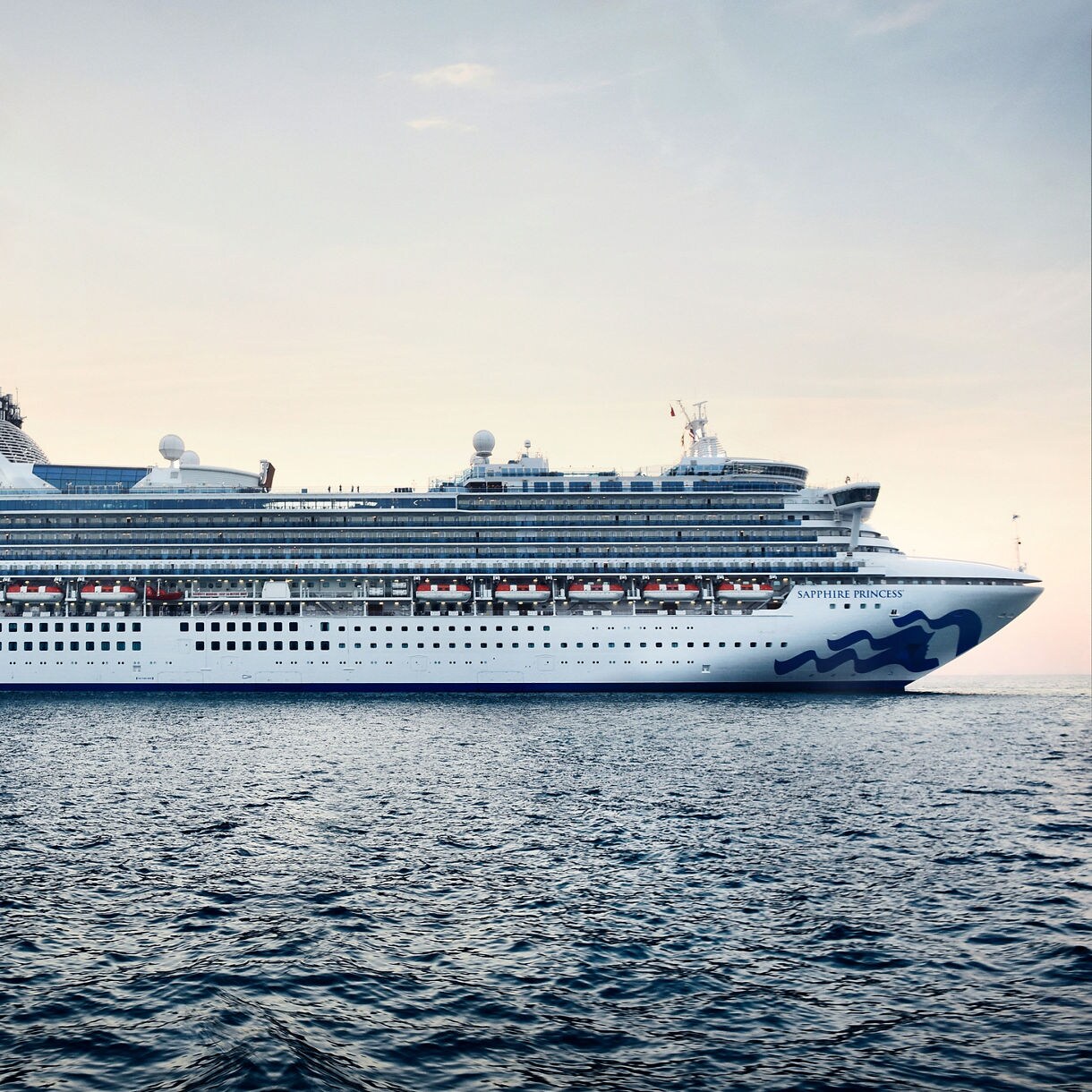
Built 2004
Tokyo · Miyako · Hakodate · Aomori · Akita · Niigata · Kanazawa · Sakaiminato · Busan · Nagasaki · Mount Fuji · Muroran · Kagoshima
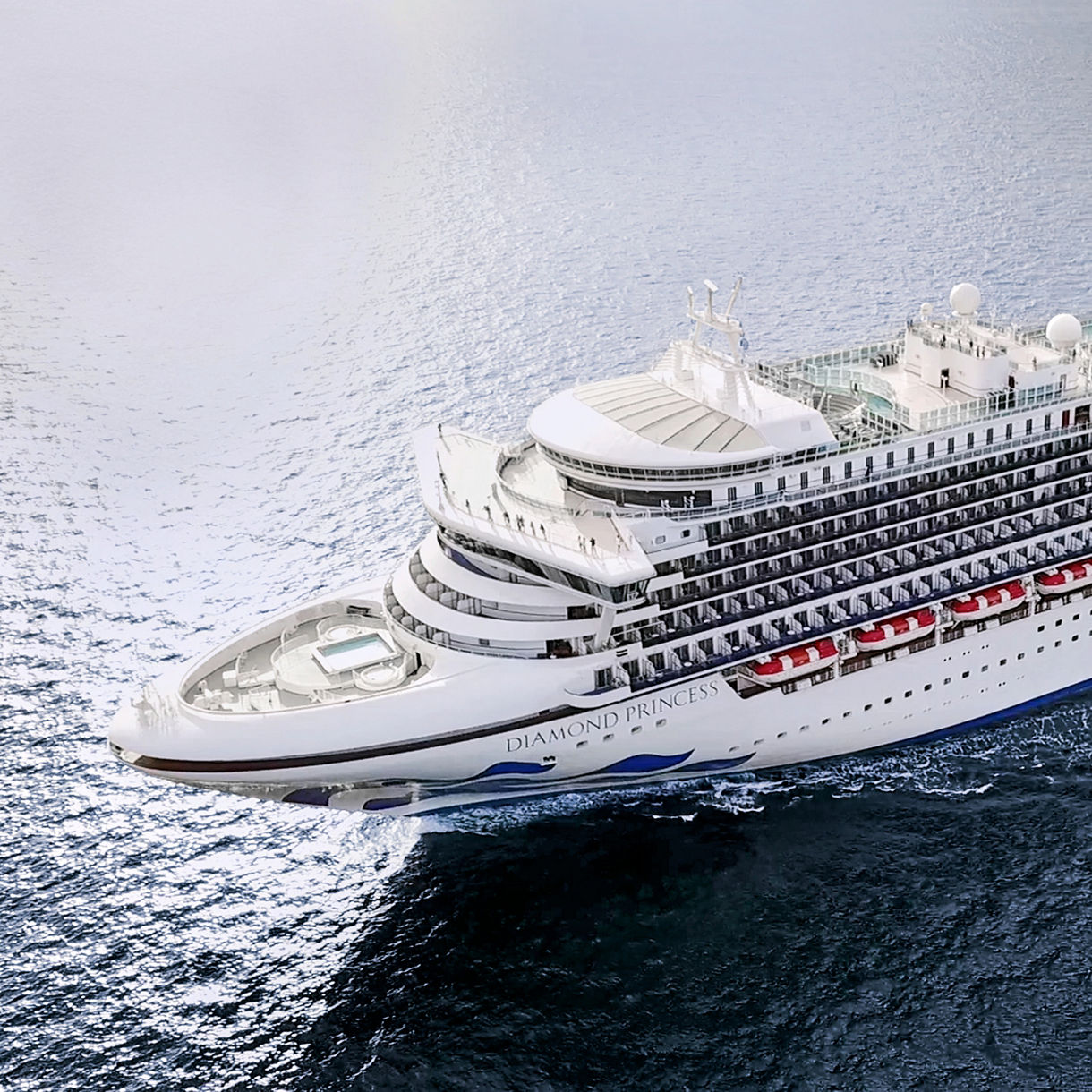
Built 2004
Tokyo · Toba · Nagasaki · Busan · Sakaiminato · Maizuru · Toyama · Sakata · Hakodate · Miyako · Hitachinaka · Aomori · Muroran
Use Zeniya Lighthouse as the anchor for a short, scenery-first Muroran day.
Yorite Waterfall is the nature break to choose when you want Muroran to feel quieter and greener. The appeal is not a giant spectacle; it is the contrast of a forested park and a short hike against a port city with visible industrial edges. That makes it especially good after several busy city calls or a run of ship-heavy sea days. Wear shoes you do not mind walking in, keep the plan flexible in wet weather, and pair it with a viewpoint rather than treating it as the whole day.
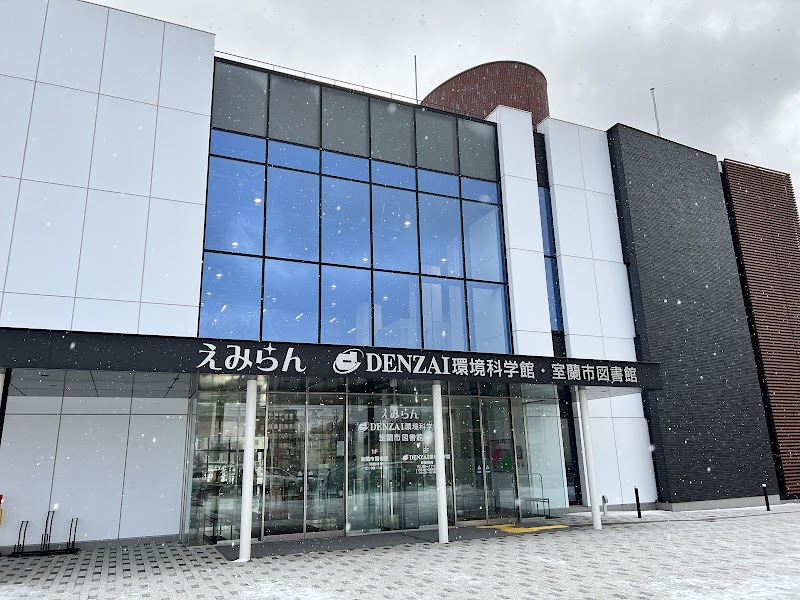
Muroran Earth Science Museum is the practical backup that still feels connected to the destination. Its focus on volcanic rocks, minerals, and local geology gives context to the coastline and rugged landscapes you see outside. This is a good option for families, science-minded travelers, or anyone who does not want a rainy port day to collapse into aimless shopping. It is not the flashiest stop, but it gives the day structure and pairs neatly with a lighthouse or waterfall plan when you want some indoor time.
Keep the Earth Science Museum in reserve when outdoor viewpoints are less appealing.
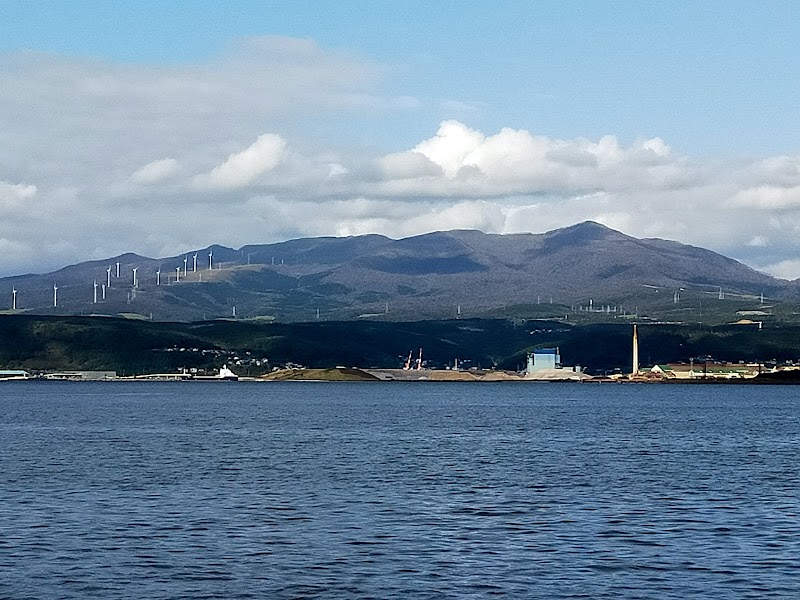
Tatsugami Fishing Port is not polished in the way cruise passengers sometimes expect, and that is the point. Come here for boat watching, seafood market energy, and a taste of working-harbor Muroran. It fits travelers who would rather see local routines than another souvenir strip, especially if food is part of how you read a place. Keep expectations grounded: this is more about texture than landmark drama. It is best as a shorter add-on before or after a scenic stop, not the single reason to leave the ship.
Washibetsu Park is for cruise passengers who want the day to decelerate. The draw is seasonal cherry blossoms, green space, and a hot springs foot bath, so it works best when you are not chasing a hard itinerary. It is a softer stop than the cape or lighthouse, but that can be exactly right if you have already done the major viewpoints or need an easy reset. Think of it as a low-pressure pause rather than a must-see, especially for travelers who value quiet over another photo checklist.
Pick Washibetsu Park when you want a relaxed break, not a headline attraction.
Cherry blossoms and hot springs foot bath. Relaxing green space. Seasonal charm.
Fresh seafood markets, boat watching. Local cuisine taste. Authentic harbor life.
Hilltop shrine with city views. Peaceful hike. Spiritual hidden spot.