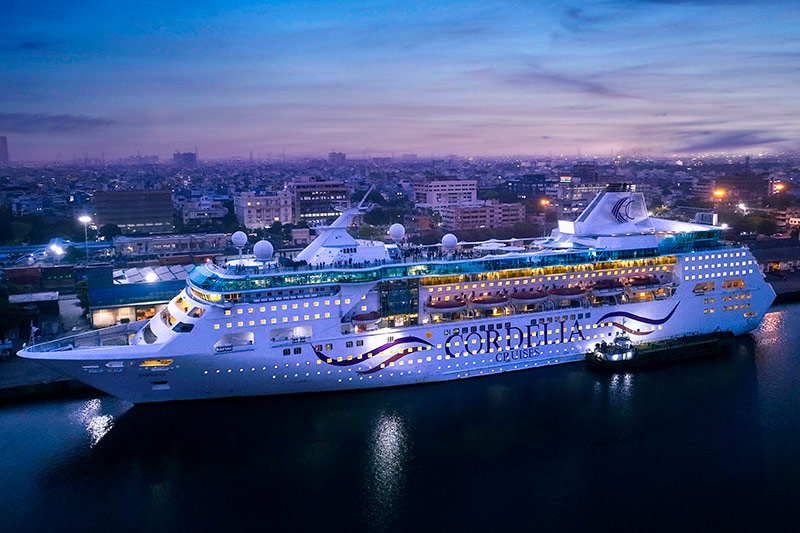
Mumbai is not a port where you should try to conquer the whole map. The city is layered, loud, coastal, devotional, colonial, commercial, and constantly in motion, which is exactly why a cruise stop here can feel bigger than the time you actually have. The smartest plan is to pick one anchor experience, then add one nearby contrast: a waterfront landmark with a market, a UNESCO site with a drive along the bay, or a sacred stop with a calmer historic corner.
For first-timers, the southern Mumbai circuit gives the clearest payoff: the Gateway of India for the essential photo, Elephanta Caves if you want a real history detour, Marine Drive for the bayfront reset, and Colaba Causeway if you want shopping without turning the day into logistics. Travelers who already know the major icons can go more textured with Chhatrapati Shivaji Terminus, Haji Ali Dargah, Dhobi Ghat, or Sassoon Docks. Either way, Mumbai works best when you leave room for the city to happen around you.
Start at the Gateway of India
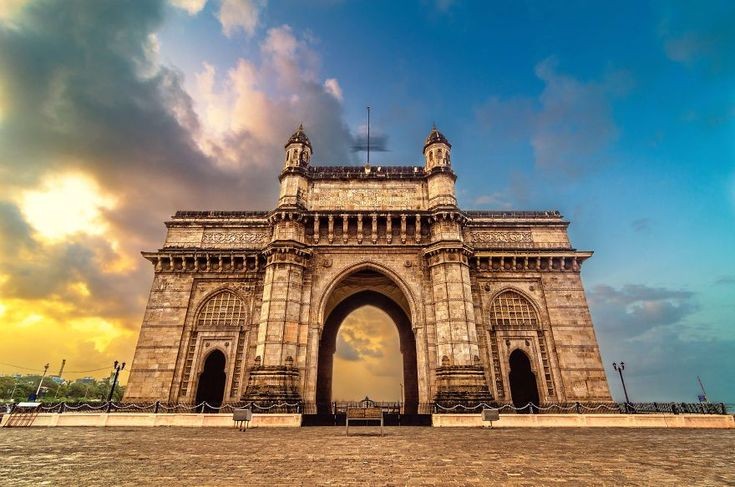
The Gateway of India is the obvious opener, and for once, obvious is correct. The arch faces the Arabian Sea and gives you the cleanest visual shorthand for Mumbai in a single stop: stone, water, crowds, and colonial history in one frame. It was built to mark King George V's visit, but for cruise passengers it functions just as much as a planning hub. Come for photos and a short walk, then decide whether you are continuing by ferry to Elephanta Caves or staying land-based in Colaba.
First-timers who want the classic Mumbai image before branching out.
Commit to Elephanta Caves if history is your priority
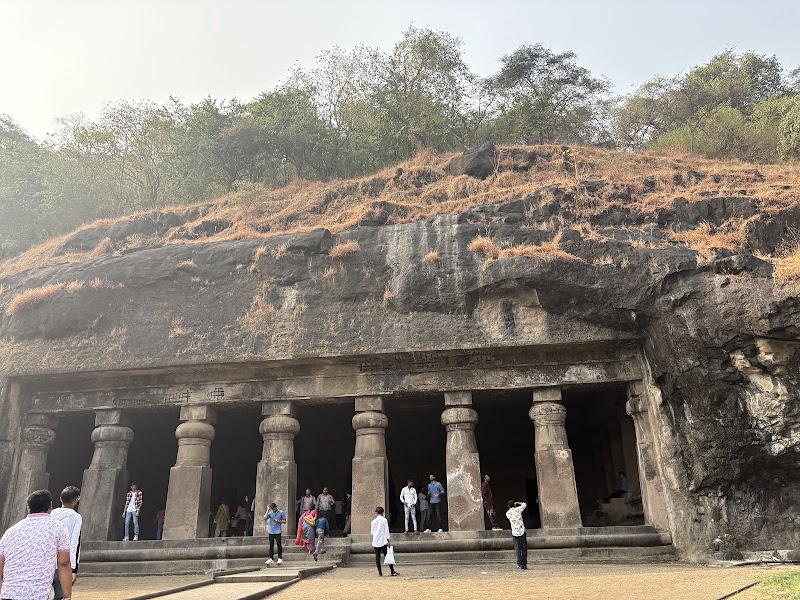
Elephanta Caves is the strongest choice if you want the day to feel like more than a city photo loop. The UNESCO-listed rock-cut temples on Elephanta Island date from the 5th-8th century and are known for Shiva sculptures and ancient architecture. The catch is simple: the island is reached by a ferry of about one hour from the Gateway area, so this is not a casual add-on. Choose it if you like archaeology, sculpture, and a clear destination; skip it if your ideal port day is shopping, snacking, and short hops.
The ferry makes this a real commitment, not a quick side quest.
Use Marine Drive as the reset button
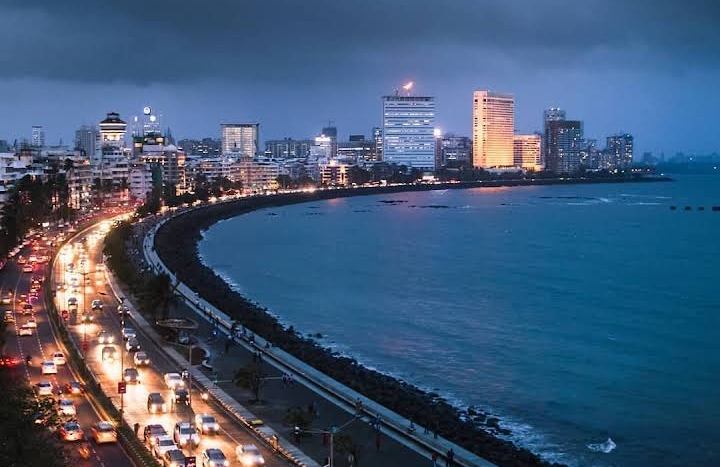
Marine Drive is where Mumbai loosens its shoulders. The 3km promenade curves along the bay, with sea air, skyline views, and the kind of open space that feels especially good after dense streets and sightseeing stops. If your call overlaps with evening, the lights give the bay its Queen's Necklace nickname; if not, it still works as a scenic drive or short walk. Prioritize it if you want a low-effort, high-visual stop, especially after museums, markets, or a ferry day.
Travelers who want water, skyline, and a breather without building a whole excursion around it.
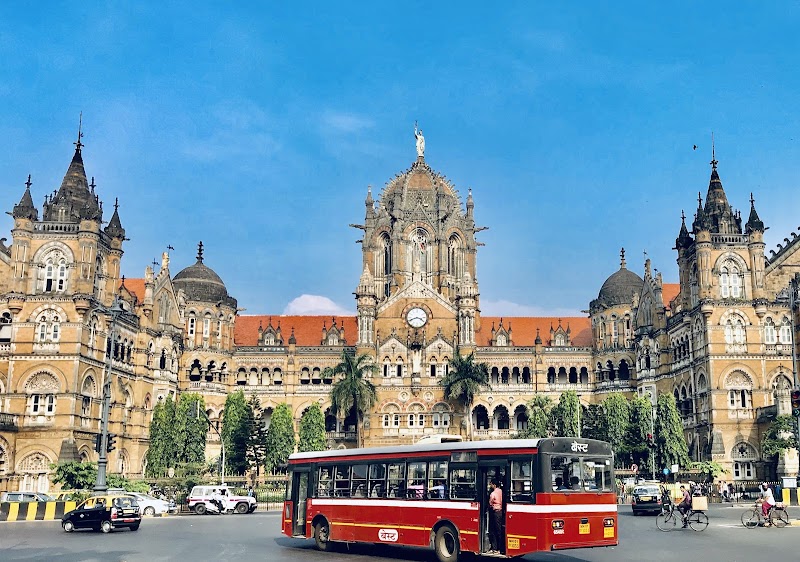
Let Chhatrapati Shivaji Terminus do the architecture work
Chhatrapati Shivaji Terminus is one of Mumbai's best short-stop wins because you do not need hours to understand why it matters. The Victorian Gothic railway station is a UNESCO site, packed with detail and constantly alive as a working transport hub. An exterior photo stop is enough for a fast itinerary, while a guided look inside suits travelers who care about architecture and urban history. It is also a useful counterpoint to the waterfront icons: less polished postcard, more city-in-motion.
Architecture fans who want a major landmark without losing the whole day.
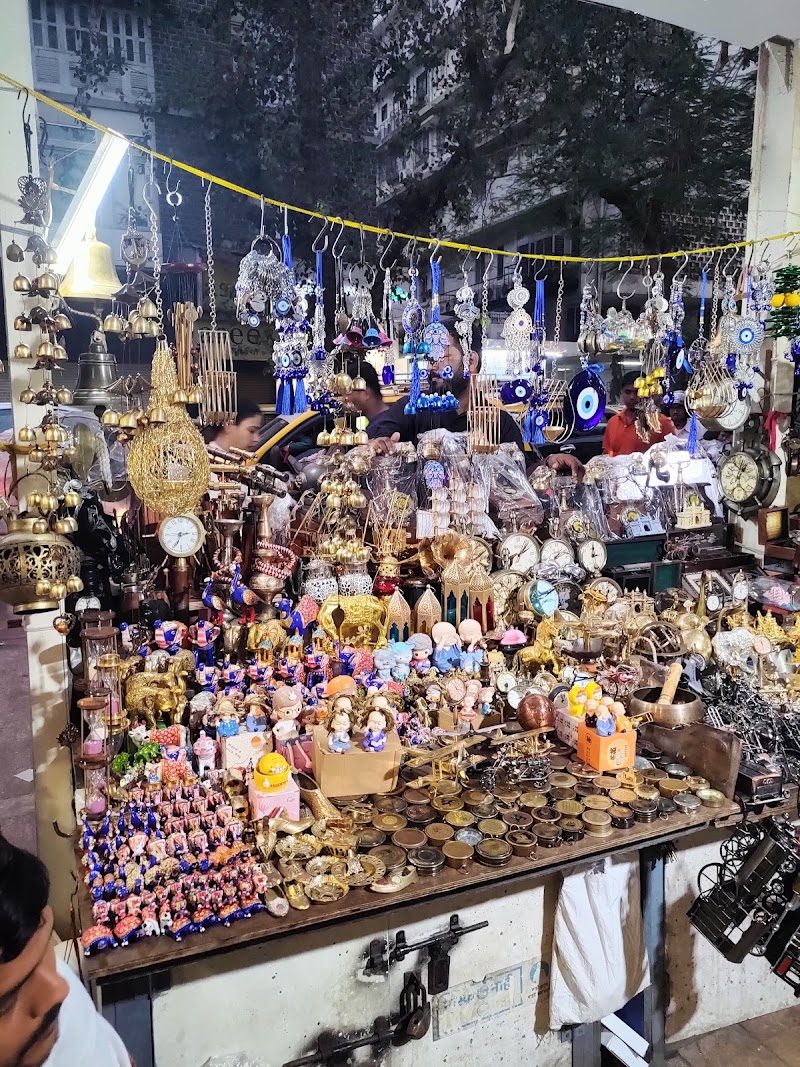
Shop Colaba Causeway, but give it boundaries
Colaba Causeway is the practical retail stop: lively, close to the cruise orbit, and packed with street food, souvenirs, antiques, jewelry, and textiles. It fits travelers who like their port days tactile rather than museum-heavy, and it pairs naturally with the Gateway of India because you can keep the plan compact. Bargaining is part of the experience, so arrive with patience and a ceiling in mind. This is not where you go for quiet; it is where you go for color, movement, and a bag you did not plan to buy.
Shoppers, snackers, and anyone who wants a flexible half-day near the core sights.
Check the tide before Haji Ali Dargah
Haji Ali Dargah is one of Mumbai's most atmospheric stops, but it comes with a built-in condition: the mosque is reached by a causeway that is accessible at low tide. Dedicated to the saint Haji Ali, the site brings together faith, sea views, prayers, and Sufi music in a setting that feels separate from the city even while being part of it. Prioritize it if you are interested in living religious spaces and do not mind planning around access. It is less about checking off a monument and more about entering a rhythm.
Low tide access matters here, so do not treat it as a guaranteed walk-up stop.
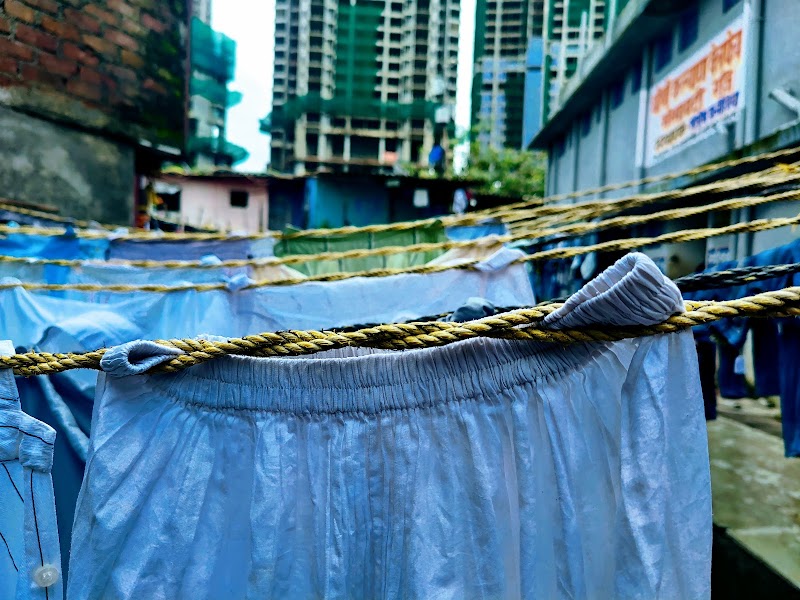
Go less polished at Dhobi Ghat
If the big icons feel too curated, Dhobi Ghat gives you a sharper view of everyday Mumbai. From the viewpoint, you can watch the open-air laundry system where clothes are washed by hand at enormous scale. It is fascinating, visual, and very different from the archways-and-promenoade version of the city. This kind of stop is best for travelers who like infrastructure, labor, and street-level detail more than polished sightseeing. For a similarly raw edge, Sassoon Docks offers fish-market energy with Koli fisherfolk at work, especially pre-dawn.
Repeat visitors and curious travelers who want daily life over landmark collecting.
Things to do in Mumbai
Marine Drive
Scenic 3km promenade along the bay, nicknamed Queen's Necklace when lit up at night. Ideal for a quick drive or walk with sea breezes and skyline views. Cruise passengers love the vibrant sunset spot.
Gateway of India
Iconic archway built to commemorate King George V's visit, overlooking the Arabian Sea. Perfect for photos and a short stroll; nearby ferries to Elephanta Caves. Must-see entry point for Mumbai's colonial history.
Elephanta Caves
UNESCO rock-cut temples from 5th-8th century on Elephanta Island, just a 1-hour ferry from Gateway. Explore Shiva sculptures and ancient architecture. Essential for history buffs on short stops.
Chhatrapati Shivaji Terminus
Victorian Gothic railway station, UNESCO site with intricate details. Quick exterior photos or guided tour inside. Bustling hub showcasing Mumbai's blend of old and new.
Haji Ali Dargah
Floating mosque on a causeway reachable at low tide, dedicated to saint Haji Ali. Experience Sufi music and prayers. Unique blend of faith and sea views.
Colaba Causeway
Lively shopping street with street food, souvenirs, and antiques. Bargain for jewelry and textiles. Great for a half-day retail therapy near cruise docks.
Dhobi Ghat
Open-air laundry where thousands wash clothes Mumbai-style. Watch the fascinating manual process from a viewpoint. Hidden gem for authentic daily life glimpses.
Sassoon Docks
Bustling fish market with Koli fisherfolk at work pre-dawn. Vibrant chaos of auctions and boats. Insider spot for raw Mumbai energy away from tourists.
Cruise port FAQs
- What is the best first stop for a Mumbai cruise day?
- The Gateway of India is the best starting point for most first-timers. It is visually iconic, tied to Mumbai's colonial history, and close to ferries for Elephanta Caves.
- Can cruise passengers visit Elephanta Caves during a port stop?
- Yes, but it needs to be treated as a main activity. Elephanta Island is reached by a ferry of about one hour from the Gateway area, so build the day around it rather than adding it casually.
- What is a good low-effort Mumbai stop?
- Marine Drive is the easiest scenic reset. A short walk or drive along the bay gives you sea breezes, skyline views, and, if timing lines up, the lights known as the Queen's Necklace.
- Is Mumbai good for shopping during a cruise call?
- Yes. Colaba Causeway is the most convenient option in the main sightseeing zone, with street food, souvenirs, antiques, jewelry, and textiles. Bargaining is part of the experience.
- Which Mumbai sights are best for travelers who have seen the main icons?
- Chhatrapati Shivaji Terminus, Haji Ali Dargah, Dhobi Ghat, Sassoon Docks, and Banganga Tank add more texture beyond the standard waterfront route.