AU
Cruises to Melbourne
Melbourne is a port for cruisers who like their day urban: sharp design, serious art, green space, market grazing, and skyline views without forcing a marathon.
Upcoming visits
48
Best fare
$219 per night
Melbourne is a port for cruisers who like their day urban: sharp design, serious art, green space, market grazing, and skyline views without forcing a marathon.
Find Melbourne on Google Maps before you plan the port day.
Melbourne is not a one-note cruise stop, which is exactly why it needs a plan. The city works best when you treat the day like a tight edit: one anchor sight, one place to wander, and one food or culture stop if time allows. The payoff is texture rather than spectacle alone. You can move from Edwardian clocks to angular public squares, from river edges to big green lawns, from gallery rooms to market stalls, without pretending you are going to absorb the whole city before all aboard.
For cruise passengers, Melbourne is strongest when you stay realistic. Pick central experiences with visual punch and easy pacing: Federation Square and Flinders Street Station for the classic arrival image, the Royal Botanic Gardens for breathing room, Queen Victoria Market for grazing, or the National Gallery of Victoria for a low-friction culture hit. If you want a top-down moment, Eureka Skydeck gives the skyline version of the city. If you would rather keep things looser, Southbank, ACMI, and Hosier Lane can turn the day into a compact Melbourne sampler.
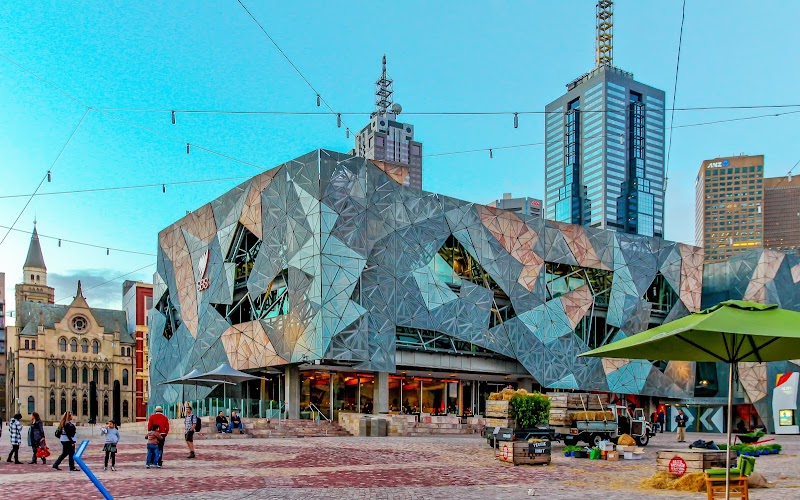
Federation Square is the practical first chapter of a Melbourne port day: central, visual, and flexible enough to work whether you are moving fast or easing in. Its modern architecture, event energy, art, and cafes make it a better orientation point than a random city stroll. Pair it mentally with Flinders Street Station, the yellow Edwardian terminus with the clock tower that has become one of Melbourne's signature meeting-point images. This is the right priority for first-timers who want the city to look unmistakably like Melbourne before branching into galleries, gardens, or food.
First-timers who want a recognizable Melbourne opener without committing the whole day.
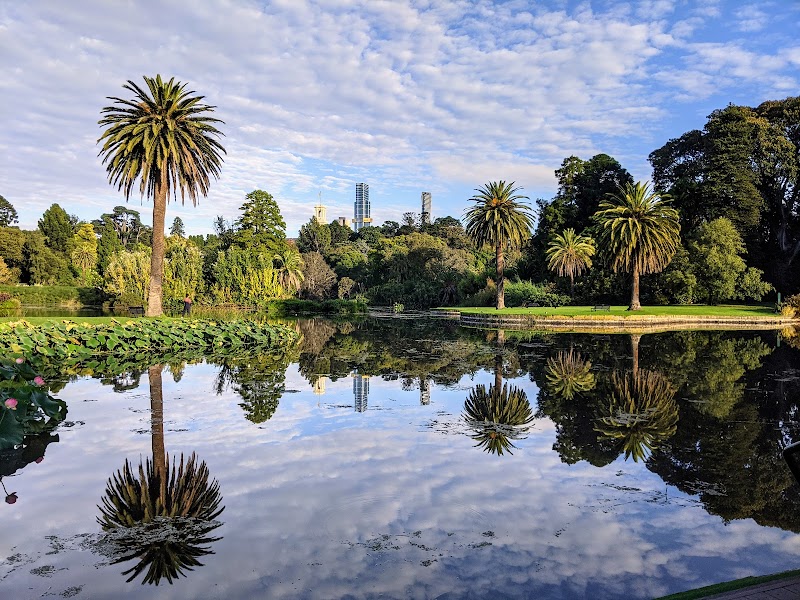
The Royal Botanic Gardens are the antidote to an overstuffed shore day. With 120 hectares of plants, lakes, and skyline views, they give you Melbourne at a slower tempo without feeling like you have left the city behind. The free entry helps if you are trying to keep the day low-pressure after several paid excursions. This is a smart anchor for walkers, photographers, and anyone who likes a city best when there is green space in the frame. Prioritize it over another indoor stop if you need air, water, and a cleaner pace.
120 hectares of plants, lakes, and city skyline views. Free.
Iconic yellow Edwardian terminus; clock tower meetup.
Modern cultural hub with events, art, and cafes. City heart.
Current sailings visiting this port, sorted by the lowest tracked cabin price per night.
Built 2001
Melbourne · Kangaroo Island
Built 2001
Melbourne · Kangaroo Island
Built 2001
Melbourne · Kangaroo Island
Built 2001
Melbourne · Kangaroo Island
Built 2018
Sydney · Hobart · Adelaide · Melbourne
Built 2001
Melbourne
Built 2001
Melbourne
Built 2001
Melbourne
Built 2001
Melbourne · Adelaide
Built 2001
Melbourne · Sydney
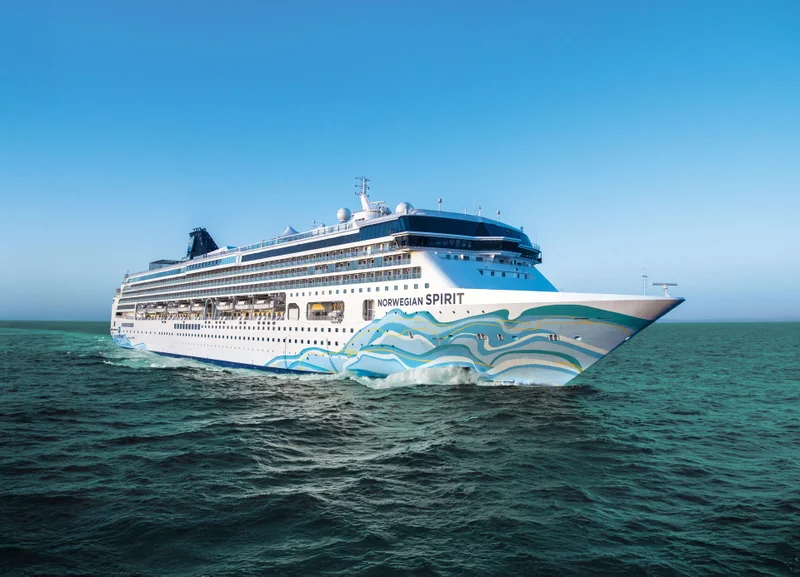
Built 1998
Sydney · Hobart · Adelaide · Kangaroo Island · Melbourne
Built 1998
Auckland · Tauranga · Napier · Timaru · Dunedin · Dusky Sound · Melbourne · Tasmania · Eden · Sydney
Big gardens, lake edges, and skyline views make this the easiest way to decompress ashore.
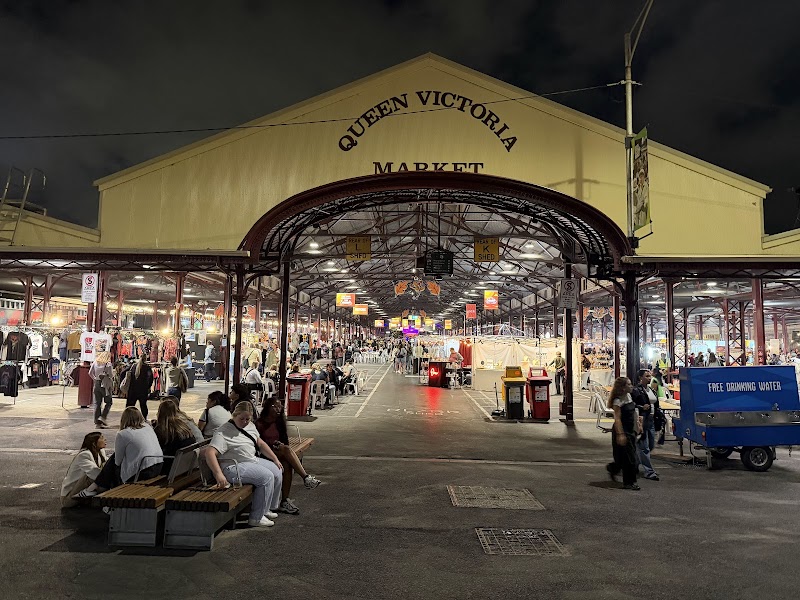
Queen Victoria Market is the Melbourne stop for travelers who would rather taste a city than sit through a checklist. It is a large food and flea market, so the appeal is in grazing, browsing, and letting the day get a little messy in a good way. Street eats make it especially useful if your port call cuts across lunch or you want something more local-feeling than a formal meal. The only catch is pacing: markets reward time. Do not wedge it in as an afterthought if you are already committed to gardens, galleries, and skyline views.
Market stops work best when you leave time to browse instead of treating lunch like a pit stop.
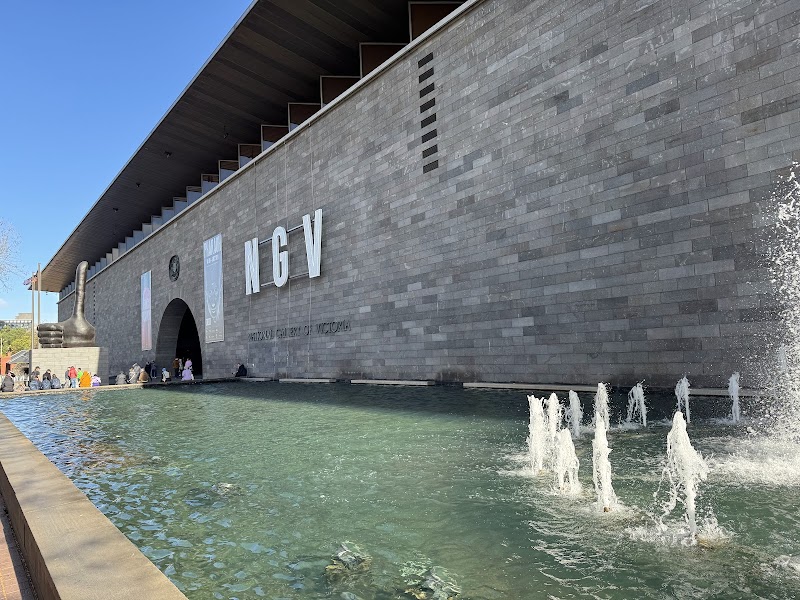
The National Gallery of Victoria is the strongest single choice for a culture-heavy Melbourne call. As Australia's oldest art museum, it gives the day substance without requiring you to gamble on an event schedule or overcomplicate the route. Free entry also makes it easy to scale your visit: go deep if art is the point, or use it as a polished one-hour reset between more outdoor stops. It fits travelers who like museums but hate feeling trapped by them. If weather, fatigue, or timing narrows your plan, NGV is a dependable anchor.
Free entry means you can save your budget for food, views, or getting around.
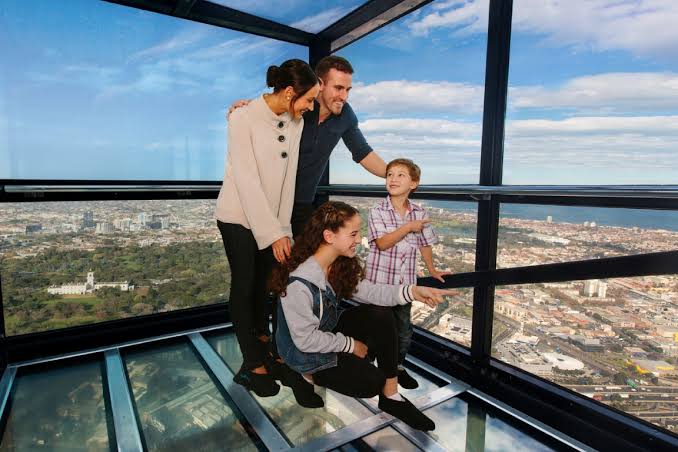
Eureka Skydeck is for the cruiser who wants the whole city in one frame. The 88th-floor viewpoint gives Melbourne a graphic shape, and the glass cube thrill adds a little adrenaline if you want more than a standard observation deck moment. It makes the most sense as a targeted stop, not something to bury in a long list. Afterward, Southbank Promenade offers the street-level counterpoint: a riverwalk with buskers and bridges. Together, they give you the vertical and horizontal versions of Melbourne without pretending you need to conquer every neighborhood.
Skydeck first for scale, Southbank after for movement, bridges, and river atmosphere.
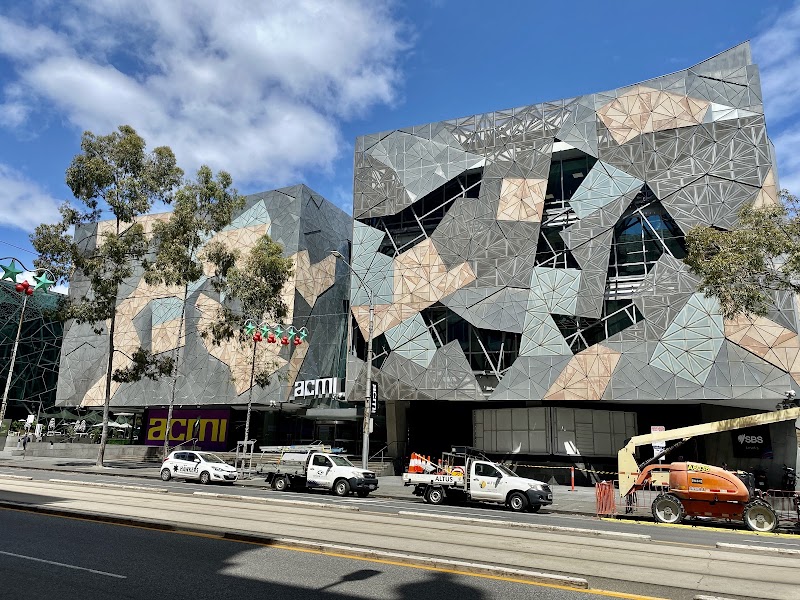
ACMI, the Australian Centre for the Moving Image, is a good pick when you want culture that does not feel like a hushed museum obligation. Its interactive film and game exhibits fit travelers who grew up on screens but still want a port day with some brain to it. It is especially useful if you are already centering the day around Federation Square, cafes, and visual culture rather than parks or markets. Prioritize ACMI over a second gallery if your group includes gamers, film people, or anyone who gets restless in traditional exhibition rooms.
Film fans, gamers, and groups that want an interactive culture stop.
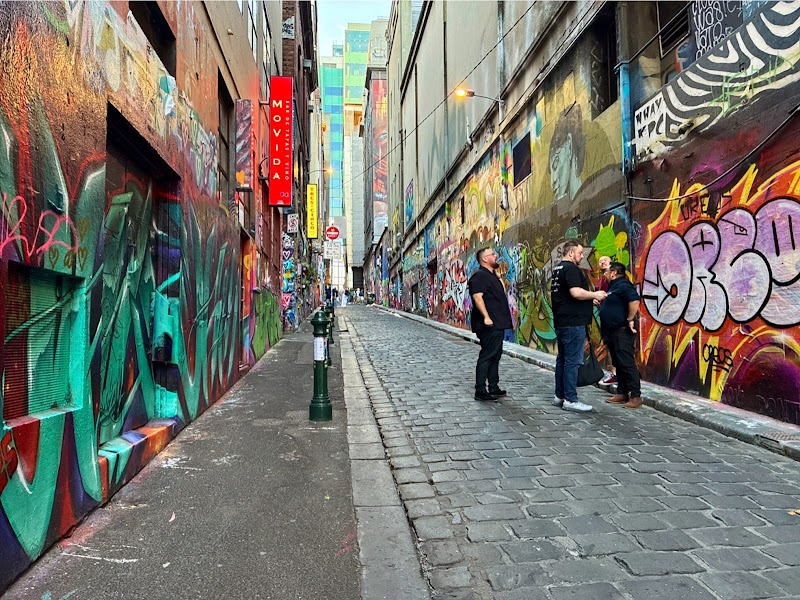
Hosier Lane Street Art gives Melbourne a different kind of postcard: dense graffiti, color, and the feeling that the city is not trying too hard to be polished. It is best treated as a sharp visual detour rather than the main event of your port day. Photographers, design-minded travelers, and anyone allergic to sterile sightseeing will get the most from it. If your plan already leans toward Federation Square, ACMI, or the National Gallery of Victoria, Hosier Lane adds a grittier layer before you pivot back to the ship.
Treat Hosier Lane as a quick visual hit, not the anchor of the whole stop.
Australia's oldest art museum; free entry.
Interactive film and game exhibits.