NO
Cruises to Mandal
Mandal is a low-drama Norway port where the best day is split between white-painted heritage, beach air, and a hilltop look at the coast.
Upcoming visits
1
Best fare
$415 per night
Mandal is a low-drama Norway port where the best day is split between white-painted heritage, beach air, and a hilltop look at the coast.
Find Mandal on Google Maps before you plan the port day.
Mandal is not the Norwegian port you book for maximum spectacle; it is the one that gives a sailing a quieter, salt-air pause. The draw is scale: a white wooden church with nautical details, an Art Nouveau town hall, an old harbour master's building, and sand that keeps going at Sjosanden. For cruise passengers, that makes Mandal a good fit when you want a day that feels local and unforced, not a transfer-heavy mission to tick off a distant landmark.
The smartest plan is to choose a mood early. If the weather is clear, make the beach and fort your visual anchors: dunes, sea views, and old coastal batteries. If the sky turns soft or you want something slower, stay with the town sights and maritime history. Mandal rewards travelers who like details more than adrenaline: ship motifs in a church interior, murals inside civic architecture, models and logs that tell a port story. It is a small-day port, and that is its advantage.

Mandal Church is the town landmark that earns a real pause, not just a quick photo. As Norway's southernmost white wooden church, it has the clean, bright presence people associate with coastal Scandinavia, but the ship motifs give it a more specific local feel. This is a strong first stop for travelers who like architecture, quiet interiors, and small visual details. If your port day is short or the weather is mixed, prioritize this over trying to stretch the day too wide. It gives Mandal context without demanding a complicated plan.
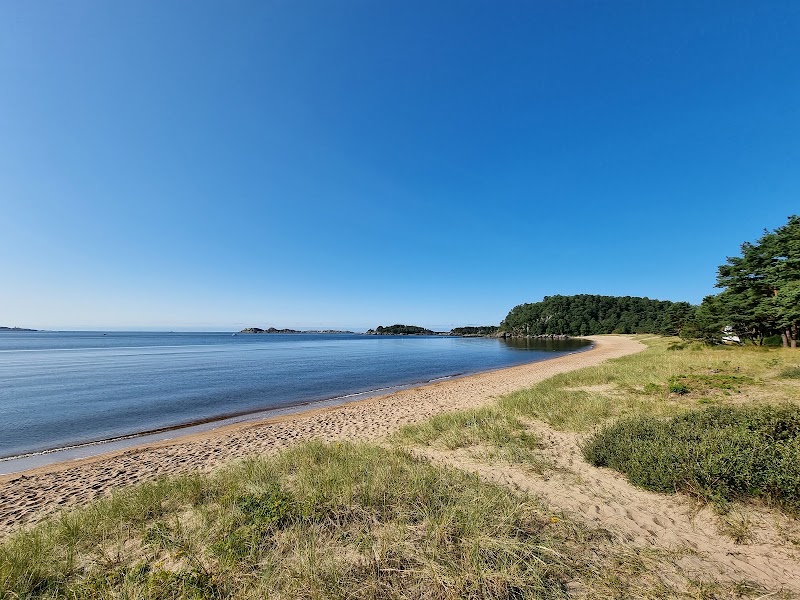
Sjosanden is the beach move here: eight kilometers of sand, dunes, and open seaside that feels made for a reset between denser itinerary days. It works even if you are not planning a full beach day, because a long walk can be enough to make the stop feel distinct. The kite surfing spots add motion to the scene when conditions cooperate, but the main appeal is space. Prioritize it if you want fresh air, photos with clean coastal lines, or a low-effort plan that does not revolve around shopping or museums.
Norway's southernmost white wooden church with ship motifs. Peaceful interiors. Charming landmark.
8km sands at Sjøsanden for walks and dunes. Kite surfing spots. Endless seaside.
Art Nouveau with murals and tower clock. Square cafes nearby. Civic pride.
Maritime museum in 1756 building. Models and logs. Nautical tales.
Current sailings visiting this port, sorted by the lowest tracked cabin price per night.
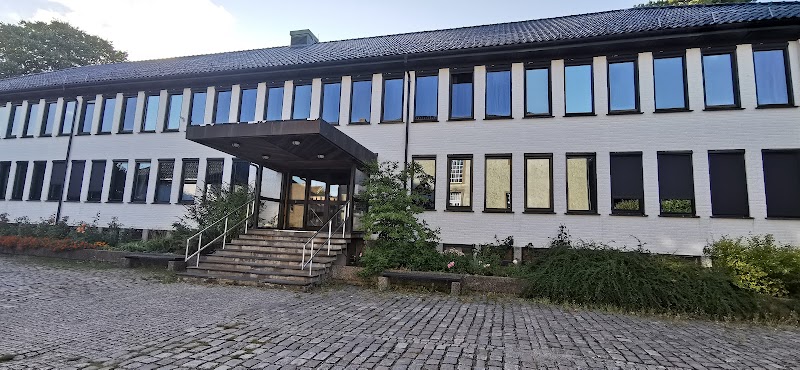
Mandal's Town Hall is a useful reminder that the town is not only white wood and shoreline. Its Art Nouveau style, murals, and tower clock give the center a different texture, more civic pride than postcard prettiness. This is a good stop for travelers who like to understand how a place presents itself, especially with square cafes nearby for an easy break. It should not swallow the whole day, but it pairs well with Mandal Church or the Harbour Master's House if you want a culture-first route that stays grounded in the town itself.
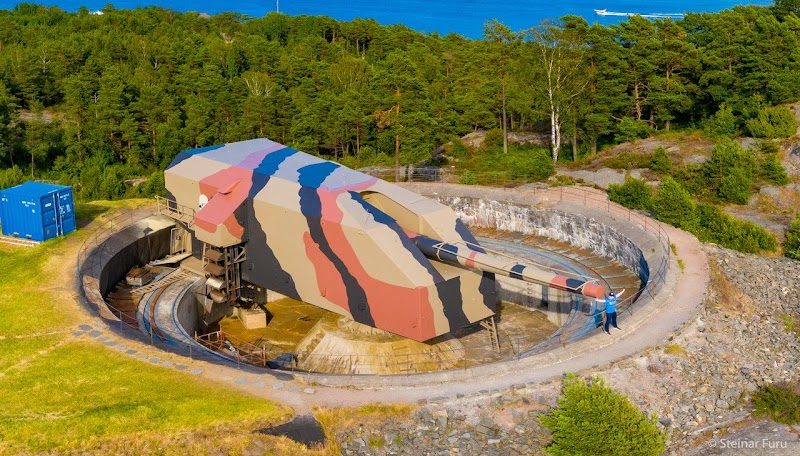
The cannons at Mandal Fort are the stop to choose when you want the day to open up visually. The 18th-century batteries sit on a hill with views toward the sea, so the appeal is part history, part outlook. It fits travelers who do not need a polished attraction to enjoy a place; old defensive relics, fresh air, and a wider look at the coast are the point. If you are choosing between another indoor stop and something more physical, this is the better contrast to the town sights and the beach.
The Harbour Master's House is the niche pick, and that is not a criticism. Set in a building from 1756, the maritime museum uses models and logs to bring Mandal's seafaring side into focus. It is best for travelers who would rather read the small print of a port than chase the biggest view. Pair it with the church or Town Hall for a compact heritage route, especially on a cooler or cloudier day. If you only have energy for one history stop, choose this for nautical context and the fort for landscape.
18th-century batteries on hill with sea views. History stroll. Strategic relic.